Broken rice
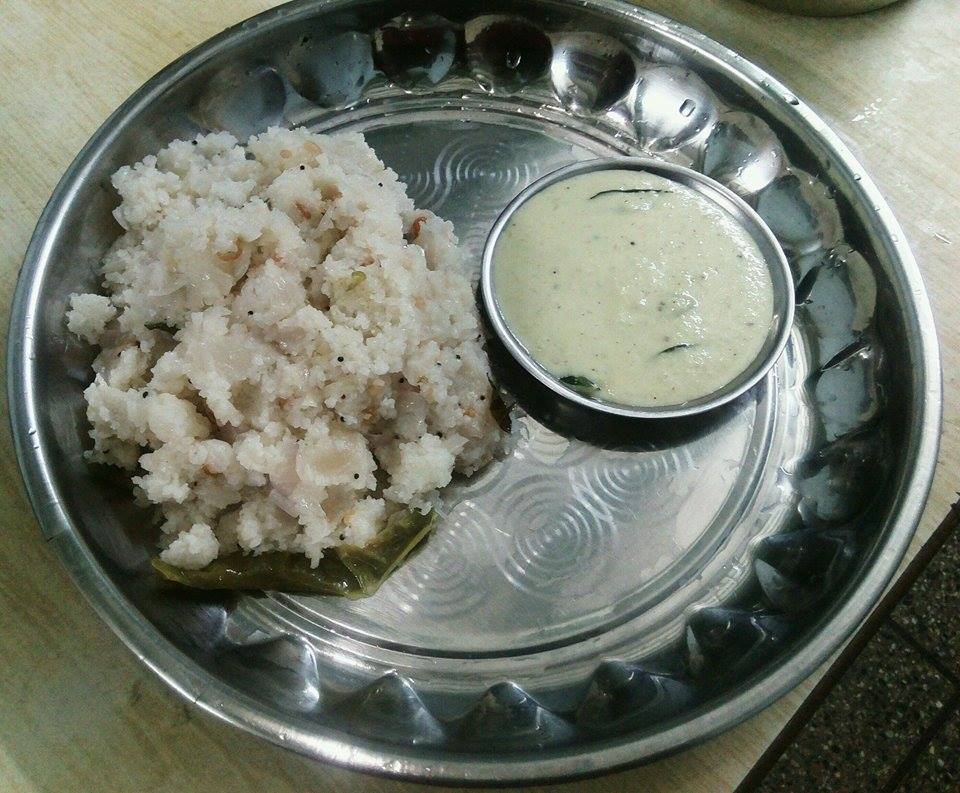
Fragmented rice grains, nutritionally equivalent to whole rice.

BHARATHESHA ALASANDEMAJALU · CC BY 3.0
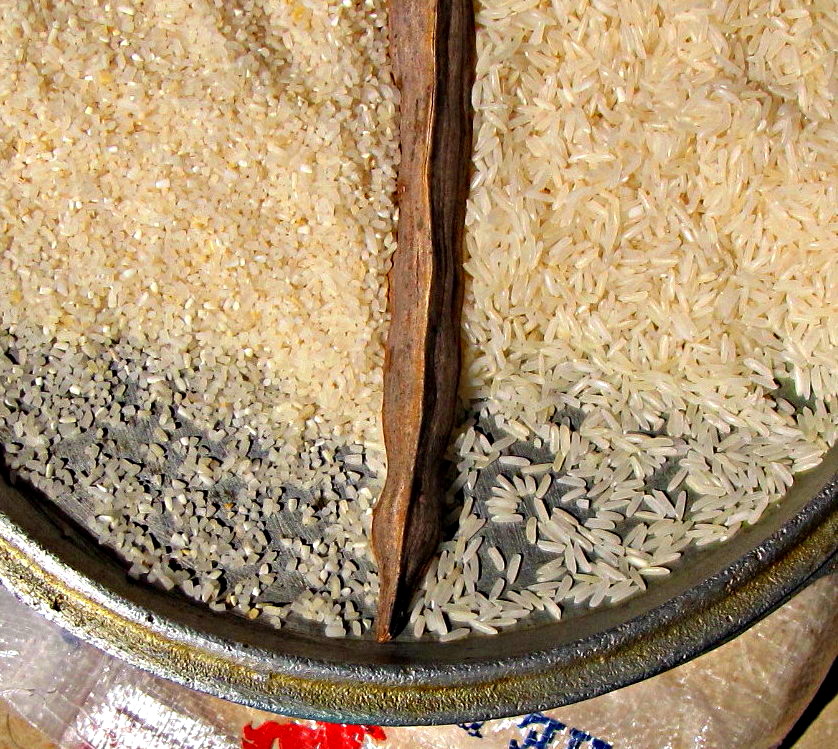
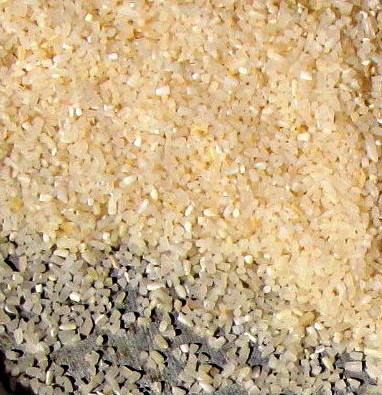
Broken rice is made up of grain fragments that split during harvesting, drying, transport, or milling. Machines separate these pieces from whole grains and sort them by size. Despite being broken, the rice is not considered defective and is nutritionally identical to whole rice of the same type—brown if the bran and germ remain, white if they are removed.
The practice of eating broken rice is ancient. In 1350, traveler Ibn Baṭṭūṭa noted a rice couscous in Mali, likely made from African rice. When milling Asian rice (*Oryza sativa*), about 50% of the yield is whole grains, 16% is broken, 20% is husk, and 14% is bran and meal. African rice (*Oryza glaberrima*) has more brittle grains, so it breaks more easily. Broken rice from a huller is brown; from a gristmill it may be white.
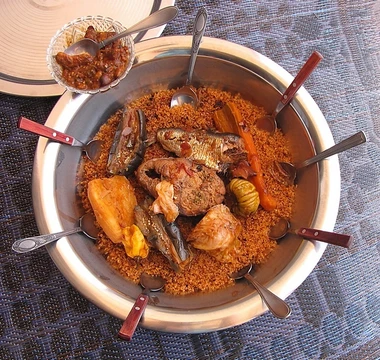
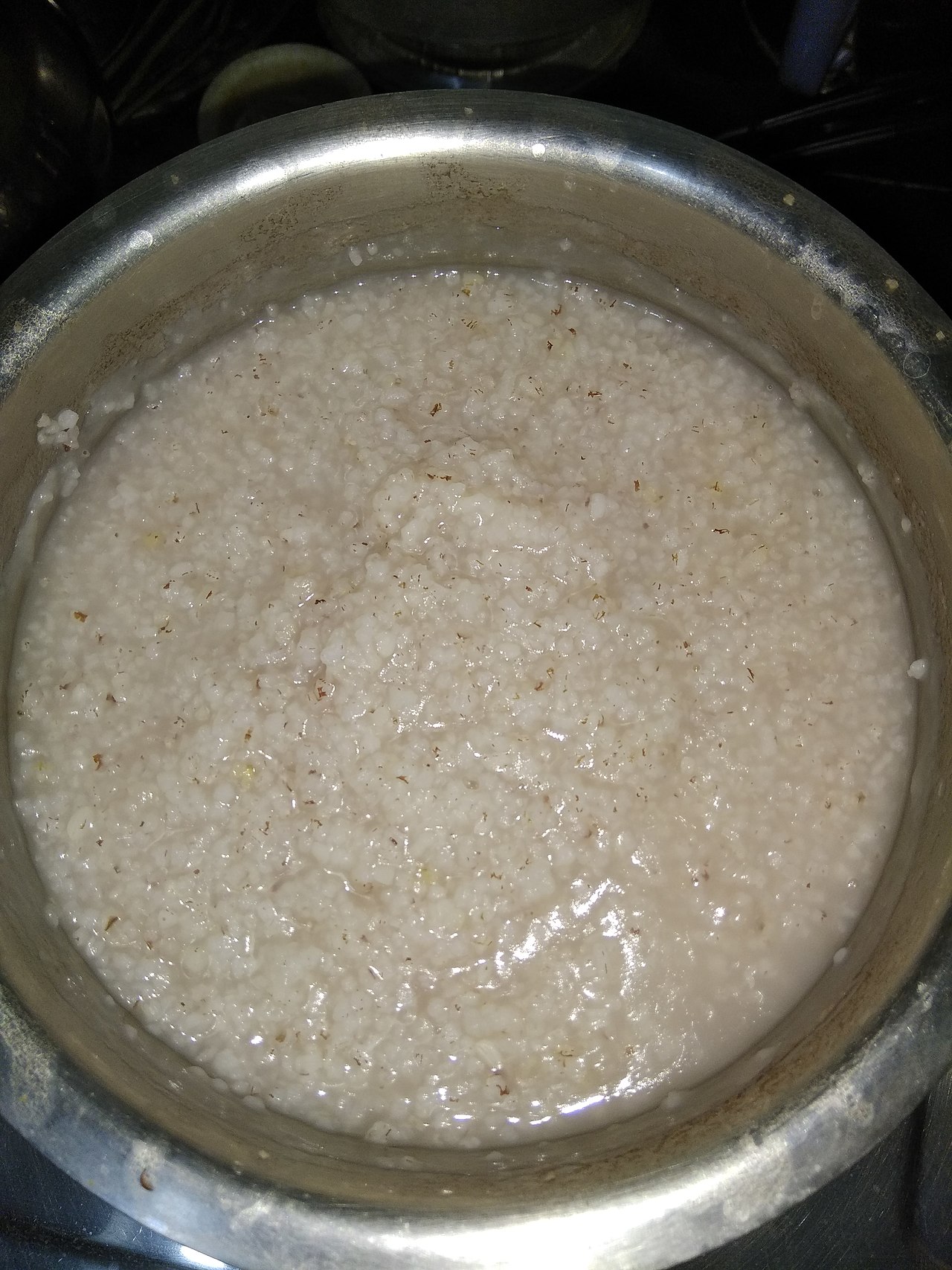
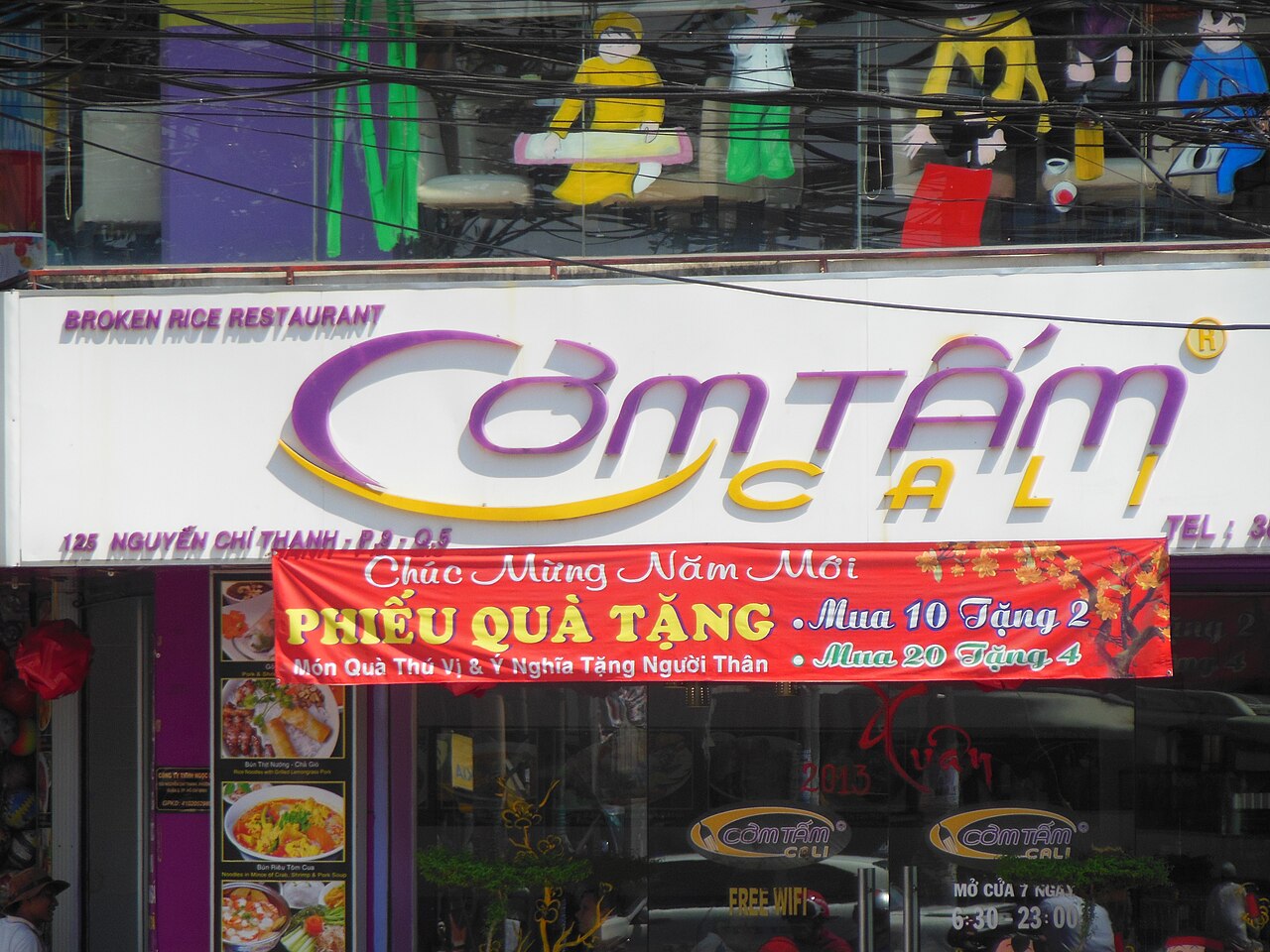
Because of their different size and shape, broken grains have a softer texture than whole rice and absorb flavors more readily. They cook faster, using less fuel, and are ideal for porridges and congees that require long simmering. Broken rice is often cheaper, making it a staple for poorer households, but some cooks intentionally break whole rice to achieve the same texture or speed up cooking. It features in local cuisines across West Africa, Thailand, Bangladesh, and Southeast Asia. In Vietnam, *cơm tấm* (“broken rice”) is a popular pork dish. In West Africa, *thieboudienne* is often made with broken rice. In South Carolina, it is called rice grist or middlins; in Bangladesh, *khood*, typically dressed with roasted peppers, garlic, and mustard oil.
Very small broken pieces are known as brewers’ rice, traditionally used by brewers, but also sold to the pet food industry, for livestock feed, and in aquaculture. Broken rice is also processed into starch for laundry, foods, cosmetics, and textiles.
- type
- food product
- produced_from
- Oryza sativa (Asian rice) and Oryza glaberrima (African rice)
- milling_yield
- approximately 50% whole rice, 16% broken rice, 20% husk, 14% bran and meal
- common_uses
- human consumption, brewing, pet food, livestock feed, aquaculture, starch production
- alternative_names
- rice grist, middlins, khood, brewers' rice
Lore & Background
Broken rice has a long history; Ibn Baṭṭūṭa mentions rice couscous in the area of Mali in 1350, presumably made of African rice. African rice (Oryza glaberrima) has more brittle grains, so breakage is higher. Broken rice from a rice huller will be brown whole grain; broken rice from a gristmill may be white.
Reader's Guide
Broken rice is significant because it provides a less expensive alternative to whole rice, often preferred by poorer consumers, yet it is also chosen deliberately for its different texture and faster cooking time. It absorbs flavours more easily and cooks faster, using less fuel, making it suitable for porridges and congees. In West Africa, Thailand, Bangladesh, and elsewhere in Southeast Asia, broken rice is a staple of local cuisine. Notable dishes include Vietnamese cơm tấm (broken rice with pork) and West African thieboudienne. In Bangladesh it is called khood and typically dressed with roasted peppers, garlic, and mustard oil. Industrially, very small broken rice is called brewers' rice and is used by brewers, the pet food industry, livestock feeding, aquaculture, and to make starch for laundry, foods, cosmetics, and textiles.
Did You Know?
- Broken rice is as nutritious as the equivalent quantity of unbroken rice.
- Ibn Baṭṭūṭa mentioned rice couscous in Mali in 1350, presumably made of African rice.
- African rice (Oryza glaberrima) has more brittle grains, leading to higher breakage.
- In South Carolina, broken rice is called rice grist or middlins.
Origins and the Question of Birthplace
The question of where jollof rice truly began remains one of West African cuisine's most debated topics. African food historian Fran Osseo-Asare points to the Jolof Empire, a confederacy that governed territories spanning present-day Senegal, Mali, The Gambia, and Mauritania from roughly the twelfth century. In that region, the dish originally appeared as thieboudienne, a preparation of rice, fish, shellfish, and vegetables, with the Senegalese fishing communities of Saint-Louis often cited as its birthplace. Yet food and agriculture historian James C. McCann challenged the idea of simple cultural diffusion from Senegal outward, suggesting instead that the Mali Empire's Djula traders carried the dish along with rice agronomy knowledge to commercial centers across the region. Agronomy professor Marc Dufumier offered a more recent explanation: colonial-era peanut monoculture in central Senegal displaced traditional millet and sorghum, forcing cooks to adapt to imported broken rice from Southeast Asia. The presence of New World tomatoes, Indian curry powder, and Mediterranean thyme in modern recipes further constrains the dish's recognizable form to no earlier than the nineteenth century, while Senegalese oral tradition credits a cook named Penda Mbaye with the original substitution of rice for barley in a colonial kitchen.
The Jollof Wars and the Politics of the Pot
Few culinary disputes have captured the imagination of a region quite like the rivalry over jollof rice. Across West Africa, nations from Ghana and Nigeria to Sierra Leone, Liberia, and Cameroon each claim the superior version, but the competition between Nigeria and Ghana has become the most visible flashpoint. By the mid-2010s, what had been a long-standing gastronomic pride morphed into a full-blown cultural phenomenon dubbed the Jollof Wars, complete with cooking competitions and viral social media campaigns that turned a humble one-pot meal into a symbol of national identity. In 2016, the Ghanaian artist Sister Deborah released a track mocking the Nigerian preparation, and shortly after, a physical altercation broke out at a Ghanaian political rally over an inadequate supply of the dish, which Nigerians seized upon for good-natured ridicule. Perhaps the most explosive moment came in 2014, when British chef Jamie Oliver published a recipe featuring cherry tomatoes, coriander, lemon, and parsley—ingredients absent from every traditional version. The resulting outrage, crystallized in the trending hashtag #jollofgate, was so intense that Oliver's team felt compelled to issue a public statement, underscoring how deeply the dish's authenticity is tied to collective pride.
One Dish, Many Names: A Pan-West African Identity
Despite its many regional faces, jollof rice functions as a shared culinary language across West Africa. The most widely recognized name, jollof, derives from the Wolof people, yet in Senegal, Mauritania, and The Gambia the same dish is more commonly called ceebu jën or benachin. French-speaking regions refer to it as riz au gras, while in Mali the Bamanankan-speaking population knows it as zaamè. These naming differences reflect the dish's deep integration into distinct linguistic and cultural contexts, yet the core preparation remains what observers describe as mutually intelligible from one border to the next. This remarkable coherence has propelled jollof to a position of global prominence as the best-known African dish served outside the continent, appearing in restaurants and home kitchens wherever West African diaspora communities have taken root. The dish's cultural weight is further affirmed by UNESCO's recognition of the Senegalese thieboudienne variant as an intangible cultural heritage, a designation that elevates a single-pot meal to the level of living tradition and collective memory.
The Alchemy of the Single Pot
At its heart, jollof rice is a one-pot affair built on a deceptively simple foundation: rice, cooking oil, tomato puree, onion, salt, and chilies. From that base, cooks across the region layer in their own signature touches—tomato paste, bell peppers, garlic, ginger, thyme, curry powder, bay leaves, grains of selim, or a bouillon cube for depth. The choice of rice itself is a point of local preference, with some kitchens favoring long grain, others short grain, broken rice, or parboiled varieties. Protein is equally flexible: chicken, turkey, beef, lamb, or fish may be cooked alongside the grains or served as a separate component, while vegetables like cabbage, green peas, or carrots add texture in certain regional preparations. The classic technique involves sautéing the tomato puree, paste, onions, salt, and chilies in oil until they meld into a rich sauce, into which the rice is then added to simmer and absorb the flavors. In Ghana, the method takes a slightly different path: the meat is first seasoned and steamed with a puree of ginger, onion, and garlic, then fried until deeply cooked before the remaining ingredients are combined and fried together, building layers of flavor in a single vessel.
Gallery
Frequently Asked Questions
What exactly is broken rice in Senegalese cuisine?
Broken rice consists of grain fragments that crack or split during harvesting, drying, transport, or milling. Machines separate these smaller pieces from whole grains and sort them by size for use.
Is broken rice the same as whole rice nutritionally?
Yes—broken rice is nutritionally identical to whole rice of the same type. The only difference is physical form, not content, so brown broken rice still retains its bran and germ just like brown whole rice.
What are the other names for broken rice?
You'll also encounter it called rice grist, middlins, khood, or brewers' rice depending on the region and intended use.
What is broken rice actually used for?
Beyond everyday human consumption, it is a staple ingredient in brewing and also feeds pets, livestock, and fish in aquaculture. Additionally, it serves as a raw material for starch production.
How long has broken rice been part of West African food culture?
The practice stretches back centuries; in 1350, the traveler Ibn Baṭṭūṭa recorded a rice couscous in Mali that was likely prepared from African rice. This shows fragmented rice grains have been a valued food source in the region for at least seven hundred years.
More in Senegalese cuisine 1-21
Spotted an error? Know more?
This is a living reference — every entry is fact-audited, and reader corrections feed straight into our audit queue. Suggest an edit · See this site's audit record