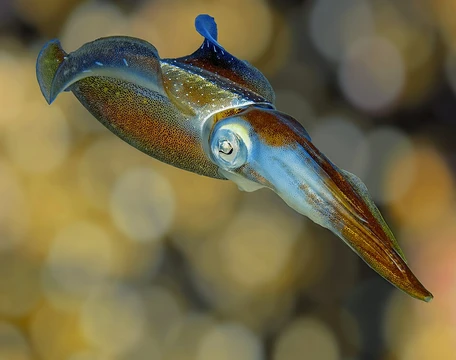
Octopus mimus
A large benthic octopus fished in Peru and Chile.

Octopus mimus, commonly known as the Gould octopus, is a relatively large cephalopod found between northern Peru and northern Chile. It is notable for its round sacciform mantle, lack of fins, and arms approximately four times longer than the mantle, with males possessing a short, thin copulatory organ on the third right arm.
Quick Facts
- Taxon
- Octopus mimus
Facts from the source article.
Lore & Background
Octopus mimus is primarily benthic, inhabiting rocky substrates and kelp forests down to depths of 200 m. Its color is variable, commonly speckled with a mix of gray, yellow, black, and green. The species is dioecious and breeds throughout the year, with one or two peaks depending on latitude. After mating, the female cares for the eggs, allowing her body to deteriorate until death. Juveniles can double in size every 30 to 60 days. The Gould octopus is an opportunistic predator, feeding mainly on crustaceans, mollusks, fish, and echinoderms. It is commonly fished in Peru and Chile. Semi-moist diets provide the best growth efficiency for this species while also being feasibly sustainable.
Reader's Guide
Octopus mimus holds significance as a commonly fished species in Peru and Chile, where it is targeted for human consumption. Its relatively large size—females up to 115 cm and 3.7 kg, males up to 107 cm and 4.4 kg—makes it a valuable catch. The species' life history includes year-round breeding with latitudinal peaks, and maternal care that leads to the female's deterioration and death. In captivity, semi-moist diets have been found to offer the best growth efficiency while remaining sustainable, which may inform aquaculture practices. Its benthic habitat in rocky substrates and kelp forests up to 200 m depth, along with its opportunistic predation on crustaceans, mollusks, fish, and echinoderms, defines its ecological role. The Gould octopus is notable for its rapid juvenile growth, doubling in size every 30 to 60 days, and its distinctive morphology: a round sacciform mantle without fins and arms about four times the mantle length.
Did You Know?
- The third arm on the right holds the short, thin copulatory organ in males.
- Females can grow up to 115 cm in length and 3.7 kg, while males reach 107 cm and 4.4 kg.
More in Reef Cephalopods 1-24
Spotted an error? Know more?
Reader corrections go straight into our review queue. Suggest an edit · How this site is sourced