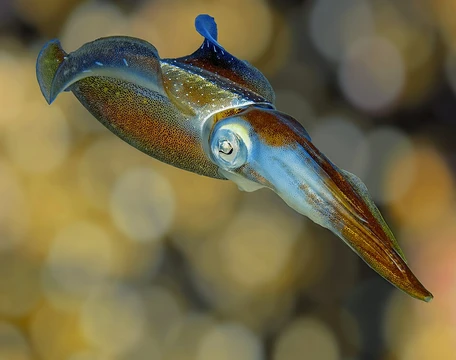
Octopus (genus)
Largest octopus genus, widespread, with many reclassified species.

The genus *Octopus* is the largest group of octopuses, with roughly 100 species found across the world's oceans. Over time, many species that were once classified under this genus have been moved to different genera within the same family.
Quick Facts
- Taxon
- Octopus
- Type Species
- Octopus vulgaris
- Type Species Authority
- Cuvier, 1797
Facts from the source article.
Lore & Background
The genus Octopus is the largest genus of octopuses, containing about 100 species. These species are found in oceans around the world. The article lists numerous species, including Octopus alecto, Octopus argus, Octopus australis (hammer octopus), Octopus bimaculatus (California two-spot octopus), Octopus briareus (Caribbean reef octopus), Octopus cyanea (big blue octopus or day octopus), Octopus vulgaris (common octopus), and many others. Many species that were once placed in Octopus have since been reassigned to other genera within the family. The article also notes that a maximum likelihood phylogenetic tree based on 13 protein-coding genes shows the genus Octopus is polyphyletic. Additionally, the article lists species inquirenda—species needing further investigation to determine if they belong in this genus—and species brought into synonymy.
Reader's Guide
The genus Octopus is notable as the largest genus of octopuses, encompassing about 100 species that are widespread across the world's oceans. Its significance lies in its historical role as a taxonomic catch-all; many species originally described under Octopus have been moved to other genera within the family, reflecting ongoing revisions in cephalopod classification. The article provides a long list of named species, including well-known forms like the common octopus (Octopus vulgaris), the Caribbean reef octopus (Octopus briareus), and the California two-spot octopus (Octopus bimaculatus). However, the genus is shown to be polyphyletic in a phylogenetic tree based on 13 protein-coding genes, indicating that the current grouping does not reflect evolutionary relationships. The article also identifies several species inquirenda—those needing further study to confirm their validity or placement—and notes that some species have been synonymized. This legacy underscores the dynamic nature of octopus taxonomy and the need for continued research.
Did You Know?
- Octopus is the largest genus of octopuses, comprising about 100 species.
- Many species formerly placed in Octopus are now assigned to other genera within the family.
- The article lists species inquirenda that need further investigation to determine if they belong in this genus.
More in Reef Cephalopods 1-24
Spotted an error? Know more?
Reader corrections go straight into our review queue. Suggest an edit · How this site is sourced