
Barrackpore mutiny of 1824
A suppressed 1824 sepoy mutiny over cultural grievances and poor logistics.

Pinakpani · CC BY-SA 4.0
The Barrackpore mutiny of 1824 was a rising of native Indian sepoys against their British officers in Barrackpore, Bengal, in November 1824. Occurring during the First Anglo-Burmese War (1824–1826), the mutiny stemmed from British insensitivity toward Indian cultural sentiments, negligence, and poor supply arrangements, which caused growing resentment among sepoys of the 47th, 26th, and 43rd Regiments of the Bengal Native Infantry after a long march from Mathura. The incident was suppressed by force, resulting in around 180 deaths, and was largely censored in Indian and British media, though it drew parliamentary criticism of the East India Company's heavy-handedness.
Quick Facts
- Conflict
- Barrackpore mutiny of 1824
- Part Of
- the First Anglo-Burmese War
- Date
- Nov. 2, 1824
- Location
- Barrackpore, Bengal Province, British India
- Result
- British victory / Barrackpore mutiny of 1824 suppressed
Facts from the source article.
Lore & Background
The mutiny had its roots in the First Anglo-Burmese War, when in October 1824 the 26th, 47th, and 43rd Regiments were ordered to march 500 miles from Barrackpore to Chittagong. The regiments had just completed a 1,000-mile march from Mathura and were reluctant to undertake another long march against an unknown enemy, especially after rumors of Burmese prowess and a Burmese victory at Ramu. Many sepoys were Hindus with reservations about crossing the sea due to the kala pani taboo. The lack of carriage bullocks for transporting personal effects—particularly brass cooking utensils and bedding—was a critical grievance, as bullocks were scarce due to the sea-borne expedition to Rangoon. The sepoys requested bullocks or double batta (allowance for hostile territory), but these requests were disregarded; a 4,000 rupee advance per regiment was offered but refused, as it still required sepoys to pay baggage charges out of pocket. Threats from a Muslim Indian subedar major that they would be sent by sea escalated tensions.
Reader's Guide
The Barrackpore mutiny of 1824 is significant as an early instance of organized sepoy resistance against British authority in India, predating the more famous Indian Rebellion of 1857. It highlights the cultural insensitivity and logistical failures of the East India Company, particularly regarding Hindu religious scruples about sea travel and the lack of transport for personal belongings. The heavy-handed suppression—artillery and infantry attack on unarmed sepoys (their muskets were later found unloaded), followed by executions, disbandment of the 47th Regiment, and press censorship—demonstrated the Company's willingness to use extreme force to maintain discipline. The incident drew parliamentary criticism in Britain, with MP Joseph Hume alleging 400–600 deaths, though the government claimed no more than 180. The mutiny's legacy includes its role as a precursor to later rebellions and as an example of the grievances that fueled anti-British sentiment among Indian soldiers.
Did You Know?
- The sepoys' muskets were found unloaded after the attack, suggesting no violence was intended by the rebels.
- The mutiny was largely suppressed in Indian and British media, with only limited information released to the British public.
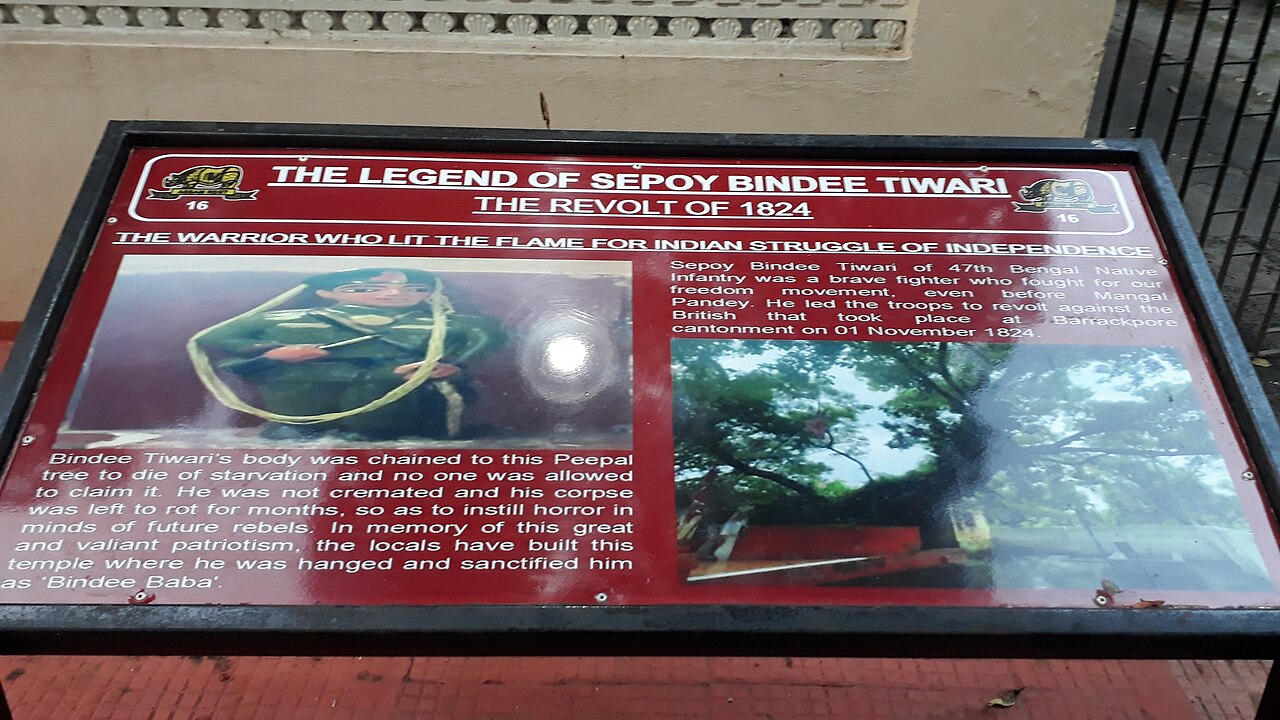
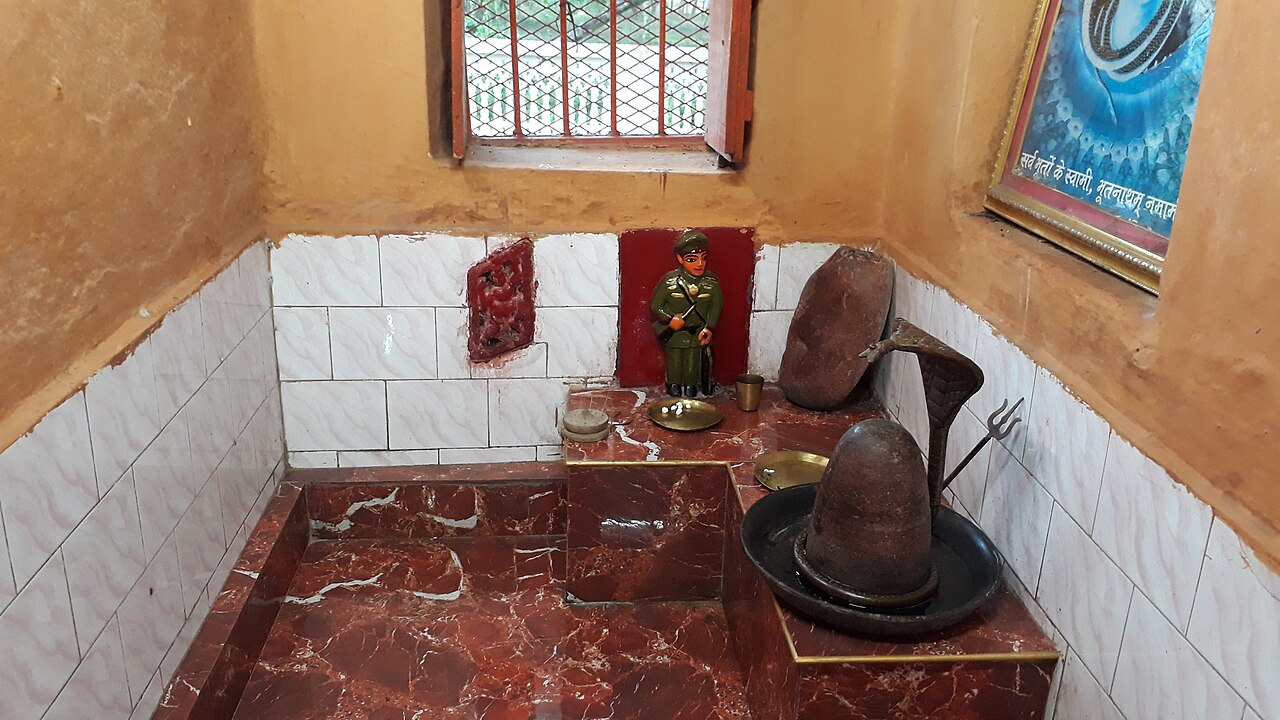
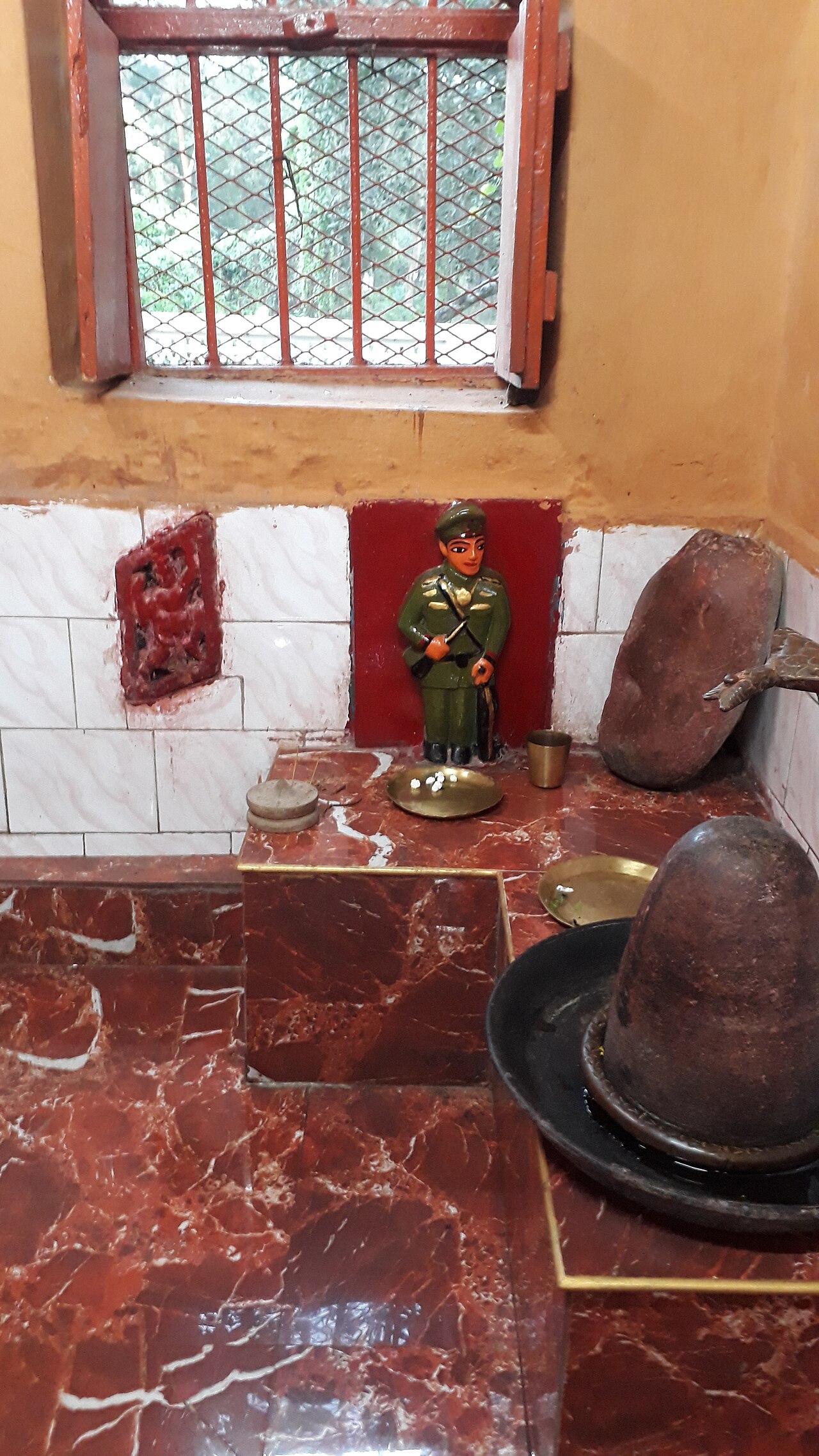
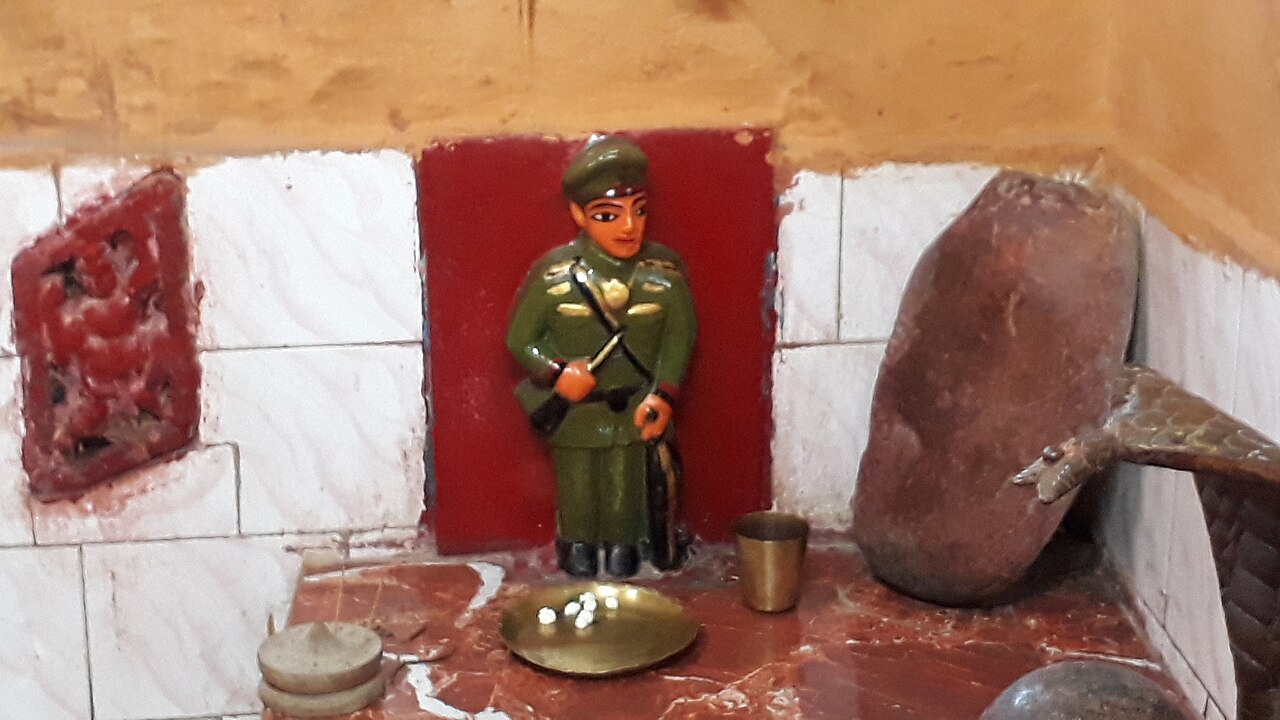
- Bindee Tiwari, the leader of the mutineers, was hanged in chains and his body left to rot for months in public display.
Roots of Resentment: Fatigue, Faith, and Failed Logistics
The Barrackpore mutiny of November 1824 did not erupt from a single grievance but from a convergence of exhaustion, cultural insensitivity, and logistical failure. In October of that year, the 26th, 47th, and 62nd Regiments of the Bengal Native Infantry were ordered to march another 500 miles from Barrackpore to Chittagong in preparation for the First Anglo-Burmese War, even though they had just completed a grueling 1,000-mile trek from Mathura. Morale was further undermined by rumours of supernatural Burmese martial prowess, stoked by the Burmese victory at Ramu. Compounding the physical strain, most of the soldiers were Hindus bound by the kala pani taboo, which forbade crossing ocean waters. Perhaps most acutely, the Company had failed to provide bullocks to pull the carts carrying each soldier's brass cooking utensils and bedding. The few animals available were overpriced, and the sepoys' requests for government-supplied transport or double batta were dismissed. Officers offered a 4,000-rupee advance, which the troops rejected because it still required them to pay baggage costs personally. A Muslim subedar major's threat to send them by sea if they kept complaining pushed the situation past the point of patience.
The Standoff and Its Violent End
On 1 November 1824, the 47th Native Infantry assembled for a parade at Barrackpore without their knapsacks and refused to march toward Chittagong until their grievances were addressed. General Dalzell, their commanding officer, could not restore order and rode to Calcutta to consult Commander-in-Chief General Sir Edward Paget. In the interim, dissent spread: twenty sepoys from the 26th Regiment and 160 from the 62nd joined the refractory troops, who under Bindee Tiwari's leadership maintained discipline on the parade ground through the night. A petition reached Paget explaining that the refusal stemmed from religious scruples, and the sepoys requested dismissal if their demands could not be met. Paget, a strict Royal Service officer, demanded they lay down arms before any discussion. When they did not comply, he summoned the 47th (Lancashire) and 1st (Royal) European regiments, the Governor-General's bodyguard, and horse artillery from Dum Dum. On the morning of 2 November, these forces surrounded the sepoy camp. A final ultimatum—reportedly allowing only ten minutes—was delivered. The sepoys hesitated or refused, and Paget ordered two cannons to fire. The bombardment, followed by infantry assault, killed roughly 180 sepoys and a number of civilian bystanders.
Punishment and Institutional Consequences
In the immediate aftermath, the Company meted out severe punishment to those identified as mutineers. A number were hanged, while others received sentences of long-term penal servitude. The 47th Regiment itself was disbanded entirely. Its Indian officers were dismissed from service, and its European officers were transferred to other regiments, effectively dissolving the unit's identity. The broader institutional response reflected the Company's determination to reassert absolute military authority over its native troops. Under the Governor-Generalship of William Amherst, 1st Earl Amherst, the East India Company was simultaneously engaged in the First Anglo-Burmese War, making the mutiny a deeply embarrassing disruption to a critical military campaign. The severity of the response—disbanding an entire regiment, executing soldiers, and imposing long periods of forced labour—sent an unambiguous message that collective refusal to march, even when rooted in genuine religious and material grievances, would be treated as an act of armed rebellion rather than a legitimate petition for redress. The fact that the mutiny had spread beyond the 47th Regiment to elements of the 26th and 62nd Regiments only underscored how widespread the underlying discontent had become across the Bengal Native Infantry.
Suppression, Censorship, and Parliamentary Scrutiny
Despite the scale of the violence—nearly 180 sepoy deaths and the loss of civilian lives—the Barrackpore mutiny was largely suppressed in both Indian and British media. Only limited information was released to the British public, and the incident received minimal press coverage. This quieting of the event was consistent with the East India Company's broader practice of controlling narratives around its military operations in India. Nevertheless, the suppression was not entirely successful. In the British Parliament, members raised pointed criticism of the Company government for its heavy-handedness in dealing with the sepoys' grievances. The parliamentary debate highlighted a tension at the heart of Company rule: the expectation that native soldiers would obey unconditionally versus the reality that those soldiers possessed cultural, religious, and material concerns which, when ignored, could escalate into open defiance. The mutiny occurred during the First Anglo-Burmese War under Governor-General William Amherst, a context in which the Company could least afford domestic military unrest. The combination of wartime urgency, the Company's desire to project unbroken authority, and the genuine hardship endured by the marching regiments made Barrackpore a case in which institutional self-interest and the lived experience of its soldiers collided violently.
Gallery
Frequently Asked Questions
What was the Barrackpore mutiny of 1824?
It was a November 1824 uprising in which native Indian sepoys in Barrackpore, Bengal, turned against their British commanding officers during the First Anglo-Burmese War. The revolt was swiftly crushed by force and then largely erased from public record through media censorship.
Which regiments took part in the Barrackpore mutiny?
The 47th, 26th, and 43rd Regiments of the Bengal Native Infantry were the primary units involved. Their sepoys had been on a long, exhausting march from Mathura when tensions finally erupted.
What caused the Barrackpore mutiny of 1824?
British officers' dismissive attitude toward Indian cultural practices, combined with negligent command and poor supply arrangements after the grueling march, bred deep resentment among the troops. The mutiny was essentially a collective outburst of that accumulated frustration.
How did the Barrackpore mutiny end and how many died?
British forces put down the rising through direct military action, killing roughly 180 sepoys. Both Indian and British press outlets then suppressed coverage of the event, keeping it out of public memory for a long time.
Why is the Barrackpore mutiny of 1824 considered significant in the history of anti-British rebellions?
It is frequently cited as one of the earliest sepoy uprisings driven specifically by cultural grievance and logistical neglect rather than a single battlefield order. Its deliberate censorship made it a quiet but formative precedent that foreshadowed the larger revolts against British rule in India.
More in Rebellions against the British Empire 1-24
Spotted an error? Know more?
Reader corrections go straight into our review queue. Suggest an edit · How this site is sourced