
1689 Boston revolt
Popular uprising overthrew Dominion of New England governor Edmund Andros.

Simon Bradstreet · Public domain
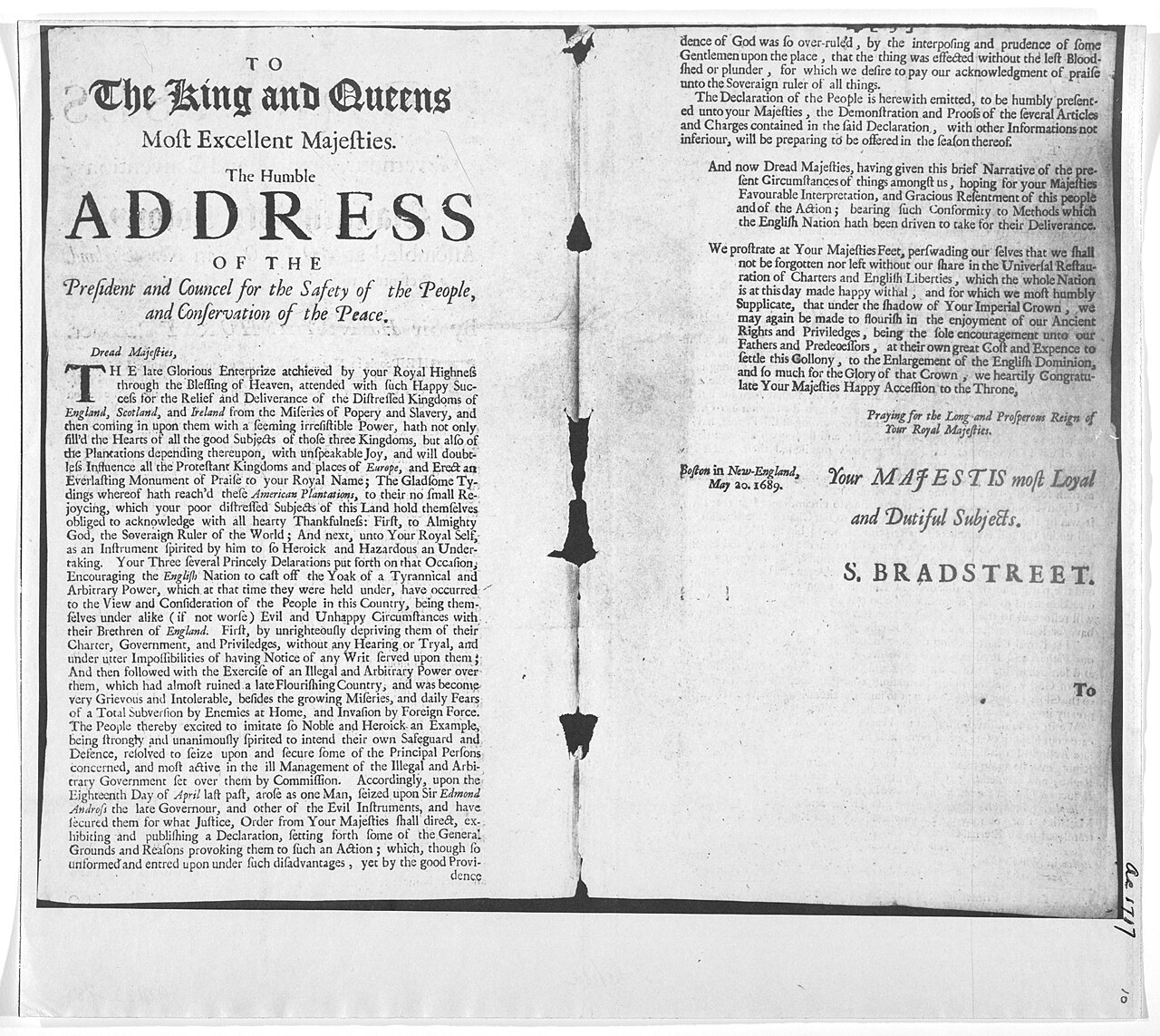
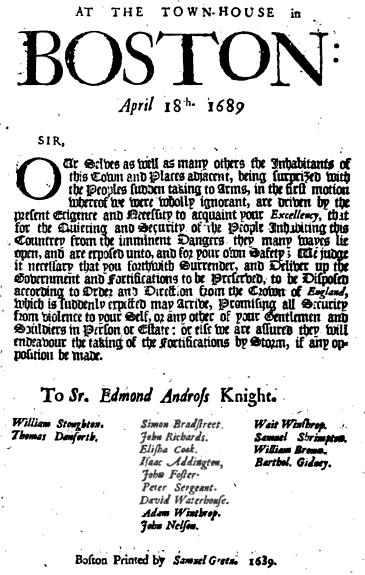
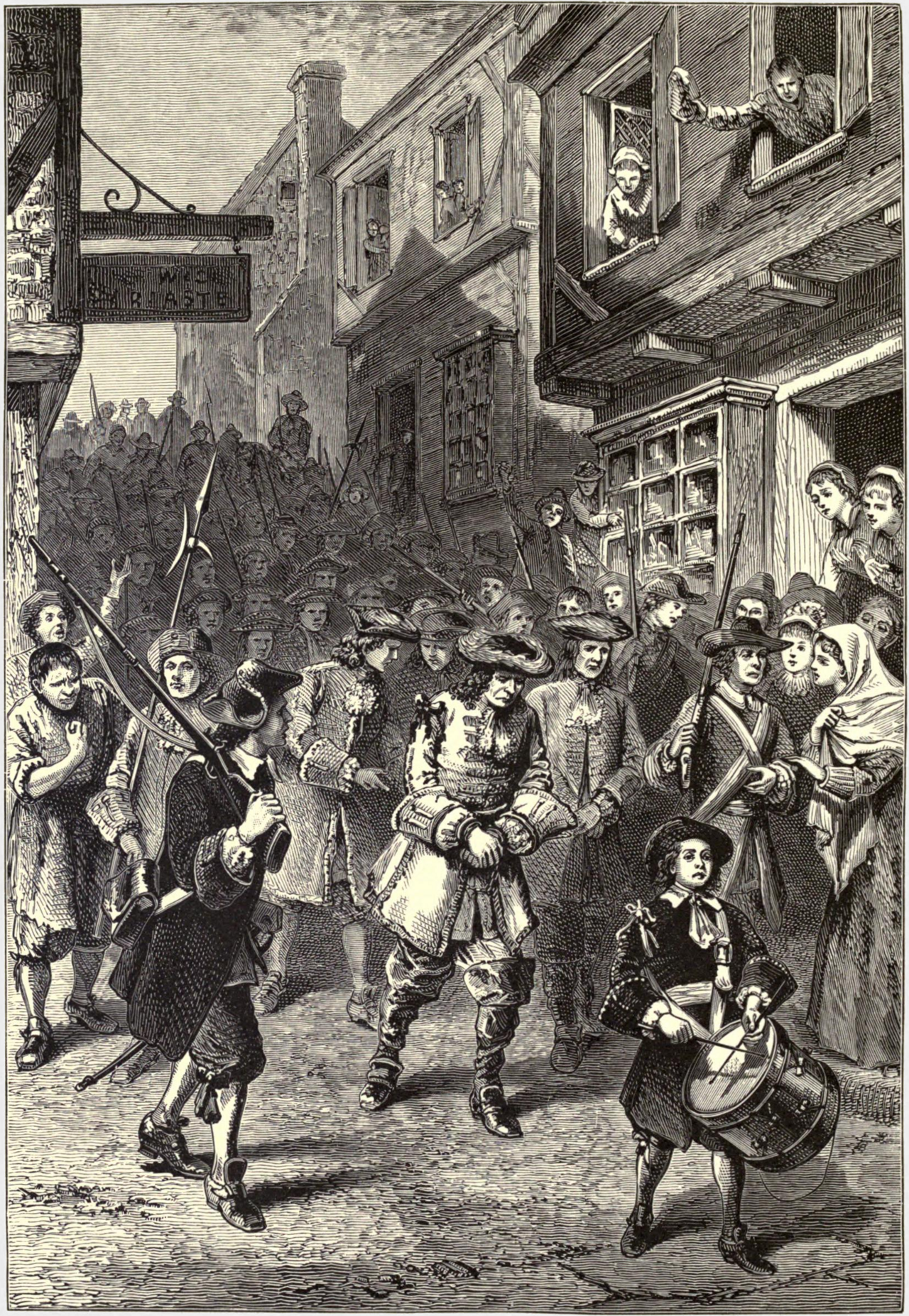
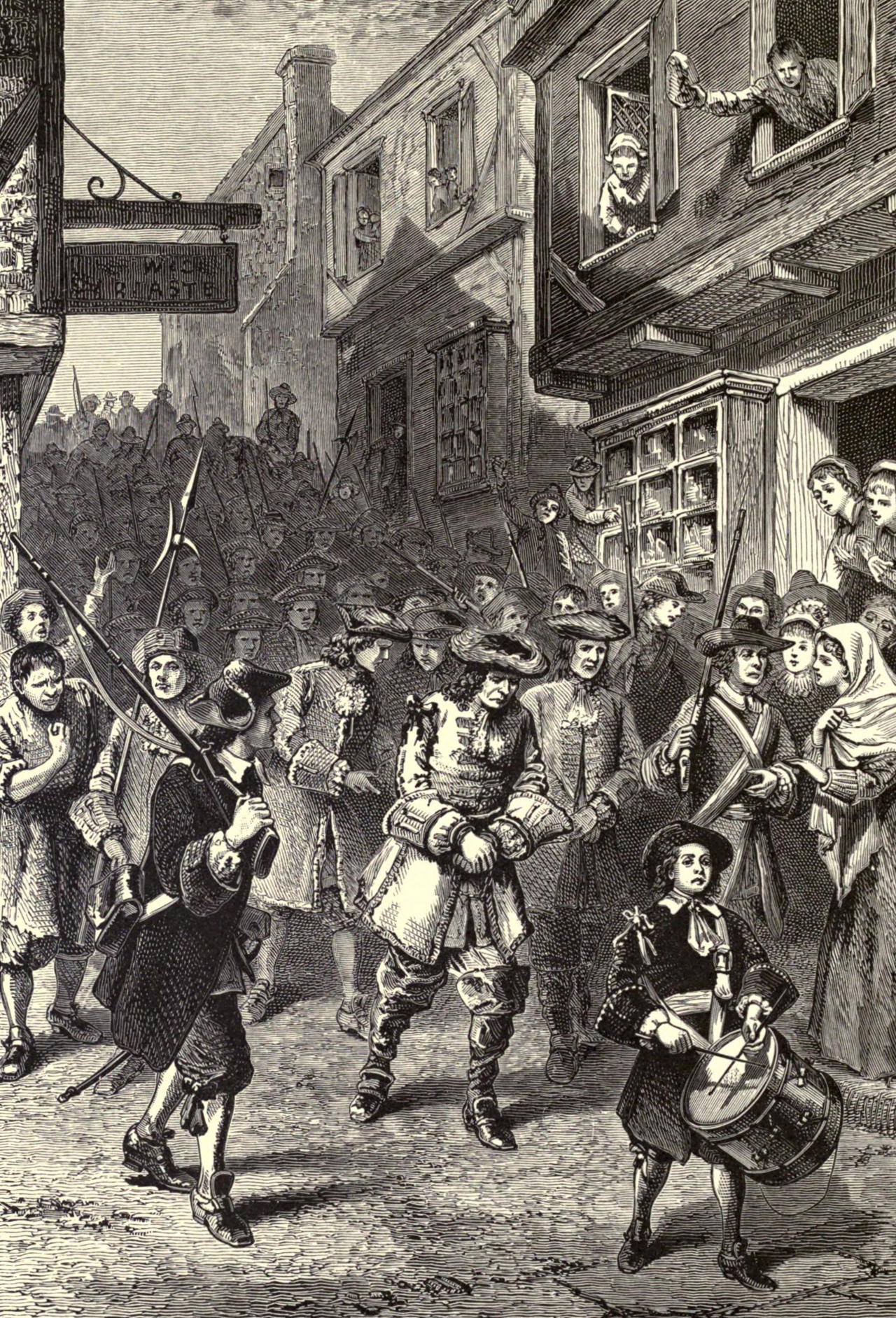
The 1689 Boston revolt was a popular uprising on April 18, 1689, against the rule of Sir Edmund Andros, the governor of the Dominion of New England. A well-organized 'mob' of provincial militia and citizens formed in Boston, the dominion's capital, and arrested dominion officials, as well as members of the Church of England believed to sympathize with the administration. No casualties were sustained. Leaders of the former Massachusetts Bay Colony then reclaimed control of the government, and in other colonies, displaced governments were returned to power.
Quick Facts
- Conflict
- 1689 Boston revolt
- Part Of
- the Glorious Revolution
- Date
- 1689-04-18
- Location
- Boston, Dominion of New England
- Result
- Dissolution of the Dominion of New England; ousting of officials loyal to James II's regime.
Facts from the source article.
Lore & Background
The revolt was sparked by Andros's unpopular enforcement of the Navigation Acts, denial of existing land titles, restriction of town meetings, appointment of regular officers to lead colonial militia, and promotion of the Church of England in Puritan regions. These actions, combined with rumors of a 'popish plot' and news of the Glorious Revolution in England, emboldened Bostonians to act. At about 5 a.m. on April 18, militia companies gathered at Charlestown and Roxbury, then converged on Boston, arresting dominion and regimental leaders. By 10 a.m., most officials were captured or had fled. An orange flag raised on Beacon Hill signaled 1,500 additional militiamen to enter the city.
Reader's Guide
The 1689 Boston revolt was a direct colonial response to the centralized, autocratic rule of the Dominion of New England under Sir Edmund Andros. It demonstrated the colonists' willingness to use force to resist perceived threats to their traditional rights, local governance, and religious practices. The revolt succeeded without bloodshed and led to the restoration of the Massachusetts Bay Colony's former leadership, as well as the return of displaced governments in other colonies. It also reflected the influence of the Glorious Revolution in England, which replaced King James II with William and Mary. The uprising highlighted the tensions between crown authority and colonial autonomy that would later contribute to the American Revolution. The revolt's organization by militia and religious leaders, particularly the Mathers, underscored the role of Puritan clergy in mobilizing political action.
Did You Know?
- Neither faction sustained casualties during the revolt.
- Andros had been commissioned governor of New England in 1686.
- Increase Mather sent an appreciation letter to King James regarding the Declaration of Indulgence to gain favor.
- The revolt occurred before official news of the Glorious Revolution reached Boston.
The Bloodless Uprising of April 18, 1689
On the morning of April 18, 1689, Boston witnessed a remarkably orderly popular uprising that ended Sir Edmund Andros's grip on the Dominion of New England. Rather than descending into chaos, the event involved a well-organized gathering of provincial militiamen and ordinary citizens who moved through the town's streets to seize dominion officials and place them under arrest. The action was not limited to political figures; members of the Church of England who were thought to have sympathized with Andros's administration were also taken into custody. What made the day notable was its complete absence of violence—neither the rebels nor the officials suffered a single casualty. In the aftermath, leaders from the old Massachusetts Bay Colony stepped forward to reclaim governmental authority, and the pattern repeated across other colonies where displaced local governments were restored to power. The speed, coordination, and bloodlessness of the event suggested months of quiet preparation rather than a spontaneous outburst of anger.
Andros's Policies and the Roots of Resentment
Sir Edmund Andros arrived in New England in 1686 as the appointed governor of a newly consolidated dominion, and his tenure quickly became a catalogue of grievances. He enforced the restrictive Navigation Acts, which threatened established trading practices that New Englanders depended on for their livelihoods. He declared existing Massachusetts land titles invalid, stripping settlers of the legal foundation for their property. Town meetings—long a cornerstone of local self-governance—were curtailed, and regular army officers, often Anglican or Roman Catholic, were installed to command colonial militia units, imposing harsh discipline that alienated the men under them. Perhaps most inflammatory to the Puritan majority was Andros's active promotion of the Church of England in regions where nonconformist worship had long been the norm. Royal troops stationed in Boston were frequently mistreated by their own officers, who were aligned with the governor. Together, these measures eroded every pillar of the self-governing, religiously independent society that New England colonists had built over generations.
The Glorious Revolution as Colonial Catalyst
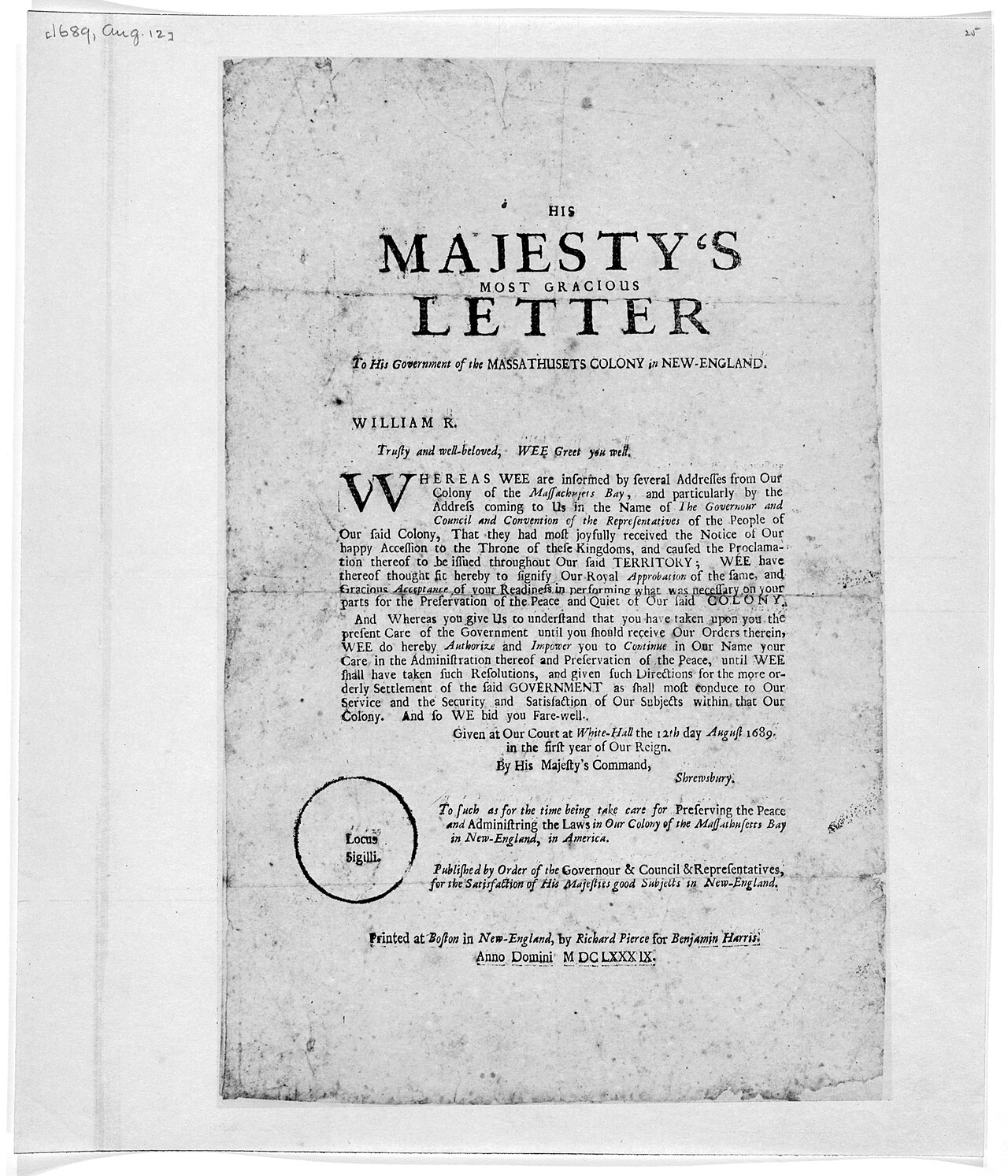
The Boston revolt did not occur in isolation; it was the colonial echo of a sweeping political transformation in England. King James II had alienated broad swaths of the political establishment through his attempts to relax the Penal Laws, his 1687 Declaration of Indulgence, his expansion of the standing army, and his placement of Catholics in key military posts. When his son was born in June 1688, Whigs and Tories—long political enemies—joined forces to invite William of Orange to invade. The nearly bloodless revolution of late 1688 installed William and Mary as co-rulers. In Boston, the news of the revolution arrived in early April 1689 via a proclamation, and Andros had the messenger arrested. Yet the shift in London's throne had already emboldened colonial dissenters. Massachusetts agents, including Increase Mather, petitioned the new monarchs and the Lords of Trade for restoration of the Massachusetts charter. Mather also convinced the Lords of Trade to delay informing Andros of the change in government, buying critical time for colonial leaders to organize. The revolution thus provided both the political legitimacy and the practical window of opportunity that made the April uprising possible.
The Mather Family and the Architecture of Dissent
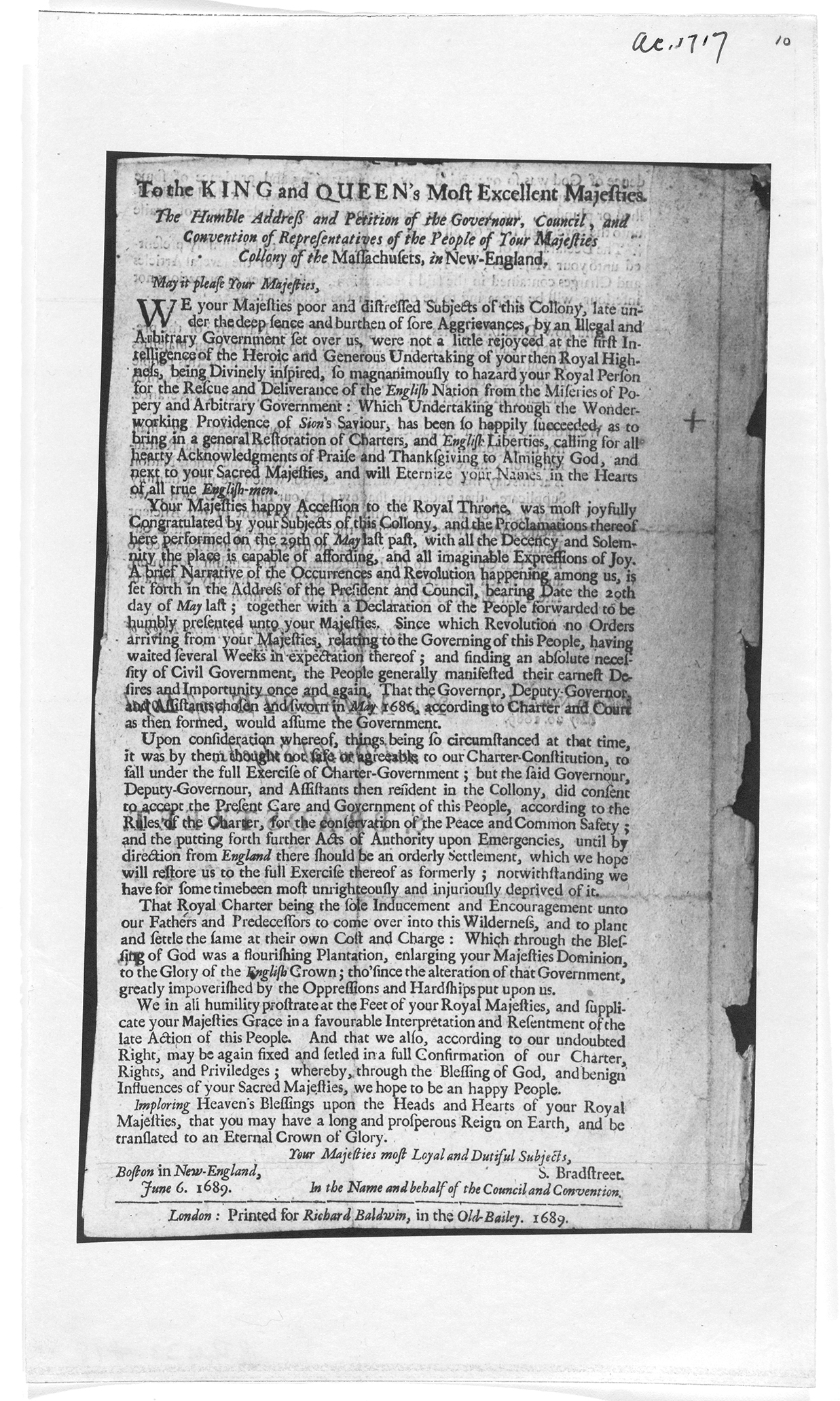
Long before militiamen marched through Boston's streets, the Mather family had been building a case against Andros's rule. Increase Mather, a leading Puritan minister, saw the king's Declaration of Indulgence as an opportunity to gain royal favor; he drafted a letter of appreciation and persuaded ten fellow Massachusetts pastors to express similar gratitude. Their collective petition led to Increase being dispatched to England to press the colony's grievances before the court. Dominion secretary Edward Randolph repeatedly tried to block his departure, even pressing criminal charges, but Mather slipped aboard a ship bound for England in April 1688. He was received by King James in October 1688, who promised the colony's concerns would be addressed. When the Glorious Revolution derailed that path, Mather pivoted, petitioning the new monarchs and the Lords of Trade. He had already sent a letter to former governor Simon Bradstreet urging magistrates to ready the populace for a political shift. His clandestine diplomacy and strategic timing were instrumental in turning popular frustration into coordinated political action.
Gallery
Frequently Asked Questions
What is the 1689 Boston revolt?
It was a coordinated popular uprising on April 18, 1689, in which Boston citizens and provincial militia rose up to overthrow Sir Edmund Andros, the royal governor of the Dominion of New England.
Who did the 1689 Boston revolt target?
The revolt focused on Andros himself, his appointed dominion officials, and members of the Church of England seen as sympathetic to his administration.
How did the 1689 Boston revolt end?
The organized group of militia and citizens arrested Andros and his officials in a single coordinated action, after which former Massachusetts Bay Colony leaders stepped back in to restore their government.
Why is the 1689 Boston revolt important?
It demonstrated that a single day of organized popular action could dismantle an entire imperial administrative structure, and it triggered the restoration of displaced colonial governments across the region.
Were there casualties in the 1689 Boston revolt?
No; the entire operation was carried out as a planned arrest with zero injuries or deaths, making it a notably bloodless seizure of power.
More in Rebellions against the British Empire 1-24
Spotted an error? Know more?
Reader corrections go straight into our review queue. Suggest an edit · How this site is sourced