
American Revolutionary War
Armed conflict that secured American independence from British rule.

EgorovaSvetlana · CC BY-SA 4.0
The American Revolutionary War (April 19, 1775 – September 3, 1783), also known as the Revolutionary War or American War of Independence, was the armed conflict that comprised the final eight years of the broader American Revolution. In this war, American Patriot forces organized as the Continental Army and, commanded by George Washington, defeated the British Army, leading to the establishment of the United States as an independent and sovereign nation.
Quick Facts
- Conflict
- American Revolutionary War
- Part Of
- the American Revolution, the Anglo-French War (1778–1783), the Anglo-Spanish War (1779–1783), and the Fourth Anglo-Dutch War
- Date
- April 19, 1775September 3, 1783 / (1775 · 04 · 19 · 1783 · 09 · 03) / Ratification effective: May 12, 1784
- Location
- Eastern North America, North Atlantic Ocean, the Caribbean and Europe
Facts from the source article.
Lore & Background
Tensions escalated after the British Empire gained dominance in North America following the Seven Years' War, particularly after the Stamp and Townshend Acts. The British Army occupied Boston, leading to the Boston Massacre on March 5, 1770. In mid-1774, the British Parliament imposed the Intolerable Acts, which led to the Battles of Lexington and Concord in April 1775, the first battles of the war. In June 1775, the Second Continental Congress created the Continental Army and appointed George Washington its commander-in-chief. In August 1775, King George III declared the colonies in rebellion, and in July 1776, the Congress adopted the Declaration of Independence.
Reader's Guide
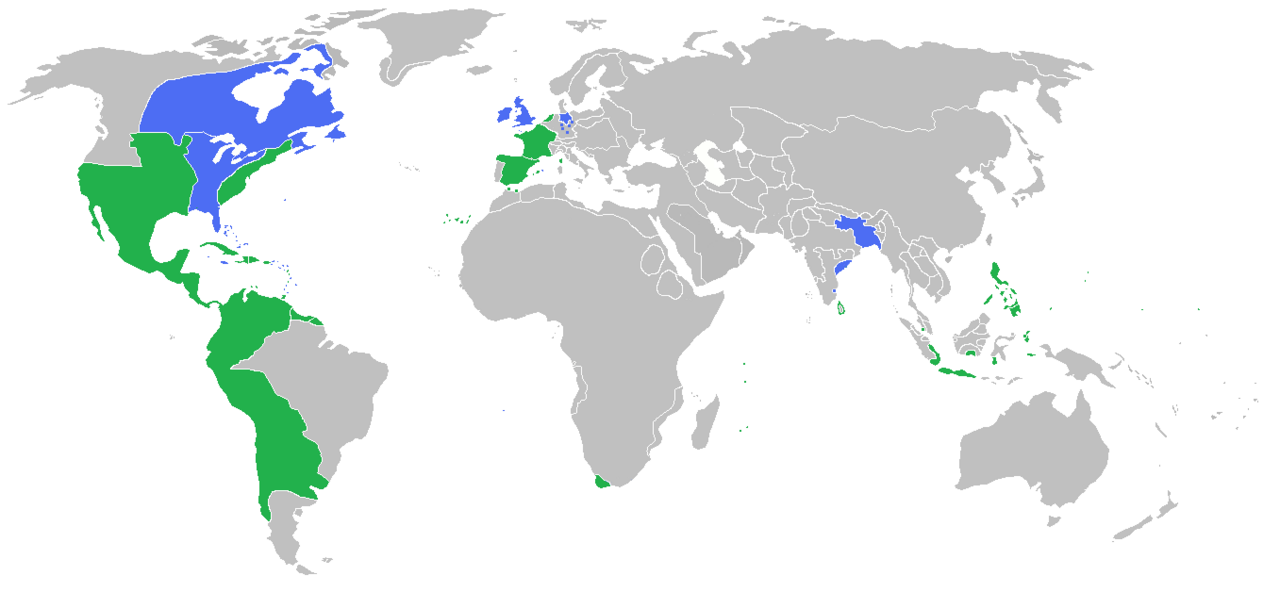
The American Revolutionary War was the decisive military phase of the broader American Revolution, lasting from 1775 to 1783. Its outcome was uncertain for most of the conflict, but the Continental Army under George Washington achieved a decisive victory at the Siege of Yorktown in 1781, forcing King George III to negotiate. The war was fought in North America, the Caribbean, and the Atlantic Ocean. The Treaty of Paris in 1783 formally recognized the independence of the Thirteen Colonies, establishing the United States as a sovereign nation. The war also reshaped global alliances: France and Spain allied against Britain, and the Treaties of Versailles forced Britain to cede territories including Tobago, Senegal, Menorca, and parts of Florida. The conflict's legacy includes the creation of a new republic and the end of British colonial rule over the Thirteen Colonies.
Did You Know?
- The Continental Army was created by the Second Continental Congress in June 1775.
- The French navy helped cut off British escape at the Siege of Yorktown in 1781.
- The Treaty of Paris was signed on September 3, 1783, ending the war.
The Strategic Pivot to the South
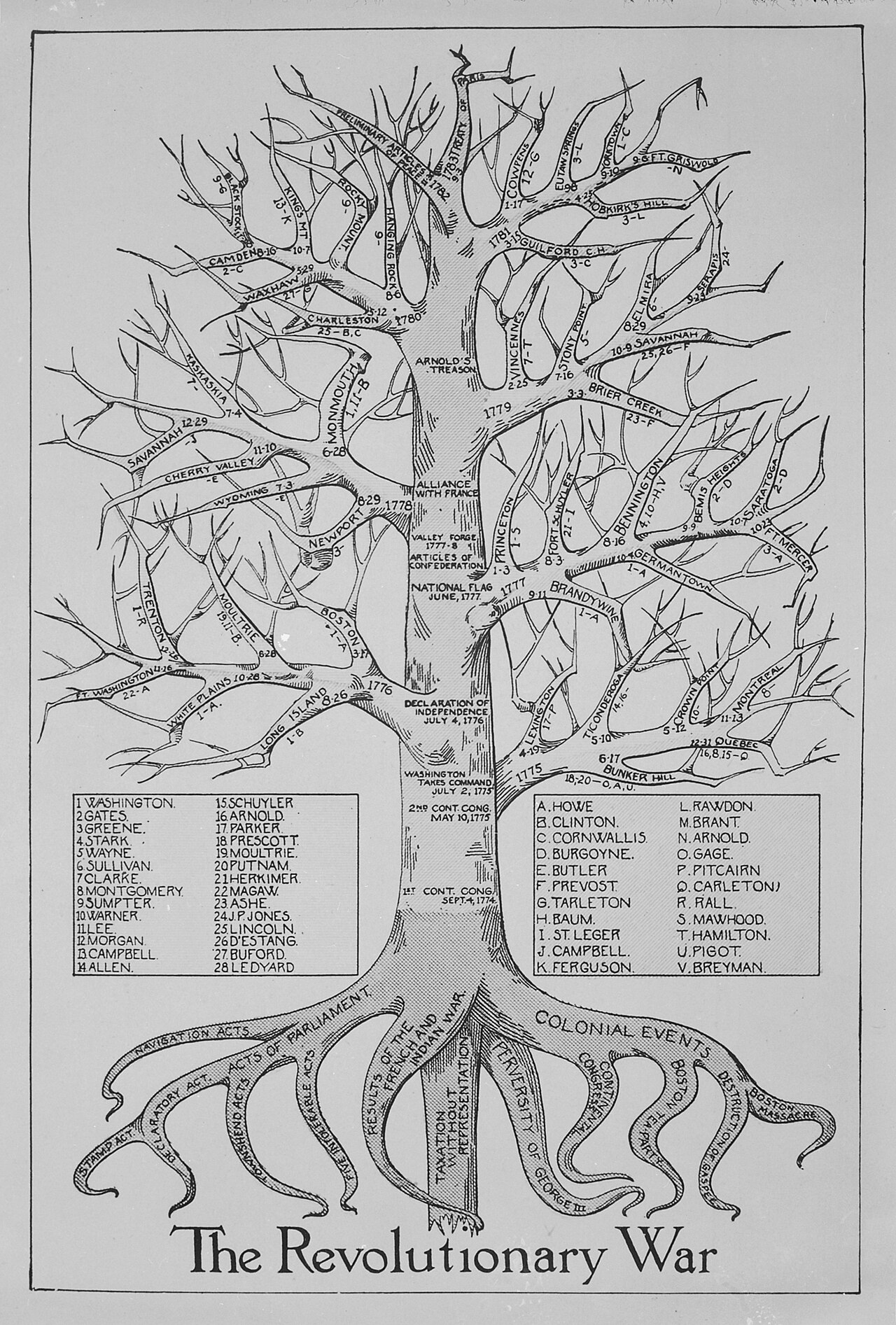
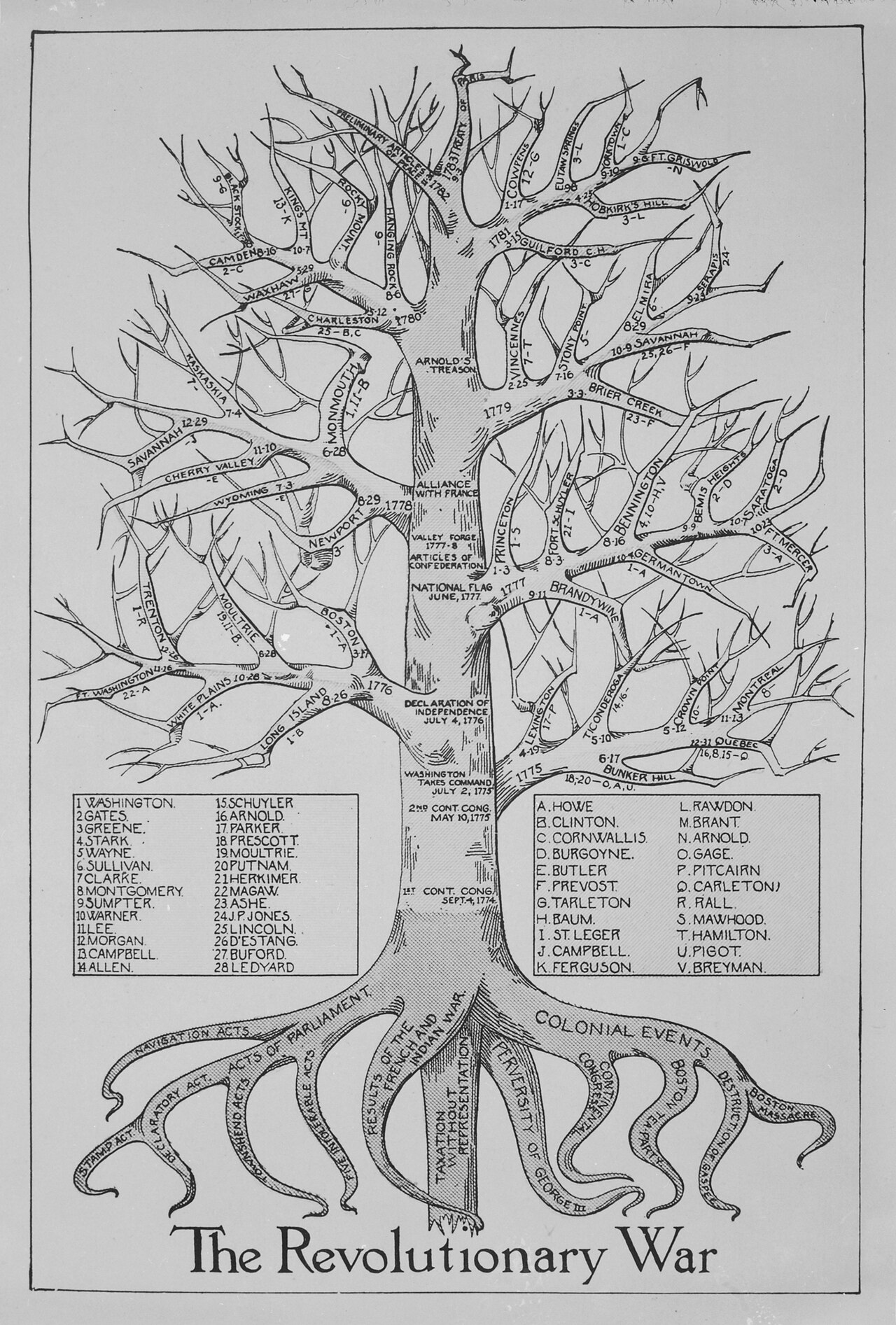
The opening phase of the Revolution, spanning 1775 through 1778, was dominated by confrontations in the northern and middle colonies—around Boston, New York, and Philadelphia. That era closed with a pivotal turning point: General John Burgoyne's surrender at Saratoga in October 1777, which persuaded France to formalize an alliance with the American cause in 1778. This single diplomatic act reshaped the entire conflict, elevating it from a colonial rebellion into a worldwide war. Faced with the prospect of fighting on multiple fronts, the British command largely withdrew its field armies from the northern theater. Their new priority became the Southern Colonies, where they hoped to exploit Loyalist sentiment and secure a decisive regional victory. Simultaneously, significant forces were redirected to protect the lucrative Caribbean sugar islands from French and Spanish naval threats. Before this pivot, the South had been a quieter front, with Patriot governments and militias holding most territory, though Continental troops had played supporting roles in defending Charleston in 1776, quelling Loyalist uprisings, and attempting to dislodge British garrisons from the strongly Loyalist province of East Florida.
The Southern Strategy and a Global War
Britain launched its Southern Strategy in the latter part of 1778, opening with the seizure of Savannah, Georgia. The momentum carried into 1780, when British forces struck deep into South Carolina, crushing the Continental Army under Horatio Gates at both Charleston and Camden. These early triumphs validated the British gamble on the region. Yet the same period saw the conflict expand dramatically beyond North America. France had entered the war in 1778, and Spain followed in 1779, both declaring against Great Britain in solidarity with the American cause. Spain's military effort proved decisive in the Gulf region, as it seized the entirety of British West Florida, a campaign that culminated in the 1781 siege of Pensacola. On the American mainland, France's contribution evolved over time. For the first few years after its entry, Paris provided primarily naval assistance. By 1781, however, the French commitment deepened substantially: large contingents of French soldiers joined General George Washington's army and marched south into Virginia from New York, fundamentally altering the balance of forces on the southern front.
Attrition, Guerrilla Tactics, and the Long War
After the devastating loss at Camden, Major General Nathanael Greene assumed command of the Continental Army in the South and adopted a fundamentally different approach. Rather than seeking a single decisive engagement, Greene pursued a strategy of avoidance and attrition, refusing to let the British dictate terms of battle. The result was a grinding series of engagements across the Carolinas in which the British Army technically won most encounters, yet paid an exorbitant price in casualties. The Continental Army, by contrast, remained largely intact and capable of continuing operations. The Battle of Guilford Courthouse stands as the sharpest illustration of this dynamic: a tactical British victory that left their ranks so depleted that the strategic cost was severe. Meanwhile, a handful of outright American triumphs—including the battles of Ramseur's Mill, Cowpens, and Kings Mountain—further eroded British military capacity. The southern theater thus became a landscape of both set-piece battles and guerrilla warfare, where the smaller, more mobile Patriot forces bled a larger but increasingly stretched enemy dry.
Yorktown and the Road to Peace
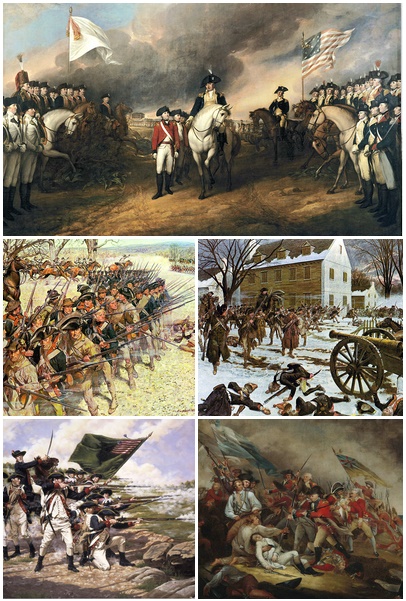
The southern campaign reached its decisive climax in the autumn of 1781 with the siege of Yorktown, Virginia. On October 19, British Lieutenant General Charles Cornwallis laid down his arms, an event that effectively marked the final major combat of the Revolutionary War. The surrender was made possible in part by the arrival of French forces in Virginia earlier that year, which had marched in from New York to join Washington's command, creating the combined force necessary to trap Cornwallis. In the weeks following Yorktown, negotiations between the United States and Great Britain commenced, ultimately producing the Treaty of Paris in 1783, which formally recognized American independence. The southern theater's arc—from the initial British landings in Georgia, through the brutal attritional warfare of the Carolinas, to the final capitulation at Yorktown—demonstrated how a strategy of sustained pressure and allied cooperation could overcome a numerically superior opponent and bring a global conflict to a close.
Gallery


Frequently Asked Questions
What is the American Revolutionary War?
It was the armed struggle between American Patriot forces and the British Army that made up the final military phase of the broader American Revolution. The conflict lasted from 1775 through 1783 and ended with a decisive Patriot victory.
Who commanded the American side in the Revolutionary War?
George Washington held supreme command of the Continental Army for the entire duration of the fighting. His strategic leadership was the linchpin that kept the Patriot cause together until the British military was finally defeated.
When did the American Revolutionary War start and finish?
Hostilities opened on April 19, 1775, and the war was formally brought to a close on September 3, 1783. In total, that amounts to roughly eight years of sustained armed conflict.
What was the primary outcome of the war?
The Patriot forces defeated the British Army, which directly produced the founding of the United States as a free, sovereign state. Britain was compelled to surrender its governing authority over the former thirteen colonies.
Why is the American Revolutionary War significant in the wider history of anti-British rebellions?
It proved that a colonized population could mount a successful military and political challenge to metropolitan imperial rule. That precedent went on to energize subsequent independence movements throughout the Atlantic world.
More in Rebellions against the British Empire 1-24
Spotted an error? Know more?
Reader corrections go straight into our review queue. Suggest an edit · How this site is sourced