
1931 Cyprus revolt
Greek Cypriot revolt for union with Greece, suppressed by British rule.

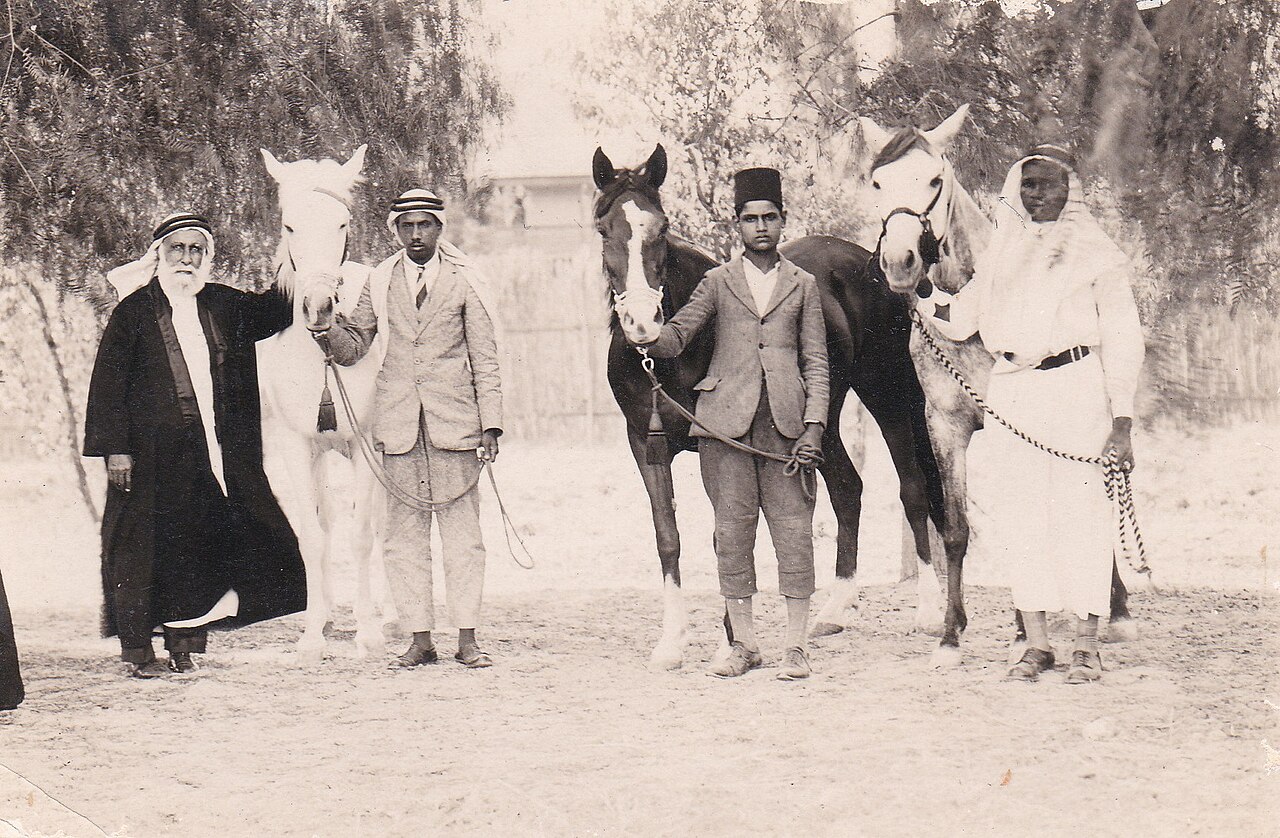
Anonymous. Taken during exile in Cyprus, between 1924 and 1929. · Public domain
The 1931 Cyprus revolt, also known as the October Events (Greek: Οκτωβριανά, Oktovriana), was a rebellion against British colonial rule that occurred in Cyprus. The main uprising erupted on 21 October 1931 with the burning of Government House, and the revolt was largely suppressed within a few days, though unrest continued into early November. The revolt was led by Greek Cypriots who sought Enosis, or union with Greece. Its suppression led to a period of autocratic British governance called Palmerocracy, which lasted until the start of World War II.
Quick Facts
- Date
- 21 October – 25 October 1931
- Location
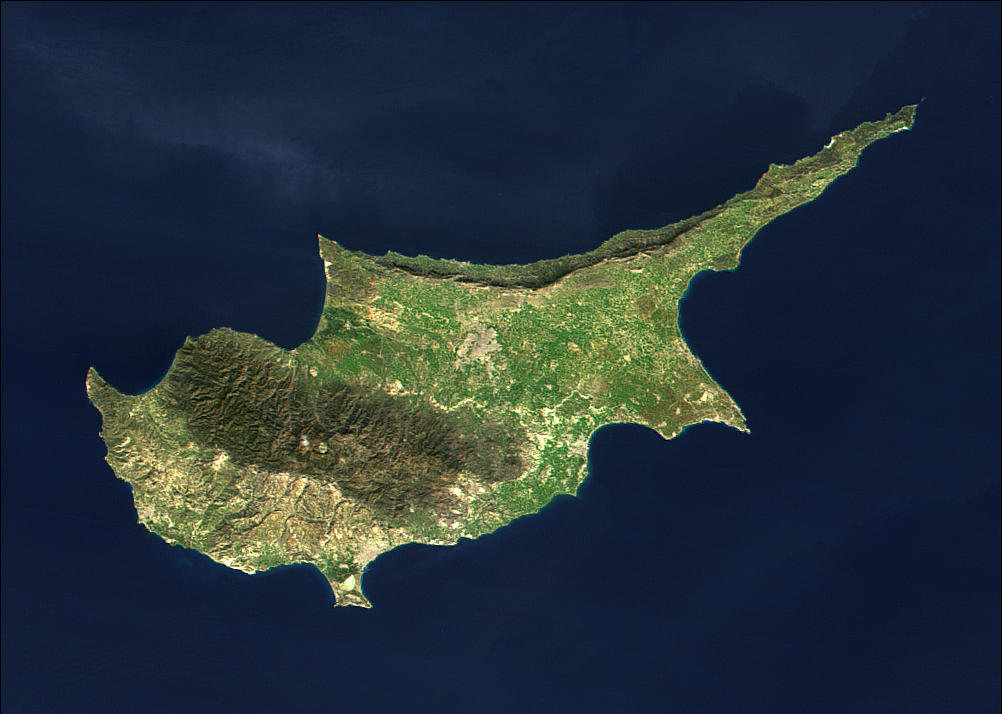
- Major cities and villages of Cyprus
- Methods
- Arson, demonstrations, rioting, vandalism
- Result
- Suppressed by the colonial police
Facts from the source article.
Lore & Background
The revolt was preceded by decades of tension. Cyprus, nominally Ottoman but administered by Britain since 1878, was annexed by Britain in 1914 after the Ottomans entered World War I. In 1915, Britain offered Cyprus to Greece in exchange for Greek intervention in the war, but Greece refused due to its internal National Schism. After the war, the 1923 Conference of Lausanne recognized British sovereignty; Greece, weakened by the Greco-Turkish War, did not contest this. Cyprus became a crown colony in 1925 under a constitution that already gave the British governor a casting vote and the power to legislate by decree. After the revolt, the 1925 constitution was suspended, not amended, and the British governor ruled by decree from 1931 onward, with no elected representation. The Megali Idea and Enosis ideologies continued to spread. Governor Ronald Storrs, appointed in 1926, was known for his philhellenism, but his appointment did not raise hopes for Enosis among Greek Cypriot nationalists; rather, British refusal to consider Enosis and Storrs' policies led to growing frustration.
Reader's Guide
The 1931 Cyprus revolt marked a significant escalation in the Greek Cypriot struggle for Enosis. The immediate trigger was Governor Storrs blocking a Legislative Council decision to halt tax hikes, leading Greek Cypriot MPs to resign. On 18 October 1931, Archbishop of Kition Nikodemos called for civil disobedience. On 21 October, a crowd of 5,000 besieged and set fire to Government House in Nicosia. British flags were torn down and replaced with Greek ones. Order was restored by early November. The British blamed Greek consul Alexis Kyrou, who had worked behind the scenes to unite opposition, disobeying orders from Athens. The revolt's aftermath was severe: the Legislative Council and municipal elections were abolished, pro-Enosis propaganda and foreign flags were banned, assemblies of more than five people were prohibited, and censorship intensified. This ushered in Palmerocracy, named after Governor Richmond Palmer, an autocratic period lasting until World War II. The revolt is considered the most intense rebellion Britain faced in the interwar period and is commemorated in Cypriot historiography as Oktovriana.
Did You Know?
- The revolt is known in Cypriot historiography as Oktovriana (October Events).
- Seven protesters were killed, thirty were injured, and ten were exiled for life.
- The British accused Greek consul Alexis Kyrou of instigating the revolt; he had acted against orders from Athens.
- Monuments commemorating the October Events were erected in Strovolos in November 2007 and in Pissouri in October 2016.
Colonial Tensions and the Enosis Aspiration
Cyprus occupied a peculiar legal position in the early twentieth century. Although nominally Ottoman, the island had been under British administration since the 1878 Cyprus Convention. When the Ottomans joined the Central Powers in 1914, Britain voided the convention and annexed the territory. In 1915, London even offered Cyprus to Athens as a quid pro quo for Greek entry into World War I, but a Greece paralyzed by the National Schism refused. The 1923 Lausanne Conference then locked in British sovereignty, and a Greece still reeling from its Greco-Turkish War defeat raised no objection. Cyprus became a crown colony, its Legislative Council tilted toward British officials. Yet the Megali Idea and the Enosis movement continued to spread among Greek Cypriots. The 1926 appointment of philhellene Ronald Storrs as governor briefly stoked nationalist hope, but the relationship soured quickly. Greek Cypriots boycotted the 1928 fiftieth-anniversary celebrations, the Education Act threatened Greek curricula, and the Church of Cyprus became a nationalist bastion. Colonial grievances deepened with a unilateral penal code permitting torture and perceived preferential treatment of Malta and Egypt. In 1929, Archbishop Nikodemos and Stavros Stavrinakis delivered an Enosis memorandum to London's Secretary of Colonies. The answer was, as always, no.
The Uprising in Nicosia
The immediate trigger came in September 1931, when Governor Storrs overrode a Legislative Council vote to block tax increases meant to cover a local budget shortfall. Greek Cypriot members of parliament responded by resigning. On 18 October, Archbishop Nikodemos of Kition called for civil disobedience until Enosis demands were met. Three days later, roughly five thousand Greek Cypriots—mostly students, clergy, and prominent citizens—filled the streets of Nicosia, chanting slogans demanding union with Greece. The crowd surrounded Government House and, after three hours of hurling stones, set the building ablaze. Police eventually dispersed the rioters. Across the island, British flags were torn from public buildings and replaced with Greek ones. By early November, order had been restored. The British authorities blamed Alexis Kyrou, the Greek general counsel in Nicosia, a nationalist of Cypriot descent who had been working behind the scenes to build a united opposition front against the colonial government, in direct defiance of instructions from Athens. The human toll was heavy: seven protesters lost their lives, thirty were wounded, ten received life sentences of exile, and 2,606 more faced punishments ranging from imprisonment to fines for seditious conduct.
The Architecture of Suppression
The defeat of the October uprising triggered a sweeping crackdown that dismantled Cypriot political life. Kyrou was dismissed from his post, and Storrs, whose career had already been dented, was transferred to the governorship of Northern Rhodesia. The colonial administration then stripped the island of its democratic institutions: the Legislative Council and municipal elections were abolished, and the appointment of village authorities and district judges was placed squarely under the governor's control. Propagating pro-Enosis ideas was criminalized, flying foreign flags was banned, and any assembly of more than five people was prohibited. These measures were explicitly aimed at suppressing the operations of the Orthodox Church and communist organizations such as AKEL. Censorship struck hard at the press, particularly newspapers linked to left-wing politics. The resulting period of autocratic rule became known as Palmerokratia, named after Governor Richmond Palmer, and persisted until the outbreak of World War II.
Legacy and Commemoration
The 1931 revolt occupies a singular place in both Cypriot and British colonial history. In Cypriot historiography, the episode is remembered by the evocative name Oktovriana—the October Events—a term that captures the collective memory of a people who briefly defied imperial authority. The revolt has been described as the most intense rebellion Britain confronted anywhere in its empire during the interwar period, a testament to the depth of nationalist feeling on the island. Yet the uprising also carried a bitter cost for the broader Greek cause. Kyrou's behind-the-scenes maneuvering, undertaken in defiance of Athens's instructions, inadvertently damaged Anglo-Hellenic relations and weakened the pro-Enosis movement at a critical juncture. The memory of those October days has been physically inscribed in the landscape: a monument commemorating the events was erected in Strovolos in November 2007, and another was unveiled in Pissouri in October 2016. These memorials serve as enduring reminders that, for a few turbulent weeks in 1931, the island's Greek Cypriot majority dared to challenge the crown that had ruled them for over half a century.
Gallery
Frequently Asked Questions
What is the 1931 Cyprus revolt?
The 1931 Cyprus revolt, also called the October Events or Oktovriana, was an uprising by Greek Cypriots against British colonial authority. It erupted on 21 October 1931 when protesters set fire to Government House and was largely quelled within a few days, though sporadic unrest lingered into early November.
Who took part in the 1931 Cyprus revolt?
The rebellion was driven by Greek Cypriots, including students, clergy, and prominent city figures, who rallied around the cause of Enosis—full political union with Greece. British colonial officials in the island's crown-colony administration were the primary target of their protest.
How did the 1931 Cyprus revolt end?
British forces suppressed the main uprising within days, but scattered clashes continued into early November. The crackdown left seven protesters dead, thirty wounded, ten exiled for life, and more than 2,600 people punished in some form.
Why is the 1931 Cyprus revolt important?
Its violent suppression triggered a period of harsh autocratic British administration known as the Palmerocracy, which lasted until the outbreak of World War II. It remains a defining episode in Cyprus's broader struggle for self-determination against imperial rule.
What was the central demand of the 1931 Cyprus revolt?
The core goal was Enosis, the political union of Cyprus with Greece, reflecting the Greek Cypriot community's desire to end British crown-colony status. The burning of Government House on 21 October 1931 became the symbolic flashpoint of that demand.
More in Rebellions against the British Empire 1-24
Spotted an error? Know more?
Reader corrections go straight into our review queue. Suggest an edit · How this site is sourced