
1936–1939 Arab revolt in Palestine
A Palestinian Arab uprising against British rule and Zionist immigration.

Unknown author · Public domain
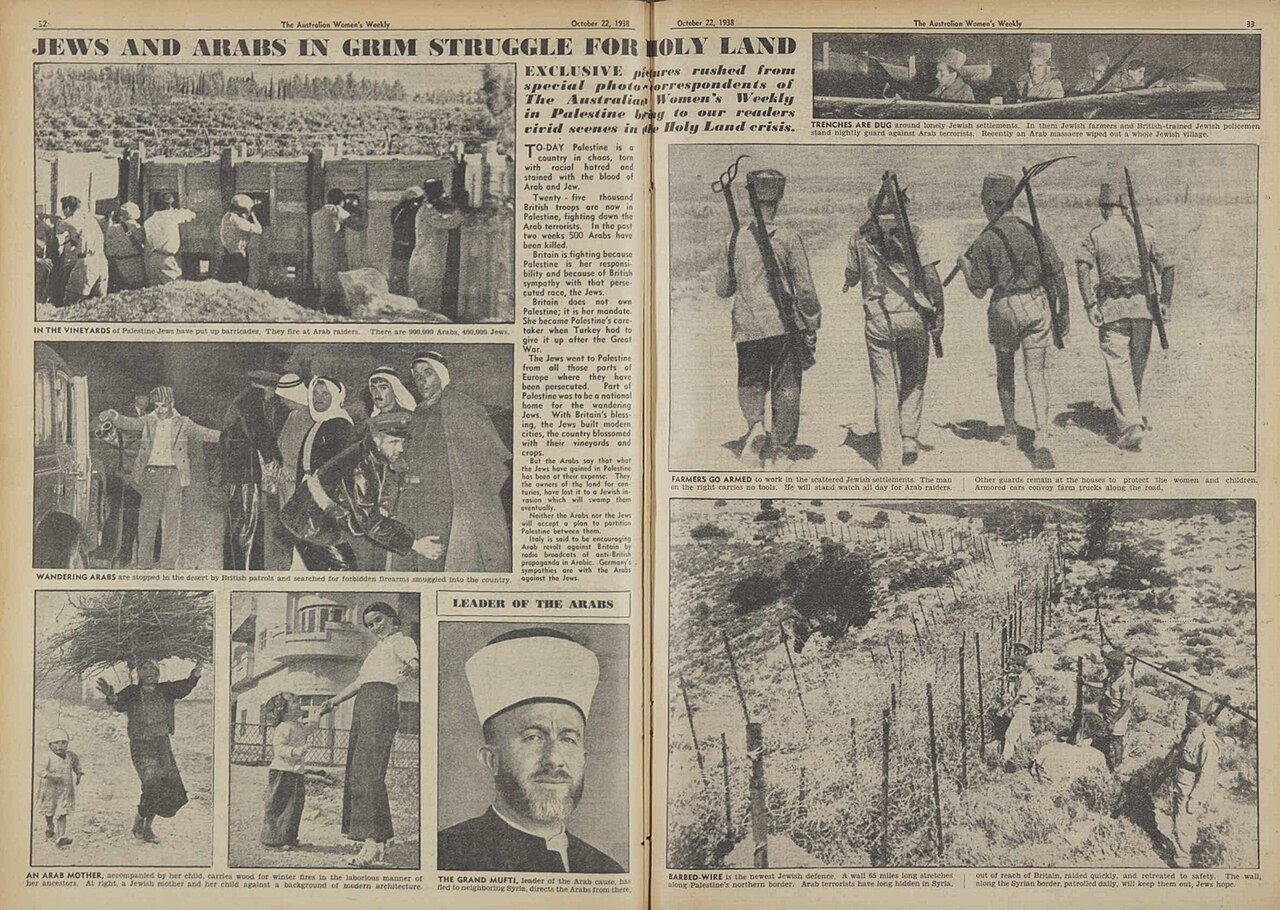
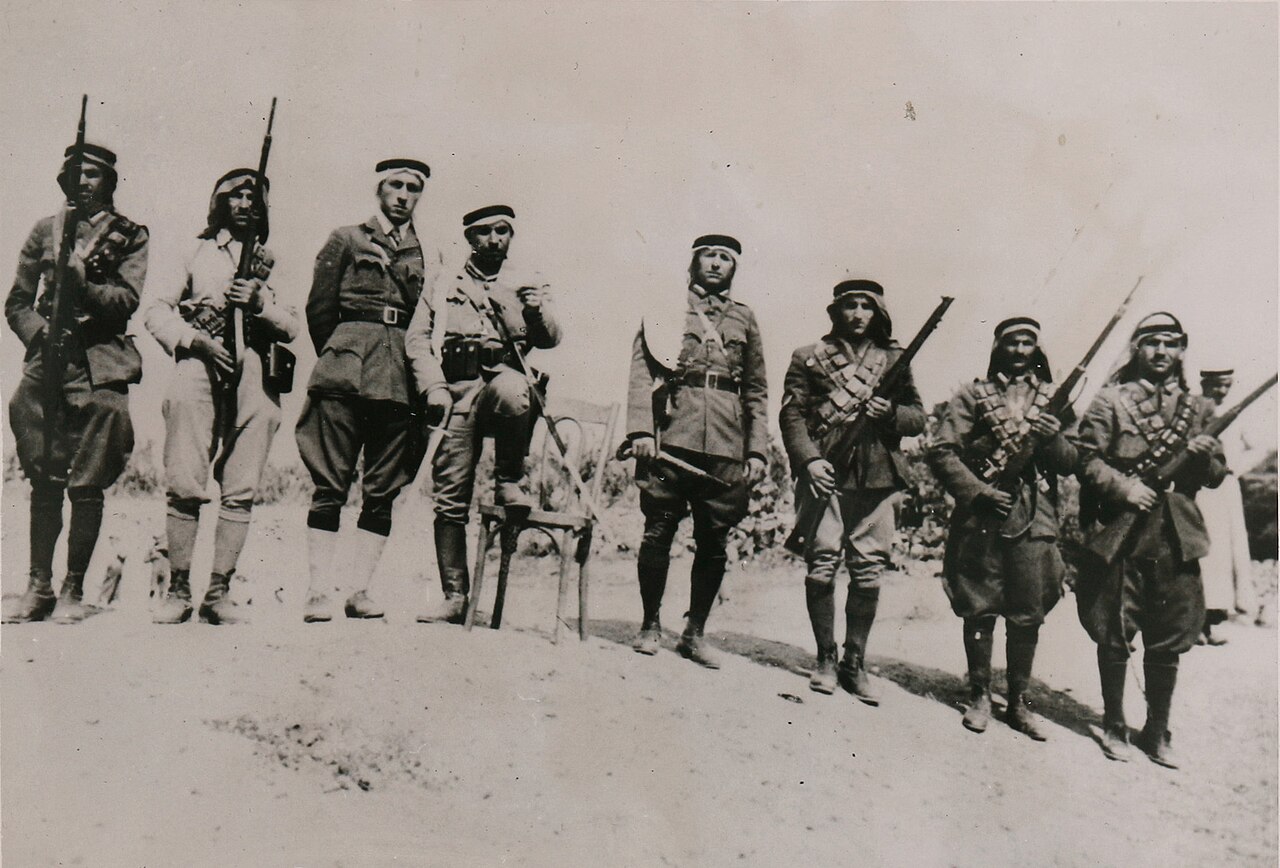
The 1936–1939 Arab revolt in Palestine, also known as the Great Revolt or the Palestinian Revolution, was a popular uprising by Palestinian Arabs against British administration in Mandatory Palestine. The movement sought independence from British colonial rule and an end to British support for Zionism, including Jewish immigration and land sales to Jews. The revolt is often analyzed in two phases: an initial phase of strikes and political protest, followed by a peasant-led resistance that was brutally suppressed by British forces.
Quick Facts
- Conflict
- 1936–1939 Arab revolt in Mandatory Palestine
- Part Of
- the intercommunal conflict in Mandatory Palestine, the decolonisation of Asia, and the precursor to the Israeli–Palestinian conflict
- Location
- Mandatory Palestine
- Result
- Revolt suppressed / Issuance of the White Paper of 1939
Facts from the source article.
Lore & Background
The revolt was sparked by the murder of two Jews by a Qassamite band and the retaliatory killing of two Arab laborers, triggering a cycle of violence. A month into the disturbances, Amin al-Husseini, president of the Arab Higher Committee and Mufti of Jerusalem, declared 16 May 1936 as 'Palestine Day' and called for a general strike, which lasted from April to October 1936. The first phase was defeated by the British using political concessions, international diplomacy, and the threat of martial law. The second phase, beginning late in 1937, targeted British forces and was brutally suppressed, with the Nashashibi clan's 'Peace Bands' siding with the British against nationalist and Jihadist Arab units.
Reader's Guide
The Arab revolt in Mandatory Palestine was unsuccessful, but its consequences affected the outcome of the 1948 Palestine war. It caused the British Mandate to give crucial support to pre-state Zionist militias like the Haganah, while on the Palestinian Arab side, the revolt forced the main leader, al-Husseini, into exile. Economic factors played a major role: the fellahin (peasant farmers) were pushed off land due to high taxes, falling prices, cheap imports, and land transfers to Jewish agencies, creating a class of landless, impoverished migrants who became willing participants in the rebellion. Jewish immigration peaked in 1935, with over 164,000 immigrants arriving between 1933 and 1936, doubling the Jewish population to 370,000 and worsening Arab-Jewish relations.
Did You Know?
- The revolt is often analyzed in two distinct phases: the first focused on strikes and political protest, the second on peasant-led resistance.
- By one estimate, ten percent of the adult male Palestinian Arab population between 20 and 60 was killed, wounded, imprisoned, or exiled.
- The Nashashibi clan's NDP party withdrew from the rebel Arab Higher Committee and dispatched 'Peace Bands' in coordination with the British Army.
- The general strike lasted from April to October 1936.
Economic Desperation and the Landless Masses
World War I left the Palestinian countryside in deep poverty, and the following decades only deepened that crisis. Mandate authorities imposed heavy taxes on agricultural output while falling commodity prices, cheap imports, natural disasters, and poor harvests drove the fellahin—the peasant farmers making up over two-thirds of the indigenous Arab population—into mounting debt. Tenant rents climbed sharply as population density rose, and the steady transfer of land to Jewish settlement agencies stripped thousands of both their livelihood and any future prospect of sustenance. By 1931 the disparity was stark: 106,400 dunums of prime Category A farmland in Arab hands sustained 590,000 people, while a comparable 102,000 dunums in Jewish hands supported only 50,000. Displaced farmers crowded into shanty towns in Jaffa and Haifa, facing further marginalization. The Shaw Commission in 1930 had already flagged an 'embittered landless people' as a factor behind the 1929 disturbances, and High Commissioner Wauchope warned this social peril could erupt into serious disorder. Government attempts to restrict land sales to Jews were easily circumvented, and Zionist investment was directed exclusively toward Yishuv expansion, leaving the broader Palestinian public without development or healthcare.
Two Phases of Defiance
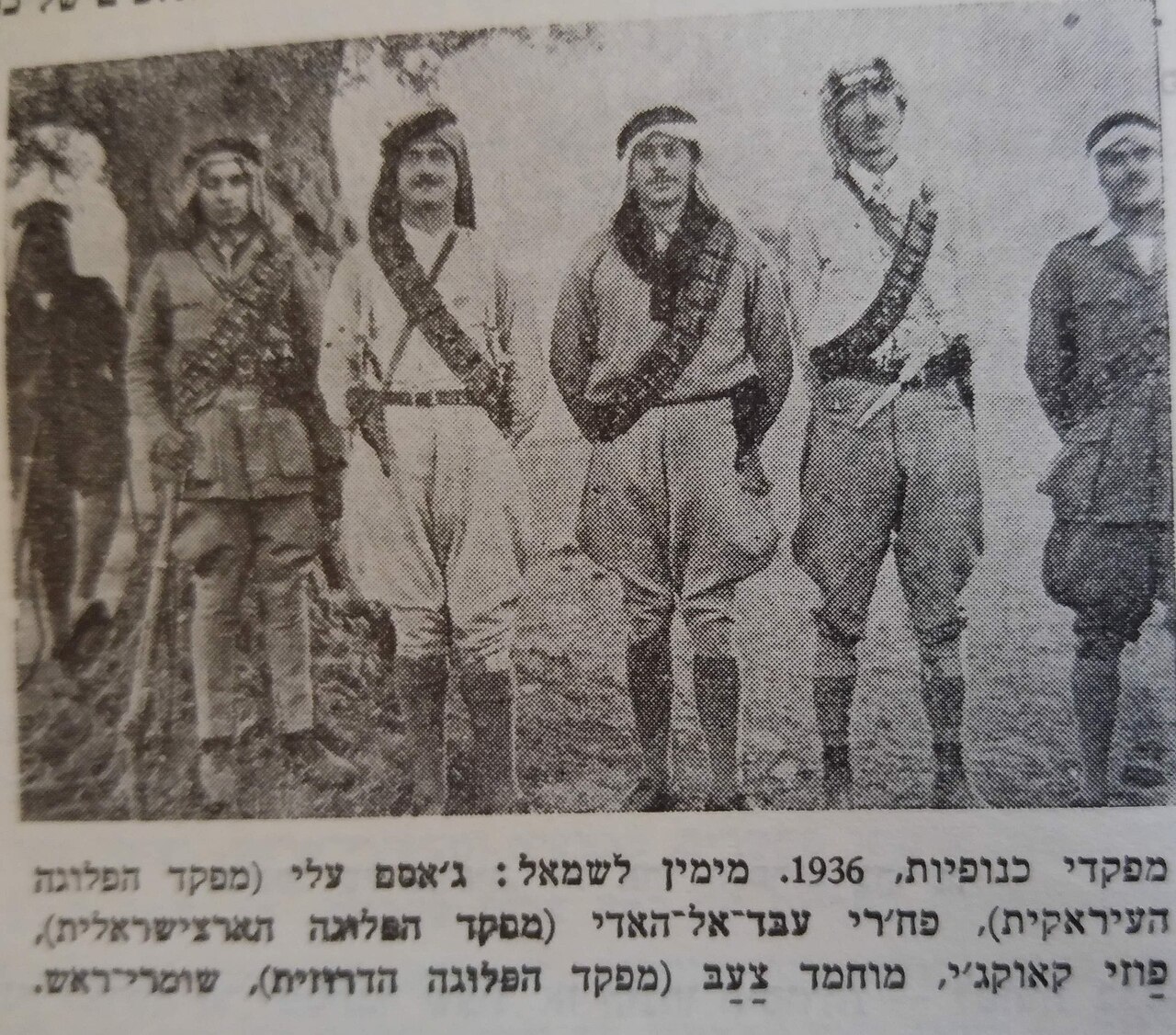
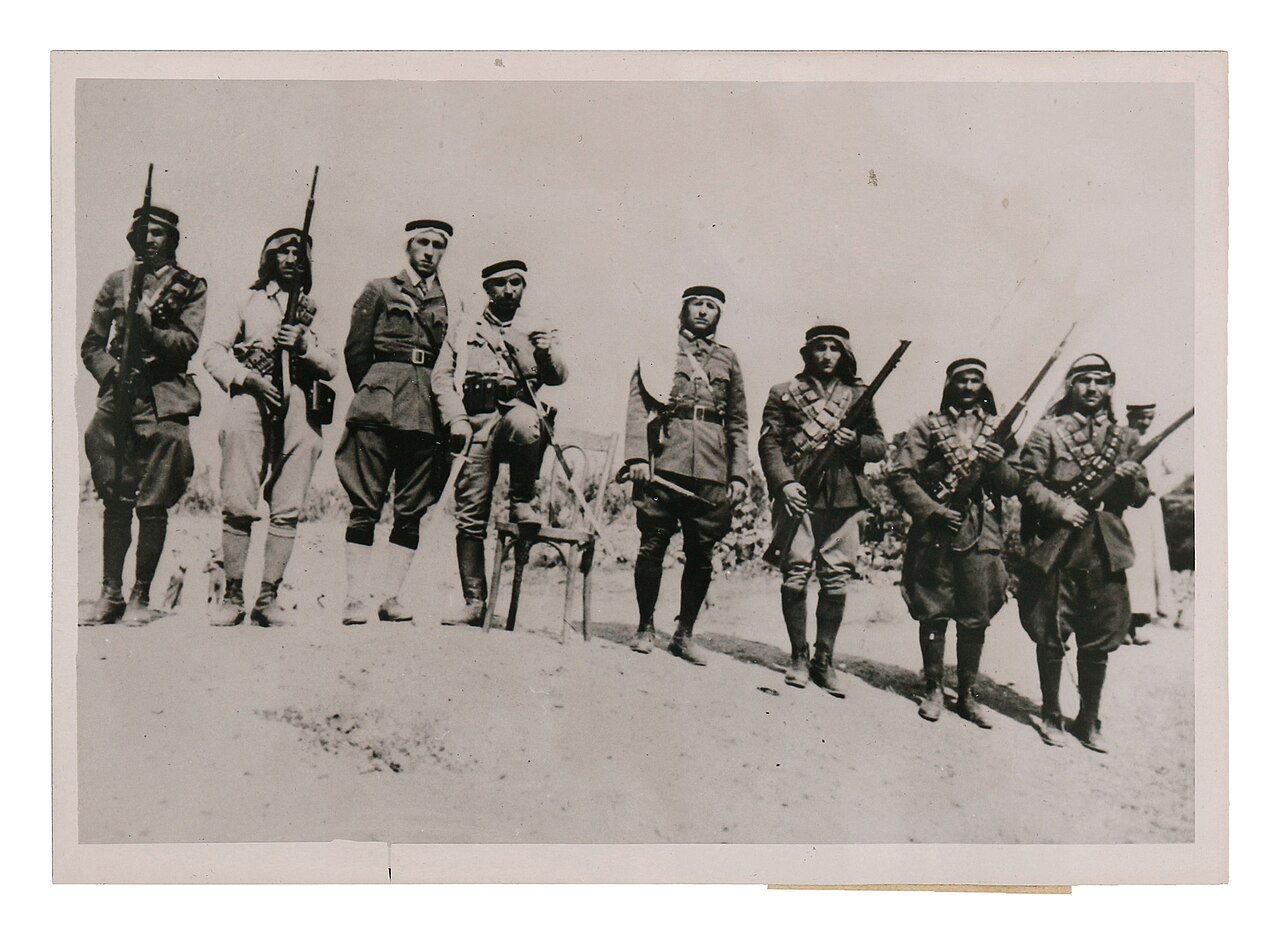
The revolt unfolded in two markedly different stages. The first, from April to October 1936, began as spontaneous popular resistance that was quickly shaped by the urban bourgeois Arab Higher Committee under Amin al-Husseini, president of the committee and Mufti of Jerusalem. A month into the disturbances, al-Husseini declared 16 May 1936 'Palestine Day' and called a general strike lasting until October. This phase centered on strikes and political protest aimed at securing a political result. By October, the British civil administration neutralized it through a mix of political concessions, diplomatic engagement with the rulers of Iraq, Saudi Arabia, Transjordan, and Yemen, and the looming threat of martial law. The second phase, beginning in late 1937, was a peasant-led guerrilla resistance provoked by British repression. British forces increasingly targeted villages suspected of supporting the revolt, and the rebels in turn focused their attacks on the army. The Nashashibi clan and their NDP party broke from al-Husseini's radical faction, siding with the British and dispatching 'Peace Bands' in coordination with the army against nationalist and jihadist rebel units. The British Army and Palestine Police Force crushed the rebellion with repressive measures designed to terrorize the broader population and erode popular backing.
A Devastating Human Toll
The human cost of the revolt was staggering on both sides. British official tallies for the full conflict record over 2,000 Arabs killed in combat, 108 executed by hanging, and 961 deaths attributed to what the authorities labeled 'gang and terrorist activities.' Palestinian scholar Walid Khalidi's reading of the British data puts total Arab losses at 19,792: 5,032 fatalities (3,832 at British hands, 1,200 from intracommunal violence) and 14,760 wounded. One estimate holds that a full tenth of the adult male Palestinian Arab population aged 20 to 60 was killed, wounded, imprisoned, or driven into exile. On the Jewish side, estimates of Palestinian Jews killed reach several hundred. The trigger for the wider violence was the killing of two Jews by a Qassamite band, followed by the retaliatory shooting of two Arab labourers by Jewish gunmen—an exchange that set off a wave of violence across the country. Since the 1920 Battle of Tel Hai, the two communities had been caught in an escalating pattern of attack and retaliation, and the 1936–1939 uprising represented the most intense and costly chapter in that long-running confrontation.
Consequences and the Road to 1948
The revolt was ultimately unsuccessful in achieving its goals of ending British colonial rule and halting British backing for Zionist immigration and land purchases. Yet its consequences profoundly shaped the trajectory of the next decade. Having fought the rebellion, the Mandate authorities extended crucial backing to pre-state Zionist militias, most notably the Haganah, strengthening the military capacity of the Yishuv at a critical juncture. On the Palestinian Arab side, the uprising drove Amin al-Husseini—the period's preeminent Palestinian leader—into exile, fracturing Palestinian political leadership at precisely the moment it was most needed. David Ben-Gurion, the Yishuv's leader, had characterized the Arab motivations as anxiety over rising Jewish economic strength, resistance to large-scale Jewish immigration, and alarm at the British alignment with Zionism—grievances that the revolt's failure did nothing to resolve. The economic conditions that had fueled the uprising, including the landlessness of the fellahin and the marginalization of displaced farmers in urban shanty towns, remained unaddressed. The revolt's legacy thus set the stage for the 1948 Palestine war, in which the military imbalance created by British support for Zionist forces and the political disarray on the Arab side would prove decisive.
Gallery
Frequently Asked Questions
What was the 1936–1939 Arab revolt in Palestine?
It was a mass uprising by Palestinian Arabs who rose against British colonial governance in Mandatory Palestine, demanding self-determination and a halt to British-backed Jewish immigration and land purchases. The event is also widely referred to as the Great Revolt or the Palestinian Revolution.
Who were the key participants in the 1936–1939 Arab revolt?
Palestinian Arab communities drove the uprising, while the British Army and the Palestine Police Force carried out the military response. Zionist paramilitary groups also operated on the ground during the three-year conflict.
How did the 1936–1939 Arab revolt progress over time?
The conflict opened with widespread general strikes and political demonstrations, then evolved into a grassroots armed resistance led largely by rural communities. British military forces ultimately crushed the uprising, bringing the revolt to a close in 1939.
What was the human cost of the 1936–1939 Arab revolt?
British authorities recorded more than 2,000 combat deaths, 108 hangings, and 961 additional deaths they attributed to 'gang and terrorist activities.' A later estimate by Khalidi puts the total Arab toll at 5,032, broken down into 3,832 killed by British forces and 1,200 lost in internal communal violence.
Why does the 1936–1939 Arab revolt matter in the broader story of anti-British rebellions?
It represents one of the most significant popular challenges to British imperial authority in the Middle East, directly confronting both the Mandate framework and London's pro-Zionist policies. The violent suppression and the political consequences that followed shaped the Palestine question for generations.
More in Rebellions against the British Empire 1-24
Spotted an error? Know more?
Reader corrections go straight into our review queue. Suggest an edit · How this site is sourced