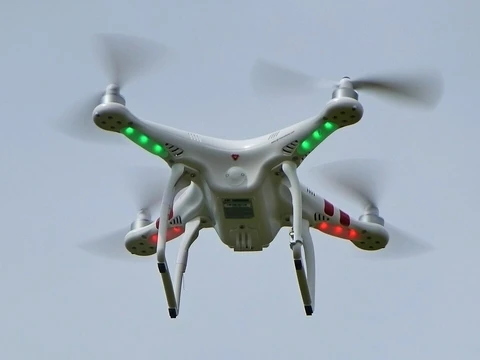
DJI Spark
Compact quadcopter with gesture control and obstacle avoidance.

Adobe Inc. · Public domain
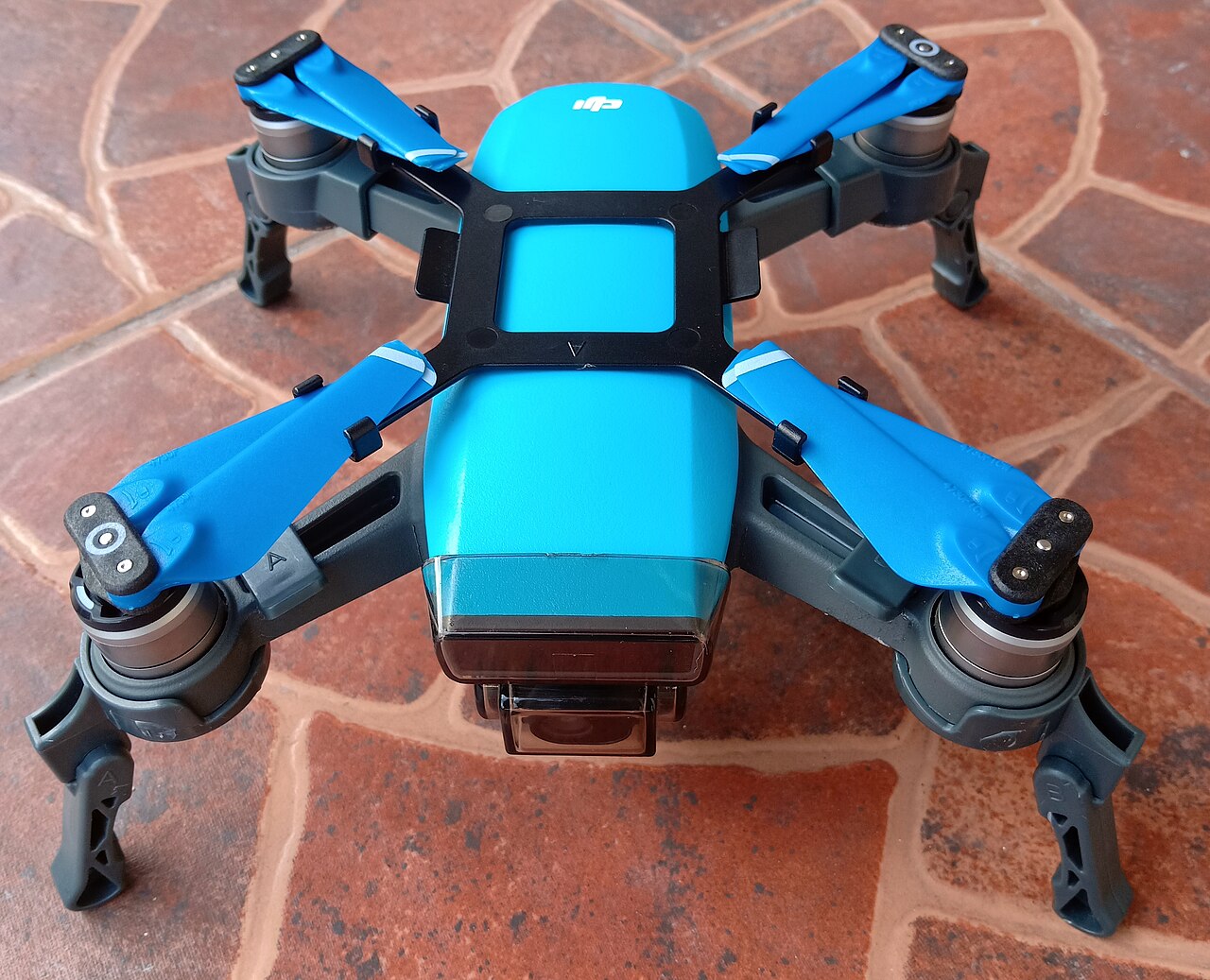
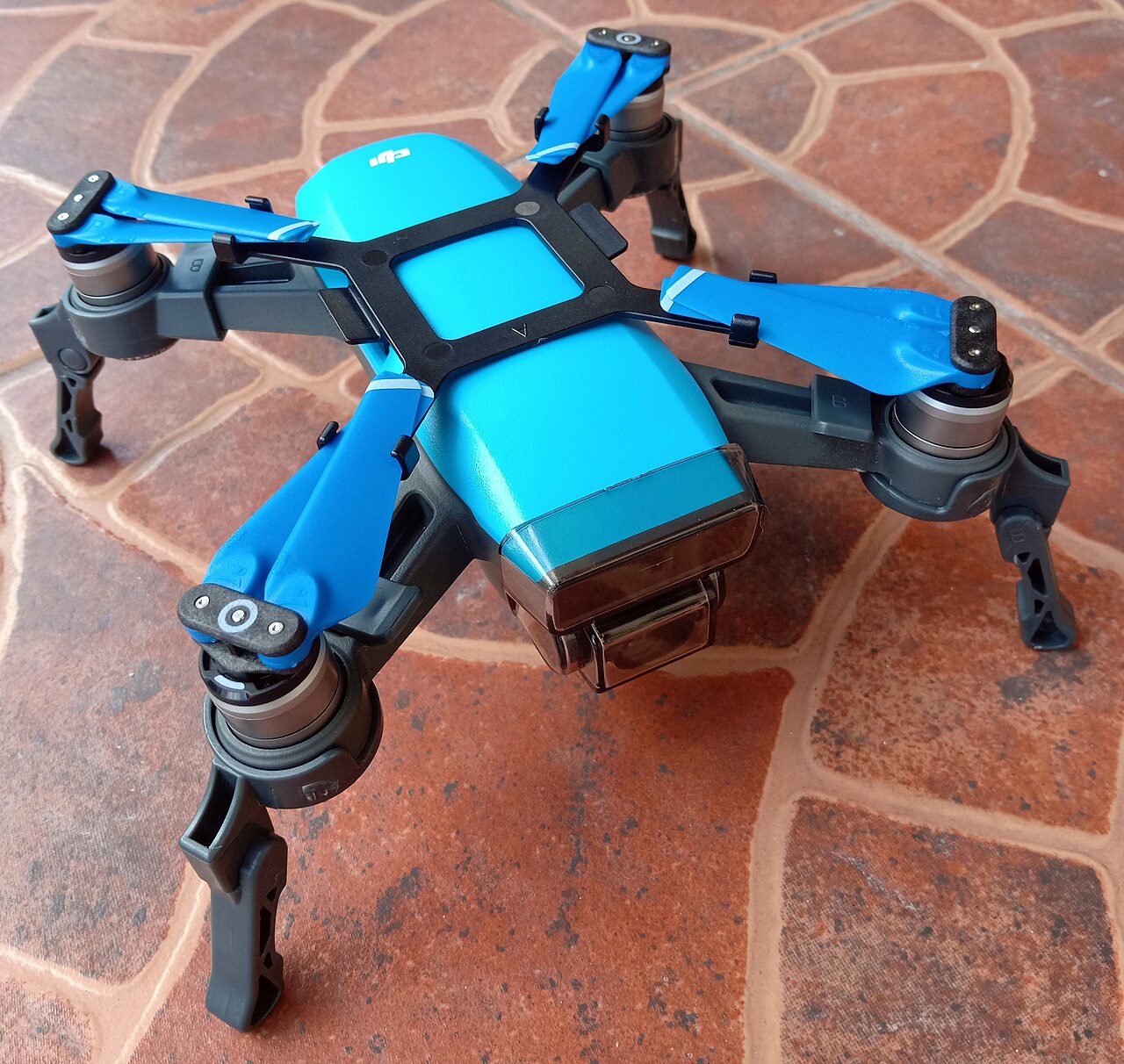
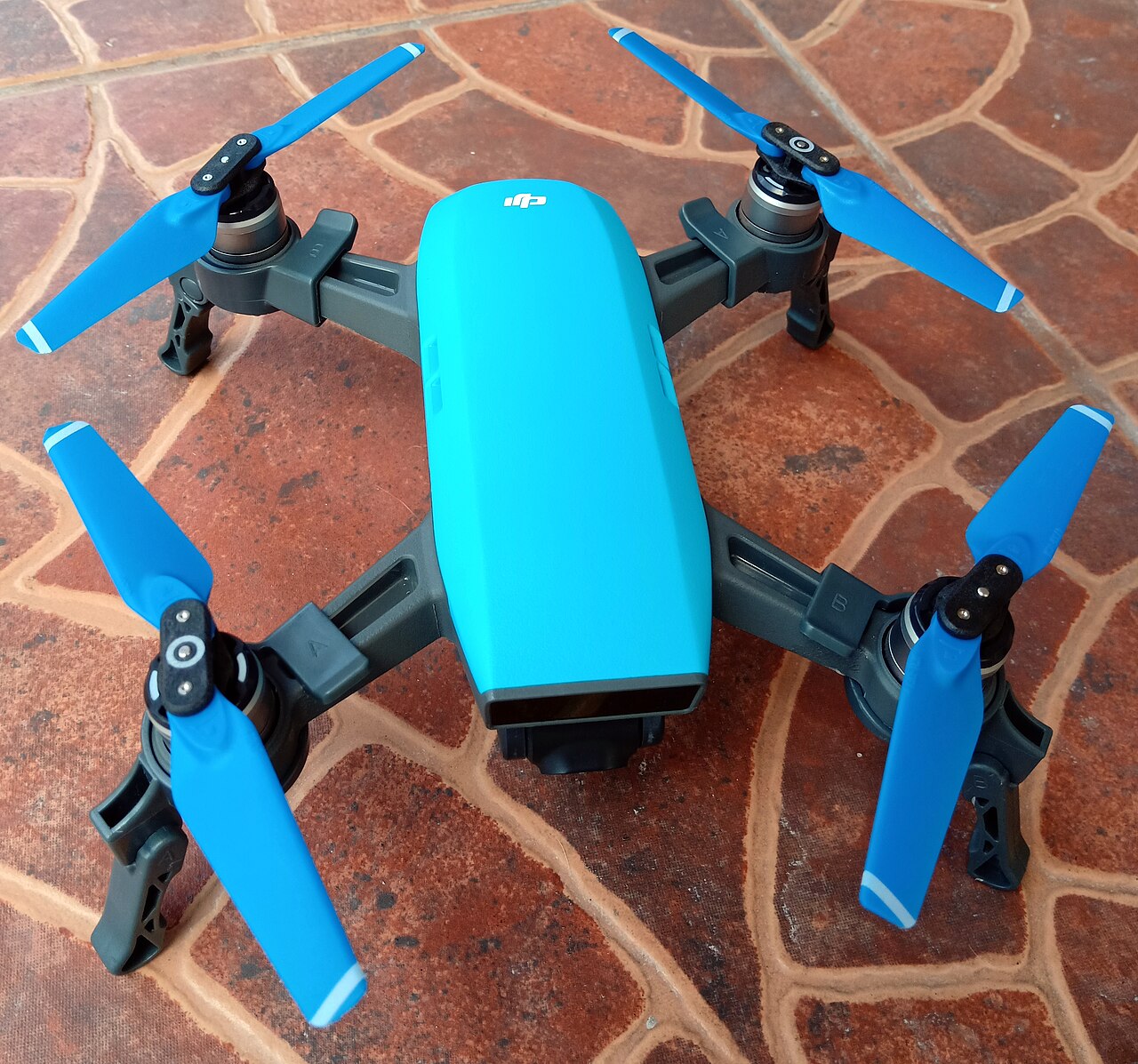
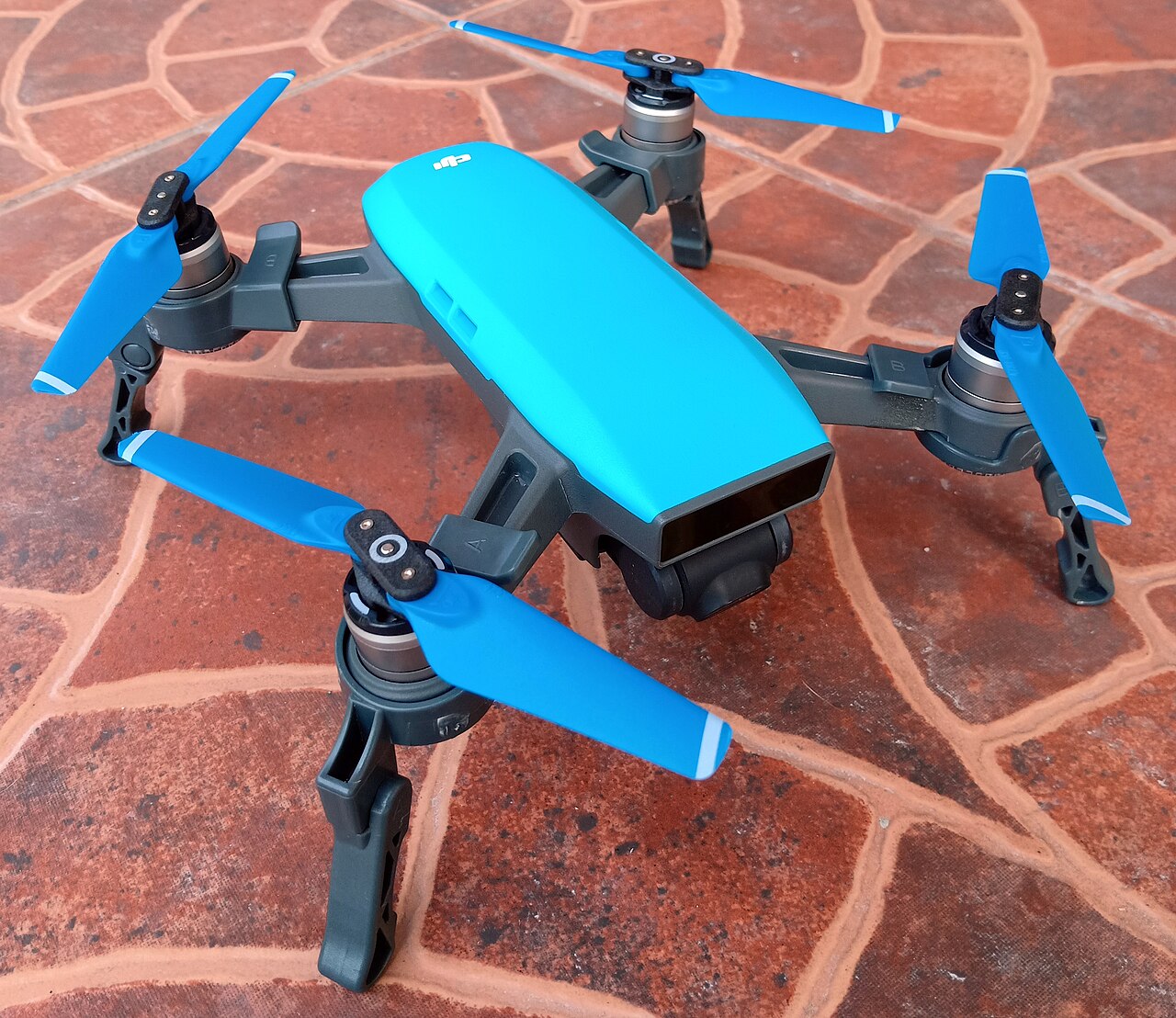
The DJI Spark (model MM1A) is a small, non-folding quadcopter designed for personal and commercial aerial photography and video. Released by DJI in May 2017, it was lighter and more compact than the Mavic Pro, though its arms did not fold, making it comparable in size to a folded Mavic. The Spark featured forward and downward obstacle avoidance sensors, satellite navigation, and a 12-megapixel camera with a 1/2.3-inch CMOS sensor mounted on a two-axis gimbal, capable of recording 1080p video at 30 frames per second. It was DJI’s first drone to support hand-gesture control; initially, users still needed a phone to operate the camera, but an August 2017 software update added gesture-based video recording. Upon launch, it competed with drones like the GoPro Karma and Yuneec Breeze. In August 2017, after reports of units falling from the sky, DJI identified a software bug and issued a firmware fix, remotely grounding any drones that did not install the update. In August 2018, DJI partnered with Line Friends to release a special edition styled after the character Brown. The Spark had a short production run of about two years, replaced in 2019 by the Mavic Mini. Unlike the Spark, which weighed 300 grams and required registration in most countries, the Mavic Mini was designed to stay under 250 grams to bypass such regulations.
- Company designation
- Model MM1A
- Release announcement
- May 2017
- Camera resolution
- 12 megapixels
- Sensor
- 1/2.3" CMOS
- Video capture
- 1080p at 30 frames per second
- Gimbal axes
- Two-axis
- Weight
- 300 g
Lore & Background
DJI announced the Spark in May 2017. The Spark is a small quadcopter with forward and downward obstacle avoidance sensors and satellite navigation. It is lighter and smaller than the company's Mavic Pro, but lacks folding arms, making it roughly the same size as a folded Mavic. The Spark has a 12-megapixel camera with a 1/2.3" CMOS sensor mounted on a two-axis gimbal capable of capturing 1080p video at 30 frames per second. The Spark was the first DJI drone to be controlled by hand gestures. Originally, users controlling the drone with hand gestures still had to use their phone to control the camera, but a software update in August 2017 added the ability to record video with a new set of gestures.
Upon release, the Spark competed with drones such as the GoPro Karma and Yuneec International Breeze. After reports of Spark drones falling from the sky in August 2017, DJI identified the issue as a software bug and released a firmware update to fix it. DJI also remotely grounded any drones that did not receive the update. In August 2018, DJI collaborated with Line Friends to release a version of the Spark marked to represent the character Brown.
Reader's Guide
The Spark had a short production run of only two years before it was replaced by the Mavic Mini. Unlike the Spark, which is required to be registered in most countries due to its 300 g weight, the Mavic Mini was designed to bypass drone registration regulations by weighing under 250 g. The Spark's significance lies in its introduction of gesture-based control to DJI's consumer drone lineup, a feature that allowed users to operate the drone without a remote controller. Its compact size and obstacle avoidance sensors made it accessible for personal and commercial aerial photography, though its lack of folding arms limited portability compared to later models. The Spark's brief market presence and the subsequent shift to lighter, registration-exempt designs like the Mavic Mini highlight the evolving regulatory landscape for consumer drones.
Gallery
Frequently Asked Questions
What is the DJI Spark?
The DJI Spark (model MM1A) is a compact, non-folding quadcopter that DJI released in May 2017 for personal and commercial aerial photography. It sits below the Mavic Pro in weight and footprint, positioning it as one of DJI's most pocketable camera drones at the time.
What camera and video specs does the DJI Spark offer?
It carries a 12-megapixel still camera built around a 1/2.3-inch CMOS sensor, stabilized by a two-axis gimbal. For motion capture, it records 1080p video at 30 frames per second.
How does the DJI Spark's hand-gesture control work?
The Spark was DJI's first drone to let a pilot trigger takeoff, landing, photo capture, or video recording by making specific hand poses in front of its onboard sensors. This allowed users to shoot without reaching for a smartphone or remote controller.
What obstacle-avoidance sensors does the DJI Spark have?
It features forward-facing and downward-facing vision sensors that help the drone detect and steer around obstacles during flight. Paired with satellite-based GPS positioning, these systems give the small frame a degree of spatial awareness uncommon in drones of its class.
How does the DJI Spark compare to the Mavic Pro?
The Spark is lighter and its arms do not fold, yet its overall footprint is roughly equivalent to a Mavic Pro with its arms tucked in. The Mavic Pro trades some portability for a folding design and higher-end imaging, while the Spark emphasizes compactness and gesture-based operation.
More in Quadcopters and Multirotor Drones 1-23
Spotted an error? Know more?
Reader corrections go straight into our review queue. Suggest an edit · How this site is sourced