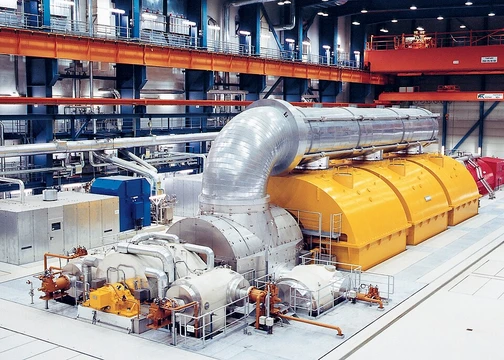
Cogeneration
Simultaneous generation of electricity and useful heat.

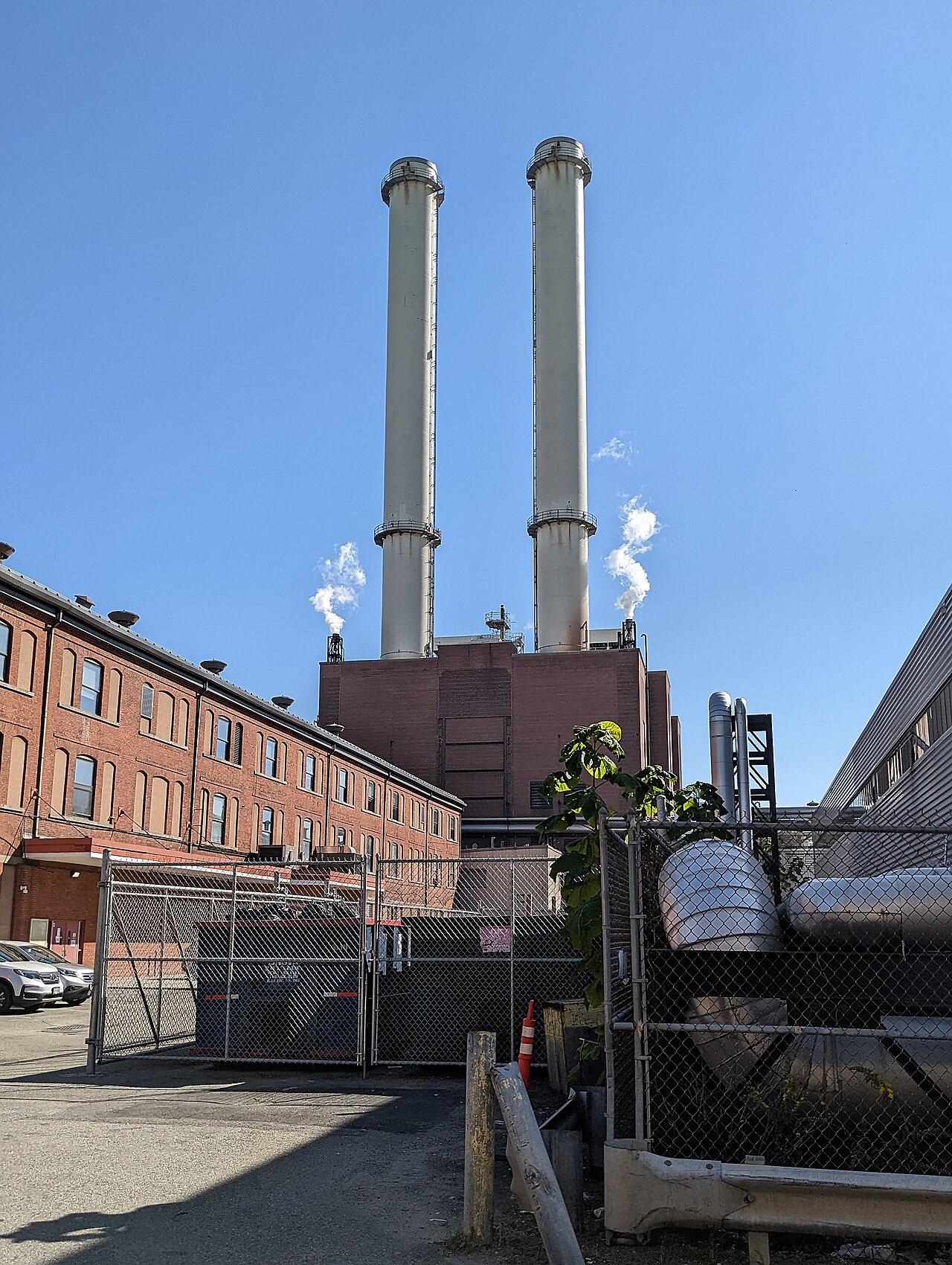
Gregg Tavares · CC BY 2.0
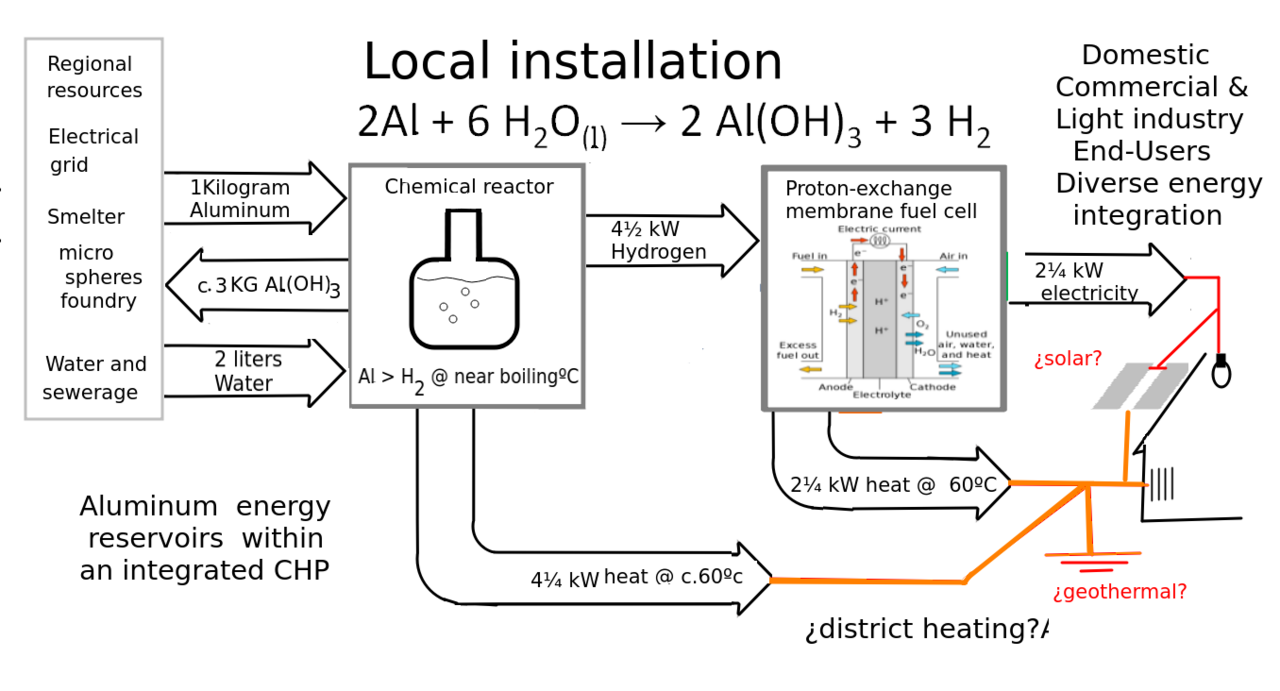
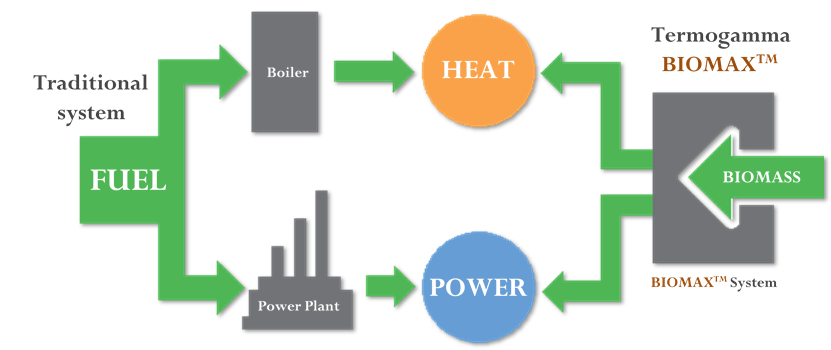
Cogeneration, or combined heat and power (CHP), involves using a heat engine or power station to produce both electricity and useful heat simultaneously. This approach is more efficient than conventional generation because it captures thermal energy that would otherwise be wasted. In a typical system, high-temperature heat first drives a gas or steam turbine to generate electricity, and the resulting lower-temperature waste heat is then used for water or space heating. At smaller scales, such as below 1 MW, a gas or diesel engine may be employed. The by-product heat can also power absorption refrigerators for cooling. Cogeneration is common with geothermal power plants, which often produce relatively low-grade heat, sometimes requiring binary cycles for acceptable thermal efficiency. It is less common in nuclear power plants, as safety and NIMBY concerns have often kept them far from population centers, and district heating is less efficient in low-density areas due to transmission losses.
Historically, cogeneration was practiced in some of the earliest electrical installations. Before central stations distributed power, industries generated their own electricity and used exhaust steam for process heating. Large buildings like offices, hotels, and stores also generated their own power and used waste steam for heat, continuing this practice for many years after utility electricity became available due to the high cost of purchased power.
Many process industries—such as chemical plants, oil refineries, and pulp and paper mills—require large amounts of process heat. This heat, often in the form of steam, can be generated at high pressure and passed through a turbine to generate electricity before being used for heating. Steam turbines for cogeneration are designed to extract some steam at lower pressures after several turbine stages, or to exhaust at back pressure for process use. A combined cycle plant, using a gas turbine whose exhaust powers a steam plant, can achieve thermal efficiencies above 80%. The viability of CHP depends on a good baseload of both electrical and heat demand, and is most efficient when heat is used on-site or very close to it.
- field
- Energy generation and efficiency
- known_for
- Simultaneous production of electricity and useful heat from a single fuel source
- applications
- District heating, industrial processes, building heating and cooling
- typical_efficiency
- Above 80% for combined cycle plants
Lore & Background
Cogeneration, also known as combined heat and power (CHP), involves the simultaneous generation of electricity and useful thermal energy from a single fuel source. A defining characteristic is its improved fuel efficiency: it captures and repurposes heat that would otherwise be wasted in conventional electricity generation. In a typical setup, high-temperature heat first drives a gas or steam turbine to produce electricity. The resulting lower-temperature waste heat is then used for applications such as water or space heating. At smaller scales, often below one megawatt, gas or diesel engines may be employed instead of turbines. Cogeneration is also common with geothermal power plants, which frequently produce relatively low-grade heat; in such cases, binary cycles may be necessary to achieve acceptable thermal efficiency for power generation. The practice is less common with nuclear plants, as safety and NIMBY concerns often place them farther from population centers, and district heating becomes less efficient in lower-density areas due to transmission losses. Steam turbines used for cogeneration are designed either for extraction of some steam at lower pressures after several stages, or for final exhaust at back pressure (non-condensing). The extracted or exhaust steam is then used for process heating. A combined cycle system, where multiple thermodynamic cycles produce electricity, can also extract heat by using a heating system as the condenser of the power plant’s bottoming cycle. Such combined cycle cogeneration plants can achieve thermal efficiencies above 80 percent.
Reader's Guide
Cogeneration represents a significant advancement in energy efficiency by recovering waste heat that would otherwise be lost in conventional power generation. Its viability depends on a good baseload of operation, both in terms of on-site electrical demand and heat demand. CHP is most efficient when heat can be used on-site or very close to it, as transporting heat over longer distances requires heavily insulated pipes and reduces overall efficiency. Cogeneration plants are commonly found in district heating systems of cities, central heating systems of larger buildings such as hospitals and hotels, and in industrial processes for process water, cooling, steam production, or CO2 fertilization. Trigeneration extends the concept by using waste heat for both heating and cooling, typically via an absorption refrigerator, achieving higher overall efficiencies.
Did You Know?
- Cogeneration was practiced in some of the earliest installations of electrical generation.
- A car engine becomes a CHP plant in winter when the reject heat is useful for warming the interior of the vehicle.
- Cogeneration plants based on a combined cycle power unit can have thermal efficiencies above 80%.
- Small CHP plants are an example of decentralized energy.
The Core Mechanism
Cogeneration operates on a straightforward principle: a heat engine or power station produces both electricity and usable thermal energy simultaneously. In a typical setup, high-temperature heat first spins a gas or steam turbine connected to a generator, producing electricity. The lower-temperature exhaust that would otherwise be discarded is then captured and directed toward water heating, space heating, or industrial process needs. At smaller scales—generally below one megawatt—gas engines or diesel engines take the place of turbines. The steam turbines used in these systems differ from standard condensing turbines found in conventional power stations. Rather than letting all steam pass through to a condenser where it loses nearly all useful energy, cogeneration turbines are engineered to extract steam at intermediate pressures after several stages, or to exhaust at back pressure. This extracted or exhaust steam still carries substantial enthalpy and is routed to heating applications, though doing so does impose a mechanical power loss in the remaining downstream turbine stages.
Efficiency and Combined Cycles
The primary advantage of cogeneration lies in its ability to reclaim thermal energy that conventional power plants simply vent into the atmosphere. By putting this otherwise-wasted heat to productive use, overall fuel utilization improves significantly. At the upper end of performance, combined-cycle cogeneration plants—where a gas turbine's exhaust drives a steam plant whose condensate then supplies heat—can achieve thermal efficiencies exceeding eighty percent. A historical example is the RU-25 MHD generator in Moscow, which heated a boiler for a conventional steam plant whose condensate was subsequently used for space heating. However, efficiency gains come with trade-offs. Steam at ordinary process-heating pressures still contains considerable enthalpy that could theoretically generate additional power, meaning every unit of heat extracted carries an opportunity cost. The capital and operating expenses of high-pressure boilers, turbines, and generators are substantial, and because this equipment is designed for continuous operation, self-generated power through cogeneration is generally confined to large-scale industrial operations.
Applications Across Scales and Industries
Cogeneration finds application across a remarkable range of settings. In heavy process industries—chemical plants, oil refineries, pulp and paper mills—large quantities of steam are needed for chemical reactors, distillation columns, and steam driers. Geothermal power plants frequently produce relatively low-grade heat, and binary cycles are sometimes required to reach acceptable thermal efficiency for electricity generation. Nuclear plants, by contrast, rarely employ cogeneration because NIMBY opposition and safety regulations tend to site them far from population centers, making district heating impractical in lower-density areas due to transmission losses. Thermally enhanced oil recovery plants present another interesting case: after generating electricity, they pump leftover steam into heavy oil wells to improve flow and boost production. Even a car engine in winter, where reject heat warms the cabin, functions as a miniature CHP system.
Historical Roots and the Proximity Imperative
Cogeneration is far from a modern invention. In the earliest days of electrical generation, before central utility stations distributed power, factories and large buildings generated their own electricity and routinely used exhaust steam for process or building heat. Hotels, large office and apartment buildings, and stores all operated in this manner, and because purchased power was expensive in the early era, these self-contained CHP arrangements persisted for years even after utility electricity became available. A critical constraint that has never changed is proximity: cogeneration is most efficient when the recovered heat is consumed on-site or in the immediate vicinity. Transporting heat over longer distances demands heavily insulated pipes that are both costly and lossy, whereas electricity travels along comparatively simple wiring over far greater distances with equivalent energy loss. The viability of a CHP installation—sometimes called its utilization factor—depends on having a solid baseload of both electrical and thermal demand nearby, and in practice an exact match between the two rarely exists.
Gallery


Frequently Asked Questions
Who is Cogeneration?
Cogeneration, frequently abbreviated as CHP (combined heat and power), is a method of producing both electrical energy and usable thermal energy at the same time from a single fuel input. Rather than letting excess heat dissipate into the atmosphere, the system channels that thermal output toward practical uses like space heating or cooling.
What are Cogeneration's powers/role?
Its core ability is turning one fuel burn into two useful energy products simultaneously—electricity and heat—instead of discarding the thermal byproduct. This dual-output approach pushes overall fuel utilization well beyond what a standalone power plant can achieve, with combined-cycle setups routinely exceeding 80 percent efficiency.
How does Cogeneration's story end?
As a mature and widely deployed technology, Cogeneration has no single narrative ending; it remains an active and growing pillar of modern energy infrastructure. Its role is expected to expand further as district-heating networks and industrial heat-recovery systems continue to weave CHP units into their operations.
Why is Cogeneration important?
It tackles the fundamental inefficiency of conventional power plants, which throw away a large share of fuel energy as waste heat. By capturing and repurposing that thermal energy, Cogeneration delivers more total useful work per unit of fuel, cutting both fuel costs and associated emissions.
What are Cogeneration's key applications?
You'll find CHP systems powering district-heating networks, supplying process heat in factories, and providing both electricity and climate control for large commercial buildings. The technology is especially well-suited to settings where a steady demand for heat exists alongside a need for electricity.
More in Power Generation 1-20
Spotted an error? Know more?
This is a living reference — every entry is fact-audited, and reader corrections feed straight into our audit queue. Suggest an edit · See this site's audit record