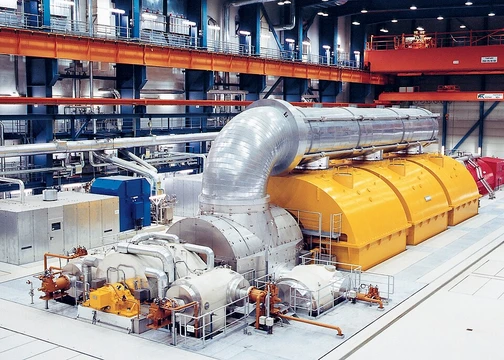
Coal-fired power station
Burns coal to generate electricity; major source of emissions.

ThomasYehYeh · CC BY-SA 4.0
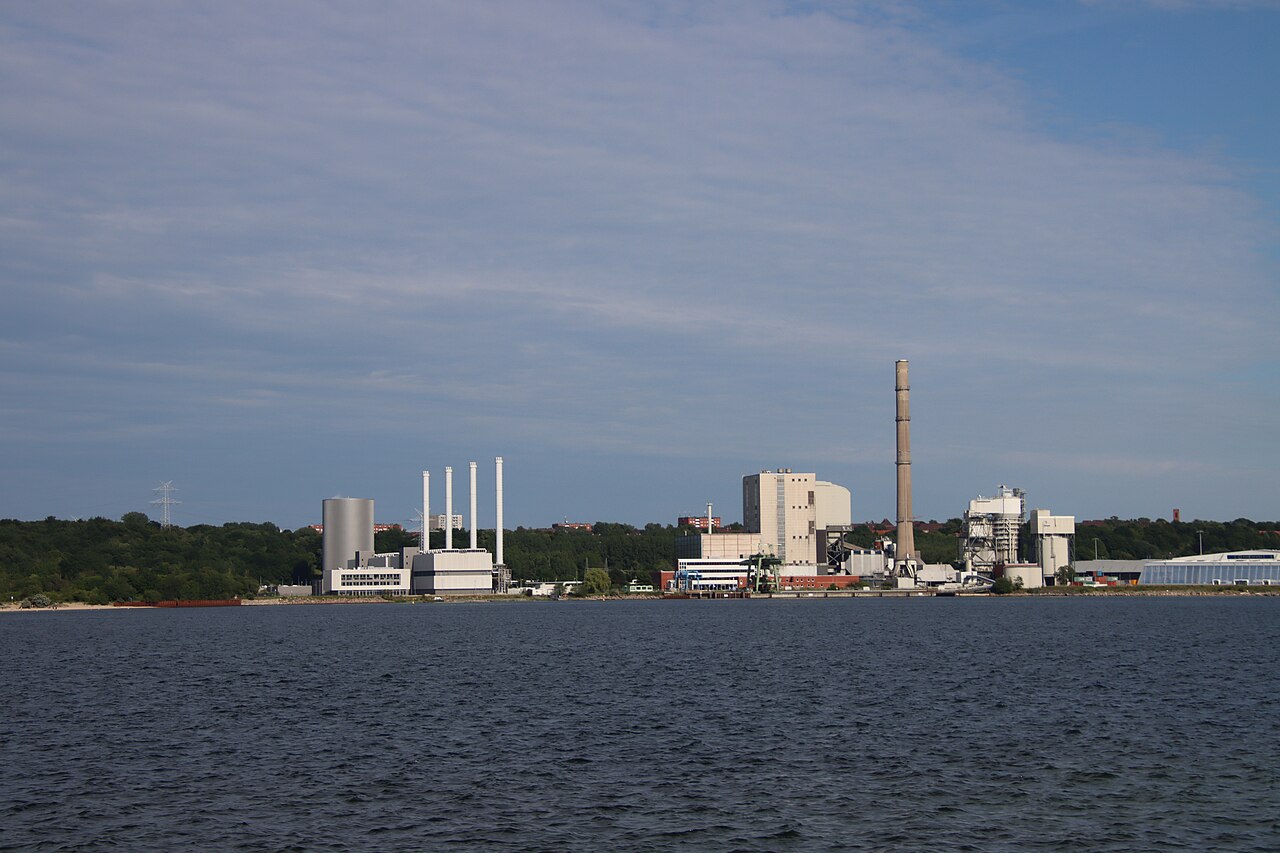
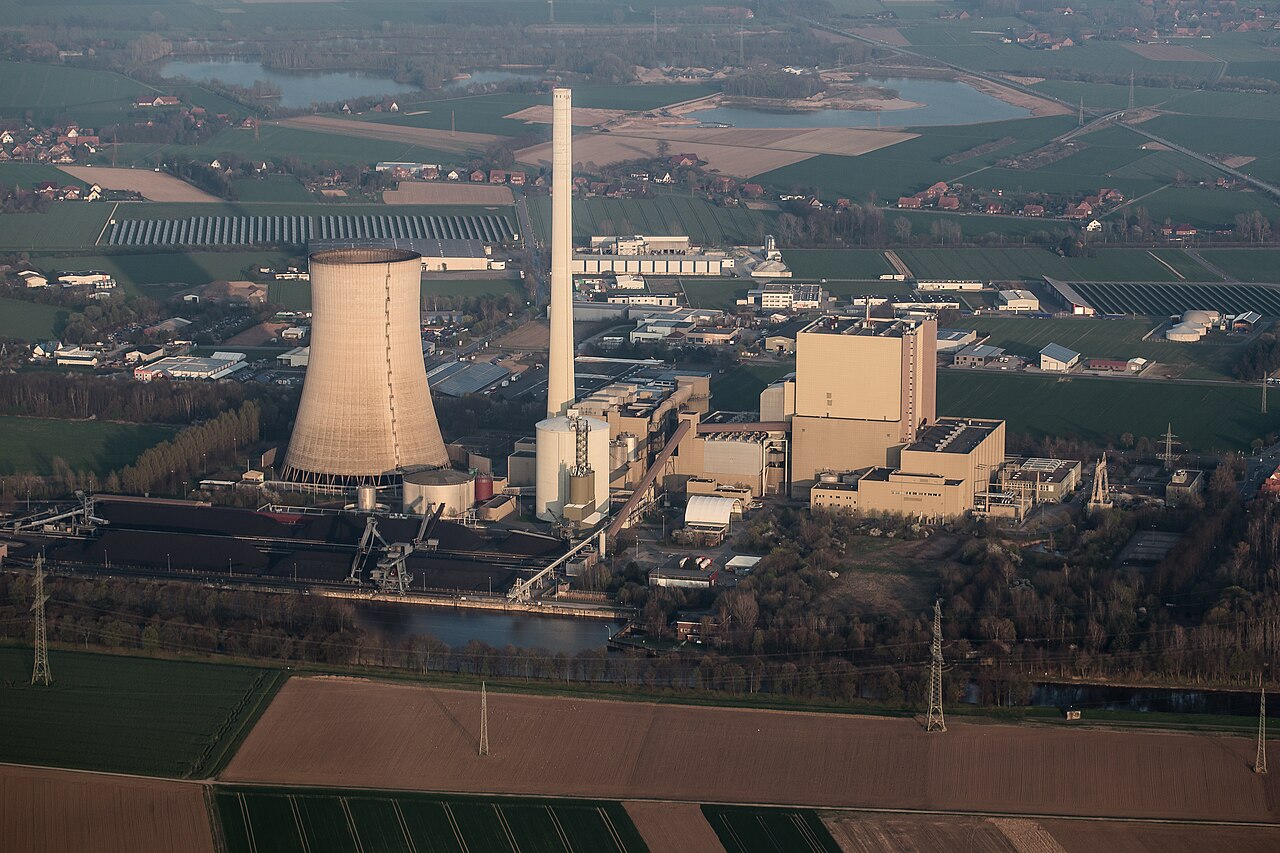
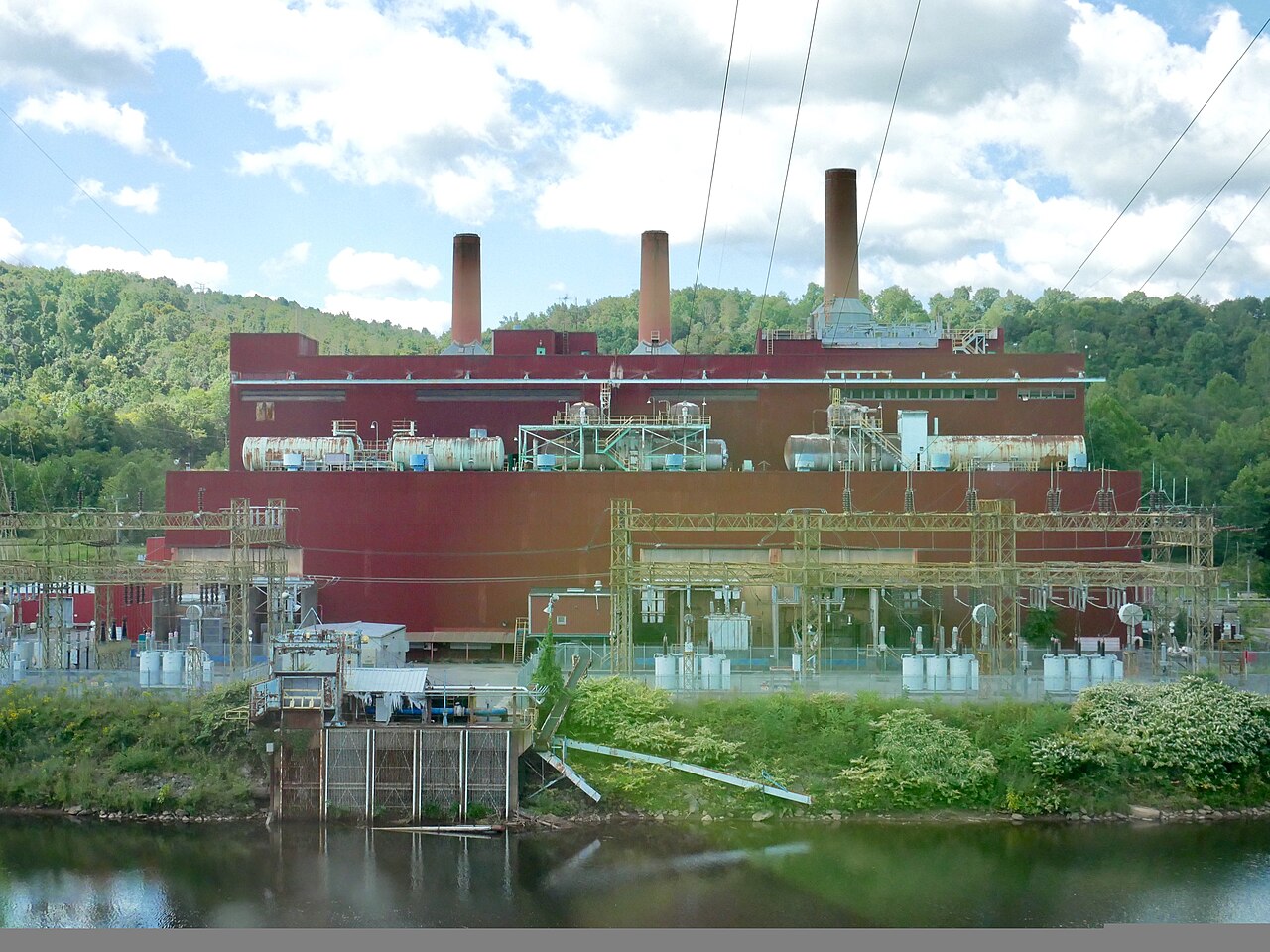
A coal-fired power station is a type of thermal plant that uses coal to produce electricity. There are roughly 2,500 such plants worldwide, each capable of generating about one gigawatt on average. Together, they supply around one-third of the world’s electricity, but they also cause the highest number of early deaths and illnesses per unit of energy produced, primarily due to air pollution. Global installed capacity doubled between 2000 and 2023, and it grew by 2% in 2023 alone.
These stations are a form of fossil fuel power plant. The coal is typically ground into a fine powder and burned in a pulverized coal-fired boiler. The heat from the furnace turns water in the boiler into steam, which then spins turbines connected to generators. In this way, the chemical energy in coal is transformed first into thermal energy, then mechanical energy, and finally electrical energy.
Coal-fired power stations are the biggest single source of climate change, releasing about 12 billion tonnes of carbon dioxide each year—roughly one-fifth of all global greenhouse gas emissions. China is responsible for more than half of the world’s coal-fired electricity generation. Although the total number of operating coal plants began to drop in 2020, due to closures in Europe and the Americas, new construction continues in Asia, especially in China and Southeast Asia. Some plants remain profitable only because the health and environmental costs of coal are not fully included in electricity prices—these are externalities. Newer plants, however, risk becoming stranded assets, a particular danger in Southeast Asia, one of the regions with the fastest growth in coal power. The UN Secretary General has called for OECD nations to phase out coal-fired generation by 2030, and for the rest of the world to do so by 2040.
**History**
The first coal-fired power stations appeared in the late 1800s and used reciprocating engines to generate direct current. The development of steam turbines in the early 1900s allowed for much larger plants, and alternating current enabled them to serve wider areas.
**Transport and delivery of coal**
Coal reaches plants by highway truck, rail, barge, collier ship, or coal slurry pipeline. Some stations are built right next to a mine—especially for low-value coal like lignite—and receive coal via conveyor belt or massive diesel-electric trucks. A large unit train can be two kilometers long, with 130 to 140 cars each carrying about 100 tonnes of coal, for a total load exceeding 10,000 tonnes. A big plant running at full capacity needs at least one such delivery every day. During peak seasons—the hottest summer or coldest winter months, depending on local climate—plants may receive three to five trains daily.
Modern unloaders use rotary dump devices, which avoid problems with coal freezing in bottom-dump cars. A train positioner arm pulls the entire train into place, positioning each car over a coal hopper. The dumper clamps the car against a platform that swivels it upside down to empty the coal. Swiveling couplers let the whole process happen while the cars remain coupled. Unloading a unit train takes about three hours.
Shorter trains may use railcars with an air-dump system, which relies on air pressure from the engine and a "hot shoe" on each car. When the hot shoe contacts a "hot rail" at the unloading trestle, it sends an electric charge that opens doors on the bottom of the car, dumping the coal through the trestle opening. Unloading such a train takes one to one and a half hours. Older unloaders may still use manually operated bottom-dump cars with a "shaker" attachment.
A collier ship carrying coal can hold 41,000 tonnes and may take several days to unload. Some colliers have their own conveying equipment; others rely on the plant’s gear. In calmer waters like rivers and lakes, flat-bottomed barges are common. These barges are usually unpowered and moved by tugboats or towboats.
For startup or auxiliary purposes, a plant may also use fuel oil. Oil can be delivered by pipeline, tanker, tank car, or truck and is stored in vertical cylindrical steel tanks holding up to 14,000 cubic meters. Heavier bunker and No. 6 fuels are often steam-heated before pumping in cold climates.
**Operation**
As a thermal power station, a coal-fired plant converts chemical energy in coal into thermal, then mechanical, and finally electrical energy. The coal is pulverized and burned in a boiler. The heat turns water to steam, which spins turbines that drive generators. Compared to plants burning other fuels, coal-specific steps include fuel processing and ash disposal.
For units larger than about 200 MW, key components like forced and induced draft fans, air preheaters, and fly ash collectors are duplicated for reliability. Some units around 60 MW may instead have two boilers per unit. The hundred largest coal power stations range from 3,000 MW to 6,700 MW.
**Coal processing**
Coal is prepared by crushing it to pieces smaller than 5 cm. It is then moved from the storage yard to in-plant silos by conveyor belts at rates up to 4,000 tonnes per hour. In plants that burn pulverized coal, silos feed the coal to pulverizers (coal mills), which grind the 5 cm pieces down to a fine powder, similar in consistency to talcum powder.
- type
- Thermal power station
- fuel
- Coal (pulverized or lignite)
- average_capacity
- 1 gigawatt per station
- electricity_share
- About one-third of world's electricity
- annual_co2_emissions
- Approximately 12 billion tonnes
- largest_generator
- China (over half of global coal-fired electricity)
Lore & Background
The first coal-fired power stations emerged in the late 1800s, initially using reciprocating engines to produce direct current. The advent of steam turbines in the early 1900s enabled much larger plants, and the shift to alternating current allowed electricity to reach broader regions. A modern coal-fired power station is a thermal plant that burns pulverized coal in a boiler. The heat converts water into steam, which spins turbines connected to generators, transforming chemical energy from coal into thermal, then mechanical, and finally electrical energy. These stations are typically large industrial complexes; the hundred largest have capacities ranging from 3,000 to 6,700 megawatts. Coal is delivered by truck, rail, barge, ship, or slurry pipeline. Some plants are built adjacent to mines, receiving coal via conveyor belt or massive trucks. A large plant under full load may require a train of over 10,000 tonnes of coal daily, with unit trains up to 2 kilometers long. Unloading can be done by rotary dump devices that invert each car, or by older methods like bottom-dump cars with shakers. For startup or auxiliary power, fuel oil is sometimes used, stored in large vertical steel tanks.
Reader's Guide
Coal-fired power stations, first built in the late 19th century, initially used reciprocating engines to generate direct current. The advent of steam turbines in the early 20th century enabled much larger plants and the use of alternating current to serve wider areas. These plants convert chemical energy from coal into thermal energy, then mechanical energy, and finally electrical energy. The coal is typically pulverized and burned in a boiler, where the heat converts water to steam that spins turbines connected to generators. For units over about 200 MW capacity, key components like fans and air preheaters are duplicated for reliability; some 60 MW units may have two boilers. The hundred largest stations range from 3,000 to 6,700 MW. Coal is delivered by truck, rail, barge, ship, or slurry pipeline, with some plants built next to mines for low-value lignite. A large plant under full load may require a 10,000-tonne coal train daily, with up to five trains in peak seasons. Modern rotary dump unloaders can empty a unit train in about three hours. These stations are the largest single contributor to climate change, releasing about 12 billion tonnes of carbon dioxide annually—roughly one-fifth of global greenhouse gas emissions. They also cause the most early deaths per unit of energy produced, primarily from air pollution. While retirements have occurred in Europe and the Americas, construction continues in Asia, especially China and Southeast Asia, where newer plants risk becoming stranded assets due to health and environmental costs not reflected in electricity prices.
Did You Know?
- Coal ash can contain arsenic, lead, mercury, and elevated levels of radioactivity.
- China accounts for over half of global coal-fired electricity generation.
Global Footprint and Energy Dominance
Coal-fired power stations represent one of the most widespread forms of electricity generation on Earth. China dominates this landscape, responsible for more than half of the world's coal-generated electricity. This geographic split means the technology's trajectory is being shaped simultaneously by two very different economic and regulatory environments, with one hemisphere phasing out capacity while the other is still building new units at a rapid pace.
Environmental Toll and Economic Externalities
Coal-fired power stations stand as the single largest contributor to climate change among all energy sources, releasing roughly 12 billion tonnes of carbon dioxide into the atmosphere each year. That figure represents about one-fifth of all global greenhouse gas emissions, making these plants a central focus of international climate policy. Beyond carbon, the health consequences are severe: coal generation causes the highest number of early deaths per unit of energy produced of any fuel, driven primarily by air pollution. Yet the economic picture is distorted. Many plants remain profitable not because their true costs are reflected in electricity prices, but because the health and environmental damage they inflict are externalized. This creates a paradox for newer facilities, particularly in Southeast Asia, which is experiencing some of the world's fastest growth in coal capacity. These plants face the very real risk of becoming stranded assets—expensive infrastructure that can no longer operate profitably under tightening regulations.
The Energy Conversion Chain
At its core, a coal-fired power station is a sophisticated energy conversion machine. The process begins with chemical energy locked in the molecular structure of coal. In most modern plants, this coal is first pulverized to a fine, talcum-powder consistency by dedicated mills, then mixed with preheated primary combustion air and transported to a boiler furnace. There, the fuel ignites, releasing thermal energy that converts water in the boiler into high-pressure steam. This steam drives turbines, transforming thermal energy into mechanical rotation, which in turn spins electrical generators to produce the final output: electricity.
The Logistics of Fuel Delivery
Feeding a coal plant at full capacity is a massive logistical operation. A large plant under full load needs at least one such delivery every day, and during peak summer or winter months, three to five trains may arrive daily. Modern rotary dump unloaders clamp each car, swivel it upside down, and release the coal into a hopper—all while the cars remain coupled—completing a full train in about three hours. In calmer inland waters, unpowered barges towed by tugboats serve the same purpose. Some plants sit directly beside open-pit lignite mines, receiving coal via conveyor belts or massive diesel-electric trucks, since that lower-grade fuel is not worth long-distance transport.
Gallery


Frequently Asked Questions
What are Coal-fired power station's powers and role?
Its core function is converting the chemical energy locked in coal into usable electrical power, and it currently delivers about one-third of all electricity generated on the planet. It is also the single largest driver of climate change, emitting roughly 12 billion tonnes of CO2 per year.
How does Coal-fired power station's story end?
The canon does not chart a fixed finale, but its arc is increasingly defined by its status as the top source of greenhouse gas emissions and the power source linked to the highest rate of early deaths per unit of energy from air pollution. Growing pressure from cleaner alternatives is steadily narrowing its role.
Why is Coal-fired power station important?
It is central to the global energy picture because it supplies approximately one-third of all electricity produced worldwide. Its environmental footprint is equally significant, accounting for about one-fifth of total global greenhouse gas emissions.
What is Coal-fired power station's biggest weakness?
Its most glaring flaw is the severe air pollution it releases, which causes more illnesses and premature deaths per unit of energy than any other generation method. That health burden, stacked on top of its dominant CO2 output, makes it the most environmentally damaging entry in the Power Generation roster.
More in Power Generation 1-20
Spotted an error? Know more?
This is a living reference — every entry is fact-audited, and reader corrections feed straight into our audit queue. Suggest an edit · See this site's audit record