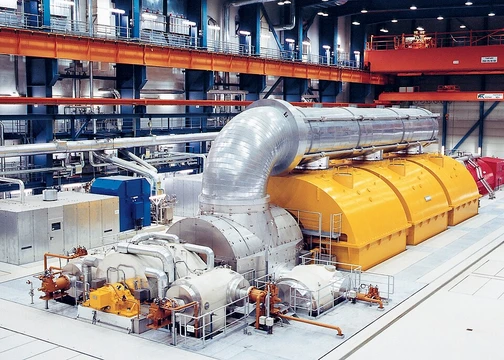
Bratsk Hydroelectric Power Station

alexandergroshev · CC BY 3.0
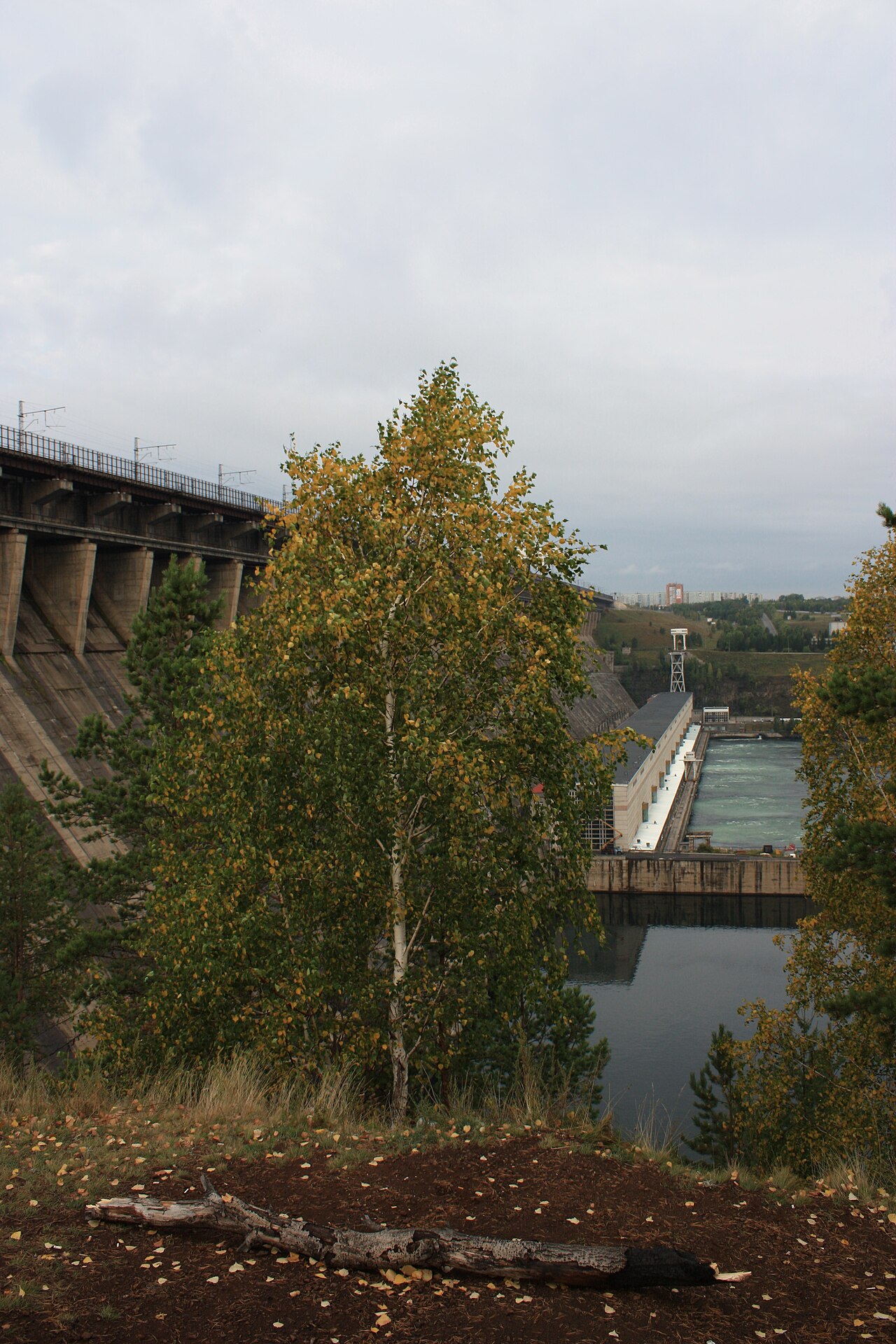
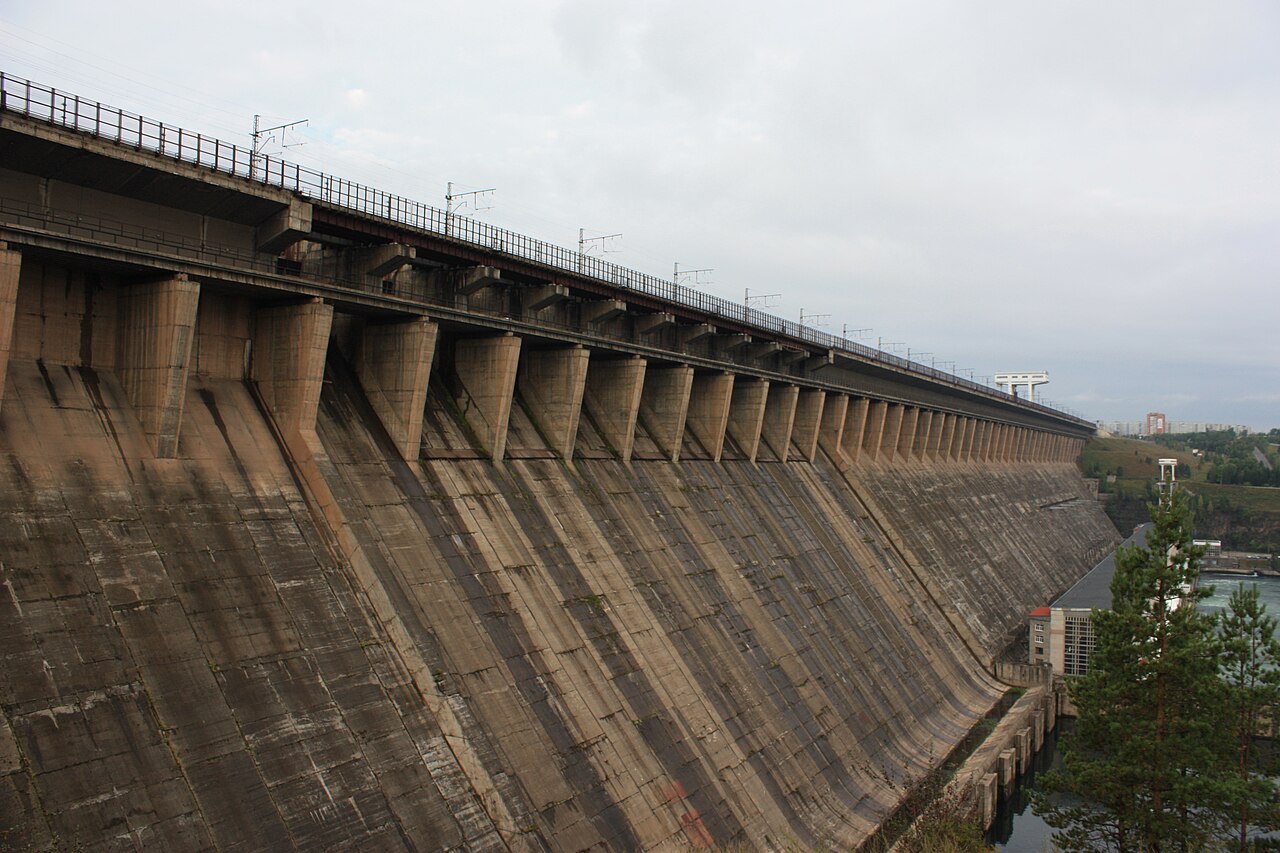
The Bratsk Hydroelectric Power Station, also known as The 50 years of Great October Dam, is a concrete gravity dam and hydroelectric plant on the Angara River in Irkutsk Oblast, Russia. It is the second stage of the Angara River hydroelectric cascade. Upon its commissioning in 1966, it became the world’s single largest power producer, a title it held until the Krasnoyarsk station surpassed 5,000 MW in 1971. The dam’s concrete wall stretches 924 meters in length and reaches a maximum height of 124.5 meters. The structure includes a 516-meter-long by-wall house and riverbank concrete walls totaling 506 meters, with ground walls extending 2,987 meters on the right bank and 723 meters on the left. The dam’s crest carries a railway line of the Taishet-Lena route and a vehicle road. No navigational channels exist, though the design allows for a future ship elevator. The reservoir created by the dam is often cited as the second largest in the world by storage capacity. The power plant houses 18 Francis hydroturbine units, each with a capacity of 250 MW, manufactured by the Leningrad Metal Works in the 1960s. Operating under a 106-meter head, the station generates 22.6 TWh annually, making it Russia’s second largest single hydroelectric producer. Its output is distributed via five 500 kV and twenty 220 kV power lines. Designed by the Moscow-based Hydroproject institute, the plant is operated by Irkutskenergo, while the buildings are federally owned. A modernization project aims to increase capacity toward 5,000 MW. Construction began in late 1954, with the first workers arriving that September. The city of Bratsk was founded concurrently, officially becoming a city in December 1955. The project was a high-priority Komsomol goal and a symbol of Siberian industrial development. The first current was received at the Bratsk substation in November 1957, and the reservoir began filling in July 1961, becoming the largest artificial lake of its time. The first generator began operating in November 1961, and the final unit was commissioned in December 1966. The state accepted the plant for permanent use in September 1967. The station powers hundreds of factories, with approximately 75% of its output consumed by the Bratsk Aluminium Plant.
- Operator
- En+ Group's subsidiary (historically Irkutskenergo)
Lore & Background
The Bratsk Hydroelectric Power Station, also known as the 50 Years of Great October Dam, is a concrete gravity dam on the Angara River in Irkutsk Oblast, Russia. It stands as the second level of the Angara River hydroelectric cascade. The dam’s concrete wall stretches 924 meters in length and reaches a maximum height of 124.5 meters, comprising a stationary section, a waterdrop section, and a dumb part. Riverbank concrete walls extend 506 meters, while ground walls on the right and left banks measure 2,987 and 723 meters respectively. The dam’s top carries both a railway line and a vehicle road, though no navigational channels exist due to the Angara’s lack of through ship routes; the design allows for a future ship elevator. The turbine hall houses 18 Francis hydroturbine units, each with a capacity of 250 megawatts, operating under a head of 106 meters. These turbines, produced by Leningrad Metal Works in the 1960s, give the station a total capacity of 4,500 megawatts and an annual output of 22.6 terawatt-hours, making it Russia’s second-largest single hydroelectric producer. Output is distributed via five 500-kilovolt and twenty 220-kilovolt power lines. The plant was designed by Moscow’s Hydroproject institute and is operated by Irkutskenergo, though the buildings are federally owned. A reconstruction project aims to increase output toward 5,000 megawatts, and aging turbines are being modernized. The station powers hundreds of factories, with about 75 percent of its output consumed by the Bratsk Aluminium Plant.
Reader's Guide
The Bratsk Hydroelectric Power Station, a concrete gravity dam on the Angara River, is the second stage of the Angara cascade in Irkutsk Oblast. Upon its commissioning in 1966, it became the world’s single largest power producer, a title it held until 1971. The station houses 18 Francis turbine units, each with a capacity of 250 MW, manufactured by the Leningrad Metal Works in the 1960s. With a total installed capacity of 4,500 MW, it generates 22.6 TWh annually, making it Russia’s second largest hydroelectric producer. The dam’s concrete wall stretches 924 meters in length and reaches 124.5 meters at its highest point, supporting both a railway line and a vehicle road on its crest. The reservoir, formed by a 5,140-meter penstock, is often cited as the world’s second largest by storage capacity. The plant’s output is distributed via five 500 kV and twenty 220 kV power lines. Approximately 75% of this electricity powers the Bratsk Aluminium Plant, and the station is central to the Bratsk territorial-production complex, supplying hundreds of factories. The aging turbines are currently being modernized by Irkutskenergo and JSC Silovii Mashini, with a reconstruction project aiming to increase output to 5,000 MW. The plant’s construction, approved in 1954, was a Komsomol priority and became a symbol of Siberian industrial development, with the city of Bratsk founded concurrently. The first generator began operation in November 1961, and the final unit was commissioned in December 1966.
Did You Know?
- About 75% of the station's output is consumed by the Bratsk Aluminium Plant.
Engineering Scale & Structural Design
The Bratsk Hydroelectric Power Station rises as a massive concrete gravity dam along the Angara River, forming the second step in the river's cascade of hydroelectric installations within Irkutsk Oblast. Crowning the dam, the Taishet-Lena railway line runs alongside a vehicle road, giving the structure a dual transportation function. Although the Angara lacks through-ship routes and no navigational channels exist, the original design reserved space for a potential ship elevator. The dam is frequently cited as the second largest in the world by reservoir storage capacity.
From Blueprint to Commissioning
On December 21 of that year, the Nizhneangargasstroy department—later rechristened Bratskgasstroy—kicked off preparatory earthworks. The project was designated a Komsomol high-tempo priority, placing it under intense public scrutiny and ultimately earning many of its laborers state-level awards.
Industrial Heart of Siberia
From the moment its first generator spun up, the Bratsk station became the electrical backbone of an entire industrial region. Its 22.6 terawatt-hours of annual output feed hundreds of factories across the area, and roughly three-quarters of that energy is consumed by the Bratsk Aluminium Plant alone. The station was woven into what is known as the Bratsk territorial-production complex, a tightly integrated cluster where hydroelectric power and heavy manufacturing depend on one another. For the workers who built it and the communities that grew around it, the station became a defining symbol of Siberia's industrial transformation during the Soviet era.
Global Record and Ongoing Modernization
The entire design was the work of the Moscow-based Hydroproject institute. Today, the joint-stock company Irkutskenergo manages day-to-day operations, though all physical structures remain property of the Russian federal government. Recognizing that the 1960s-era turbines are aging, Irkutskenergo has partnered with JSC Silovii Mashini on a modernization program.
Gallery
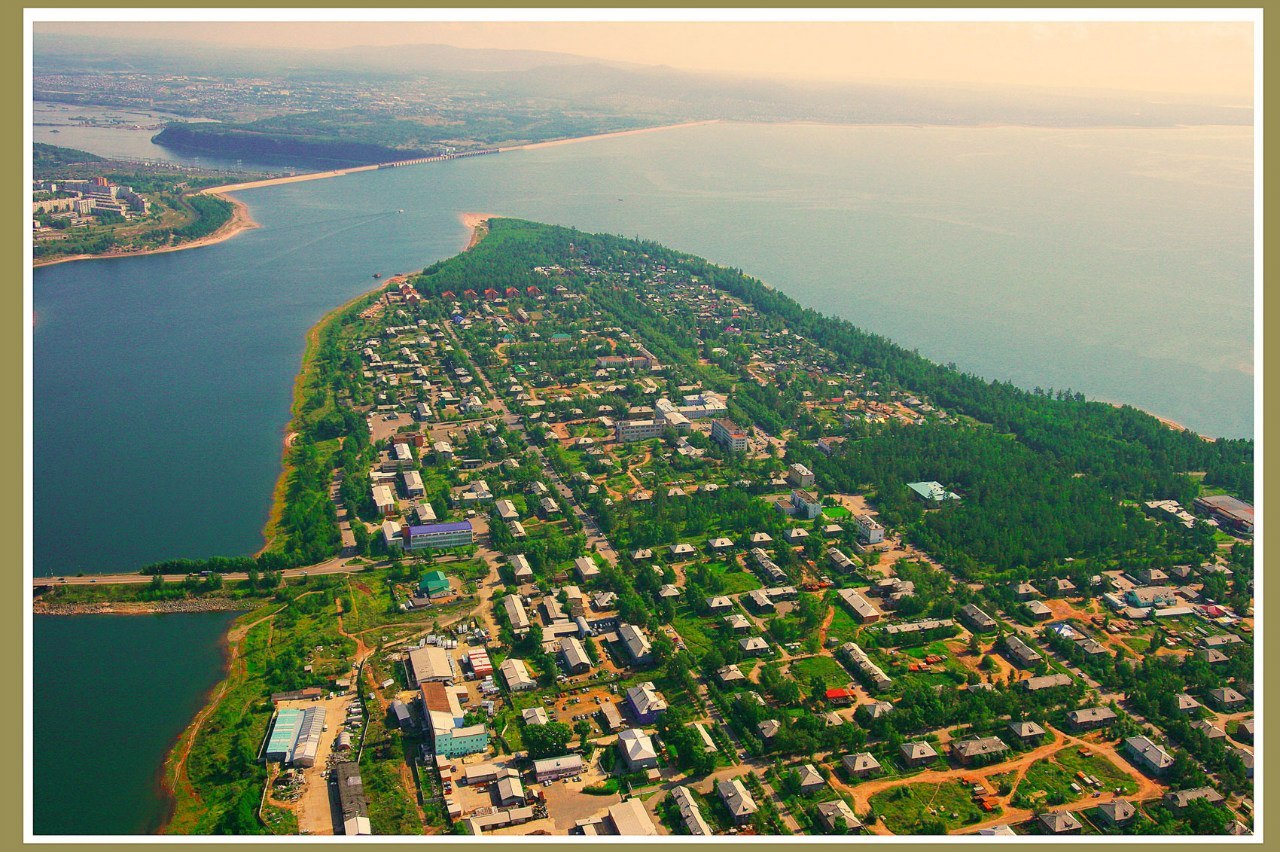
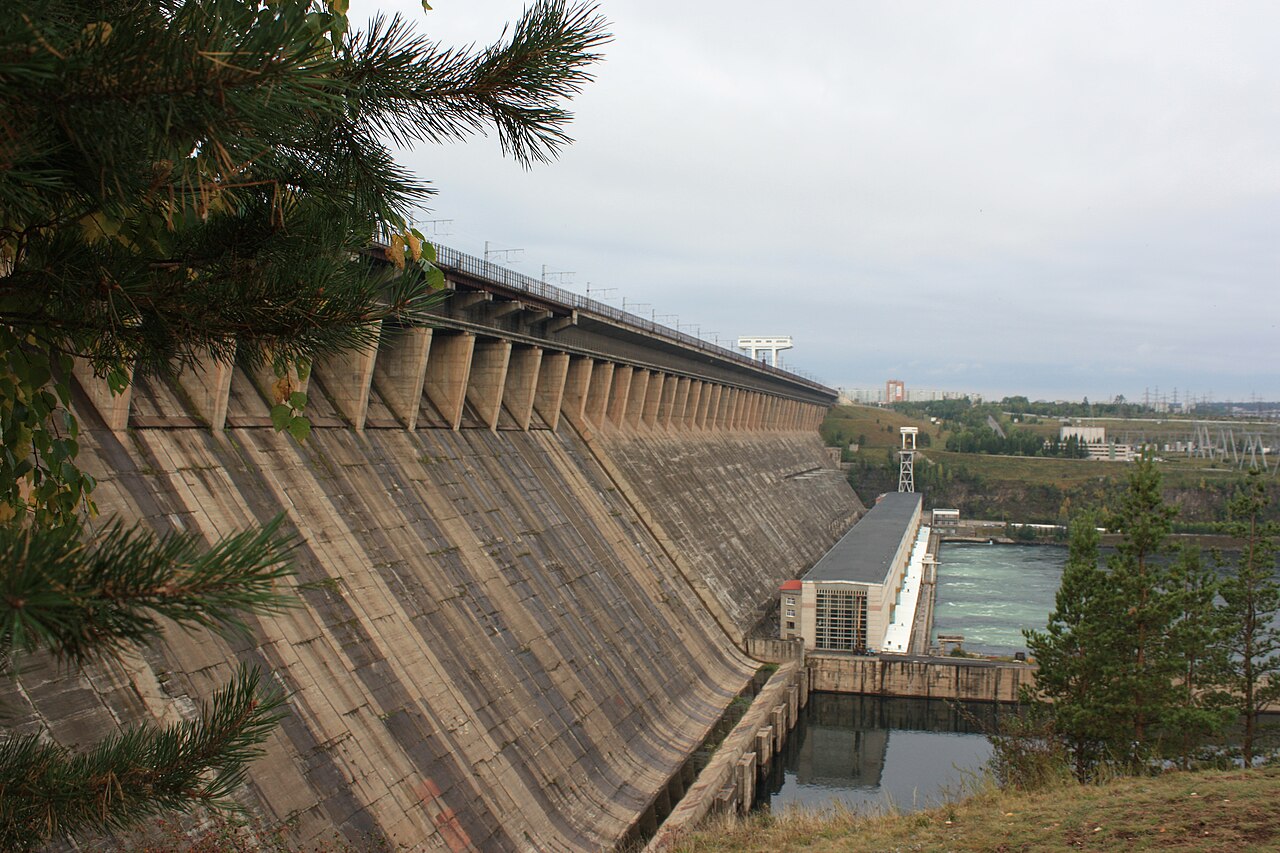
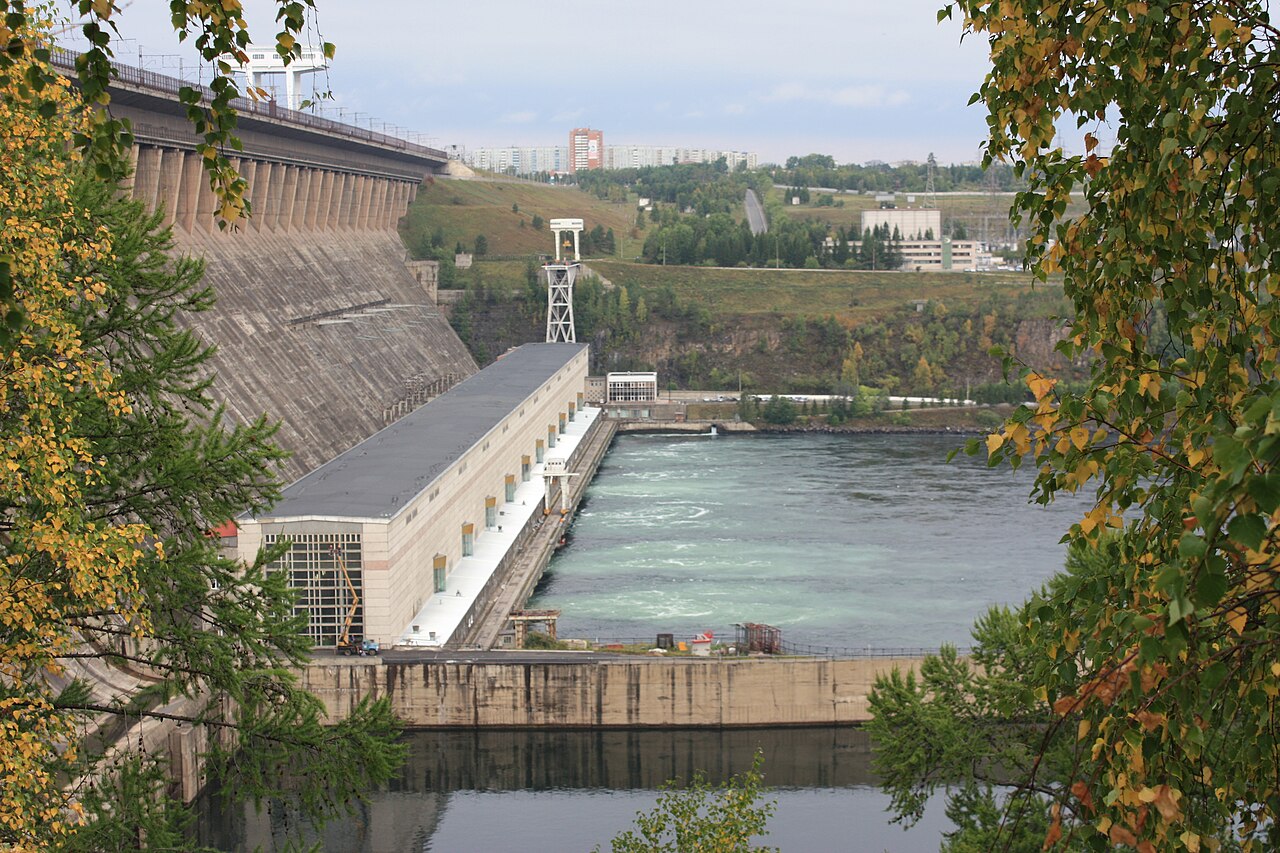
Frequently Asked Questions
What is the Bratsk Hydroelectric Power Station?
It is a concrete gravity dam situated on the Angara River in Irkutsk Oblast, Russia, and carries the alternate name 'The 50 years of Great October Dam.' It serves as the second stage in the Angara River hydroelectric cascade.
Who currently operates the Bratsk Hydroelectric Power Station?
The station is run by a subsidiary of En+ Group, though its historical operator was Irkutskenergo.
More in Power Generation 1-20
Spotted an error? Know more?
This is a living reference — every entry is fact-audited, and reader corrections feed straight into our audit queue. Suggest an edit · See this site's audit record