Chokehold
A grappling hold that restricts air or blood flow through the neck.

Unknown author · Public domain
A chokehold, also known as a choke, stranglehold, or in Judo as shime-waza, is a grappling hold that critically reduces or prevents air or blood from passing through the neck of an opponent. The restriction may be of one or both and depends on the hold used and the reaction of the victim, with the time to render an opponent unconscious varying widely depending on the specific hold, positioning, and physiology—no single average time is universally accepted. Chokeholds are used in martial arts, combat sports, self-defense, law enforcement, and military hand-to-hand combat, and are considered superior to brute-force manual strangling due to their use of leverage.
Quick Facts
- Aka
- Choke, stranglehold, shime-waza
- Parent Style
- Brazilian jiu-jitsu, judo, sambo
Facts from the source article.
Lore & Background
Chokeholds are classified into two main types: air chokes and blood chokes. An air choke compresses the upper airway, interfering with breathing and causing asphyxia, and is associated with fractures of the larynx or hyoid bone. Blood chokes compress the carotid arteries or jugular veins without blocking the airway, causing cerebral ischemia and rapid unconsciousness, and require little physical strength when properly applied. In Judo, chokeholds are known as shime-waza and are subject to restrictions based on age or rank.
Reader's Guide
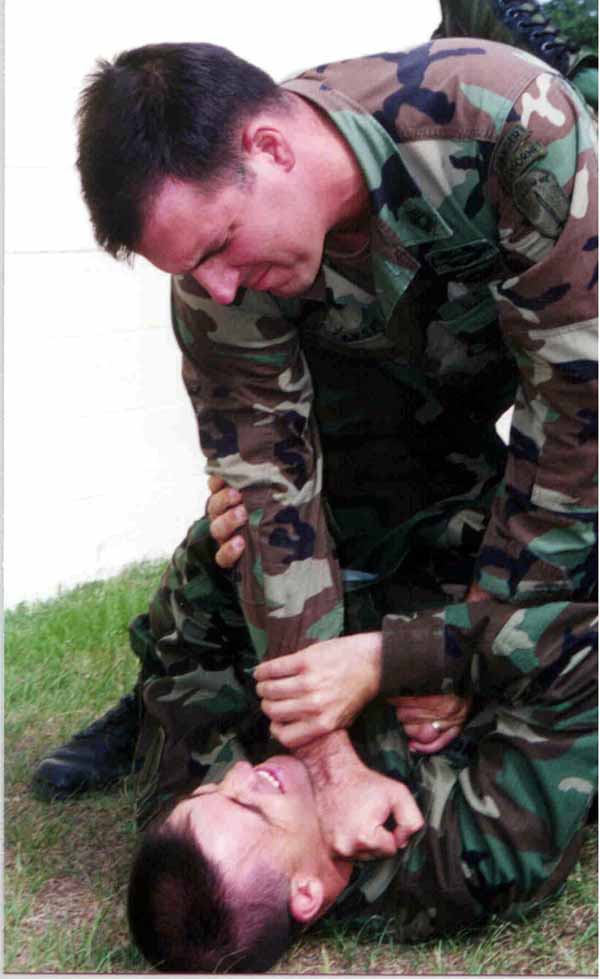
Chokeholds have significant applications in both combat sports and law enforcement. In combat sports such as Brazilian jiu-jitsu, judo, and mixed martial arts, blood chokes like the rear naked choke, triangle choke, and gi choke are common submission holds. In law enforcement, the lateral vascular neck restraint is used to force submission without causing death or permanent injury, but requires careful training to avoid blocking the airway. Following a series of choking deaths, the Los Angeles Police Department banned chokeholds in 1980, and many American police departments followed suit by the early 1990s. Despite bans, the hold was used in the 2014 death of Eric Garner, leading to the George Floyd Justice in Policing Act of 2021, which prohibited federal police officers from using chokeholds. The technique remains controversial due to its potential for fatal outcomes.
Did You Know?
- The time for a chokehold to render an opponent unconscious varies widely; no single average of 9 seconds is universally accepted.
- Blood chokes are also known as sleeper holds or carotid restraints.
- Air chokes are considered less safe than blood chokes and can cause fractures of the larynx or hyoid bone.
The Physiology of Constriction
A chokehold works by cutting off either airflow or blood supply to the brain, and the specific mechanism depends entirely on which structure is compressed. An air choke targets the trachea, larynx, or laryngopharynx, creating a true obstruction of breathing that produces intense pain and a desperate hunger for air. In competitive settings, fighters typically tap out to this type of submission rather than risk unconsciousness. However, air chokes carry a higher risk of fracturing the larynx or hyoid bone, making them the less safe option to train. Blood chokes, by contrast, clamp one or both carotid arteries and sometimes the jugular veins without touching the airway at all. The result is cerebral ischemia—a temporary oxygen-starvation of the brain that knocks a person out quickly. Across all choke types, the average time to unconsciousness has been recorded at roughly nine seconds. Properly applied, a blood choke demands very little raw strength, which is precisely why it outperforms brute-force manual strangling that relies on a large size or strength advantage.
A Cornerstone of Combat Sports
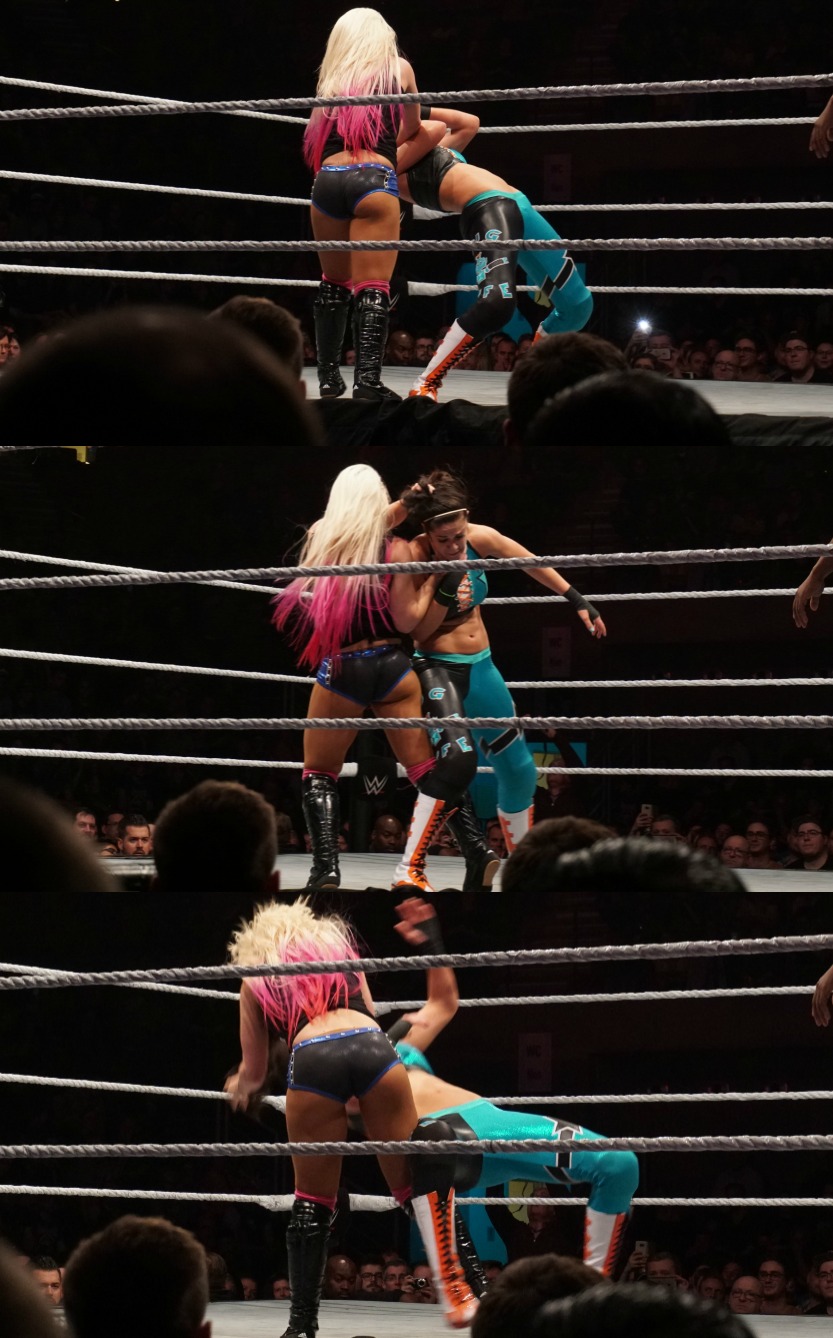
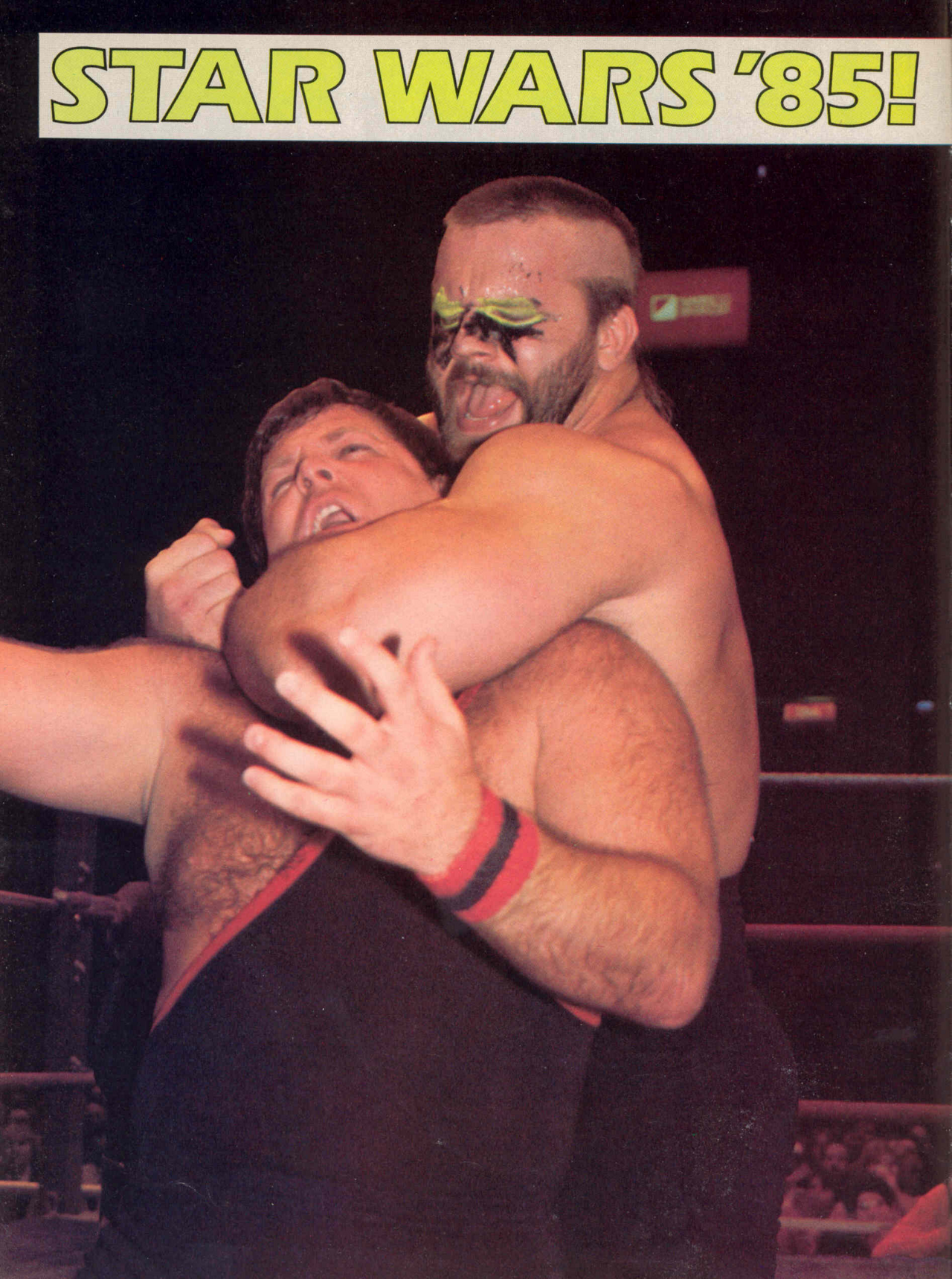
In the world of competitive grappling, chokeholds are among the most reliable finishing tools available. Brazilian jiu-jitsu, for instance, builds its submission repertoire around blood chokes such as the rear naked choke, triangle choke, and various gi-based strangles. Judo codifies these techniques under the umbrella term shime-waza, or 'constriction technique,' and often imposes restrictions on their use based on a practitioner's age or rank to protect younger or lower-ranked students. The rules differ across disciplines: sport sambo prohibits chokeholds entirely, while its cousin combat sambo permits them. Catch wrestling and shoot wrestling developed their own distinctive choking systems, and those techniques directly inspired the dramatic 'chokeholds' seen in modern professional wrestling performances. In mixed martial arts and dedicated submission grappling events, chokes remain the go-to method for forcing a tap, given their broad effectiveness and the wide range of martial arts that teach them. Some schools also incorporate kappo, a set of resuscitation techniques designed to revive a fighter who has been choked into unconsciousness during training or competition.
Terminology and the Naming Problem
One of the most persistent sources of confusion surrounding neck compression is simply what people call it. In most martial arts contexts, the word 'choke' or 'chokehold' is applied to every grappling hold that restricts the neck, even though the vast majority of these techniques actually strangle rather than choke. True choking, in the medical sense, means severe difficulty breathing due to a constricted or obstructed airway. Most common submissions, however, target the carotid arteries and are therefore strangulations. Judo draws a sharper line: 'blood chokes' are called strangleholds or strangles, while 'air chokes' earn the label chokehold or choke. Forensic medicine takes yet another approach, using 'strangle' and 'stranglehold' as blanket terms for any form of neck compression. Law enforcement agencies, meanwhile, tend to refer to the technique simply as a 'neck hold,' and in forensic literature the specific carotid-compression variant is also known as a 'carotid sleeper.' This patchwork of overlapping and sometimes contradictory labels makes precise communication difficult across disciplines.
Law Enforcement and the Cost of Misapplication
When a police officer applies a chokehold to an uncooperative subject, the distinction between airway and carotid compression is critical. A lateral vascular neck restraint compresses both carotid arteries, producing near-instant unconsciousness and an immediate end to resistance. Once pressure is released, oxygenated blood flow resumes and the subject regains awareness. If the airway is blocked instead, the person stays conscious and may struggle for a minute or longer, only losing consciousness once the oxygen in circulation is exhausted. At that point, even releasing the hold may not restore breathing, because the blood reaching the brain carries no oxygen. Following a series of choking deaths, the Los Angeles Police Department banned the technique in 1980, and most American departments followed suit by the early 1990s. Yet in 2014, NYPD officers killed Eric Garner with a prohibited hold. Garner, restrained face-down on a sidewalk over a suspected untaxed cigarette sale, repeated 'I can't breathe' eleven times before losing consciousness and dying roughly an hour later. His death and those words became a rallying cry for the Black Lives Matter movement, which peaked during the 2020 George Floyd protests. In response, the George Floyd Justice in Policing Act was introduced in 2021.
Gallery
Frequently Asked Questions
What is a chokehold in martial arts?
A chokehold is a grappling technique that applies pressure around an opponent's neck to restrict either airflow or blood circulation. It goes by several names, including choke, stranglehold, and shime-waza in Judo.
What are the main types of chokeholds?
They split into two broad categories: air chokes (tracheal chokes) that compress the windpipe, and blood chokes (carotid restraints) that compress the carotid arteries. Which mechanism dominates depends on the specific hold and how the victim reacts.
How long does a chokehold take to render someone unconscious?
There is no single universally accepted average; the time varies widely based on the particular hold, body positioning, and the individual's physiology. A victim's active resistance can also shorten or lengthen that window.
Where are chokeholds used in practice?
They appear in martial arts, competitive combat sports, self-defense curricula, law-enforcement tactics, and military hand-to-hand combat programs. In all of these contexts they are treated as a core grappling skill.
What are the serious risks associated with a chokehold?
Beyond loss of consciousness, a chokehold can cause death, fractures to the larynx or hyoid bone, and other severe neck injuries. This is why proper technique, supervision, and training are stressed in any discipline that teaches them.
More in Martial arts techniques 1-24
Spotted an error? Know more?
Reader corrections go straight into our review queue. Suggest an edit · How this site is sourced