
Ray Barretto
American percussionist and bandleader of Puerto Rican descent.

Roland Godefroy · CC BY-SA 3.0
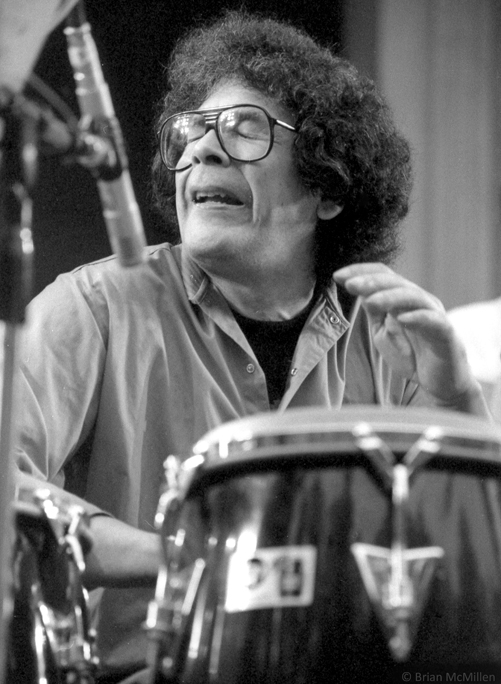
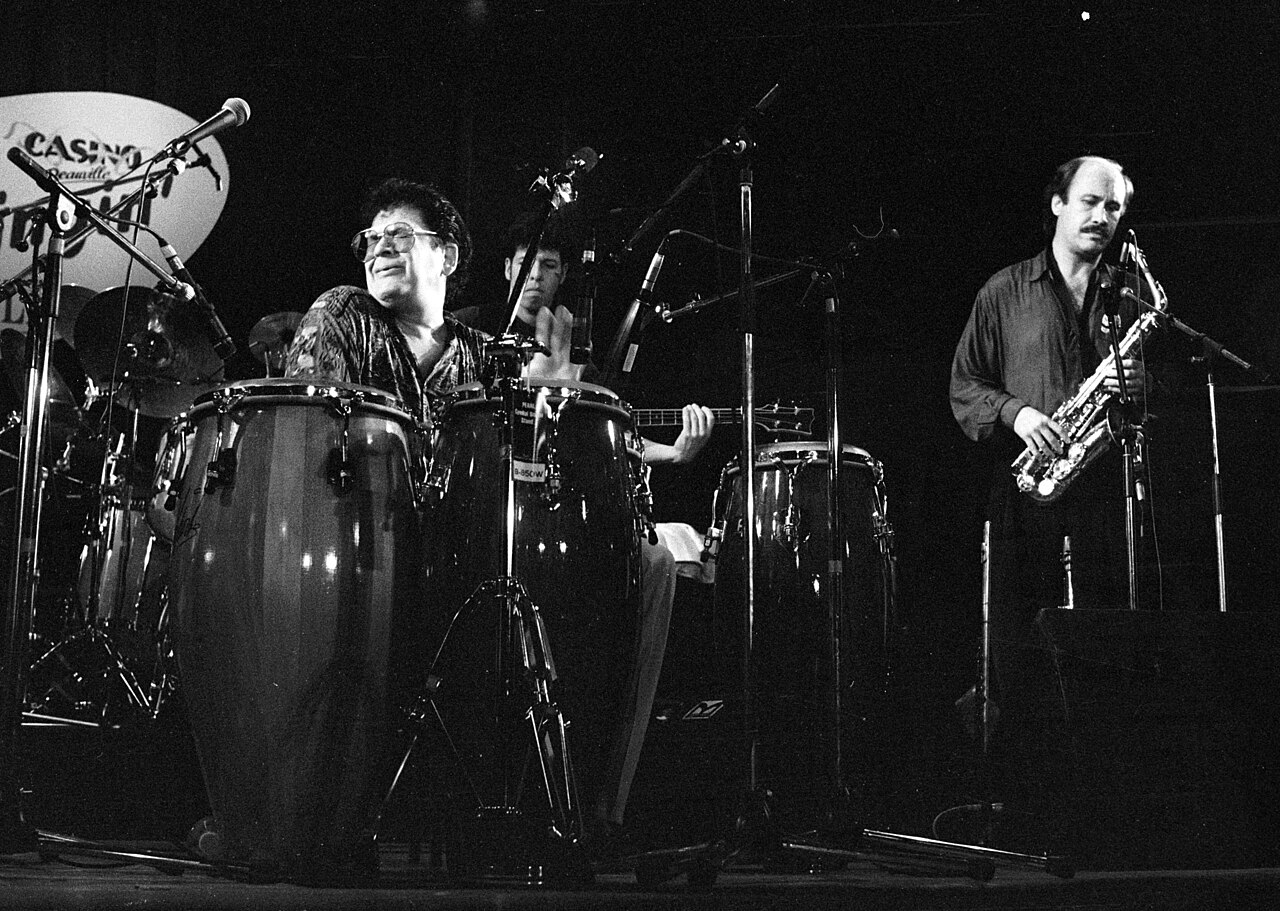
Raymundo "Ray" Barretto Pagán (April 29, 1929 – February 17, 2006) was an American percussionist and bandleader of Puerto Rican descent. Throughout his career, he played a wide variety of Latin music styles and Latin jazz, and is noted for his first hit "El Watusi" (1962), the most successful pachanga song in the United States. He became a leading figure in boogaloo and early salsa, while remaining rooted in traditional genres such as son cubano.
- Born
- April 29, 1929, Brooklyn, New York
- Died
- February 17, 2006, Hackensack, New Jersey
- Field
- Percussionist, bandleader
- Nationality
- American (Puerto Rican descent)
- Known for
- First hit "El Watusi", boogaloo and salsa pioneer, member of Fania All-Stars
Lore & Background
Barretto was born in Brooklyn, New York, to parents who moved from Puerto Rico in the early 1920s. His father left when he was four, and his mother moved the family to Spanish Harlem and then the Bronx. Influenced by his mother's love of music and jazz of Duke Ellington and Count Basie, he joined the Army at 17. While stationed in Germany, he heard Dizzy Gillespie's "Manteca" and realized his calling; he began playing music at a nightclub welcoming to black servicemen, using the back head of a banjo.
Returning from service in 1949, Barretto perfected his conga playing in jam sessions and became a pioneering U.S.-born percussionist to popularize the conga drum in jazz, following earlier innovators like Chano Pozo and Mongo Santamaría. Charlie Parker invited him to play, and he later played for José Curbelo and Tito Puente. In 1962 he formed Charanga La Moderna and recorded "El Watusi". In the late 1960s he became a leading exponent of boogaloo and early salsa, joining Fania Records in 1967. His album Acid (1968) is cited as an enduring boogaloo album.
Reader's Guide
Ray Barretto's significance lies in his role as a bridge between Latin music and jazz, and as a key figure in the development of boogaloo and salsa in the United States. His first hit, "El Watusi", popularized pachanga, and his work with the Fania All-Stars helped define the salsa sound of the 1970s. Despite commercial success, Barretto remained committed to traditional Afro-Cuban forms and descarga (improvised jam sessions). His later years saw him form the New World Spirit jazz ensemble and win a Grammy in 1990 for Ritmo en el corazón with Celia Cruz and Adalberto Santiago. He was inducted into the International Latin Music Hall of Fame in 1999 and received the NEA Jazz Masters Award in 2006. His legacy includes influencing generations of Latin jazz and salsa musicians, and his recordings continue to be sampled and referenced in popular culture.
Did You Know?
- Barretto's first hit "El Watusi" (1962) was the most successful pachanga song in the United States.
- His 1968 song "A Deeper Shade of Soul" was sampled for the 1990 hit "Deeper Shade of Soul" by Urban Dance Squad.
- Barretto was the father of Ray Barretto Jr. and a daughter, but not of vocalist and saxophonist Chris Barretto.
Early Life and Musical Awakening
Raymundo Barretto Pagán entered the world on April 29, 1929, in Brooklyn, New York, the son of Puerto Rican immigrants who had crossed the ocean in the early 1920s seeking a better life. His childhood was shaped by loss and movement: his father abandoned the family when Ray was just four, and his mother Delores subsequently relocated them from Spanish Harlem to the Bronx when he was seven. Music, however, was a steady thread through those years, nurtured by his mother's deep love of it and by the sweeping jazz of Duke Ellington and Count Basie. At seventeen, Barretto enlisted in the Army and was stationed in Germany, where he encountered Belgian vibraphonist Fats Sadi. The truly pivotal moment arrived when he heard Dizzy Gillespie's Manteca, performed with Gil Fuller and Chano Pozo; that recording crystallized his artistic direction. Struggling with racial discrimination while serving in Germany, Barretto found refuge in a nightclub welcoming to Black servicemen, where he launched his musical journey by playing the back head of a banjo.
Pioneering the Conga in Jazz
Upon returning to New York in 1949, Barretto threw himself into the city's vibrant club scene, sharpening his conga technique through countless jam sessions. His contribution to jazz history is substantial: he is widely credited as the first percussionist born in the United States to integrate the conga drum into a jazz ensemble. His talent quickly attracted attention from the genre's elite. Legend has it that Charlie Parker heard him play and immediately invited him into his band. He subsequently performed with José Curbelo and spent four years in the orbit of the legendary Tito Puente, earning his first recording credit in 1958. Barretto's distinctive approach to the conga reshaped the sonic landscape of jazz, prompting other Latin percussionists to appear in jazz groups with growing frequency. His influence extended well beyond the Latin world; in 1963 he contributed conga parts to Kenny Burrell's celebrated album Midnight Blue, a record that critics have consistently ranked among the finest in jazz history.
From Pachanga to Salsa: The Fania Years
Barretto's path to stardom began in 1962 when he formed Charanga La Moderna and recorded El Watusi for Tico Records, a track that became the most successful pachanga song in the United States. Though the genre's popularity typecast him in a way he resented, it launched his career. By 1965 he had signed with UA Latino and pivoted toward boogaloo, a hybrid of rhythm and blues and Latin music. His album El Ray Criollo fused charanga and conjunto elements, helping to birth the sound that would eventually be called salsa. In 1967 he joined Fania Records, releasing the 1968 album Acid, frequently cited as a defining boogaloo record. The 1970s brought further triumphs: Cocinando opened the Fania All Stars film Our Latin Thing, and 1973's Indestructible featured the classic La familia. Yet a wave of departures, with most of his band members leaving to form Típica 73, left him disillusioned with salsa, prompting a turn back toward jazz while he remained musical director of the Fania All-Stars.
Later Career, Legacy, and Family
Barretto's creative output never waned. After his final Fania album Soy dichoso in 1990, he assembled the New World Spirit jazz ensemble and continued touring and recording until his death on February 17, 2006. His artistic reach spanned decades and genres: he played conga on sessions for the Rolling Stones and the Bee Gees, contributed to Herbie Mann's Discotheque album, and received Grammy nominations for Barretto in 1975 and for Tomorrow: Barretto Live. His sole Grammy win came in 1990 for Ritmo en el corazón, a tropical music collaboration featuring Celia Cruz and Adalberto Santiago. His 1979 production Rican/Struction earned the title of 1980 Best Album from Latin N.Y. Magazine, which also named him Conga Player of the Year. His musical DNA traveled far beyond the Latin world: his 1968 track A Deeper Shade of Soul was sampled in Urban Dance's 1991 Billboard top-25 hit and later appeared in the Grand Theft Auto: Vice City Stories soundtrack. Barretto also fathered Chris Barretto, the vocalist and saxophonist known for his work with progressive metal bands Monuments and Periphery.
Gallery
Frequently Asked Questions
Who is Ray Barretto?
Ray Barretto was an American percussionist and bandleader born in Brooklyn to a Puerto Rican family. He spent his career weaving together Latin rhythms and jazz, helping define the sounds of boogaloo and early salsa while staying grounded in traditional Cuban forms like son.
What is Ray Barretto's most famous recording?
His 1962 track "El Watusi" became the top-selling pachanga record in the United States and is the song most closely tied to his name. It remains the entry point for most listeners discovering his catalog.
What role did Ray Barretto play in the development of salsa and boogaloo?
He is widely regarded as a foundational figure in both boogaloo and the early salsa movement. His ensembles helped bridge traditional Puerto Rican and Cuban rhythms with the Latin-jazz energy that would define New York's Latin scene in the 1960s and 70s.
What instruments did Ray Barretto play?
He was primarily a percussionist, best known for his work on congas and other Latin percussion voices. He also led his own bands as a bandleader throughout his career and was a member of the Fania All-Stars.
When and where did Ray Barretto die?
Ray Barretto passed away on February 17, 2006, in Hackensack, New Jersey, at the age of 76. His death marked the end of a career that spanned more than four decades of Latin music and jazz fusion.
More in Jazz fusion musicians 1-24
Spotted an error? Know more?
Reader corrections go straight into our review queue. Suggest an edit · How this site is sourced