
Germán Bringas
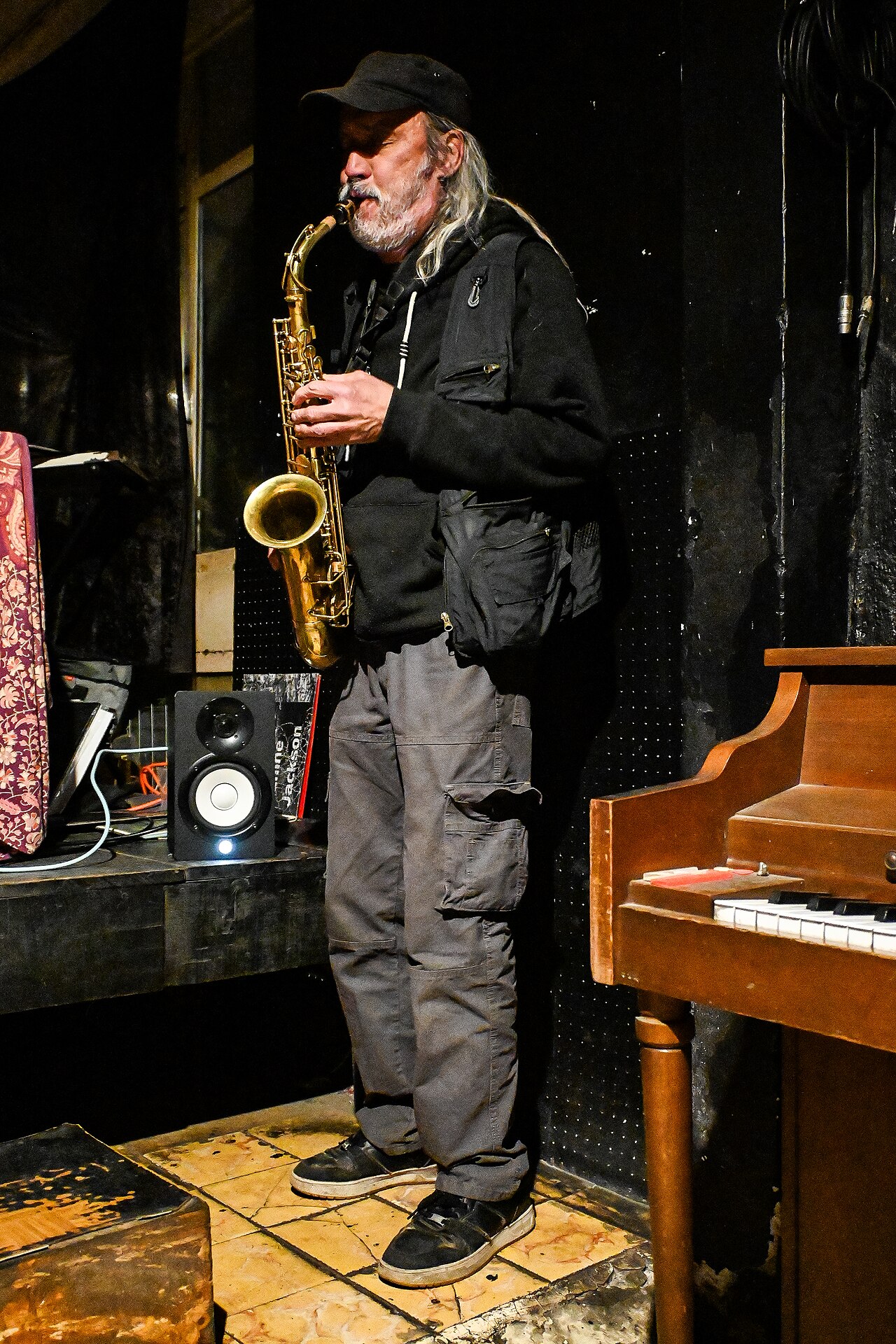
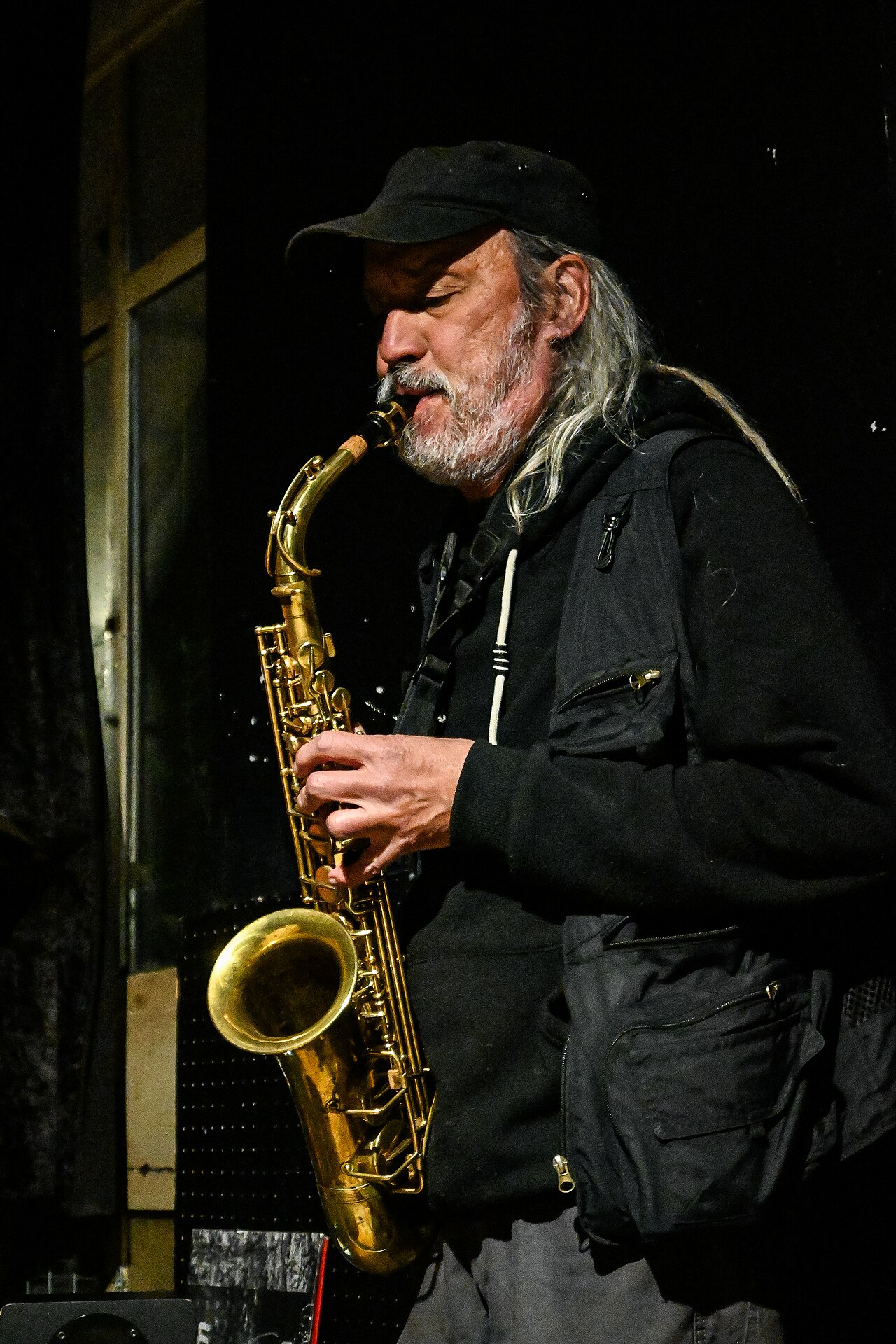
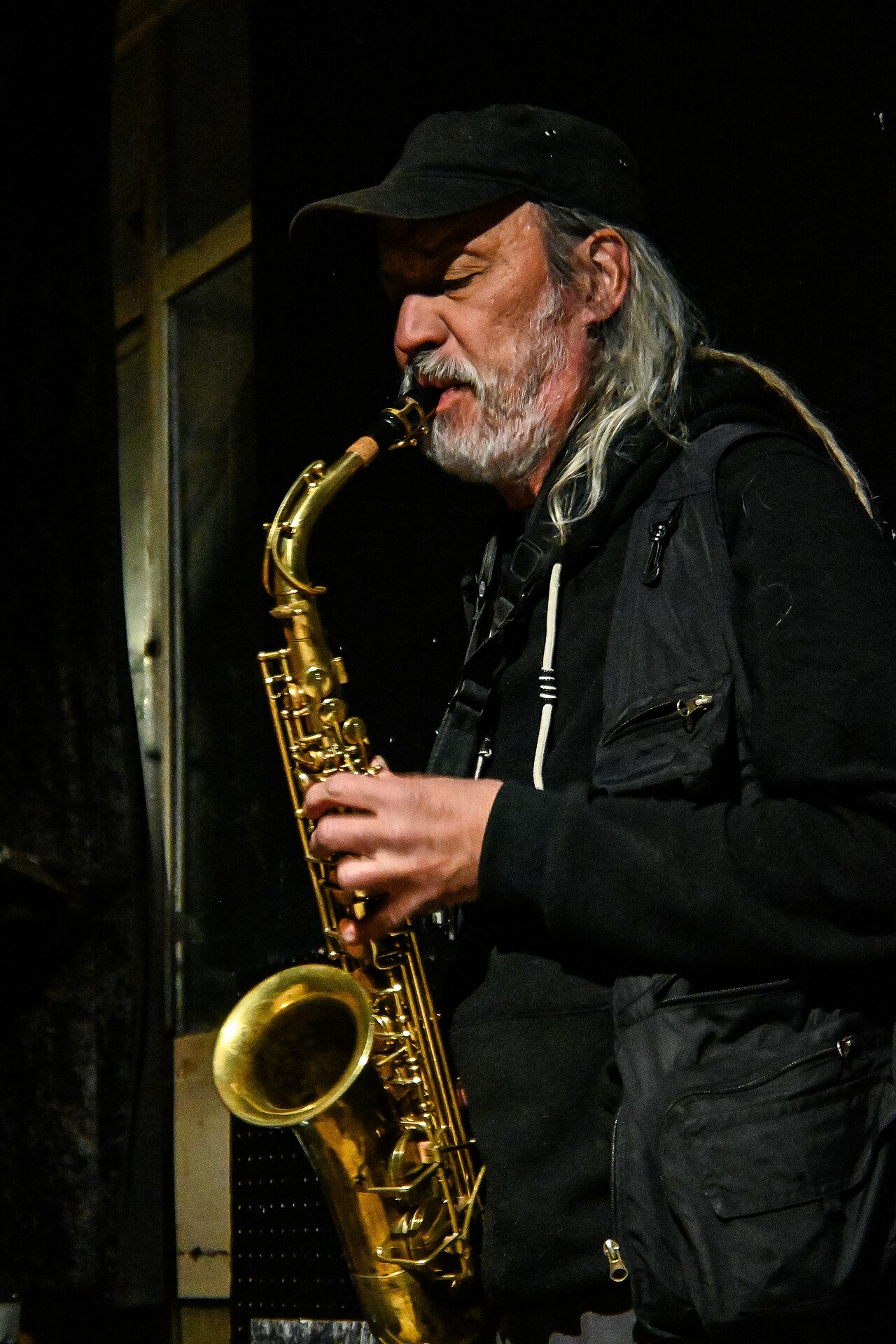
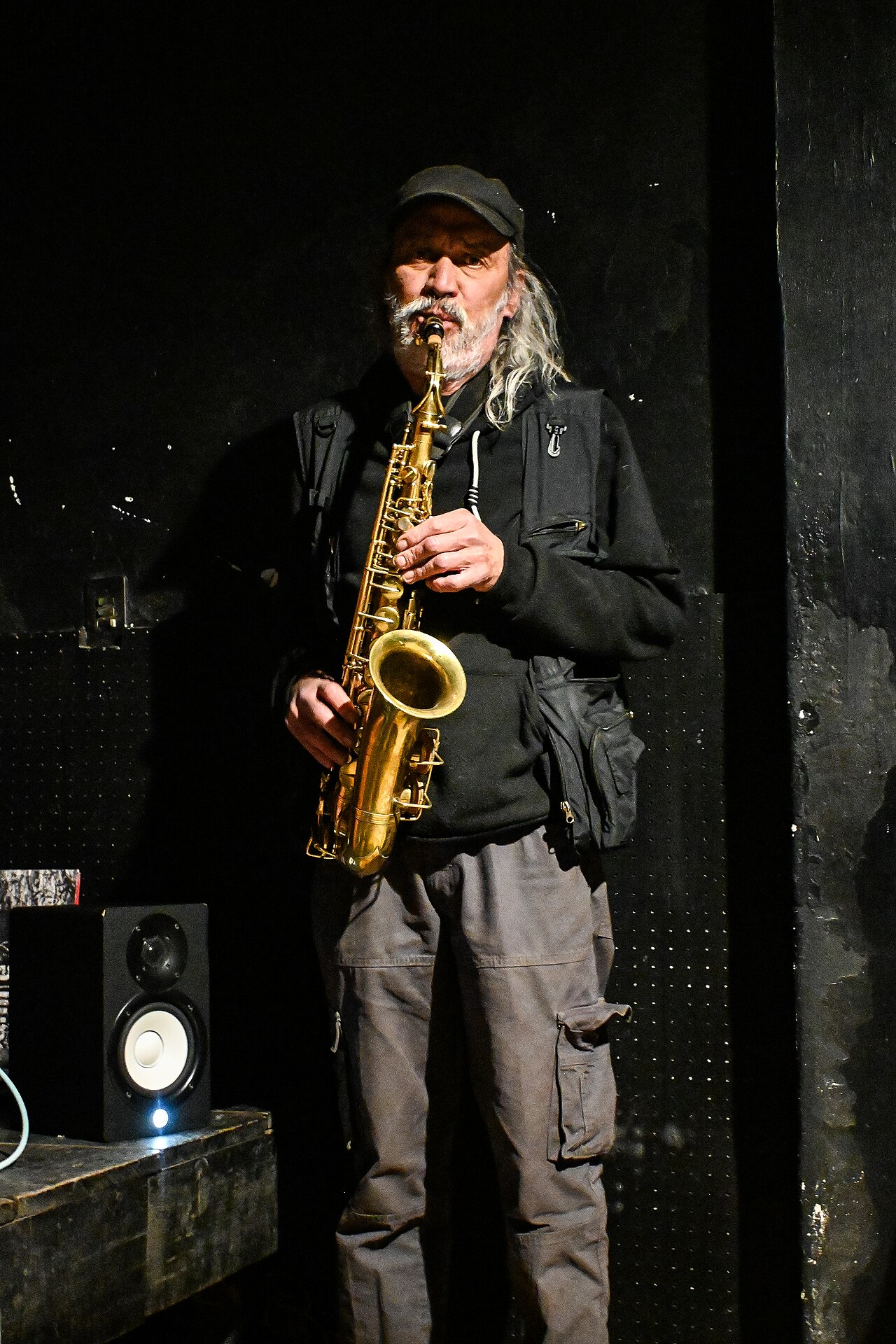
Mexican multi-instrumentalist and pioneer of free jazz in Mexico.

ProtoplasmaKid · CC BY-SA 4.0
Germán Bringas (Mexico City, 1965) is a Mexican multi-instrumentalist, composer, producer, and performer associated with free jazz, improvisation, and extended techniques. He is known for founding the record label Jazzorca Récords and the Jazzorca café, a venue in Mexico City that promoted experimental music. His work includes solo projects, ensembles, and orchestral compositions, and he has collaborated with notable figures in free improvisation.
- Born
- 1965, Mexico City
- Field
- Free jazz, improvisation, extended techniques
- Nationality
- Mexican
- Known for
- Founding Jazzorca Récords and Jazzorca café; performing and conducting John Zorn's Cobra
Lore & Background
In 2003, during the Radar Mexico festival, John Zorn selected Bringas to perform and conduct a 14-piece orchestra in Zorn's piece Cobra. Bringas has collaborated with musicians including Scott Forrey, Fred Frith, Chris Cutler, John Zorn, Tatsuya Yoshida, Shelley Hirsch, Hans Tammen, Ursel Schlicht, Morio, Kathrin Lemke, and Robert Michler. He also manufactures musical instruments such as steel tongue drums.
Reader's Guide
Germán Bringas holds significance as a central figure in the Mexican free jazz and experimental music scene. By founding Jazzorca Récords and Jazzorca café, he created infrastructure for artists working outside mainstream jazz, providing a platform for free improvisation and sound experimentation in Mexico City. His selection by John Zorn to conduct Cobra in 2003 underscores his recognition within the international avant-garde. Bringas's synesthesia and early exposure to Carlos Castaneda's ideas on perception inform his approach to music, while his move away from classical jazz and bebop at age 23 marked a turning point toward extended techniques and collaborative improvisation. His discography, spanning from 1990 to 2021, includes solo piano works, ensemble pieces, and collaborations with prominent improvisers. Additionally, his work as a manufacturer of steel tongue drums reflects a hands-on engagement with instrument design. Bringas's legacy lies in his role as a catalyst for experimental music in Mexico, bridging local and global networks of free improvisation.
Did You Know?
- Germán Bringas has a type of synesthesia that allows him to relate colors with sounds.
- He met Carlos Castaneda at age 16, who influenced his study of perception.
From Classical Roots to Sonic Liberation
Germán Bringas was born in Mexico City in 1965 and first sat at a classical piano at the age of seven, continuing formal study for seven additional years. A form of synesthesia runs through his perception, allowing him to experience colors alongside sounds—a quality that likely shaped his lifelong sensitivity to timbre and texture. At sixteen, an encounter with Carlos Castaneda introduced him to ideas about perception that would prove formative. By twenty-three, however, the conventions of classical jazz and bebop felt increasingly constraining. He deliberately turned toward free improvisation, extended techniques, and raw sound experimentation, drawing inspiration from figures like John Zorn and Fred Frith. This pivot was not merely stylistic; it was existential. He relocated to a country house on the outskirts of Mexico City, a space that became both creative sanctuary and family home, where his sons Sim and Iván—both of whom would go on to pursue music—grew up immersed in an environment of constant sonic inquiry.
Architect of a Scene: Jazzorca and the Portales Stage
In 1991, Bringas took a decisive step beyond performance by founding Jazzorca Récords, a small label created specifically to give him full control over producing his own recordings. The initiative quickly grew beyond the studio. In 1995 he opened Jazzorca café in the Portales neighborhood of Mexico City, a dedicated musical venue whose weekly programming centered on free jazz, improvisation, and sound experimentation—genres largely absent from the city's established jazz clubs, which tended to favor more traditional repertoire. This was a grassroots act of cultural infrastructure: a single musician building the ecosystem in which his artistic vision could be heard, discussed, and expanded. The café became a gathering point for local and visiting artists exploring the margins of jazz. Through both the label and the venue, Bringas ensured that experimental music in Mexico was not merely tolerated in peripheral spaces but given a recurring, visible home. His role as producer, programmer, and performer made him something rarer than a solo artist: a scene-builder.
Crossing Borders: International Collaborations and the Cobra Moment
Bringas's artistic reach extended well beyond Mexico City. His collaborations span a remarkable roster: Fred Frith, Chris Cutler, John Zorn, Scott Forrey, Tatsuya Yoshida, Shelley Hirsch, Hans Tammen, Ursel Schlicht, Morio, Kathrin Lemke, and Robert Michler, among others. One of the most striking projects was his 1999 album with Frith and Cutler, a meeting of three improvisers from different traditions. Yet the defining international moment came in 2003, during the Radar Mexico festival, when John Zorn personally selected Bringas to perform and conduct his orchestral work Cobra with a fourteen-piece ensemble. That single event validated years of self-directed experimentation on a global stage. Bringas also composes for larger and more unusual formations, including the ensemble Zero Point and the orchestral project La Orkezta de los 13 Zalbajes, demonstrating that his curiosity about ensemble writing and orchestral color is as deep as his solo explorations.
A Lifelong Catalogue and the Maker's Hands
Bringas's recorded output stretches from 1990 to 2021, a span of more than three decades of continuous creative activity. Early albums like Caminatas, Piano Solos, and Nuevos Rasgos (all 1990) established his voice on Jazzorca Récords, while later works such as Improvisaciones En N.Y. (1994), El salto (1996), and La triste maquina de hacer arroz (1997) tracked his evolving interests. The expansive Zona de desfragmentación series—two boxes containing seven discs each, released between 2005 and 2008—represents a particularly ambitious chapter. More recent releases include Tank tromp (2011), Ensamble Libre de Ritmos Africanos (2011), and Túnel hacia ti (2021, on Smile C). Beyond performance and composition, Bringas is also a hands-on instrument maker, crafting steel tongue drums that extend his palette of available sounds. His sons Sim and Iván, raised in that same creative household, have followed their own musical paths, suggesting that the experimental ethos he cultivated in a country house outside Mexico City has become a generational inheritance.
Gallery
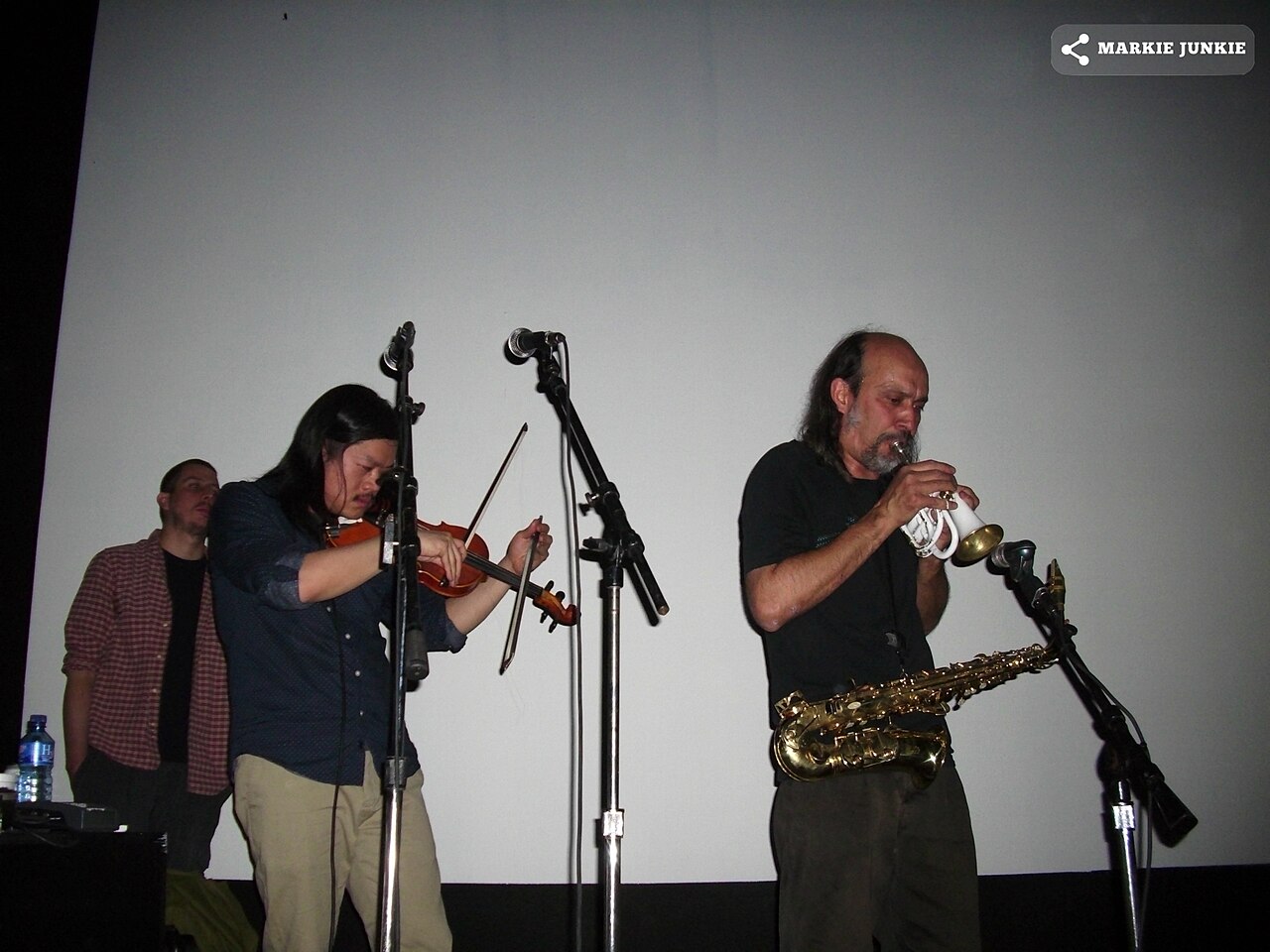
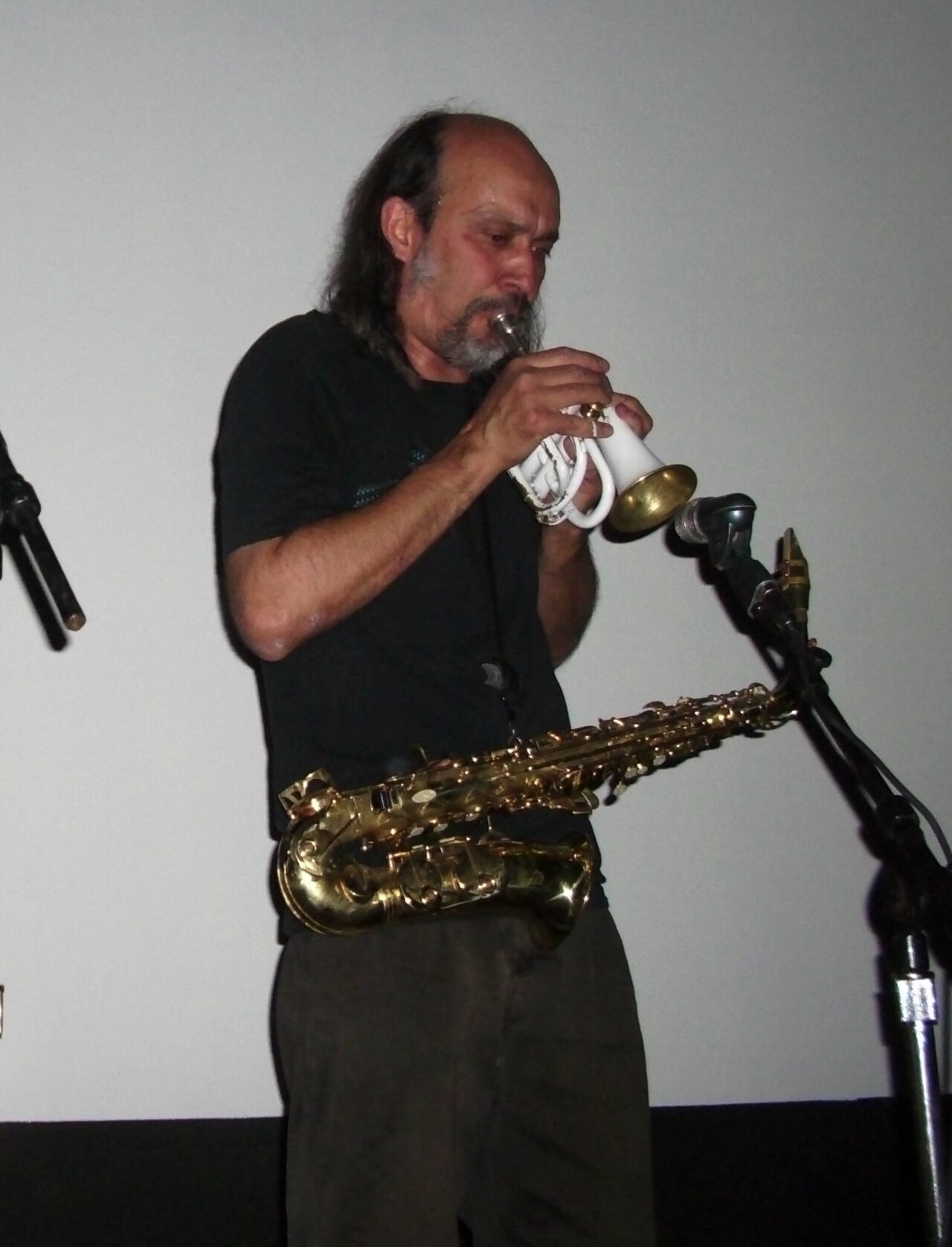
Frequently Asked Questions
Who is Germán Bringas?
Germán Bringas is a Mexican multi-instrumentalist, composer, and producer born in Mexico City in 1965. He works primarily in the realms of free jazz, spontaneous improvisation, and extended instrumental techniques.
What is Germán Bringas's most notable contribution to the jazz scene?
He founded Jazzorca Récords, a record label dedicated to experimental and improvised music, and also established the Jazzorca café in Mexico City as a live venue for such performances. These two institutions became central hubs for the Mexican free-improvisation community.
How is Germán Bringas connected to John Zorn?
Bringas is recognized for both performing and conducting John Zorn's piece *Cobra*, a demanding ensemble work rooted in free-jazz and avant-garde traditions. This association placed him in close dialogue with one of the most influential figures in contemporary experimental music.
What kinds of projects does Germán Bringas work on?
His output spans solo recordings, small ensembles, and larger orchestral compositions, all grounded in improvisation and extended techniques. He has also collaborated with other prominent names in the free-improvisation world.
Why is Germán Bringas considered important in Mexican music?
He is widely regarded as a pioneer who helped establish free jazz and experimental improvisation as a viable scene in Mexico. By creating both a label and a dedicated performance space, he gave local and international avant-garde artists a platform that had not previously existed in the country.
More in Jazz fusion musicians 1-24
Spotted an error? Know more?
Reader corrections go straight into our review queue. Suggest an edit · How this site is sourced