
Supreme Court of the United Kingdom
Final court of appeal for the United Kingdom, established in 2009.

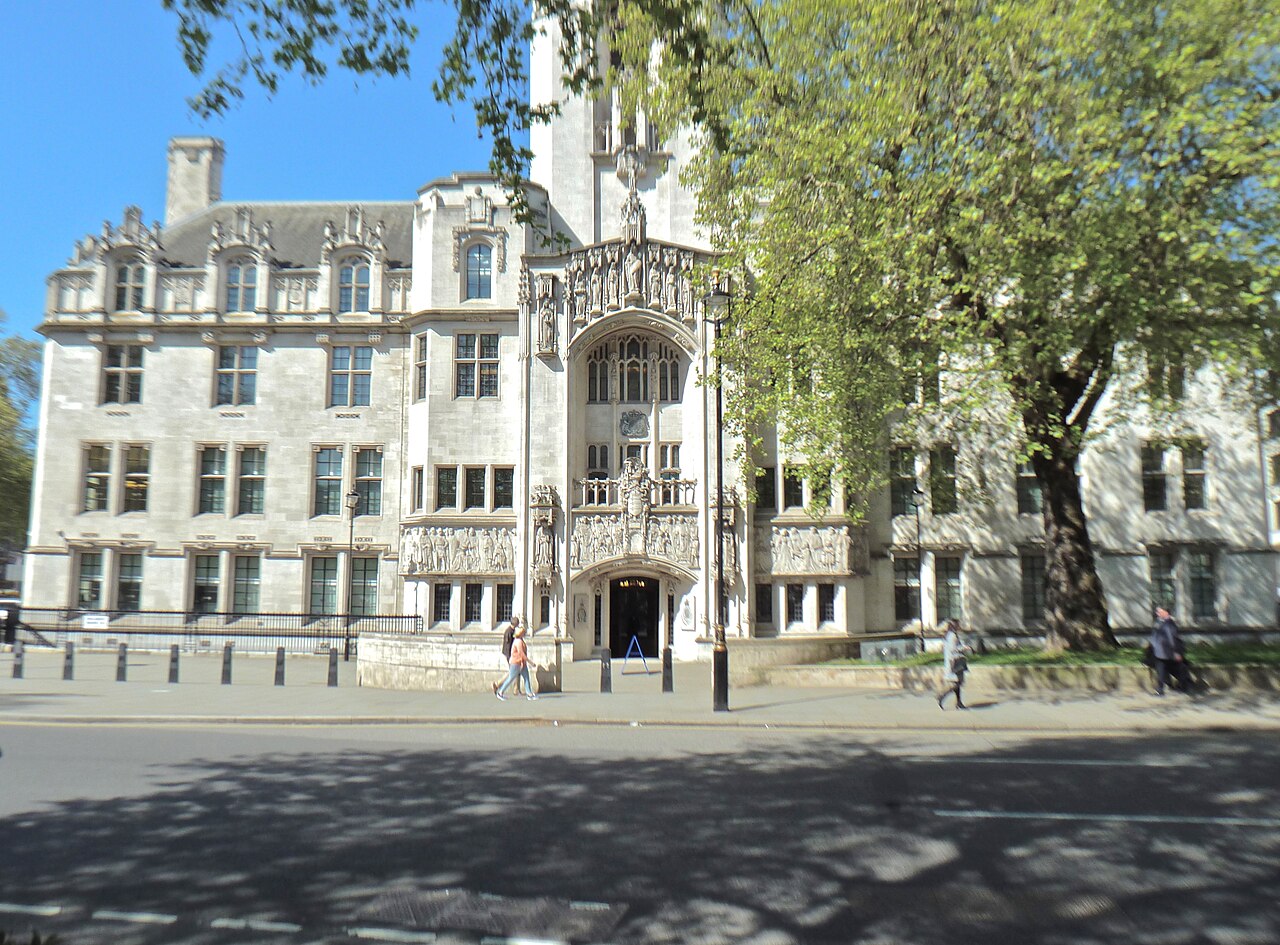
Anthony O'Neil · CC BY-SA 2.0
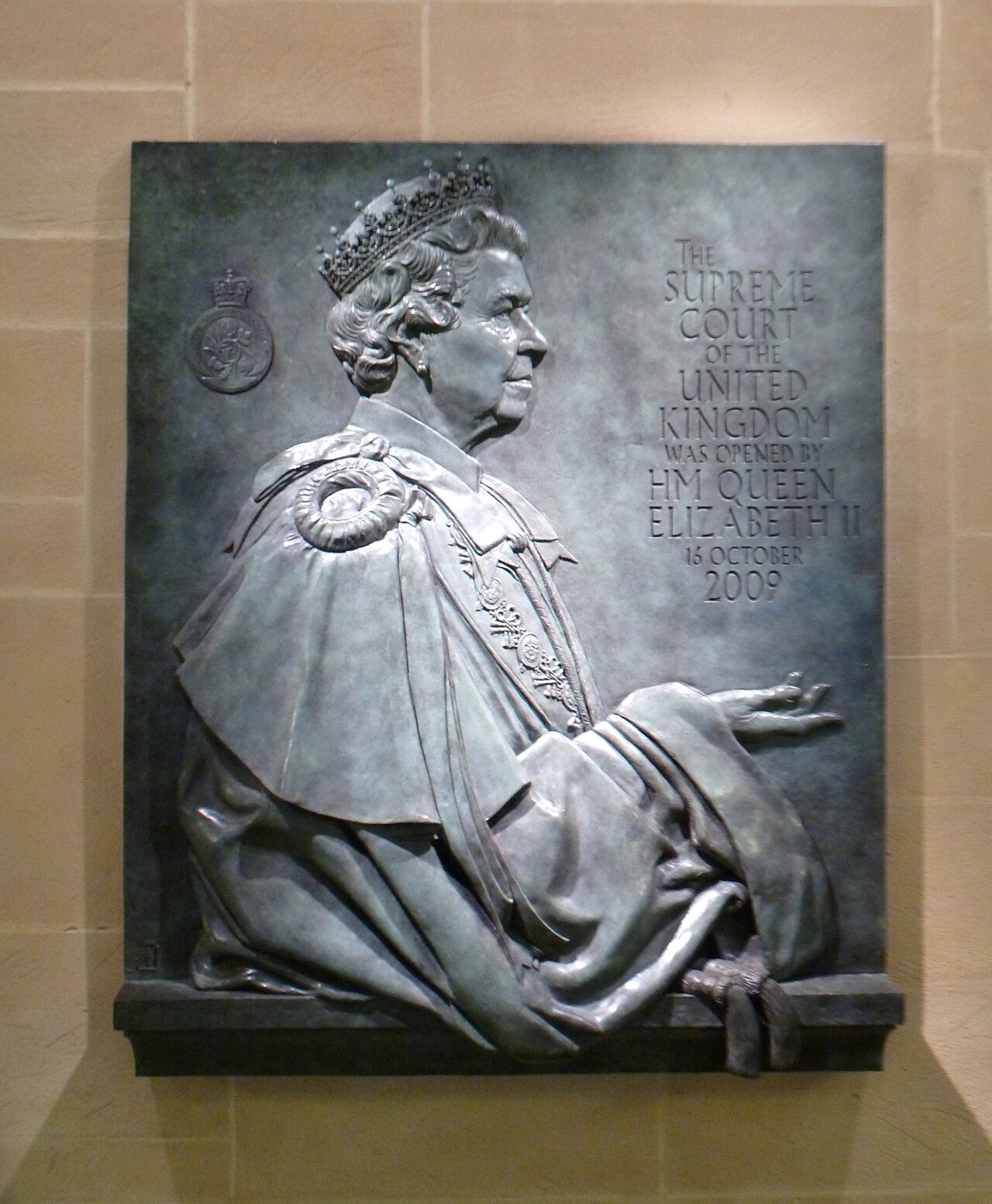
The Supreme Court of the United Kingdom (UKSC) serves as the highest court of appeal for all civil cases across the UK, and for all criminal cases from England, Wales, and Northern Ireland. It also handles a small number of criminal appeals from Scotland. Created on 1 October 2009 under the Constitutional Reform Act 2005, the Court deals with matters of major public or constitutional significance that affect the entire country. Additionally, it hears devolution cases from Scotland, Wales, and Northern Ireland. Because of this, its bench must include judges from all three of the UK’s legal systems—England and Wales, Scotland, and Northern Ireland—with a total of twelve judges drawn from these regions.
The Court typically convenes at the Middlesex Guildhall in Westminster, but it can sit elsewhere, having previously held sessions in Edinburgh City Chambers, the Royal Courts of Justice in Belfast, the Tŷ Hywel Building in Cardiff, and the Manchester Civil Justice Centre.
Due to the UK’s doctrine of parliamentary sovereignty and lack of a codified constitution, the Supreme Court has far narrower powers of judicial review than the constitutional or supreme courts of countries like India, the United States, Canada, or Australia. It cannot strike down primary legislation passed by Parliament. However, like other UK courts, it can overturn secondary legislation if that legislation is found to be ultra vires—beyond the powers granted by the primary legislation that authorized it. Additionally, the Court can disapply incompatible EU law (where applicable) and issue declarations of incompatibility under the Human Rights Act 1998, though these do not invalidate the law.
Under section 4 of the Human Rights Act 1998, the Supreme Court (along with certain other UK courts) can issue a declaration of incompatibility, stating that a piece of legislation—whether primary or secondary—conflicts with a right under the European Convention on Human Rights. This declaration does not nullify the law, and neither Parliament nor the government is required to act on it. If they choose to accept it, ministers may use powers under section 10 of the Human Rights Act to amend the legislation via statutory instrument, or ask Parliament to make the change.
The Supreme Court is a non-ministerial government department.
Last updated 2026-09-28 from the source article.
Quick Facts
- Established
- 1 October 2009
- Jurisdiction
- United Kingdom
- Location
- Middlesex Guildhall, Parliament Square, London, England
- Appealsto
- European Court of Human Rights (for human rights issues)
- Terms
- Mandatory retirement at age 75
- Positions
- 12
- Chiefjudgetitle
- President
- Chiefjudgename
- The Lord Reed of Allermuir
Facts from the source article.
Lore & Background
The Supreme Court assumed the judicial functions of the House of Lords, which had been exercised by the Lords of Appeal in Ordinary (Law Lords). Its jurisdiction over devolution matters had previously been exercised by the Judicial Committee of the Privy Council. The creation of a Supreme Court was first proposed in a July 2003 consultation paper by the Department of Constitutional Affairs, arguing for explicit separation of judicial functions from the legislature. The first President of the Court, The Lord Phillips of Worth Matravers, claimed the old system confused people and that the Supreme Court would for the first time provide a clear separation of powers. The first case heard by the Court was R v Horncastle in 2009, a landmark criminal appeal concerning hearsay evidence. Notable later cases include R (Miller) v Secretary of State for Exiting the European Union (2017) and R (Miller) v The Prime Minister / Cherry v Advocate General for Scotland (2019), the latter being one of several cases heard by a panel of 11 justices.
Gallery


Frequently Asked Questions
Who is the Supreme Court of the United Kingdom?
The UKSC is the final appellate court for civil matters across the entire UK and for criminal appeals from England, Wales, and Northern Ireland, with a limited number of criminal appeals from Scotland. It was established on 1 October 2009 under the Constitutional Reform Act 2005, succeeding the Appellate Committee of the House of Lords.
How is the Supreme Court of the United Kingdom composed?
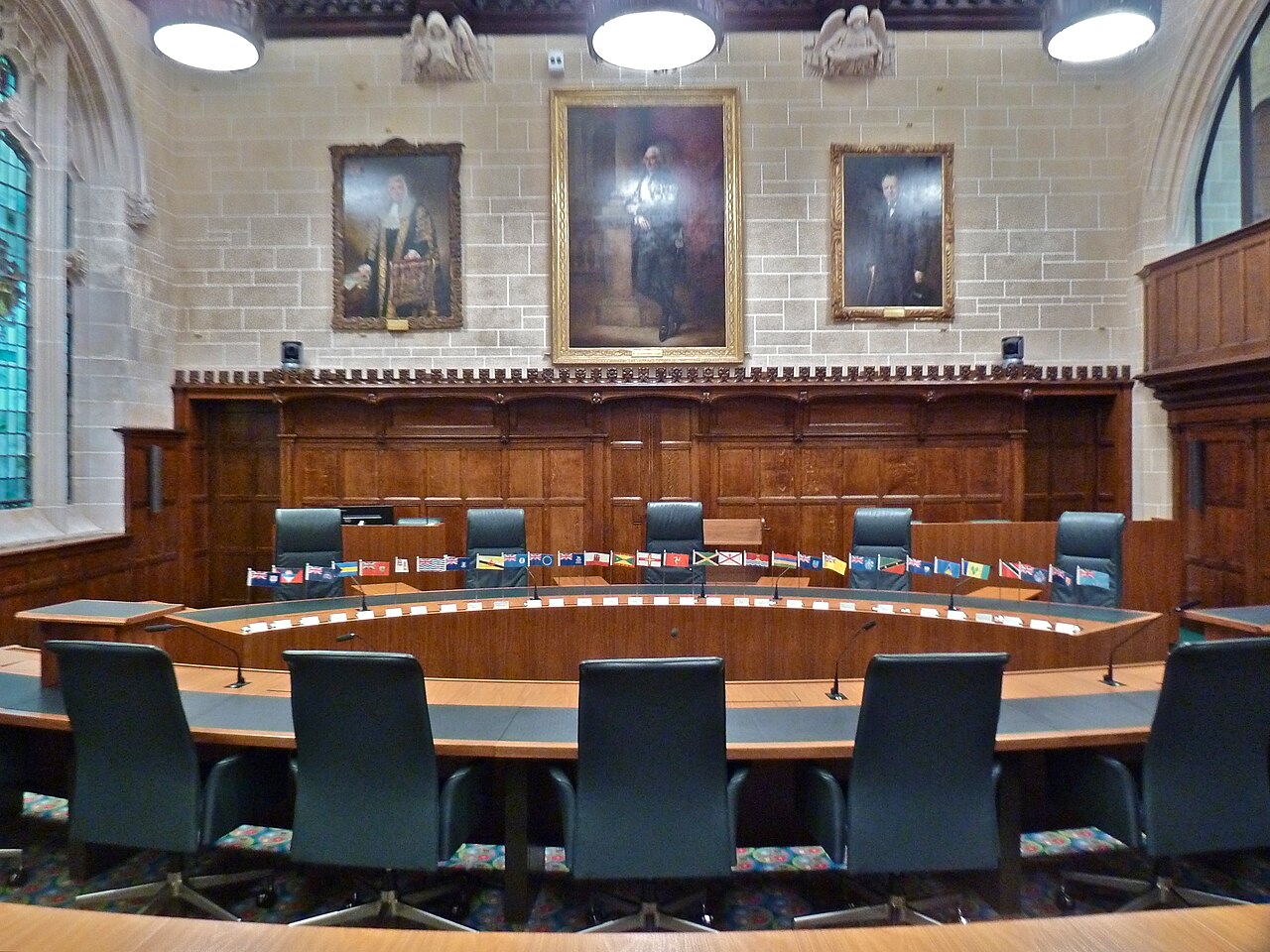
The bench comprises 12 justices, a number that can be increased by resolution of both Houses of Parliament. Panels typically consist of five judges, expand to seven or more for particularly important cases, and occasionally reach eleven, with the requirement that all three UK legal systems—England and Wales, Scotland, and Northern Ireland—be represented.
More in International Law & Diplomacy
Spotted an error? Know more?
Reader corrections go straight into our review queue. Suggest an edit · How this site is sourced