
Ratification
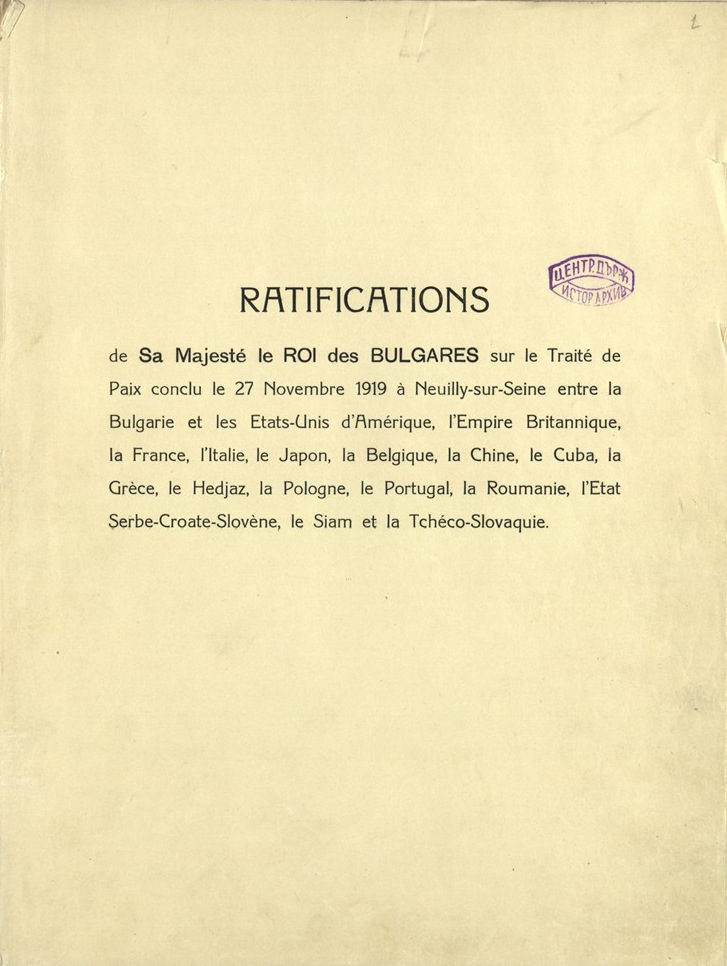
Legal confirmation of an agent's act or consent to a treaty.

MarginalCost · CC BY-SA 4.0
Ratification is the legal confirmation by a principal of an action taken by its agent. In international law, it refers to the formal process through which a state signals its agreement to be legally bound by a treaty. This process gives states time to secure domestic approval for the treaty and to pass any necessary laws to make it effective at home. The concept appears in private contract law, international treaties, and the constitutions of federal nations like the United States and Canada, and it also plays a role in parliamentary procedure within deliberative assemblies.
In contract law, ratification becomes relevant in two main situations: when an agent makes a deal without having the authority to bind the principal, and when the principal authorizes an agent to negotiate but keeps the final say. For example, if an employee who does not normally handle procurement orders supplies on the employer’s behalf, the employer can later choose to ratify or reject that contract. The second situation is common in union collective bargaining: the union authorizes negotiators to reach an agreement with management, but that agreement only becomes legally binding once the union members vote to ratify it. If members reject it, the deal is void and talks restart.
In parliamentary procedure, a deliberative assembly can ratify an action that was not originally valid. For instance, decisions made at a meeting without a quorum become valid only after being ratified at a later meeting that does have a quorum.
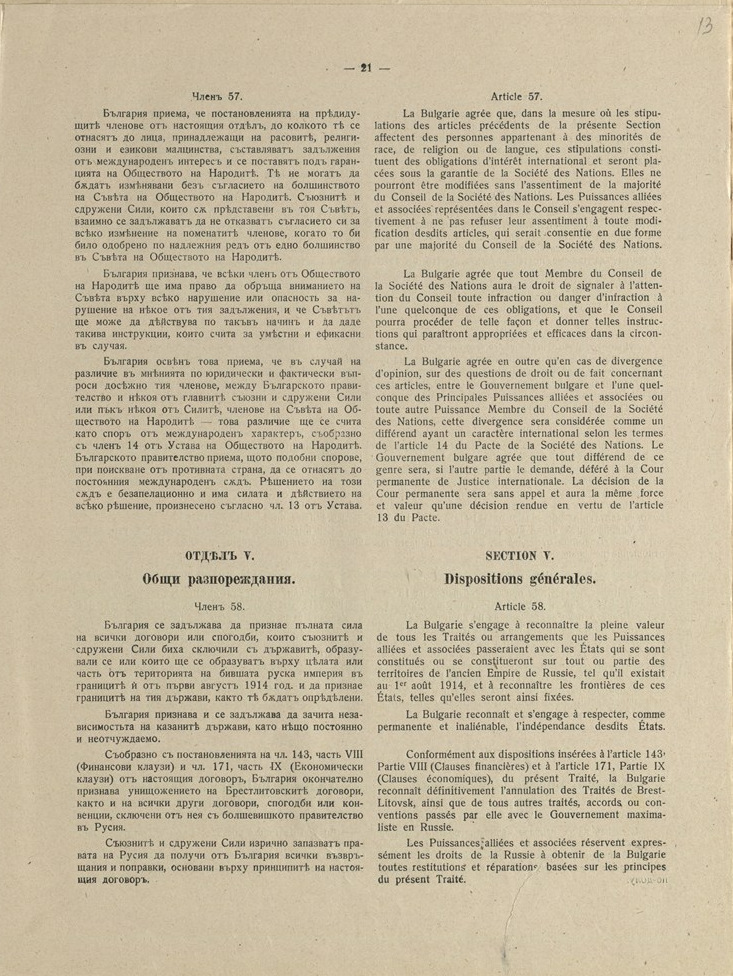
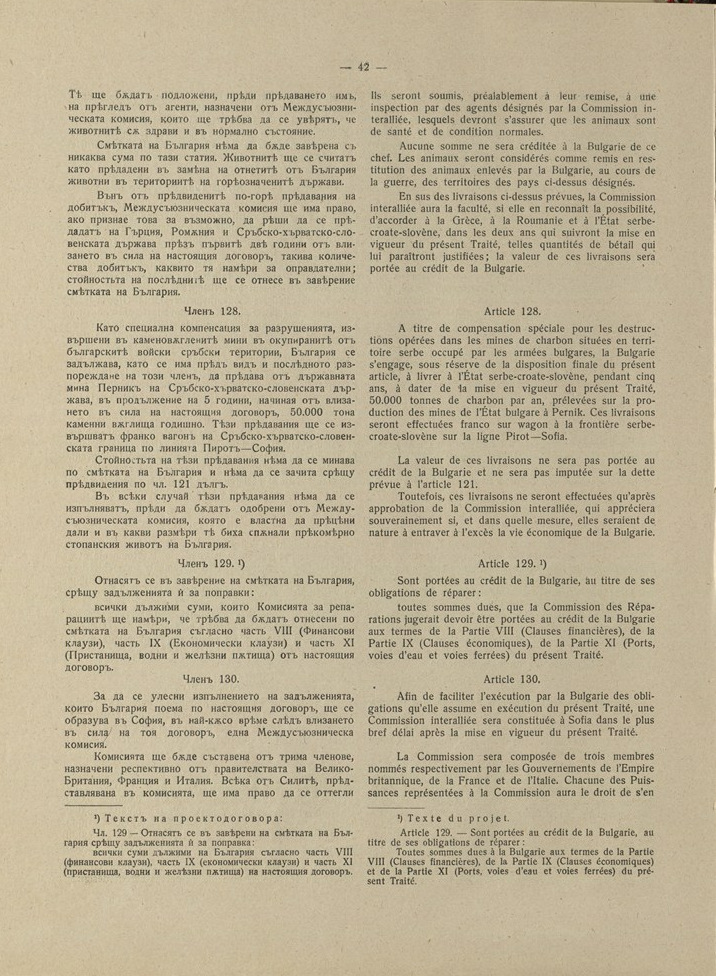
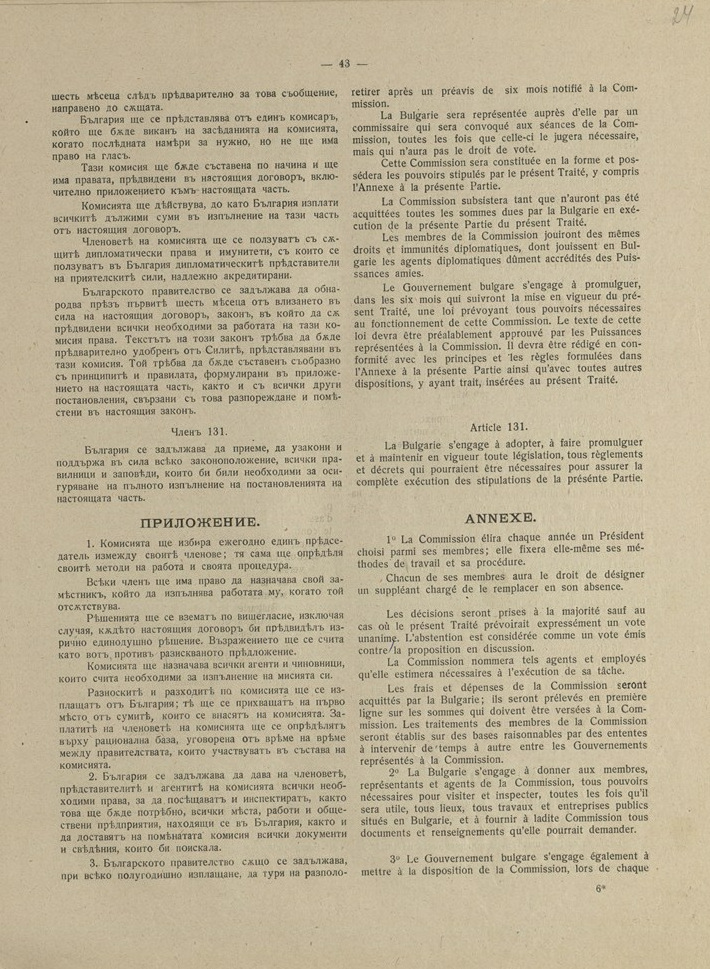
For international treaties, ratification always involves filing instruments of ratification as specified in the treaty. In many democracies, the legislature authorizes the government to ratify treaties by passing a bill through standard legislative procedures.
In Australia, treaty-making is an executive power under Section 61 of the Constitution, so the government can enter a binding treaty without parliamentary approval. However, most treaties are tabled in parliament for 15 to 20 joint sitting days for review by the Joint Standing Committee on Treaties. If the treaty requires new legislation, both houses must pass that legislation before ratification.
In India, the president makes treaties using executive power, on the advice of the Council of Ministers led by the Prime Minister.
Quick Facts
- Field
- Law
- International Relations
- Parliamentary Procedure
- Applies to
- Contract law
- international treaties
- constitutions
- deliberative assemblies
- Key mechanism
- Filing instruments of ratification or exchanging requisite instruments
- Related concepts
- Accession
- executive agreements
- Ponsonby Rule
- Treaty Clause
Facts from the source article.
Lore & Background
In contract law, ratification often arises when an agent attempts to bind a principal without authority, or when the principal authorizes an agent but reserves approval. For example, an employee not normally responsible for procurement may contract on the employer's behalf; the employer may ratify or repudiate the contract. In trade union collective bargaining, a union authorizes negotiators, but the agreement is not binding until ratified by union members; if rejected, the agreement is void and negotiations resume. In parliamentary procedure, a deliberative assembly may ratify action that was not validly taken, such as decisions made without a quorum, which become valid only after ratification at a meeting with a quorum present. For international treaties, ratification is accomplished by filing instruments of ratification as provided in the treaty. In many democracies, the legislature authorizes the government to ratify treaties through standard legislative procedures. Processes in Australia, India, Japan, the United Kingdom, and the United States, noting variations such as the requirement for parliamentary approval, the role of the monarch, or the need for a two-thirds Senate vote.
Gallery

Frequently Asked Questions
What is Ratification in international law?
Ratification is the formal step in which a state confirms its consent to become legally bound by a treaty it has already signed. It serves as the principal's official approval of the commitment its representative (the signing agent) initially made on the state's behalf.
What is the actual mechanism by which Ratification is carried out?
A state deposits or exchanges a formal instrument of ratification with the treaty's designated depositary, completing its consent. In multilateral treaties, a set number of ratifications is often required before the agreement enters into force for all parties.
Why does Ratification matter for a country's domestic legal system?
It gives the government a defined window to pass enabling legislation or secure legislative approval before the treaty becomes binding at home. In federal systems such as the United States and Canada, this step ensures the treaty is compatible with the constitution and domestic statutory framework.
More in International Law & Diplomacy
Spotted an error? Know more?
Reader corrections go straight into our review queue. Suggest an edit · How this site is sourced