
Socialist law
Legal system in communist states, based on civil law with Marxist–Leninist ideology.

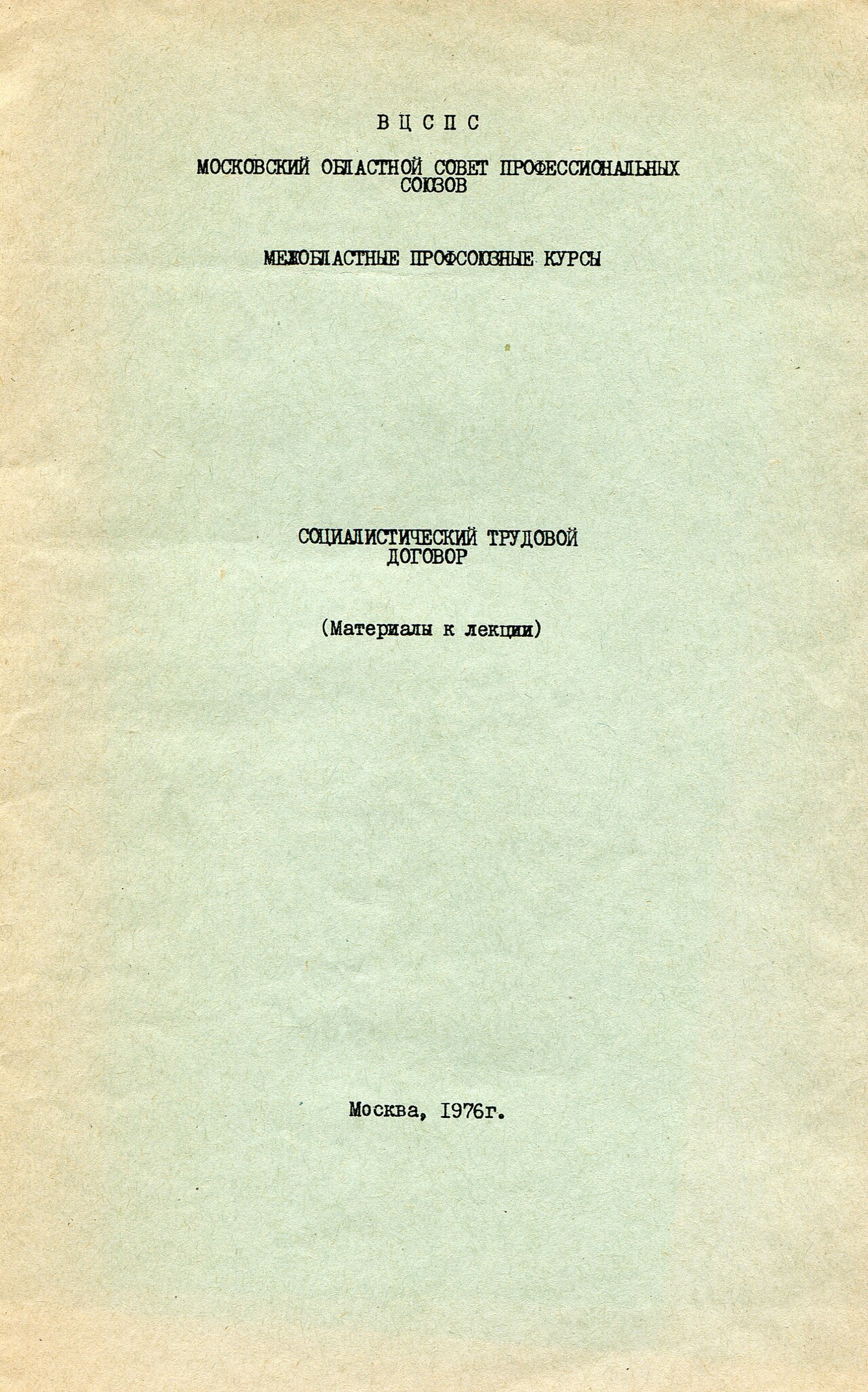
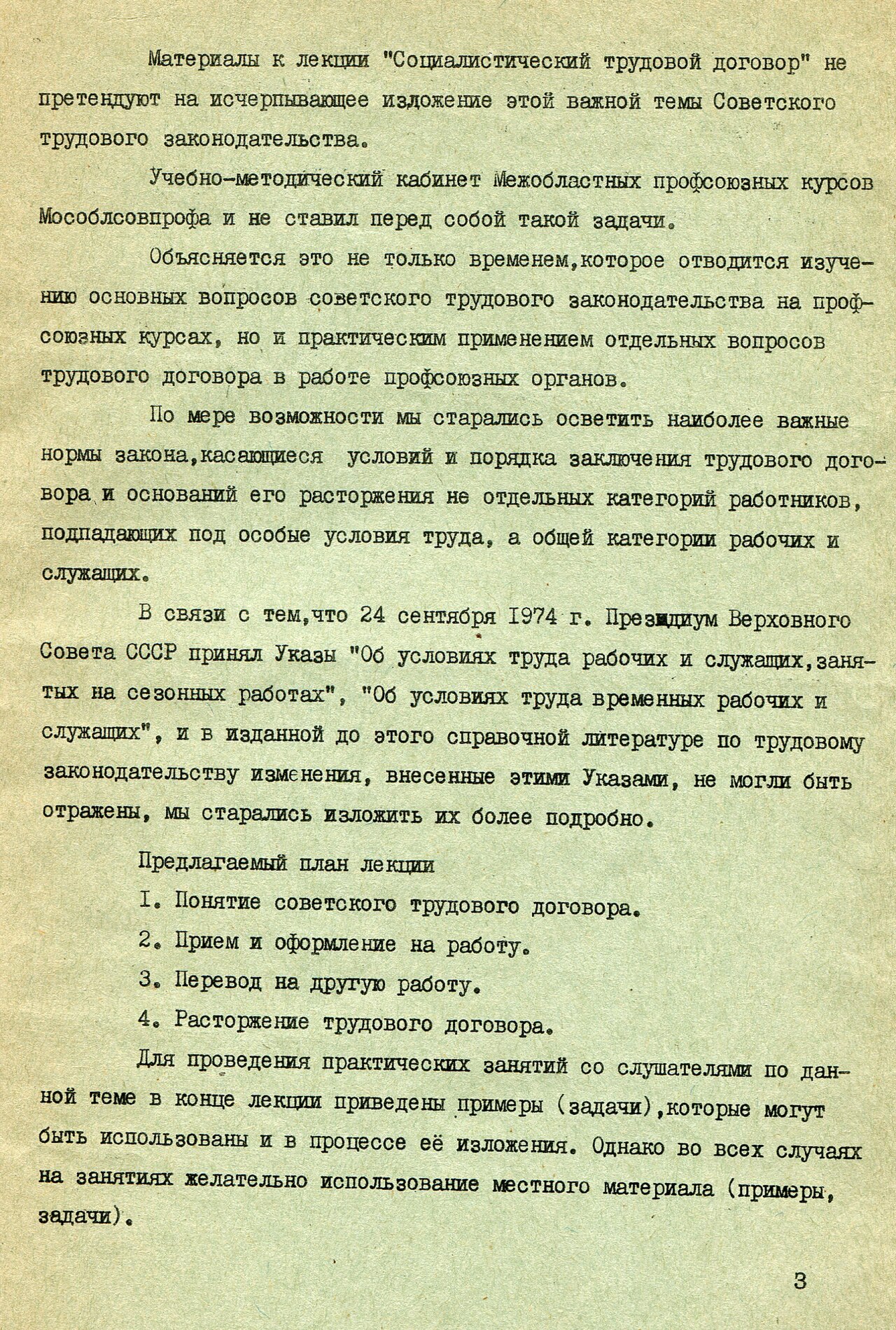
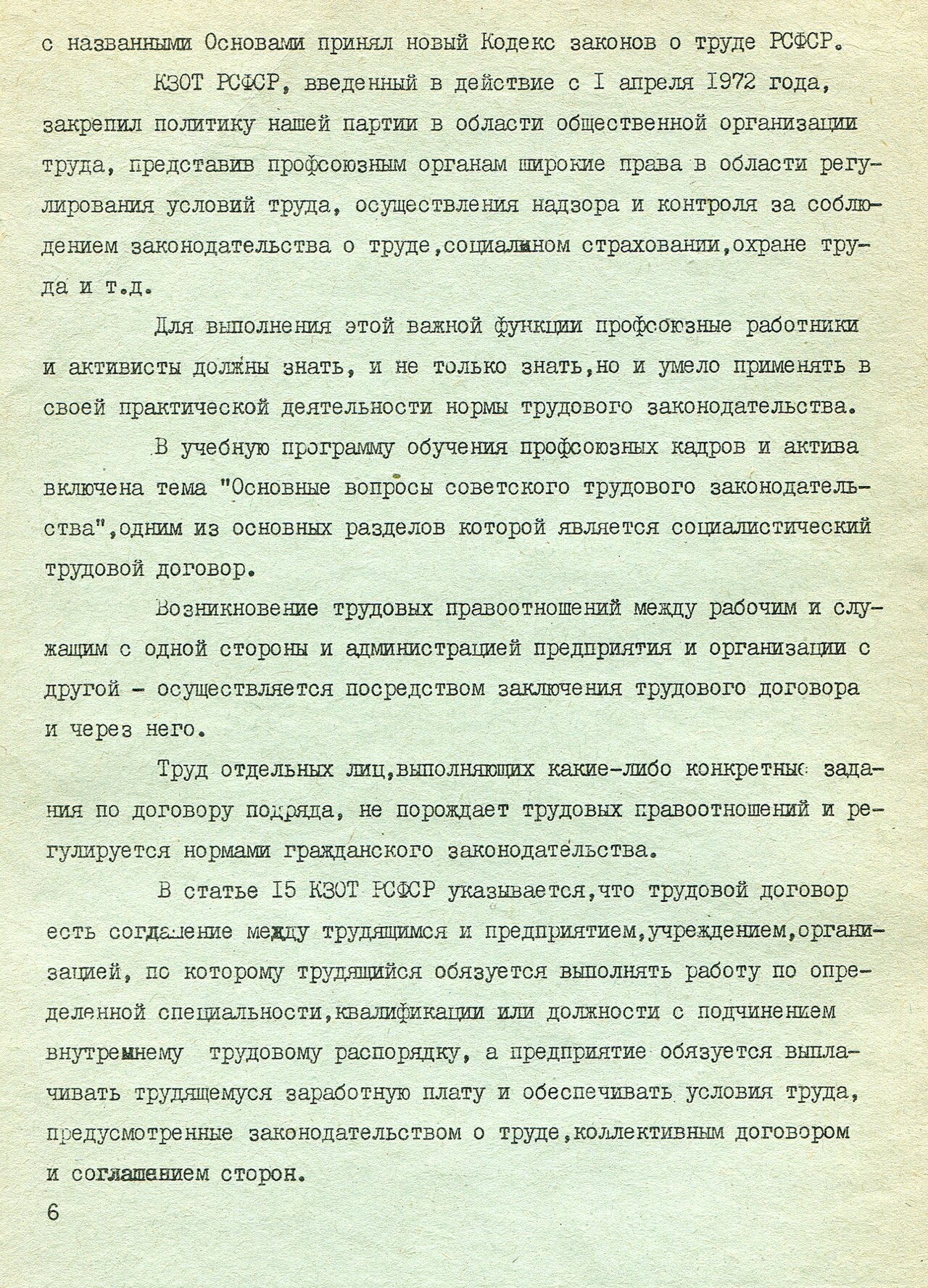
Scanning Dmitry Makeev , scan date - 2020 year. · Public domain
Socialist law, also referred to as Soviet law, is a type of legal system used in communist and formerly communist states. It is based on the civil law system with major modifications from Marxist–Leninist ideology, and its supreme state organ of power (SSOP) stands above the constitution, with the judiciary and procuratorial organs working under its leadership. There is controversy as to whether socialist law ever constituted a separate legal system, though prior to the end of the Cold War it was sometimes ranked among the major legal systems of the world.
Quick Facts
- Field
- Comparative legal studies
- Known for
- Legal system in communist states with SSOP above constitution, based on civil law with Marxist–Leninist modifications
- Controversy
- Whether socialist law constituted a separate legal system or a particular case of Romano-Germanic civil law
Facts from the source article.
Lore & Background
Socialist law emerged from Marxist–Leninist ideology, with early Soviet theorists like Vladimir Lenin accepting the Marxist conception of law as an instrument of coercion. Early proponents included Pēteris Stučka, Dmitry Kursky, and Nikolai Krylenko, while Evgeny Pashukanis represented a more critical trend. Under Joseph Stalin, a dictatorial trend led by Andrey Vyshinsky saw justice administered mainly by security police in special tribunals. During de-Stalinization under Nikita Khrushchev, a new trend of socialist legality stressed procedural and statutory rights, though dictatorial and utopian trends persisted. By late 1986, the Mikhail Gorbachev era renewed emphasis on individual rights and criticized violations of procedural law.
Gallery


Frequently Asked Questions
What is Socialist law?
Socialist law, frequently called Soviet law, is the legal framework that governed communist and formerly communist states. It takes the civil-law tradition as its base but reshapes it through Marxist–Leninist ideological principles, producing a system with a heavily expanded public-law sector and no private property.
How does Socialist law differ from ordinary civil law?
The key breaks include the outright abolition of private ownership, the removal of adversarial courtroom proceedings, and the explicit subordination of courts and procuratorial organs to the Communist Party. Where civil law treats the constitution as the supreme legal act, Socialist law places the ruling party's collective body above it.
What role does the SSOP play in the Socialist legal hierarchy?
The Supreme State Organ of Power occupies the very top of the legal order, standing above the constitution so that no statutory text can override its decisions. All judicial and prosecutorial functions operate under its direct leadership rather than under independent constitutional authority.
More in International Law & Diplomacy
Spotted an error? Know more?
Reader corrections go straight into our review queue. Suggest an edit · How this site is sourced