
South Asian Association for Regional Cooperation
Intergovernmental organization for South Asian regional cooperation.

Kyat02 · CC BY-SA 3.0
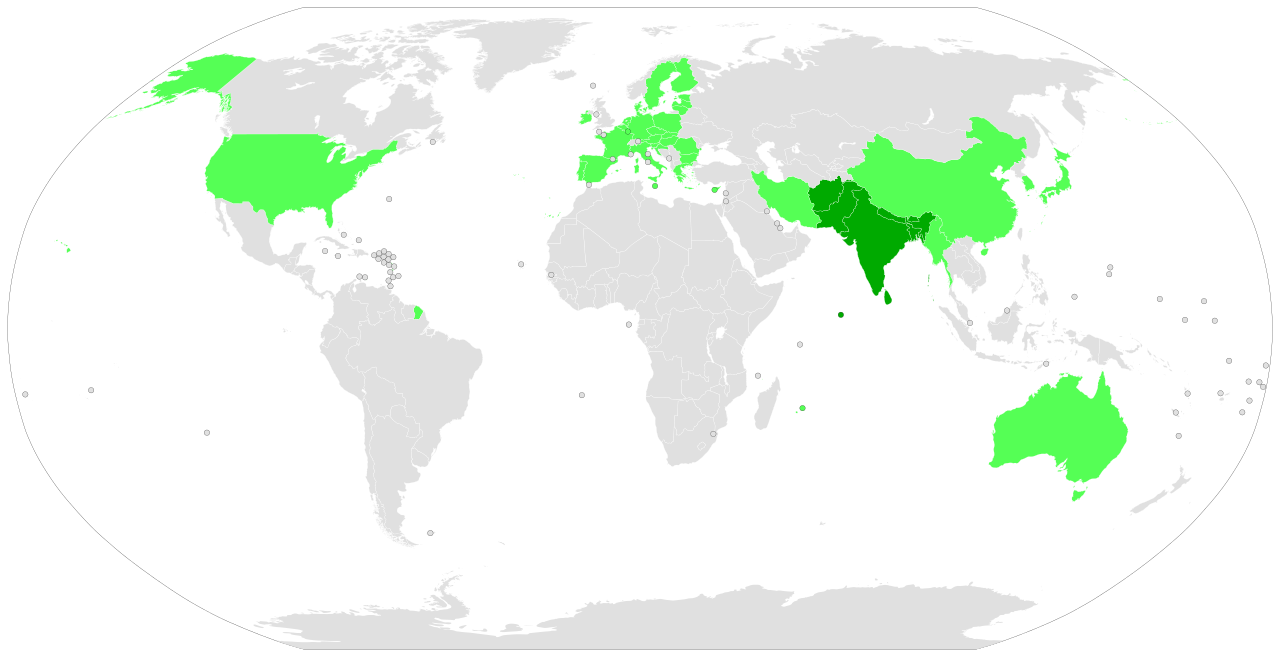
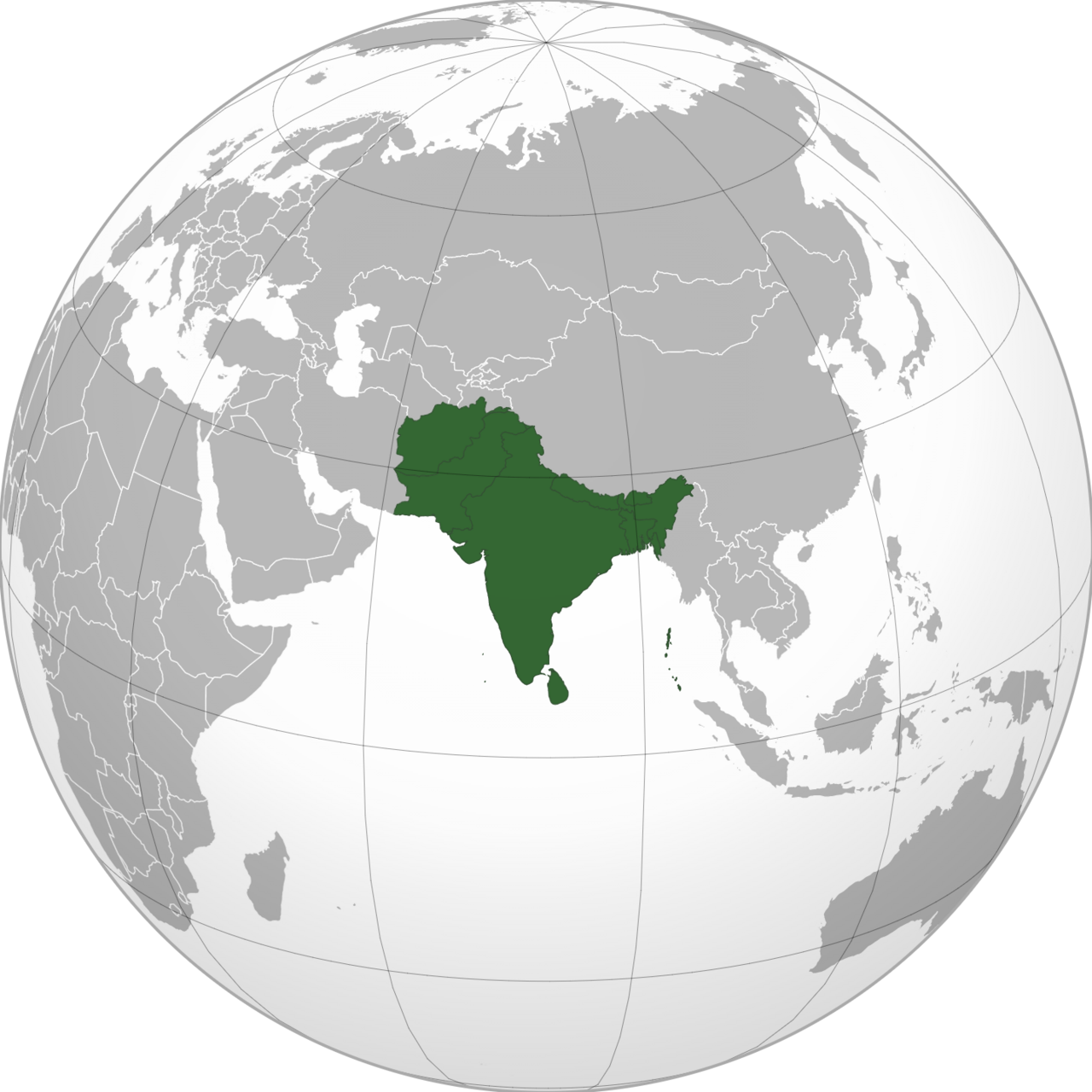
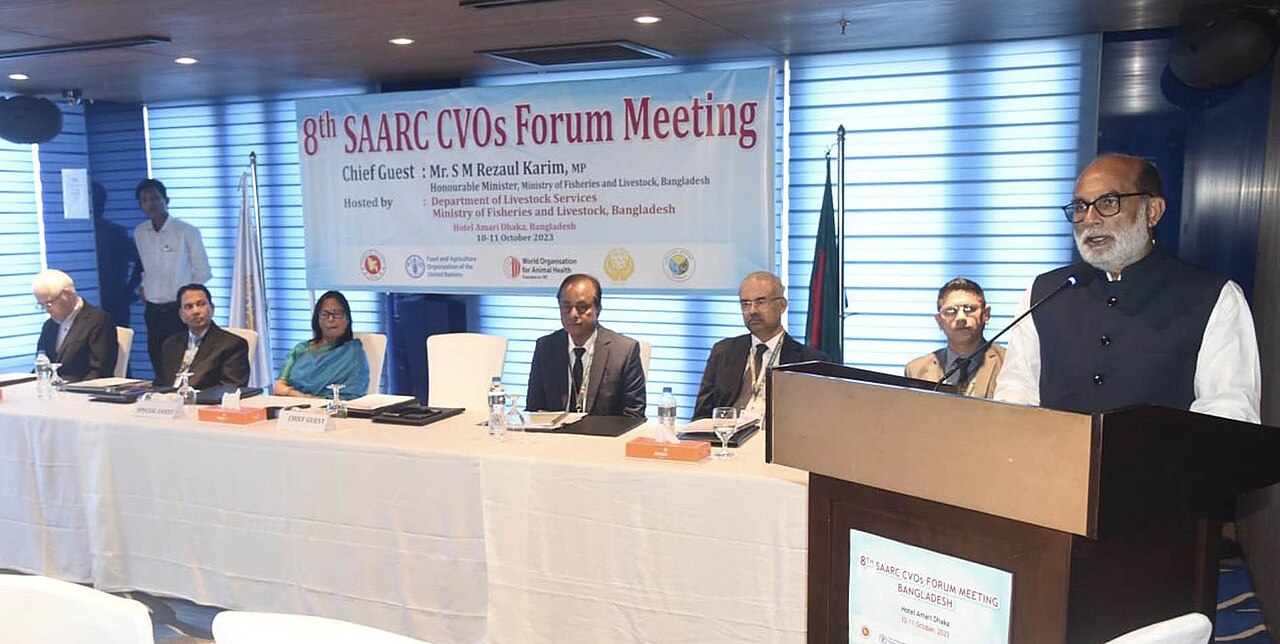
The South Asian Association for Regional Cooperation (SAARC) is an intergovernmental organization founded in Dhaka, Bangladesh, on 8 December 1985. It comprises eight sovereign member states: Afghanistan, Bangladesh, Bhutan, India, Maldives, Nepal, Pakistan, and Sri Lanka. SAARC was established to promote economic development and regional integration, including through the South Asian Free Trade Area since 2006. The organization is headquartered in Kathmandu, Nepal, and maintains observer status at the United Nations and links with the European Union.
Quick Facts
- Linking name
- South Asia
- Religion year
- 2025
- Largest city
- Delhi, India, 28, 36, 50, N, 77, 12, 32, E, type:city
- Languages
- English
- Demonym
- South Asian
Facts from the source article.
Lore & Background
The idea of South Asian cooperation was discussed at conferences in 1947, 1950, and 1954. In the late 1970s, Bangladesh's President Ziaur Rahman proposed a regional framework after failing to join ASEAN. He wrote to South Asian leaders, and during a 1977 visit to India, discussed cooperation with Prime Minister Morarji Desai. King Birendra of Nepal also called for regional cooperation in river waters in 1977. The Soviet intervention in Afghanistan in 1979 accelerated efforts amid security concerns. Foreign ministry officials from seven countries first met in Colombo in April 1981. Bangladesh's proposal was endorsed by Nepal, Sri Lanka, Bhutan, and Maldives, but India and Pakistan were initially skeptical—India feared smaller neighbors would re-internationalize bilateral issues, while Pakistan saw it as a potential Indian strategy for economic dominance. After diplomatic consultations at the UN from 1979 to 1980, Bangladesh prepared a working paper. In September 1981, a Committee of the Whole in Colombo identified five areas for cooperation. In 1983, foreign ministers adopted the SAARC Declaration and launched the Integrated Programme of Action in agriculture, rural development, telecommunications, meteorology, and health. The first summit was held in Dhaka on 7–8 December 1985, hosted by President Hussain Ershad, with leaders from Bhutan, Pakistan, India, Nepal, Sri Lanka, and Maldives signing the declaration.
Gallery
Frequently Asked Questions
What is the South Asian Association for Regional Cooperation?
SAARC is an intergovernmental body that brings together eight South Asian nations to foster economic growth and closer regional ties. It was formally established in Dhaka, Bangladesh, on 8 December 1985, and its secretariat operates out of Kathmandu, Nepal.
What is SAARC known for?
The organization does not possess binding legislative authority over its members; instead, it serves as a forum for coordinating trade policy, promoting the South Asian Free Trade Area (active since 2006), and facilitating dialogue on shared development challenges. Its decisions are consensus-based and rely on individual member states to implement them domestically.
Who are SAARC's member states and observers?
The eight full members are Afghanistan, Bangladesh, Bhutan, India, Maldives, Nepal, Pakistan, and Sri Lanka. Nine entities hold observer status, including the United States, China, Japan, South Korea, Australia, Iran, Mauritius, Myanmar, and the European Union.
More in International Law & Diplomacy
Spotted an error? Know more?
Reader corrections go straight into our review queue. Suggest an edit · How this site is sourced