
Fernando Poe Jr.
Filipino action film icon and presidential candidate.

CNEcija12345 · CC BY-SA 4.0
Ronald Allan Kelley Poe (August 20, 1939 – December 14, 2004), known professionally as Fernando Poe Jr., was a Filipino actor, director and screenwriter. Nicknamed 'Da King' and often referred to by his initials FPJ, he dominated the Philippine box-office from the 1960s to 1990s through his leading roles in action films, and has been described as a cultural icon. He was posthumously declared a National Artist of the Philippines in 2006.
- Born
- August 20, 1939, Manila, Philippines
- Died
- December 14, 2004, Quezon City, Philippines
- Field
- Actor, director, screenwriter
- Nationality
- Filipino
- Known for
- Action film star, 'Da King' of Philippine cinema, 2004 presidential candidate
Lore & Background
Fernando Poe Jr. entered the film industry as a stuntman following the death of his father, actor Fernando Poe Sr., and made his film debut in 1955 with Anak ni Palaris. His breakout came in the 1956 film Lo Waist Gang, and he went on to star in action films that portrayed him as the 'champion and defender of the poor and oppressed'. He appeared in around 300 films from 1955 to 2003, and directed films under the pseudonyms D'Lanor and Ronwaldo Reyes. He established FPJ Productions in 1961 and later organized other film companies.
Poe won five FAMAS Awards for Best Actor, a joint record that inducted him into the FAMAS Hall of Fame in 1988. He also won Best Director for his films Ang Padrino (1984) and Kahit Butas ng Karayom, Papasukin Ko (1995). In 2004, FAMAS posthumously granted him the Natatanging Alagad ng Sining Award. He was posthumously declared a National Artist of the Philippines in 2006, accepted by his family in 2012.
Poe ran for president of the Philippines in the 2004 election as the candidate of the Koalisyon ng Nagkakaisang Pilipino. He lost to incumbent Gloria Macapagal Arroyo by just over one million votes (a margin of about 3.5 percentage points). While this was a close race, it was not the closest by percentage in Philippine presidential election history—the 1961 and 1965 elections both had narrower margins. Seven months after the election, Poe died of a stroke; hundreds of thousands attended his wake and funeral.
Reader's Guide
Fernando Poe Jr. was a dominant figure in Philippine cinema for nearly five decades, starring in around 300 films and becoming a cultural icon known as 'Da King'. His action films often cast him as the champion of the poor and downtrodden, resonating deeply with Filipino audiences. His career accolades include five FAMAS Best Actor awards and a posthumous National Artist designation. Beyond entertainment, Poe's 2004 presidential bid marked a significant political moment, as he lost by the narrowest margin in Philippine presidential election history. His death from a stroke seven months later drew massive public mourning, with his wake and funeral attended by hundreds of thousands. His legacy endures through his films, his daughter Senator Grace Poe, and his continued status as a symbol of Filipino popular culture.
A Career Forged in Action
From his first screen appearance in 1955 at just fourteen to his final film in 2003, Fernando Poe Jr. accumulated roughly three hundred pictures across nearly five decades. He entered the industry as a stuntman for Everlasting Pictures before earning a lead in Anak ni Palaris, a sequel to a vehicle that had showcased his late father. True fame arrived the following year with Lo Waist Gang, a picture so popular it sparked a national fashion trend for low-waist trousers. Over the next decades, Poe became synonymous with a specific archetype: the rugged defender of the poor and oppressed. His filmography includes landmark titles such as Only the Brave Know Hell (1965), Lino Brocka's Santiago! (1970), and his own self-directed Ang Panday (1980). By the 1980s he ranked among the highest-paid actors in the country, commanding salaries above one million pesos per project. He also proved his range behind the camera, winning Best Director for Ang Padrino (1984) and Kahit Butas ng Karayom, Papasukin Ko (1995), and collecting five FAMAS Best Actor trophies that earned him induction into the FAMAS Hall of Fame in 1988.
Defining Moments
The arc of Poe's life was shaped by a series of pivotal turning points. His father, the celebrated actor Fernando Poe Sr., died of rabies at just thirty-four, leaving the young Ronnie to become the family's breadwinner. He dropped out of the University of the East during his sophomore year to support his mother and siblings, first working as a messenger boy before finding his way into stunt work. In 1963, he stepped beyond the screen to testify against the criminal syndicate known as the Big Four, who had been extorting money from the film industry. His most consequential public moment came in 2004, when he ran for president under the Koalisyon ng Nagkakaisang Pilipino banner. He lost to incumbent Gloria Macapagal Arroyo by a margin of just over one million votes—roughly 3.48 percent—making it the closest presidential race by percentage in Philippine history. Seven months after that election, Poe died of a stroke. Hundreds of thousands of Filipinos gathered for his wake and funeral, a testament to the depth of his national significance.
Legacy and Cultural Impact
Few figures in Philippine history have occupied as central a place in the national imagination as Fernando Poe Jr. Nicknamed "Da King" and universally known by his initials FPJ, he dominated the country's box office from the 1960s through the 1990s, becoming the face of an era of action cinema that defined a generation's entertainment. His cultural stature was formally recognized through a long list of honors: the CCP Centennial Honors for the Arts in 1999, the FAMAS Hall of Fame in 1988, a posthumous Natatanging Alagad ng Sining Award in 2004, and the Order of National Artists of the Philippines in 2006, an honor his family accepted in 2012. His influence also extended into politics and public life through his children—Senator Grace Poe and actress Lovi Poe—and through his marriage to actress Susan Roces, his onscreen love interest in seventeen films. Even the 1965 war epic Only the Brave Know Hell, in which he shared the lead, is regarded as one of the most influential Filipino films ever made, cementing his status as a figure whose impact reached far beyond the silver screen.
Life Beyond the Spotlight
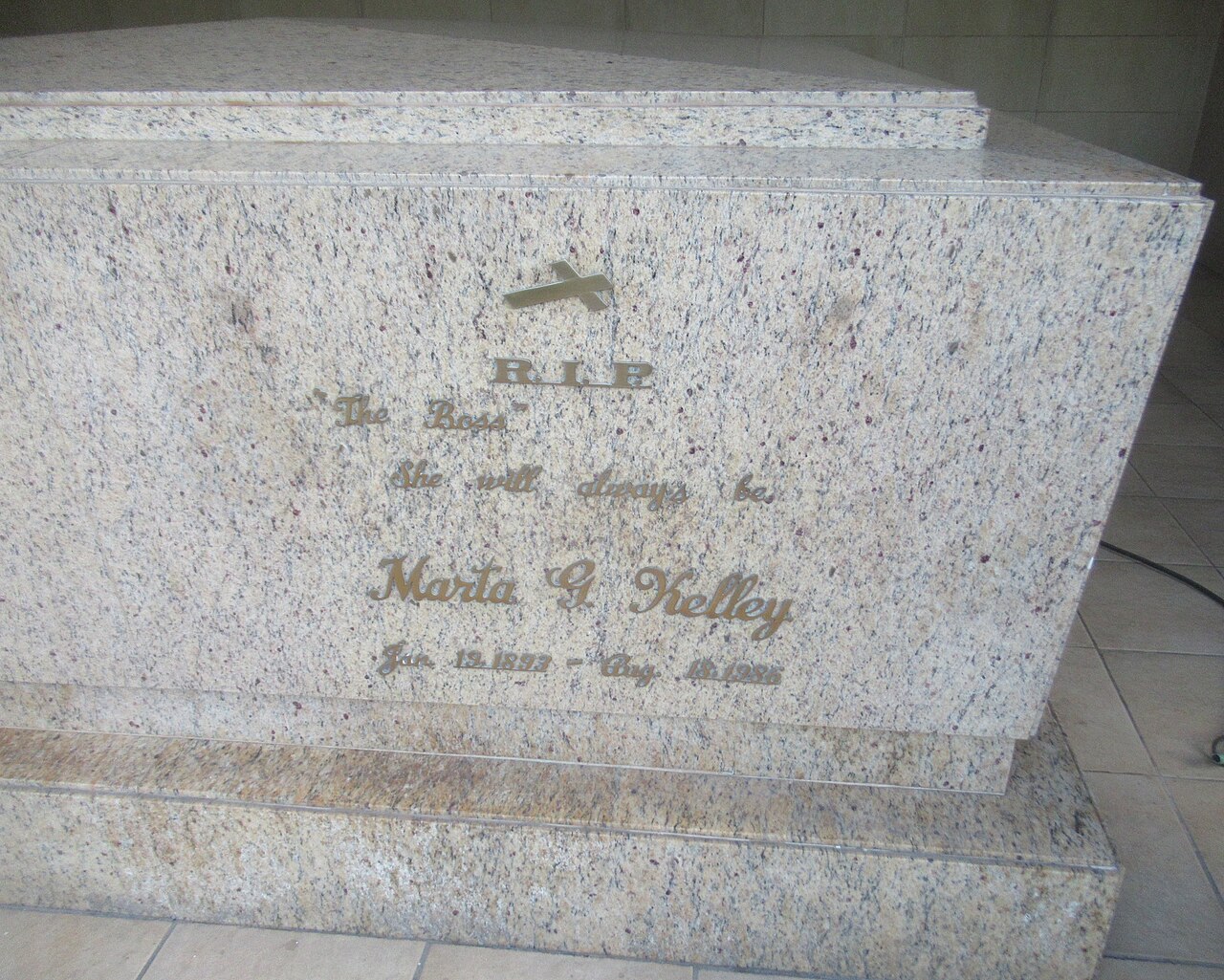
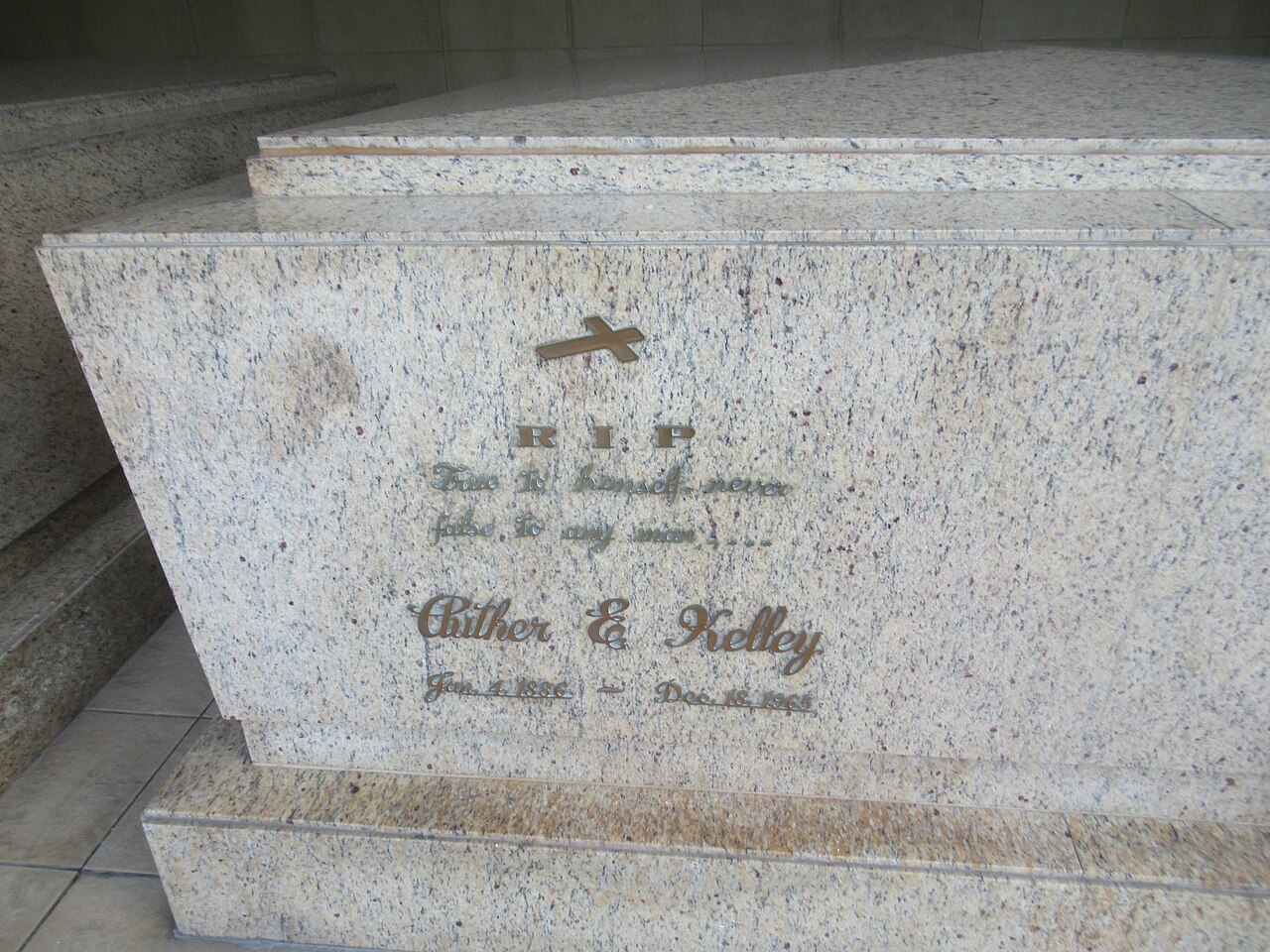
Behind the screen persona of the action hero lay a family history rich in both drama and heritage. Ronald Allan Kelley Poe was born in Manila on August 20, 1939, the second of six children to actor Fernando Poe Sr. and Elizabeth "Bessie" Kelley. His parents were not legally married until 1940, a detail that would resurface decades later when political opponents in 2004 attempted to disqualify his presidential candidacy on grounds of legitimacy. The family surname was originally spelled "Pou," tracing back to his paternal grandfather Lorenzo Pou, a Catalan migrant from Mallorca, Spain, who settled in the Philippines to pursue mining and commerce. Poe attended San Beda College for primary education, San Sebastian College for high school, and studied theater arts at both Mapúa Institute of Technology and the University of the East. He was known simply as "Ronnie" within the family, a private identity that contrasted sharply with the larger-than-life "Da King" the public came to know.
Gallery
Frequently Asked Questions
Who is Fernando Poe Jr.?
Fernando Poe Jr., born Ronald Allan Kelley Poe in Manila in 1939, was a Filipino actor, director, and screenwriter who became the most dominant box-office star in Philippine cinema history. He is widely recognized by his initials FPJ and his beloved nickname "Da King."
What made Fernando Poe Jr. famous in Philippine cinema?
He ruled the Philippine film industry from the 1960s through the 1990s, headlining action films that consistently topped the local box office. His rugged, heroic on-screen persona turned him into a cultural icon and a symbol of Filipino identity in popular entertainment.
How did Fernando Poe Jr. die?
He was killed in a car accident in Quezon City on December 14, 2004. His sudden death sent shockwaves across the Philippines and triggered massive public mourning that lasted for weeks.
Did Fernando Poe Jr. run for president?
Yes, he entered the 2004 Philippine presidential race as an independent candidate, though his campaign was cut short by his fatal accident in December of that year. His widow Victoria later carried forward his political legacy in subsequent elections.
Why is Fernando Poe Jr. called "Da King"?
The nickname reflects his decades-long, near-untouchable dominance at the Philippine box office, where his films consistently out-earned every other release. It also captures his broader status as a national symbol of heroism and resilience in Filipino popular culture.
More in International Cinema Stars 1-24
Spotted an error? Know more?
Reader corrections go straight into our review queue. Suggest an edit · How this site is sourced