
Fan Bingbing
Chinese actress known for award-winning roles and tax controversy.

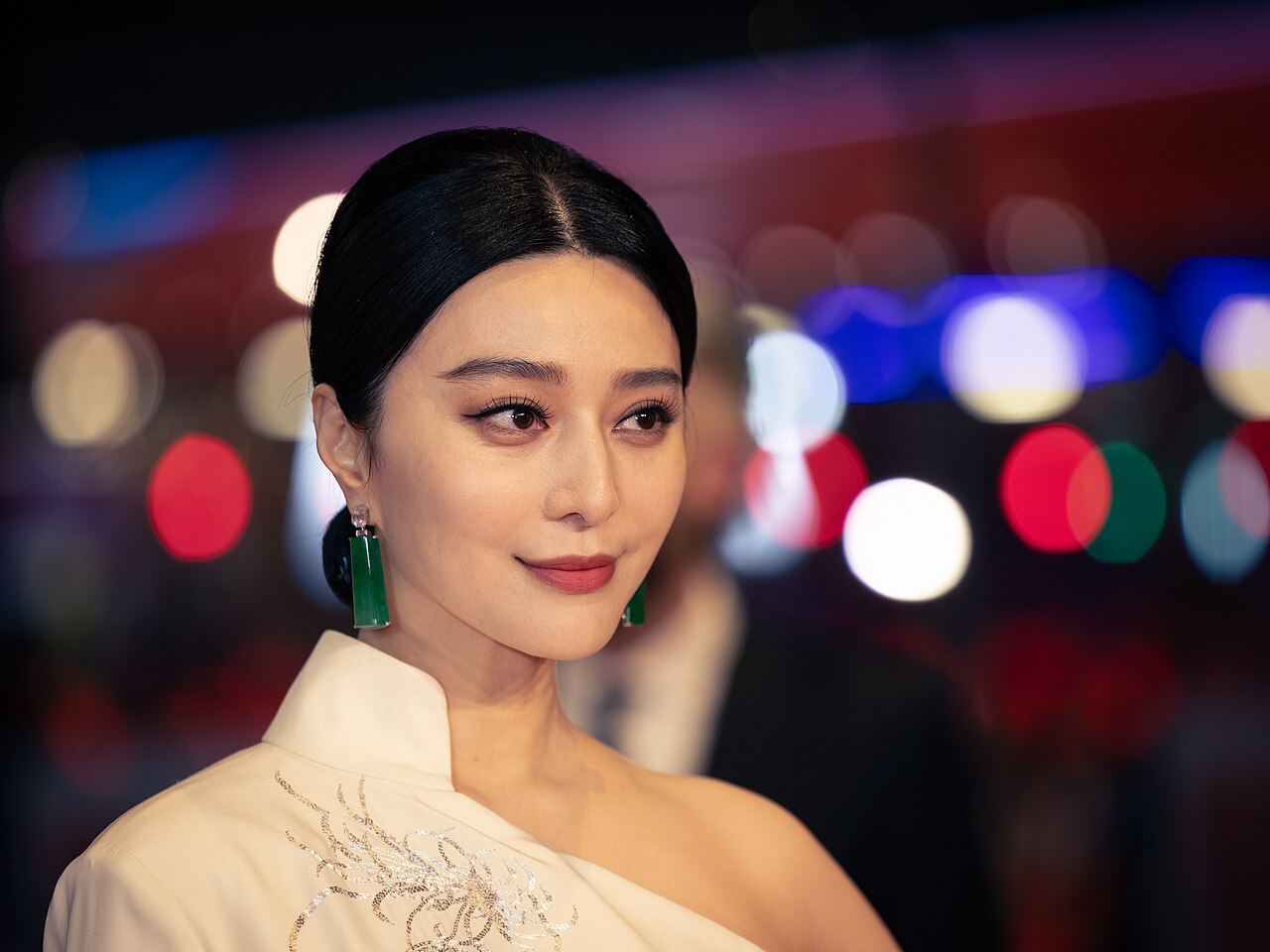
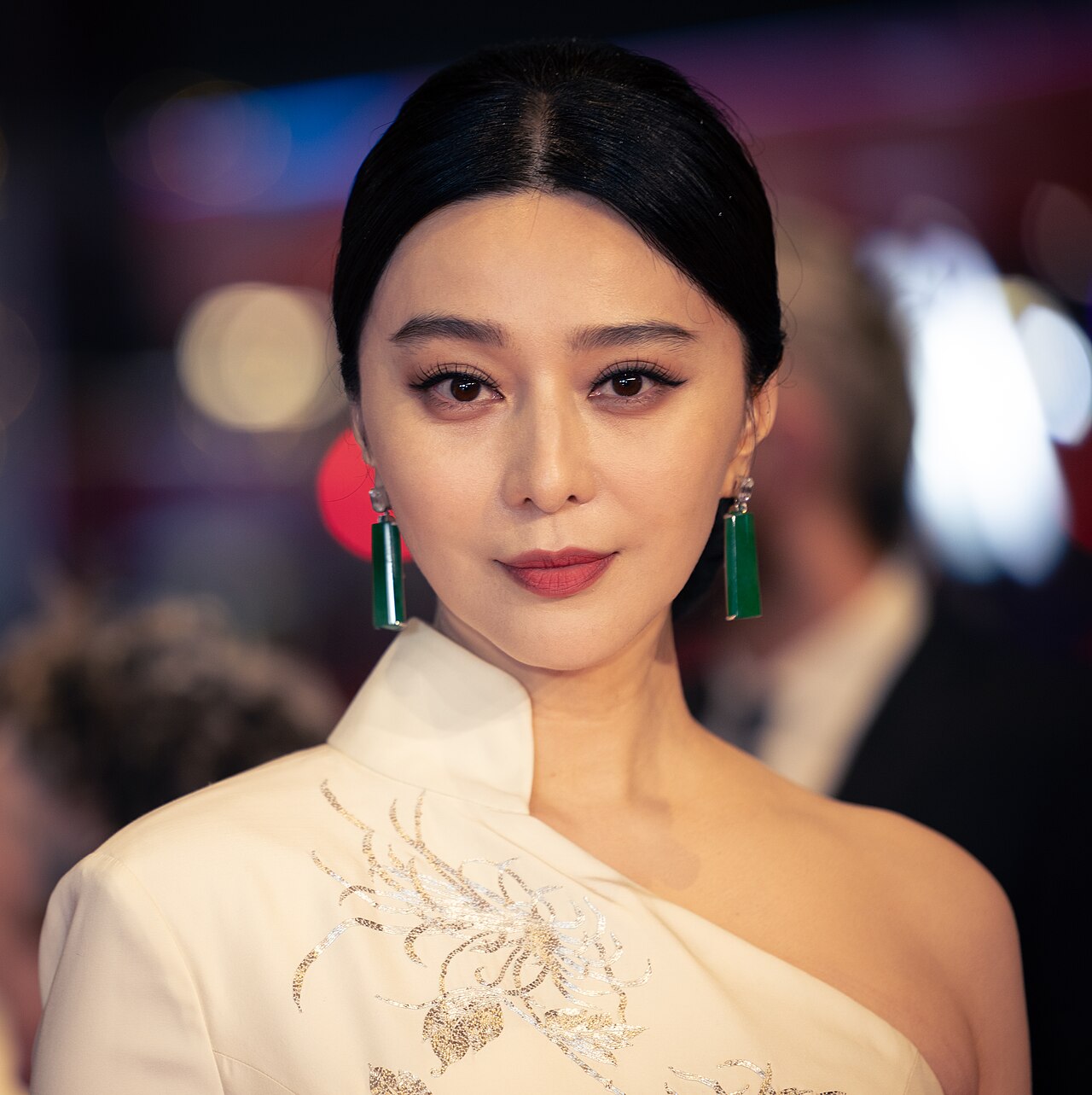
Elena Ternovaja · CC BY-SA 3.0
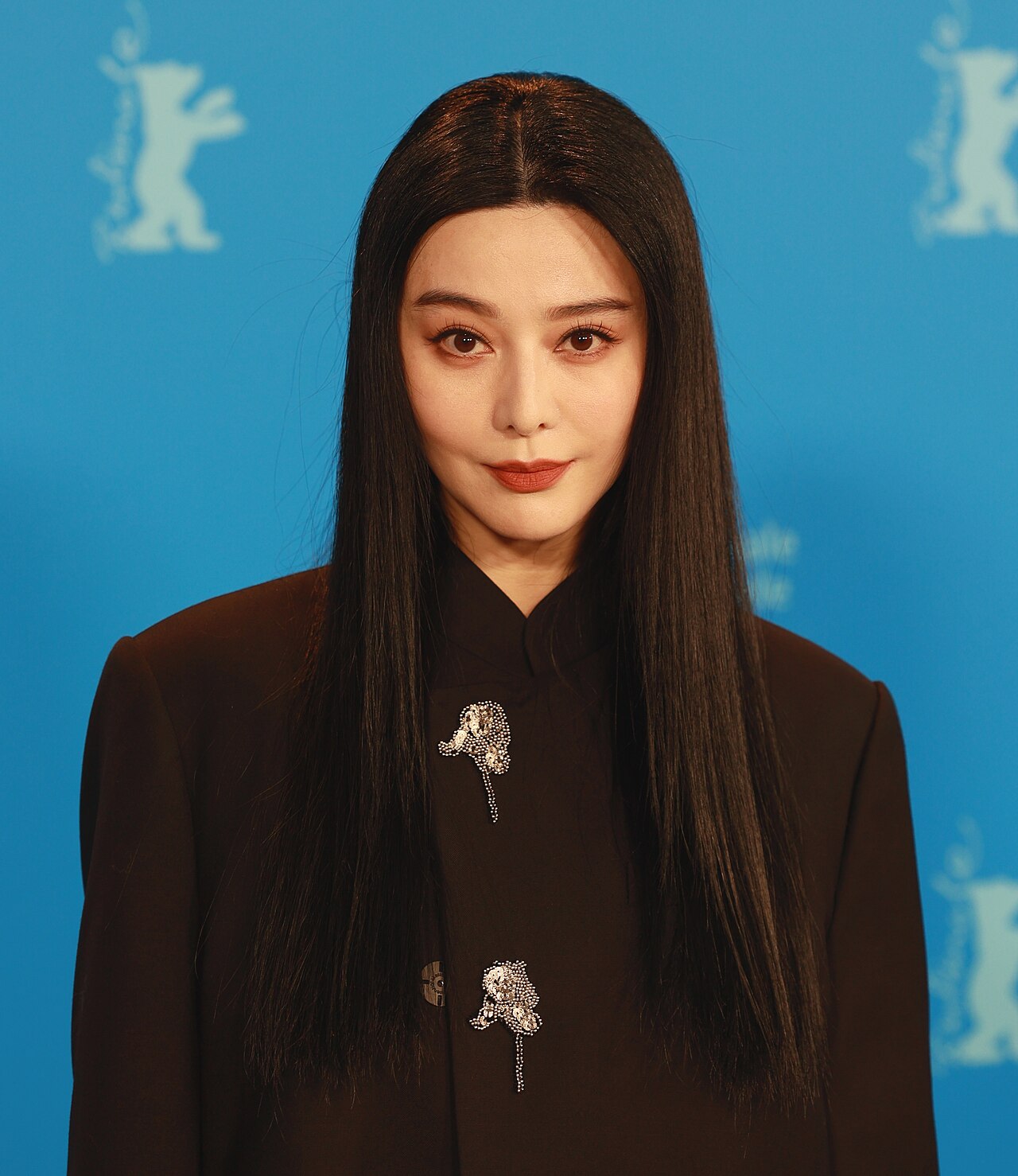
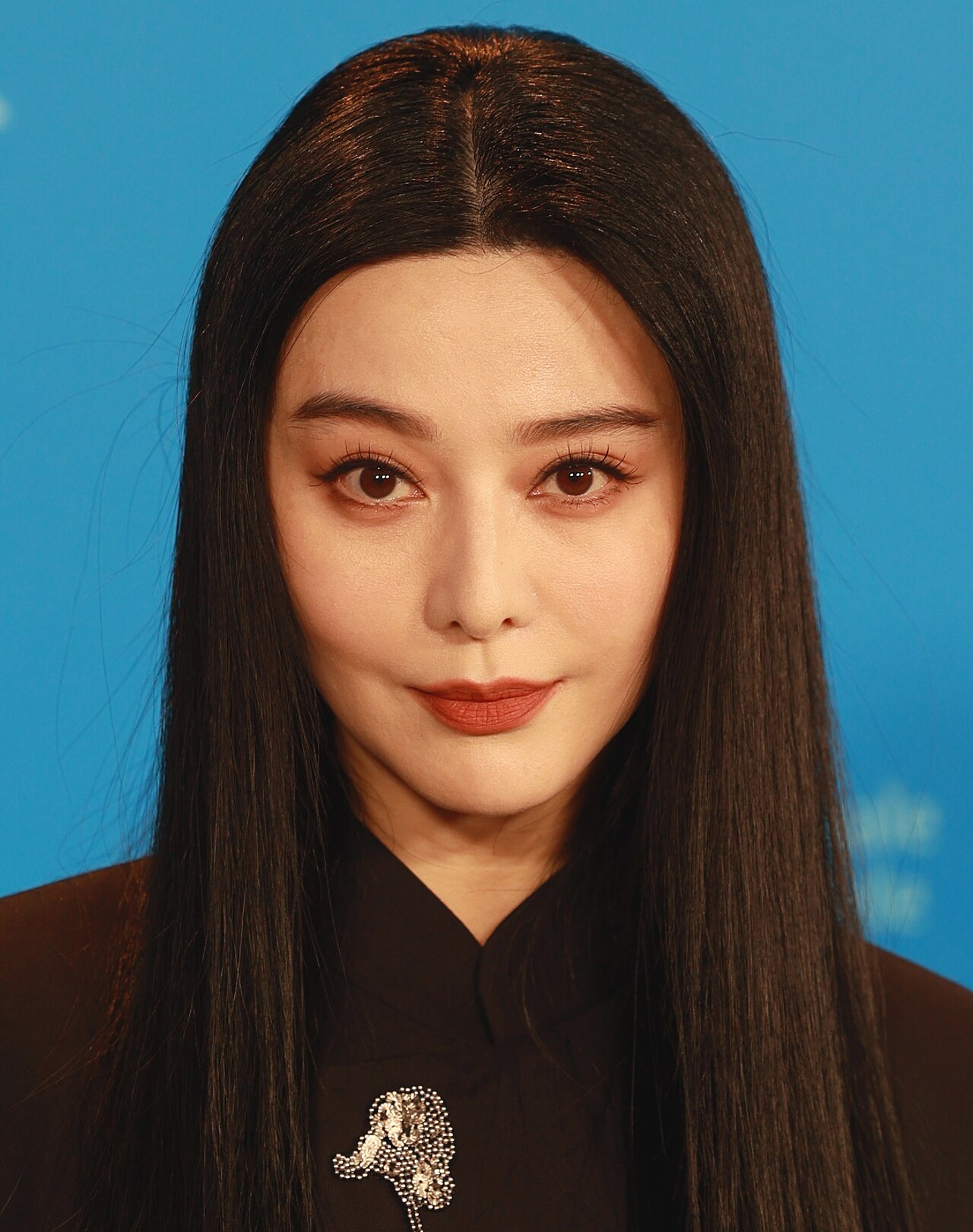
Fan Bingbing (born 16 September 1981) is a Chinese actress who rose to fame through the costume drama My Fair Princess (1998–1999) and achieved critical acclaim with Feng Xiaogang's film Cell Phone (2003), winning the Hundred Flowers Award for Best Actress. She became a major figure in Chinese cinema, winning the Silver Shell for Best Actress and the Golden Rooster Award for Best Actress for I Am Not Madame Bovary (2016). From 2013 to 2017, she was the highest-paid celebrity on the Forbes China Celebrity 100 list, and in 2017 she appeared on Time magazine's list of the 100 most influential people. Her career was disrupted in 2018 by a tax evasion case that resulted in a CN¥883 million (US$127 million) tax liability and fine, leading to her blacklisting in mainland China, after which she shifted focus to her brand Fan Beauty and pursued acting overseas.
- Born
- 16 September 1981
- Field
- Actress
- Nationality
- Chinese
- Known for
- My Fair Princess, Cell Phone, I Am Not Madame Bovary, tax evasion case
Lore & Background
Fan Bingbing was born in Qingdao and moved to Yantai at age 6. Her paternal grandfather was a senior officer in the naval air force, and her grandmother gave her the character bing ('ice') to honor the family's ties to the sea. Her father, Fan Tao, was a former naval serviceman, and her mother, Zhang Chuanmei (born Zhang Meili), was passionate about dance. During her childhood, her maternal grandfather often cared for her while her parents ran a clothing business. She has a younger brother, Fan Chengcheng, born in 1999, for whom her parents were fined for violating China's one-child policy. Fan grew up watching her father sing at local events and took piano and flute lessons arranged by her mother. She skipped a grade in middle school and was admitted to the music talent class of Yantai No. 1 High School, though some sources suggested her mother's connections aided her admission. After a car accident in 1995, she applied to Shanghai Xie Jin-Hengtong School of Arts, where founder Xie Jin noticed her and advanced her straight to the final round of interviews; at 15, she joined as one of its youngest students.
Reader's Guide
Fan Bingbing's significance lies in her trajectory from a teenage actress in a hit costume drama to a top-earning celebrity and award-winning performer, followed by a dramatic fall from grace due to a high-profile tax evasion case. Her early breakthrough in My Fair Princess and her award-winning roles in Cell Phone and I Am Not Madame Bovary established her as a leading figure in Chinese cinema, while her international credits, including X-Men: Days of Future Past and Mother Bhumi, expanded her reach. Her 2018 tax case, resulting in a CN¥883 million liability and blacklisting in mainland China, marked a turning point, forcing her to pivot to her brand Fan Beauty and overseas work. Her legacy is complex: she represents both the heights of celebrity success in China and the severe consequences of regulatory enforcement, highlighting the intersection of entertainment, wealth, and state control.
From Handmaiden to Award-Winner: A Career Arc
Fan Bingbing's journey from a supporting handmaiden to one of China's most decorated actresses spans nearly three decades. Her first on-screen appearance came in the 1997 series Powerful Woman, but it was the two-season costume drama My Fair Princess (1998–1999) that thrust her into the spotlight across the Chinese-speaking world. The true turning point arrived in 2003, when director Feng Xiaogang cast her in Cell Phone, a role that earned her the Hundred Flowers Award for Best Actress and cemented her status as a leading film talent. Between 2004 and 2015, she balanced high-profile television—The Proud Twins, Eight Heroes, The Empress of China—with a string of art-house collaborations with director Li Yu, including Lost in Beijing, Buddha Mountain, Double Xposure, and Ever Since We Love. In 2016, her reunion with Feng in I Am Not Madame Bovary yielded both the Silver Shell and the Golden Rooster for Best Actress, marking the creative apex of her domestic career.
A Coastal Childhood and an Accidental Path to the Stage
Born in the coastal city of Qingdao in 1981, Fan Bingbing was raised in Yantai, where her family's naval and port-authority connections shaped her early environment. Her paternal grandfather served as a senior naval air-force officer, and her grandmother chose the character for 'ice' as her given name to honor the family's maritime roots. Her father, a demobilized naval serviceman, supplemented the household income by singing at local competitions and even in bars, while her mother—once a member of a Red Guards propaganda troupe—channeled her passion for dance into arranging piano and flute lessons for young Fan. A 1995 car accident that required surgery in Shanghai and a three-month hospital stay derailed her conventional academic path. Unable to advance to her senior year, she applied to the Shanghai Xie Jin-Hengtong School of Arts, where the school's founder, Xie Jin, spotted her in the audition crowd and fast-tracked her to the final round. At fifteen, she became one of the youngest students in the program's third cohort.
The Summit and the Fall
For nearly a decade, Fan Bingbing sat atop China's entertainment hierarchy. From 2006 onward she placed in the top ten of the Forbes China Celebrity 100 list every single year, and between 2013 and 2017 she held the number-one spot as the country's highest-paid celebrity. Her 2017 inclusion on Time magazine's list of the 100 most influential people in the world underscored how far her brand had extended beyond the screen. Then, in 2018, everything shifted. A tax-evasion investigation resulted in a combined tax liability and fine of approximately CN¥883 million (roughly US$127 million). The legal fallout carried severe professional consequences: she was blacklisted in mainland China, effectively cutting off her access to the domestic market that had built her empire. In the years since, she has channeled her energy into her own beauty label, Fan Beauty, while redirecting her acting ambitions toward overseas productions—a pragmatic pivot that allowed her to remain active in the industry despite her domestic restrictions.
Beyond Borders: International Ambitions and Reinvention
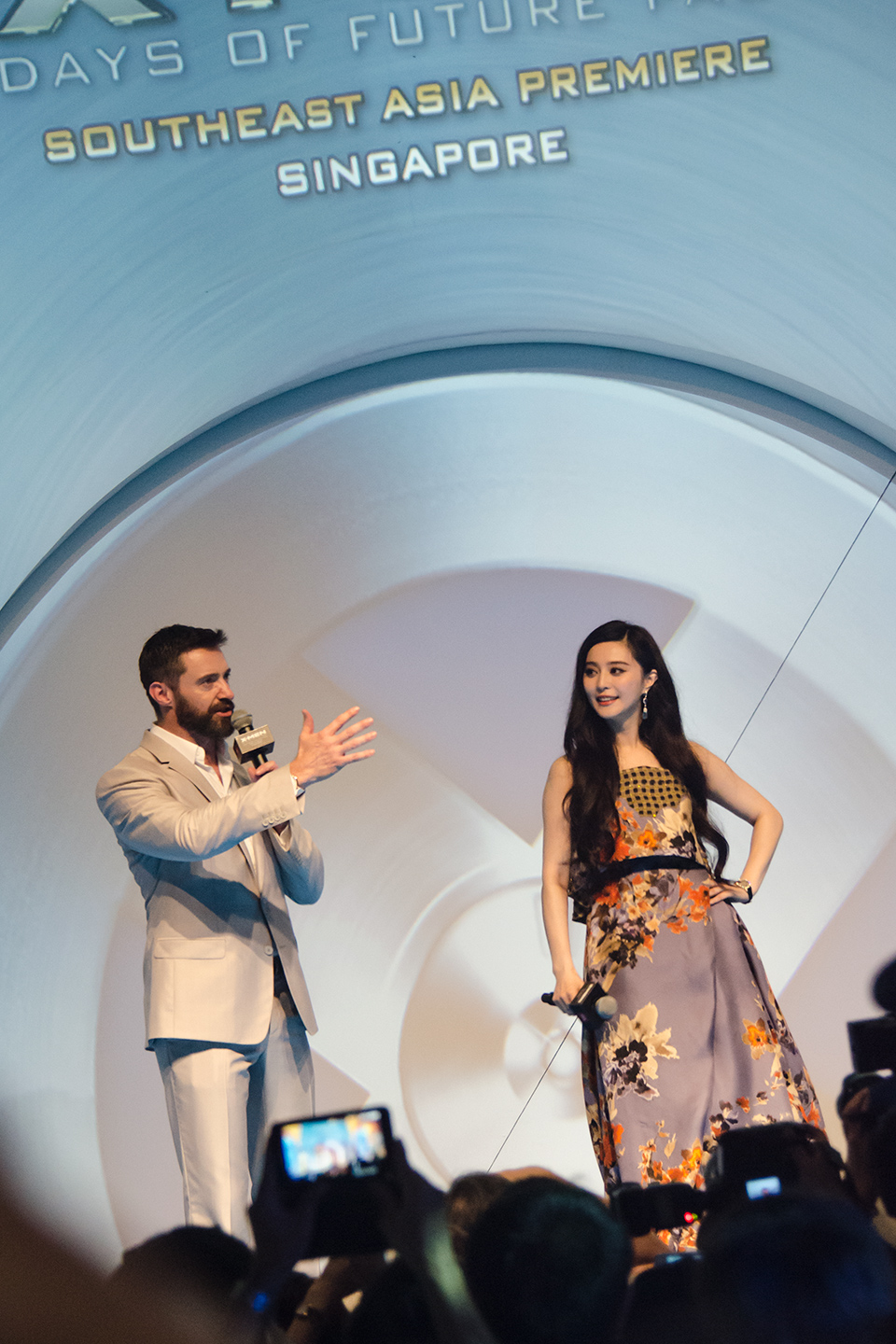
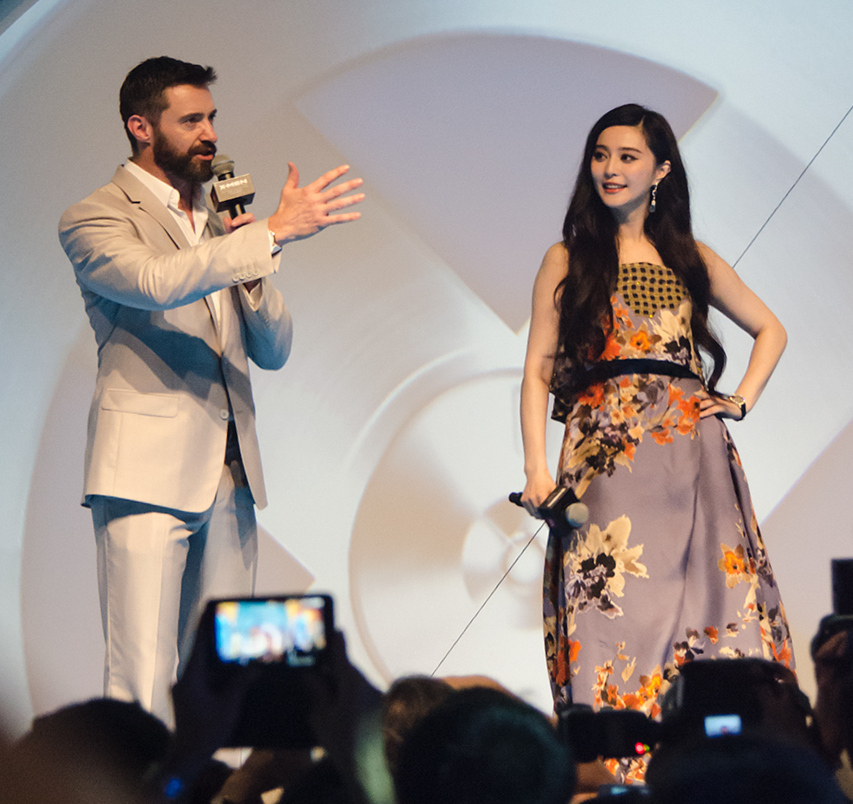
Even before the 2018 scandal, Fan Bingbing had been steadily building an international filmography. She appeared in the 2011 action vehicle My Way and later secured a role in the Marvel blockbuster X-Men: Days of Future Past (2014), signaling her ambition to work within Hollywood's tentpole ecosystem. That trajectory continued well into the 2020s with the spy thriller The 355 (2022) and the action film Ice Road: Vengeance (2025). Perhaps most notably, her 2025 film Mother Bhumi earned her the Golden Horse Award for Best Leading Actress—a major international recognition that arrived in the same year as Ice Road. This dual output underscores a deliberate strategy: while her mainland career remains constrained by the 2018 blacklisting, she has cultivated a parallel identity as a global actress and the face of her own beauty brand, Fan Beauty. The result is a career that, though no longer centered on the domestic Chinese market, continues to generate both critical acclaim and commercial visibility on the world stage.
Gallery
Frequently Asked Questions
Who is Fan Bingbing?
Fan Bingbing is a Chinese actress born on 16 September 1981 who first became a household name through the late-1990s costume series My Fair Princess. She went on to become one of the most recognizable and commercially dominant figures in Chinese film and television.
What are Fan Bingbing's most celebrated film roles?
Her breakthrough performance came in Feng Xiaogang's 2003 drama Cell Phone, and she later delivered a widely praised lead turn in the 2016 film I Am Not Madame Bovary. Both roles are routinely cited as career highlights in Chinese cinema.
What major acting awards has Fan Bingbing received?
She won the Hundred Flowers Award for Best Actress for Cell Phone (2003) and collected both the Silver Shell and the Golden Rooster Best Actress honors for I Am Not Madame Bovary (2016). These three trophies cement her status as one of China's most decorated screen actresses.
What happened in the 2018 tax controversy?
In late 2018, Chinese authorities announced that Fan Bingbing had been investigated for tax evasion, resulting in a substantial fine and a prolonged absence from public appearances. The incident temporarily overshadowed her earlier commercial peak, during which she had topped the Forbes China Celebrity 100 list from 2013 through 2017.
Why is Fan Bingbing considered a landmark figure in Chinese cinema?
Spanning nearly two decades of leading roles across television and film, she became the industry's most visible star and a symbol of Chinese entertainment's global reach. Her 2017 inclusion on Time magazine's list of the 100 most influential people further highlighted her cultural weight beyond the screen.
More in International Cinema Stars 1-24
Spotted an error? Know more?
Reader corrections go straight into our review queue. Suggest an edit · How this site is sourced