
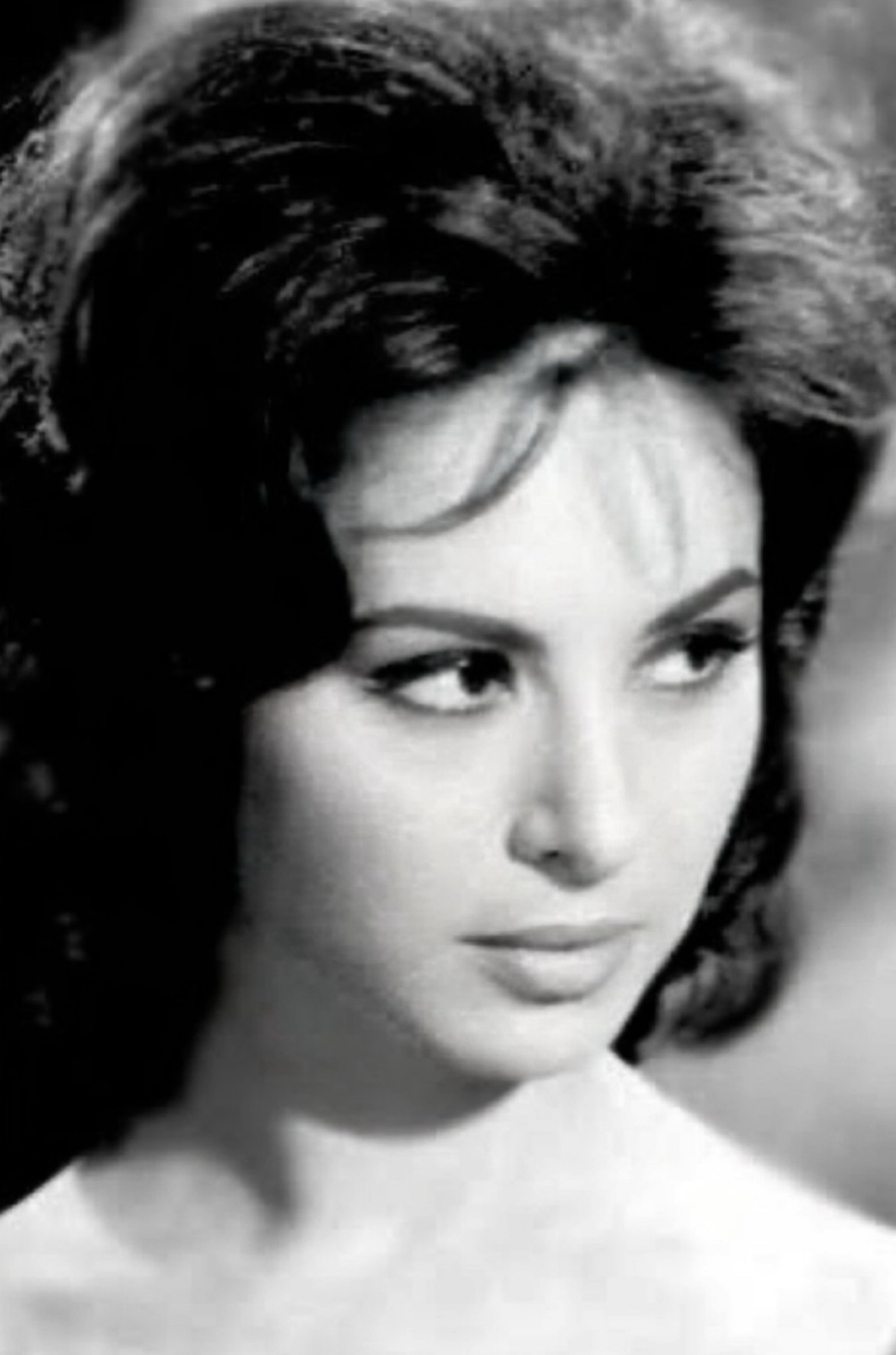
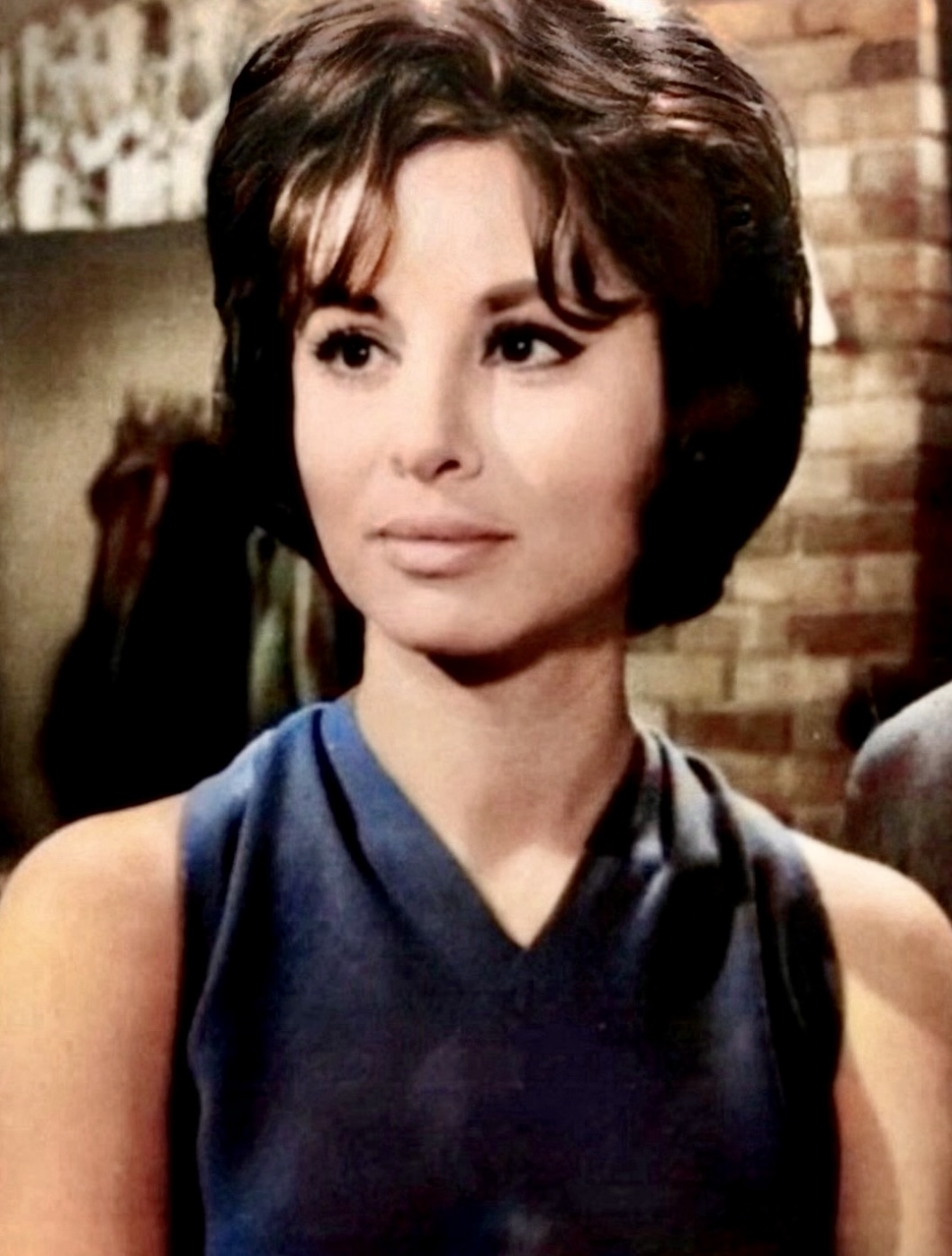
Faten Hamama
Egyptian actress and producer, icon of Arab cinema.

Unknown author · Public domain
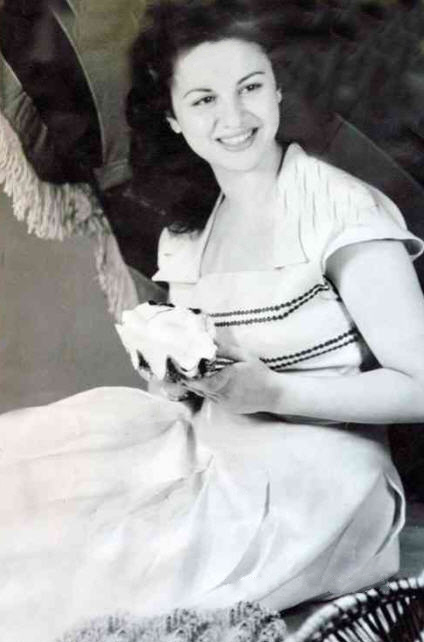
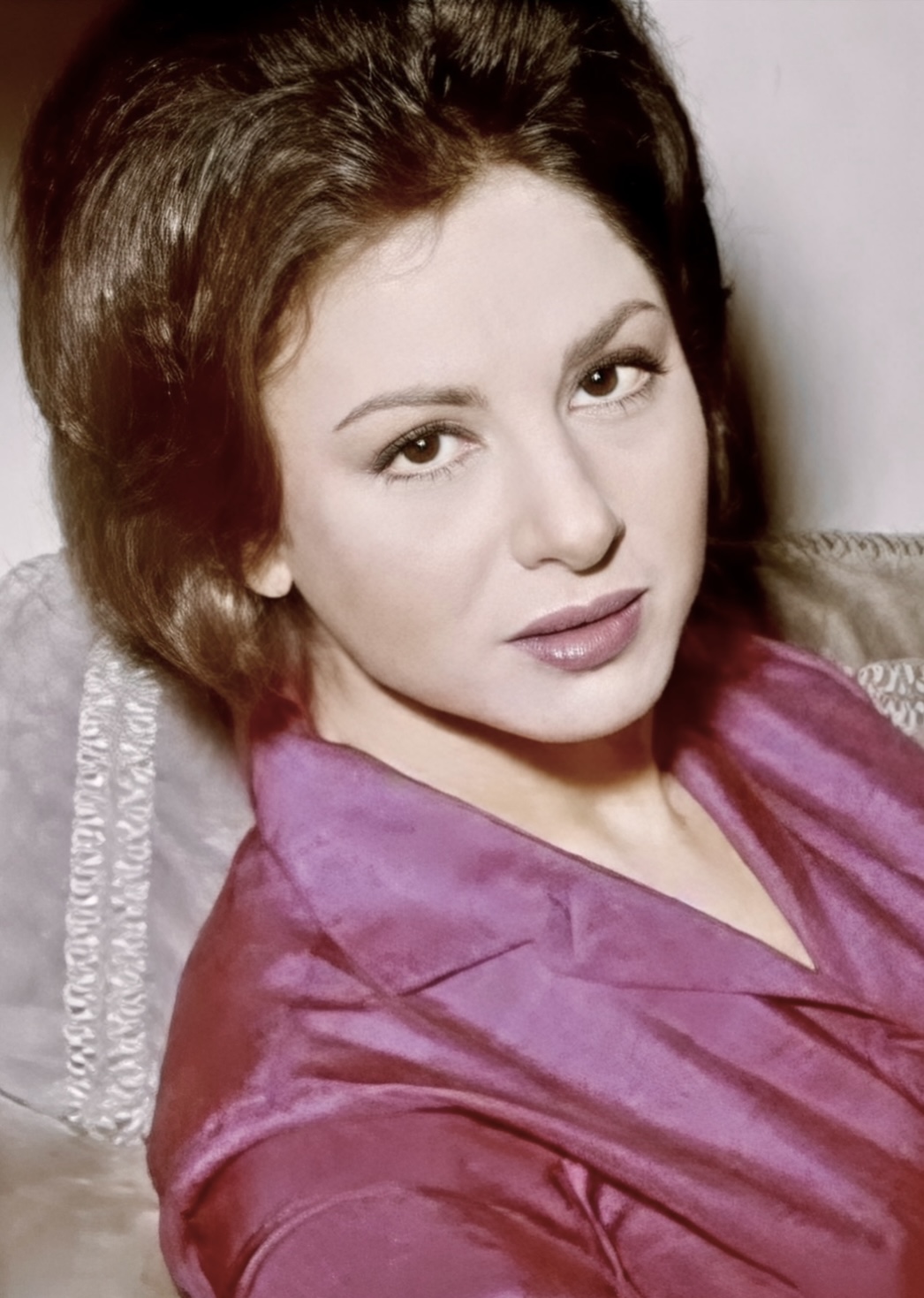
Faten Ahmed Hamama (27 May 1931 – 17 January 2015) was an Egyptian actress and film producer who worked in both film and television. She first appeared on screen in 1939 at the age of seven. Her early parts were small, but her steady work and growing success made her a standout figure in Egyptian cinema, and she later became widely regarded as an icon. In 1996, critics at the Cairo International Film Festival selected nine of her films for the list of the top hundred films in Egyptian cinema history.
After a seven-year break from acting, Hamama returned in 2000 with the highly anticipated television series *Wageh El Amar* (وجه القمر, *Face of the Moon*). She played a major role in strengthening Egypt’s film industry and in highlighting the place of women in both cinema and Egyptian society. That same year, the Egyptian Writers and Critics organization named her the Star of the Century. She was married three times: first to Ezz El-Dine Zulficar, then to Omar Sharif, and finally to Dr. Mohamed Abdel Wahab.
Hamama was born in 1931 to a lower-middle-class family in Mansoura, Egypt, according to her birth certificate, though she herself said she was born in Cairo’s Abdeen district. She had an older brother, Mounir; a younger sister, Layla; and a younger brother, Mazhar. Her desire to act began early. When she was six, her father took her to see an Assia Dagher film; when the audience applauded Assia, Hamama told her father she felt they were clapping for her.
After winning a children’s beauty pageant in Egypt, her father sent her photo to director Mohamed Karim, who was searching for a young girl to play a small role opposite the famous actor and musician Mohamed Abdel Wahab in the film *Youm Sai'd* (يوم سعيد, *A Happy Day*, 1939). Following an audition, Abdel Wahab chose her. After the film, people called her “Egypt’s own Shirley Temple.” Karim was impressed enough to sign a contract with her father. Four years later, she worked again with Abdel Wahab in Karim’s *Rossassa Fel Qalb* (رصاصه فى القلب, *Bullet in the Heart*, 1944), and two years after that in *Dunya* (دنيا, *Universe*, 1946). Following her success, Hamama moved with her parents to Cairo and began studying at the High Institute of Acting in 1946.
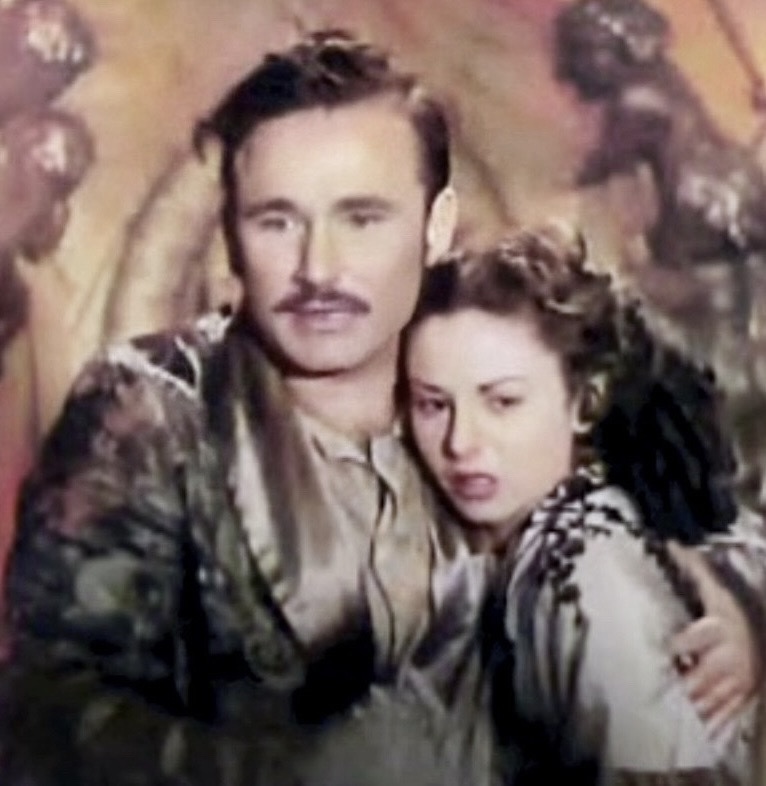
Actor and director Youssef Wahbi noticed her talent and gave her a lead role in the 1946 film *Malak al-Rahma* (ملاك الرحمه, *Angel of Mercy*).
- Born
- 27 May 1931
- Died
- 17 January 2015
- Field
- Actress, film producer
- Nationality
- Egyptian
- Known for
- Icon of Egyptian cinema; Star of the Century (2000)
Lore & Background
Faten Hamama was born in 1931 to a lower middle class family in Mansoura, Egypt (per her birth certificate), though she claimed to have been born in Cairo. Her acting aspiration began at age six when she attended a film and felt the audience was clapping for her. After winning a children's beauty pageant, her father sent her photo to director Mohamed Karim, leading to her debut in Youm Sai'd (1939) opposite Mohamed Abdel Wahab. She was called 'Egypt's own Shirley Temple' and later studied at the High Institute of Acting in 1946.
Her career flourished in the 1950s, the golden age of Egyptian cinema. She starred in films such as Lak Yawm Ya Zalem (1951) and Sira` Fi al-Wadi (1954), the latter of which was nominated at Cannes. She married director Ezz El-Dine Zulficar in 1947, then actor Omar Sharif in 1955, with whom she made several films, and later Dr. Mohamed Abdel Wahab. In 1966, after her divorce from Sharif, she left Egypt and moved to London. She returned to Egypt in the early 1970s. Her film Imbratoriyat Meem (1972) won a special prize at the Moscow International Film Festival.
Reader's Guide
Faten Hamama's significance lies in her enduring impact on Egyptian cinema and her role in advancing women's representation in the industry. She substantially helped improve the cinema industry in Egypt and emphasized the importance of women in cinema and society. Her film Oridu Hallan (I Want a Solution) criticized marriage and divorce laws, leading to legal change allowing khul'. She was a pro-democratic voice, using her films to convey messages of democracy and critique Egyptian laws. Her legacy includes nine films in the top 100 Egyptian films and being named Star of the Century. She remains a symbol of artistic excellence and social influence in the Arab world.
Did You Know?
- She made her screen debut at age seven in 1939.
- Nine of her films were in the Top hundred Egyptian films of all time (1996).
- She was married to actor Omar Sharif from 1955 until their divorce.
- Her 1972 film Imbratoriyat Meem won an award from the Soviet Union of Women at the Moscow International Film Festival.
A Child Star's Awakening
Faten Hamama was born on 27 May 1931 into a lower-middle-class family in Mansoura, though she later insisted the Abdeen quarter of Cairo was her true birthplace. Growing up between older brother Mounir, younger sister Layla, and younger brother Mazhar, her theatrical hunger set her apart from the start. At six, her father took her to see an Assia Dagher film; when the crowd rose to applaud, the small girl turned to him and declared the ovation was for her. That self-assurance would prove prophetic. After winning a children's beauty pageant, her father forwarded her photograph to director Mohamed Karim, who was searching for a young girl to appear beside the celebrated Mohamed Abdel Wahab in Youm Sai'd (1939). Following an audition, Wahab personally selected her. The picture made her an overnight sensation—audiences nicknamed her "Egypt's own Shirley Temple"—and the director locked in a contract with her father. By 1944 she was back on screen in Rossassa Fel Qalb, and in 1946 the family relocated to Cairo so she could enroll at the High Institute of Acting.
Forging a Golden Age
The late 1940s and 1950s represented the zenith of Egyptian cinema, and Hamama was its beating heart. Director Youssef Wahbi recognized her gift and cast her in the lead of Malak al-Rahma (1946); at just fifteen, her melodramatic turn drew sweeping media coverage and locked in her stardom. The following years delivered a remarkable string of hits—Korsi el-e'traf, Al-Yateematain, and Sitt al-Bayt all triumphed in 1949 alone. Her international standing grew when Lak Yawm Ya Zalem (1951) and Sira' Fi al-Wadi (1954) each earned Prix International nominations at Cannes. She also anchored the first Egyptian mystery film, Al-Manzel Raqam 13, and in 1959 delivered a romantic performance in Bain Al Atlal alongside Emad Hamdy and the rising Salah Zulfikar. By 1963 she had crossed into Hollywood with a part in the crime film Cairo and collected an award for the political drama La Waqt Lel Hob. In 1996, Cairo International Film Festival critics placed nine of her films among the top hundred in the nation's cinematic history.
Love, Partnership, and the Screen
Hamama's personal romances and professional collaborations were inseparable. In 1947, while shooting Abu Zayd al-Hilali, she married producer-director Ezz El-Dine Zulficar. Together they founded a production company that released Maw'ed Ma' al-Hayat, a picture that earned her the title "lady of the Arabic screen." Their marriage dissolved in 1954, yet the creative bond endured—she continued to act in films he directed even after he wed actress Kawthar Shafik that same year. A turning point came in 1954 on the set of Youssef Chahine's Struggle in the Valley: Hamama refused co-star Shukry Sarhan, and Chahine offered the role to a freshly graduated Omar Sharif. She accepted, and they married in 1955. The couple became the defining romantic pairing of Egyptian cinema, headlining Ayyamna al-Holwa, Ard al-Salam, La Anam, and Sayyidat al-Qasr. Their final joint film before divorce was Nahr al-Hob in 1960.
Exile, Defiance, and Enduring Legacy
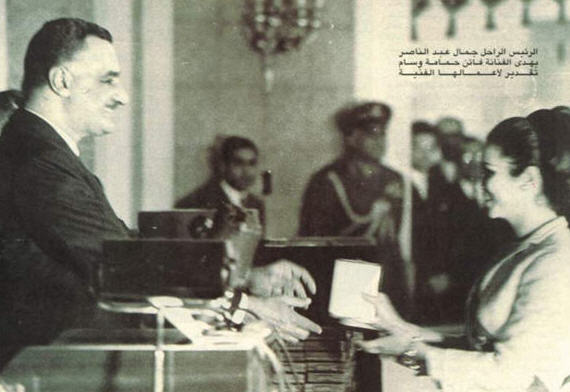
Hamama's relationship with Egypt's political establishment fractured in the late 1960s. Although she had backed the 1952 Revolution, she grew opposed to the Free Officers' regime and refused what she described as intelligence officers "asking her to cooperate." The retaliation was swift: she was barred from traveling and excluded from film festivals. After prolonged disputes, she departed Egypt in 1966, spending four years in Paris, London, and Lebanon. President Nasser, who had called her a "national treasure" and conferred an honorary decoration in 1965, reportedly enlisted writers, journalists, and personal friends to persuade her to come home. She finally returned in February 1970. After a seven-year acting hiatus, she reappeared in 2000 in the television series Wageh El Amar, a role that generated enormous anticipation. That same year the Egyptian Writers and Critics organization named her Star of the Century. Her influence stretched well beyond the screen; she championed the visibility of women in both cinema and broader Egyptian society, leaving a mark that continues to shape the industry she helped build.
Gallery
Frequently Asked Questions
Who is Faten Hamama?
Faten Hamama (27 May 1931 – 17 January 2015) was an Egyptian actress and film producer who worked across both film and television. She is broadly remembered as one of the defining icons of Arab cinema.
When did Faten Hamama start acting?
She made her first on-screen appearance in 1939 at the age of seven, taking on small parts. Her steady accumulation of roles and growing talent gradually elevated her into a standout figure in Egyptian cinema.
Why is Faten Hamama considered so important?
She is widely regarded as the icon of Egyptian cinema and a towering figure in the broader Arab film world. In 2000 she was honored with the title 'Star of the Century,' and in 1996 Cairo International Film Festival critics placed nine of her films on their top-hundred Egyptian cinema list.
What happened during Faten Hamama's seven-year hiatus from acting?
After stepping away from the screen for seven years, she made a highly anticipated comeback in 2000. Her return was treated as a major event in the Egyptian film community.
What major recognition did Faten Hamama receive for her body of work?
Besides the 2000 'Star of the Century' designation, her legacy was cemented when Cairo International Film Festival critics selected nine of her films for the top hundred in Egyptian cinema history in 1996. These honors underscore her lasting influence on the industry.
More in International Cinema Stars 1-24
Spotted an error? Know more?
Reader corrections go straight into our review queue. Suggest an edit · How this site is sourced