
Ezzatolah Entezami
Iranian actor, labeled greatest in Iranian cinema history.

GTVM92 · CC BY-SA 4.0
Ezzatolah Entezami (21 June 1924 – 17 August 2018) was an Iranian actor. Widely considered a towering figure in Iranian cinema, he has often been called the finest actor in the country's film history.
Entezami began his stage career in 1941 and later studied theatre and cinema in Hanover, Germany, graduating in 1958. He moved into film in 1969 with his debut in Dariush Mehrjui's *The Cow*, playing a simple villager who, unable to cope with his beloved cow's death, comes to believe he is the animal himself. Over his career, he collaborated with many leading Iranian directors, including Mehrjui (eight films), Ali Hatami (four films), Nasser Taqvaee, Mohsen Makhmalbaf, Behrouz Afkhami, and Rakhshan Bani-Etemad. He won the Crystal Simorgh for Best Actor twice at the International Fajr Film Festival, for *Grand Cinema* and *The Day of the Angel*. His achievements were honored in October 2006 at the Iran cultural center in Paris. Alongside Ali Nasirian, Mohammad Ali Keshavarz, Jamshid Mashayekhi, and Davoud Rashidi, he is counted among the five most influential actors in Iranian cinema.
His son, Majid Entezami, is a film score composer.
- Born
- 21 June 1924
- Died
- 17 August 2018
- Field
- Acting
- Nationality
- Iranian
- Known for
- Role in The Cow; Crystal Simorgh for Best Actor twice
Lore & Background
Ezzatolah Entezami began his stage career in 1941 and graduated from theatre and cinema school in Hanover, Germany in 1958. He started acting in movies in 1969, with his debut performance in Dariush Mehrjui's film The Cow, where he played a naive villager who cannot endure the death of his beloved cow and starts to believe he is the cow himself.
Entezami worked with most prominent Iranian film directors, including Dariush Mehrjui (eight films), Ali Hatami (four films), Nasser Taqvaee, Mohsen Makhmalbaf, Behrouz Afkhami, and Rakhshan Bani-Etemad. He was awarded the Crystal Simorgh for Best Actor twice from the International Fajr Film Festival, for Grand Cinema and The Day of Angel. His work was recognized in October 2006 at the Iran cultural center in Paris.
Entezami is considered one of 'the five most important actors in the history of Iranian cinema' alongside Ali Nasirian, Mohammad Ali Keshavarz, Jamshid Mashayekhi, and Davoud Rashidi. His son, Majid Entezami, is an Iranian film score composer.
Reader's Guide
Ezzatolah Entezami's significance lies in his status as a foundational figure in Iranian cinema, often called its greatest actor. His career spanned from stage in 1941 to film from 1969, with a breakthrough role in The Cow that showcased his ability to portray complex psychological states. He collaborated with many leading directors, notably Dariush Mehrjui, and received two Crystal Simorgh awards. His inclusion among the five most important actors in Iranian cinema underscores his lasting influence. Entezami's legacy is also carried on by his son, composer Majid Entezami. His recognition at the Iran cultural center in Paris in 2006 highlights his international acknowledgment.
From Stage to Screen: The Formative Years
Ezzatolah Entezami's journey into performance began in 1941, when he first stepped onto a theatrical stage in Iran. That early commitment to live performance would define his craft for decades to come. Before turning his full attention to the silver screen, he pursued formal training abroad, completing his studies at a theatre and cinema school in Hanover, Germany, in 1958. This European education gave him a structured foundation that he would carry back into Iranian storytelling. His cinematic career officially launched in 1969 with Darius Mehrjui's The Cow, a film that would become a landmark in the nation's film history. In it, Entezami portrayed Masht Hassan, a deeply naive villager whose grief over the loss of his beloved cow drives him to a startling psychological break — he begins to believe he himself has become the animal. The performance was raw, unsettling, and unforgettable, establishing Entezami not merely as a new face but as an actor capable of extraordinary emotional depth. That single role announced to the world a talent that would go on to shape Iranian cinema for the next four decades.
A Constellation of Collaborations
Throughout his decades in front of the camera, Entezami cultivated an extraordinary network of creative partnerships with Iran's leading filmmakers. He shared the screen with Darius Mehrjui in no fewer than eight films, a testament to the mutual respect between director and actor. He also appeared in four films with Ali Hatami, and lent his presence to projects by Nasser Taqvaee, Mohsen Makhmalbaf, Behrouz Afkhami, and Rakhshan Bani-Etemad. This breadth of collaboration meant his face and voice became woven into the fabric of Iranian cinema across multiple artistic visions. The critical world recognized his stature repeatedly. He received the Crystal Simorgh for Best Actor twice at the International Fajr Film Festival, honoring his performances in Grand Cinema and The Day of Angel. In October 2006, his body of work was formally celebrated at the Iranian cultural center in Paris, a nod to his international significance. He is frequently cited as the greatest actor in the history of Iranian cinema, and alongside Ali Nasirian, Mohammad Ali Keshavarz, Jamshid Mashayekhi, and Davoud Rashidi, he is counted among the five most important actors to have shaped the nation's film heritage.
A Career of Remarkable Range
From 1969 to 2011, Entezami accumulated a filmography that reads like a survey of Iranian society across generations. He played naive villagers and grieving farmers, but also Qajar-era monarchs such as Nasereddin Shah in Kamalolmolk and Once Upon a Time, Cinema — where he remarkably portrayed three distinct royal and peasant characters in a single production. His roles stretched from a doctor in The Dust Dwellers to a detective in Twilight, from a judge in multiple late-career films to a slave merchant in his final acting role, The Maritime Silk Road in 2011. His work was not confined to feature films. He starred in the 1988 television mini-series Hezar Dastan, and made guest appearances in projects like The Mix in 2000. He even took on the unusual task of co-scripting The Day of Angel in 1993. By the time he appeared as himself in the 2015 documentary Gohar Kheirandish A Filmography, his career had spanned over seven decades of continuous artistic output, beginning with that 1941 stage debut and stretching across an entire era of Iranian cultural life.
Legacy Beyond the Screen
Ezzatolah Entezami's influence extended well past the boundaries of any single film. His son, Majid Entezami, followed a parallel path in Iranian arts as a film score composer, suggesting that the creative impulse ran through the family. Together, father and son touched two fundamental pillars of cinema — performance and music — reinforcing the Entezami name as a touchstone of Iranian artistic culture. Born on 21 June 1924 and passing on 17 August 2018, Entezami lived to see his legacy cemented in institutional memory. His inclusion among the five most important actors in Iranian cinema history is not merely honorary; it reflects the measurable impact his work had on subsequent generations of performers and directors. A 2010 interview conducted for the biopic '… and the Blue Sky,' directed by Ghazaleh Soltani and produced by Ghasem Gholipour, offered a rare glimpse into the man behind the roles. His story — from a young man stepping onto a stage in 1941 to a revered elder whose final film role arrived in 2011 — encapsulates the arc of modern Iranian cinema itself.
Gallery
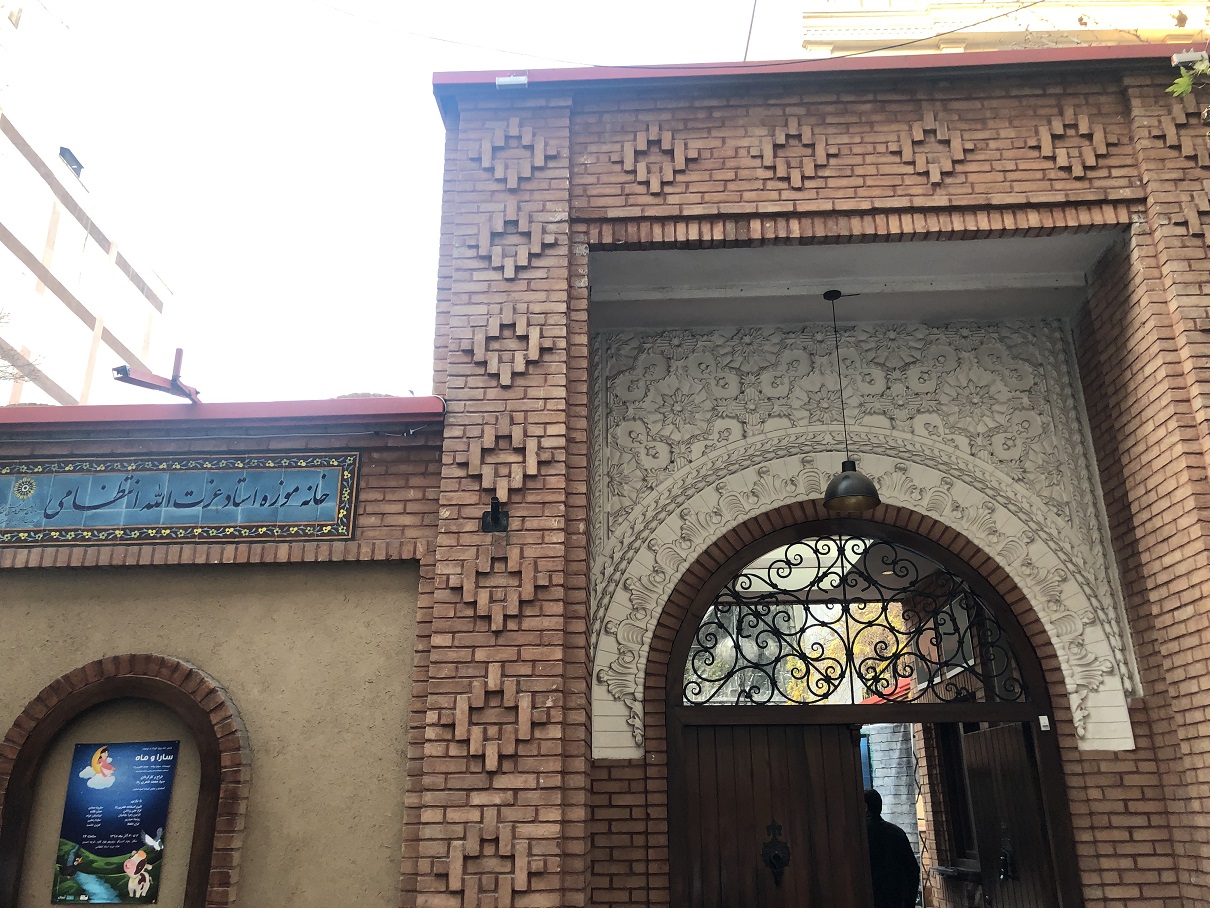
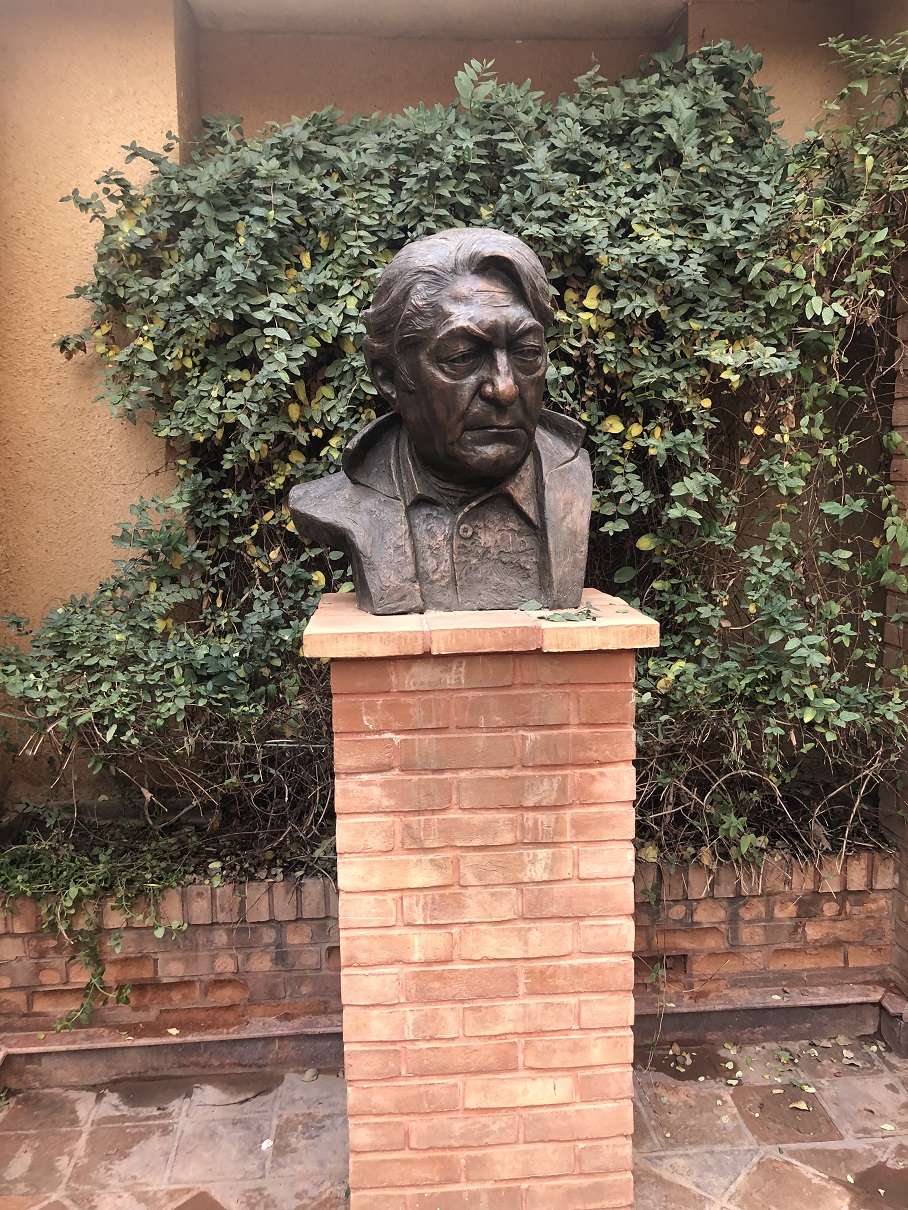
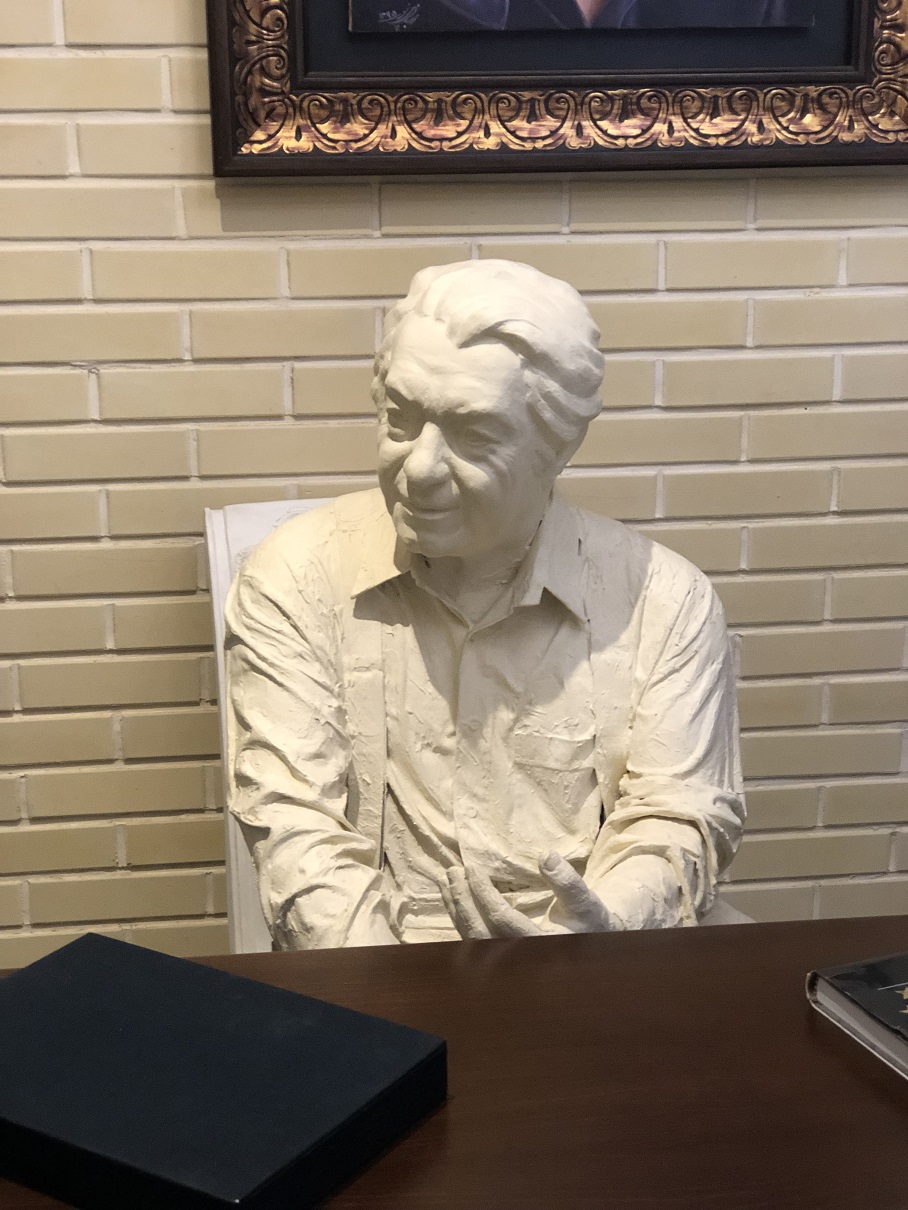
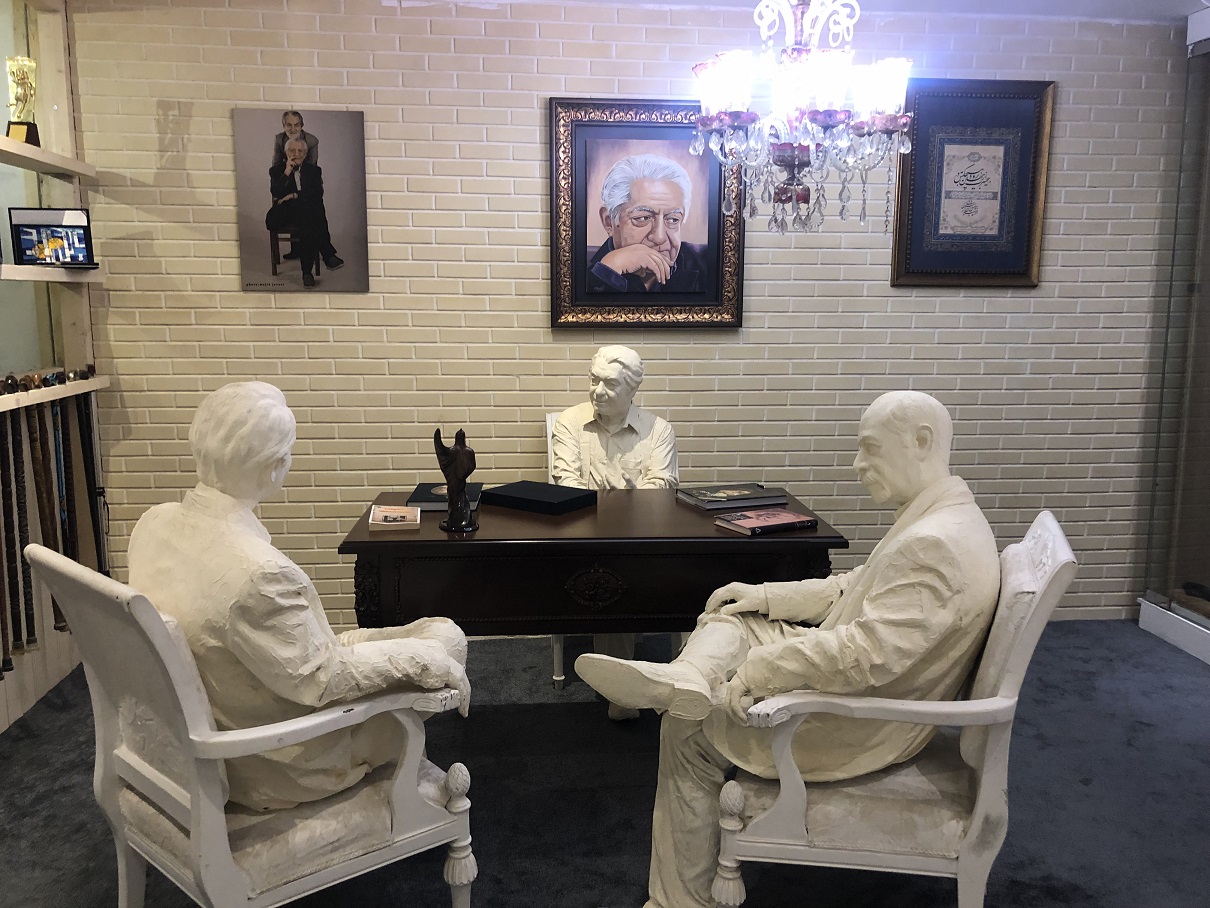
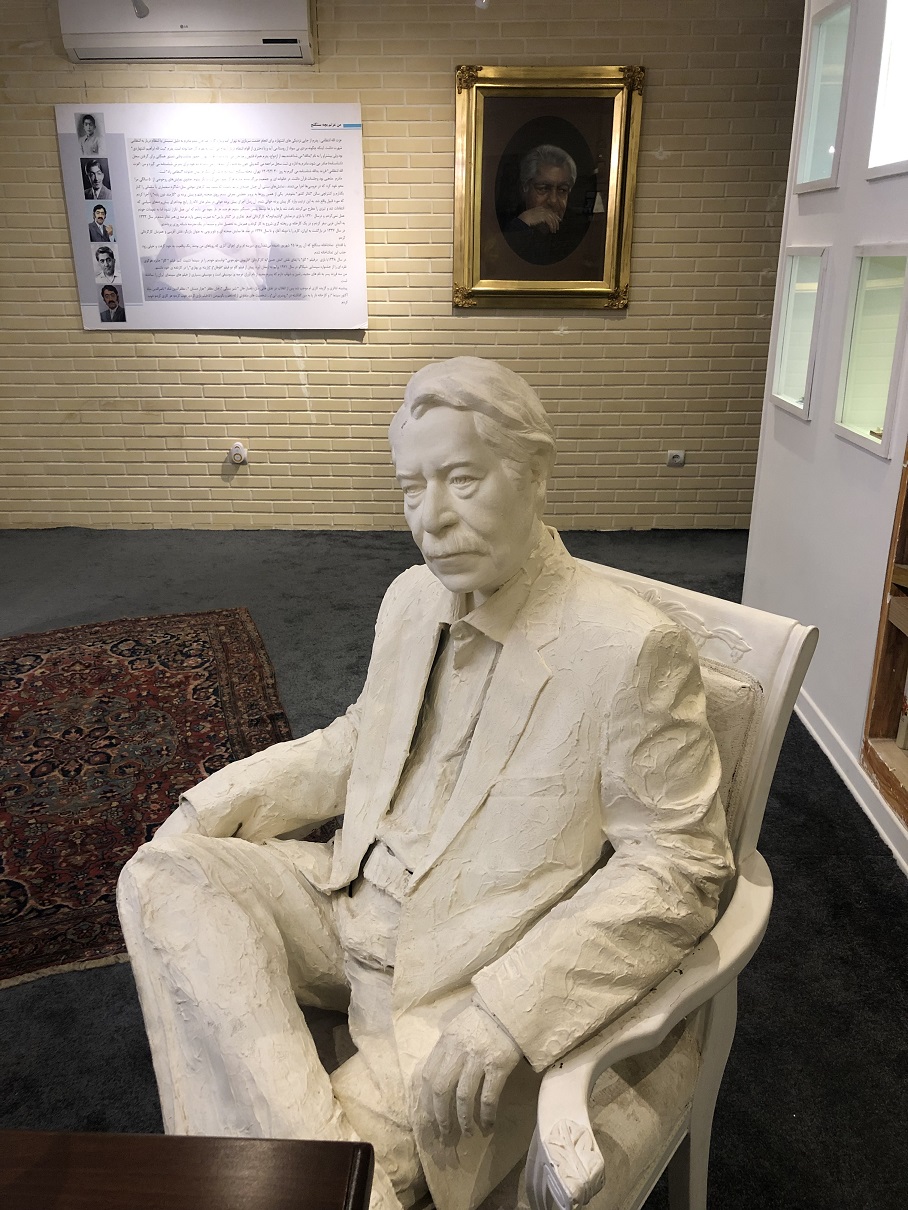
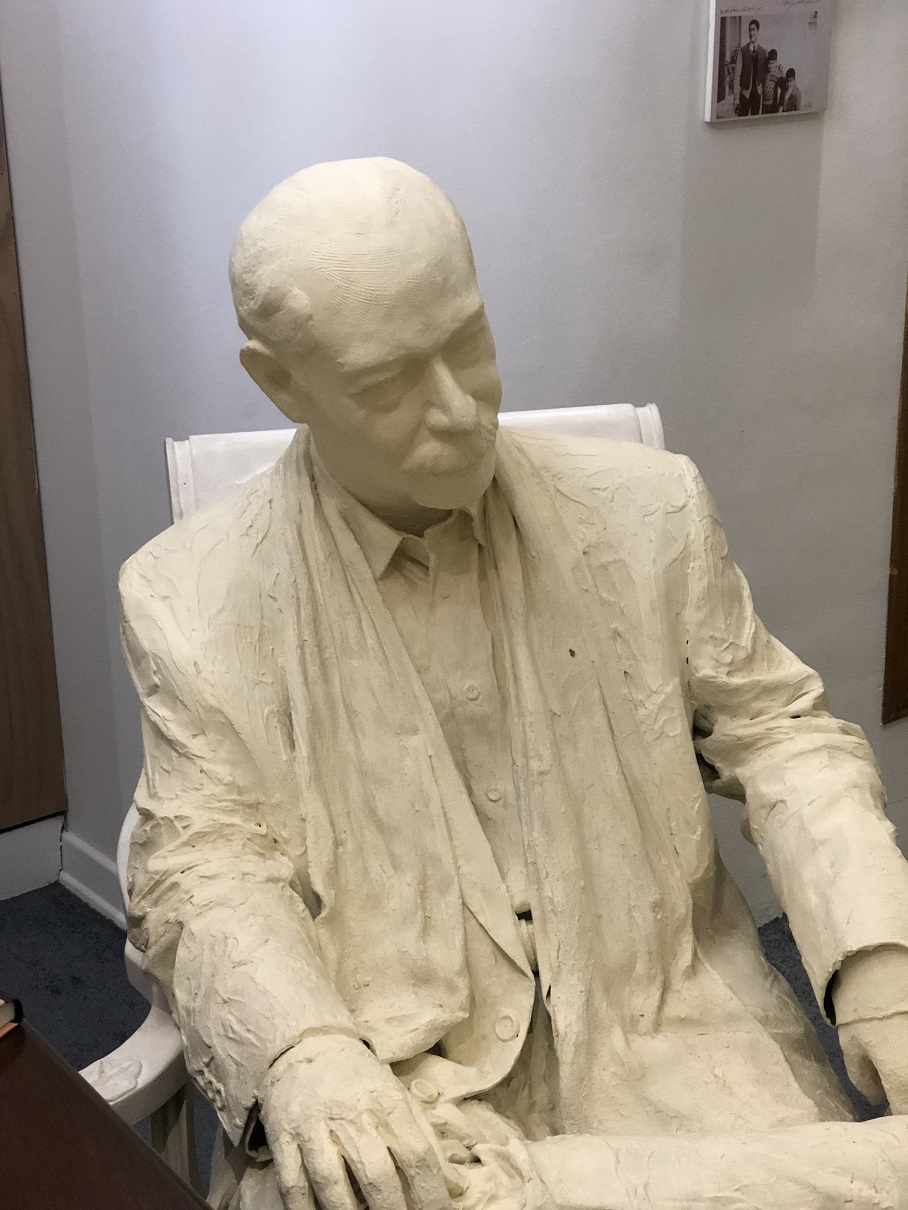
Frequently Asked Questions
Who is Ezzatolah Entezami?
He was an Iranian actor born on 21 June 1924 who passed away on 17 August 2018, and he is widely regarded as the most accomplished performer in the history of Iranian filmmaking.
What role made Ezzatolah Entezami famous?
His breakthrough film part arrived in 1969 with Dariush Mehrjui's *The Cow*, in which he portrayed a grief-stricken farmer who, unable to accept his beloved animal's death, begins to see himself as the cow.
What major awards did Ezzatolah Entezami receive?
He was honored with the Crystal Simorgh for Best Actor on two separate occasions, a recognition that cemented his reputation as a master of the screen.
How did Ezzatolah Entezami begin his acting career?
He first took the stage in 1941 and later pursued formal training in theatre and cinema in Hanover, Germany, graduating in 1958 before transitioning to film nearly three decades later.
Why is Ezzatolah Entezami considered so important to Iranian cinema?
Across a long career he collaborated with many of Iran's most celebrated directors and is frequently cited as the finest actor the country's film industry has ever produced.
More in International Cinema Stars 1-24
Spotted an error? Know more?
Reader corrections go straight into our review queue. Suggest an edit · How this site is sourced