Organisation of Islamic Cooperation
Intergovernmental body representing the collective voice of the Muslim world.

Tahir mq · CC BY-SA 4.0
The Organisation of Islamic Cooperation (OIC) is an intergovernmental organisation founded in 1969, originally named the Organisation of the Islamic Conference. It consists of 57 member states, 48 of which are Muslim-majority, and claims to be 'the collective voice of the Muslim world,' working to safeguard the interests of the Muslim world while promoting international peace and harmony. The OIC has permanent delegations to the United Nations and the European Union, and its official languages are Arabic, English, and French.
Quick Facts
- Conventional Long Name
- Organisation of Islamic Cooperation
- Native Name
- ar · منظمة التعاون الإسلامي / fr · Organisation de la coopération islamique
- Common Name
- OIC
- Linking Name
- the Organisation of Islamic Cooperation
- Motto
- "To safeguard the interests and ensure the progress and well-being of Muslims"
- Org Type
- Intergovernmental organisation
- Membership Type
- Membership
- Membership
- 57 member states
- Admin Center Type
- Administrative centre (Headquarters)
- Admin Center
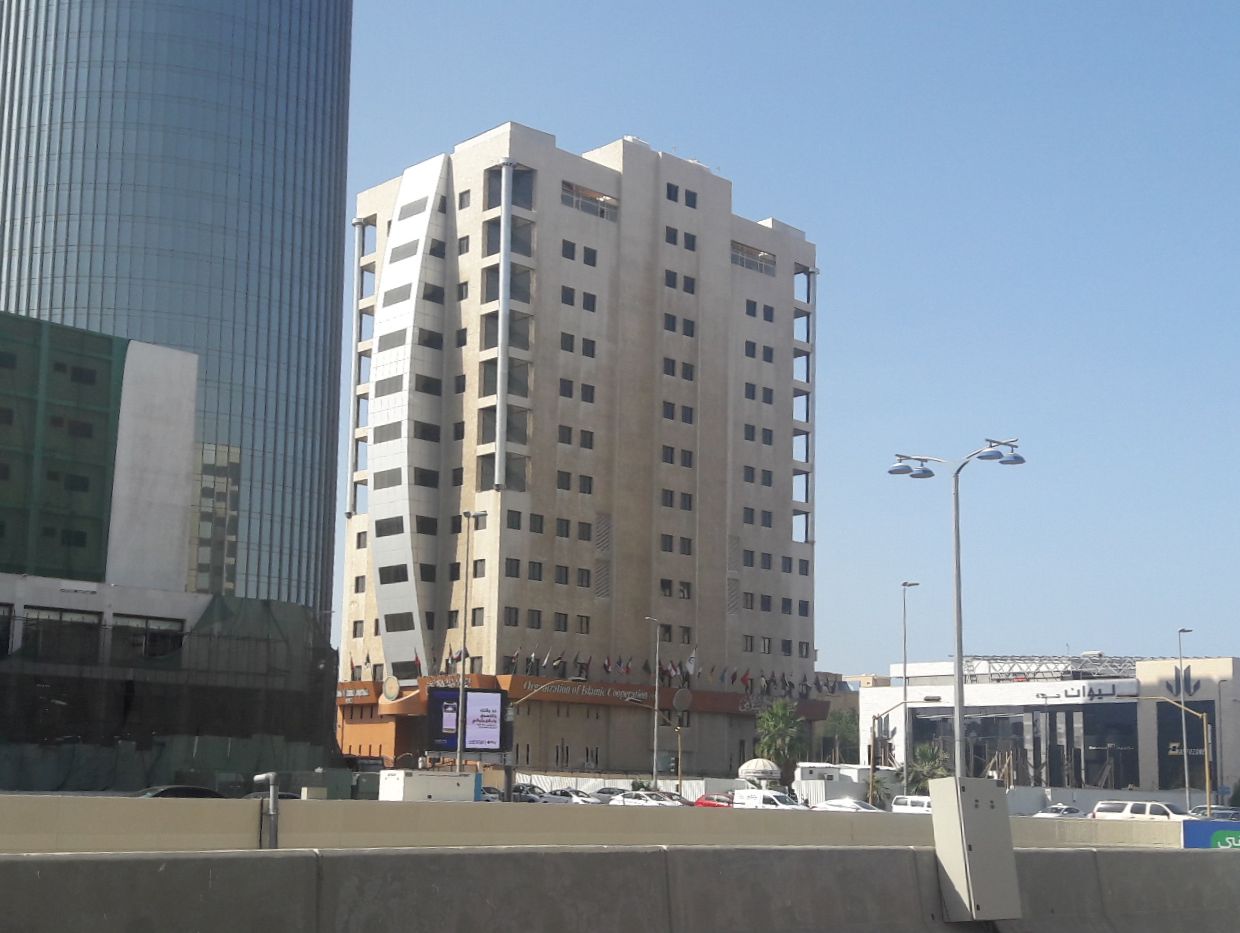
- Jeddah, Saudi Arabia
- Languages Type
- Official languages
- Languages
- Arabic · English · French
Facts from the source article.
Lore & Background
The OIC was catalyzed by the Al-Aqsa mosque fire in Jerusalem on 21 August 1969, after which King Hassan II of Morocco and other leaders called for a summit of Muslim heads of state. Representatives of 24 Muslim-majority countries met in Rabat, Morocco on 25 September 1969, passing a resolution for close cooperation in economic, scientific, cultural, and religious endeavors. The organisation was formally founded in 1969, though many Muslims had aspired to a pan-Islamic institution since the 19th century, particularly after the collapse of the Ottoman Empire and the Caliphate after World War I.
The OIC revised its charter in March 2008 to promote human rights, fundamental freedoms, and good governance, reaffirming the Cairo Declaration on Human Rights in Islam (adopted in 1990). In June 2011, the organisation changed its name from Organisation of the Islamic Conference to its current name. The OIC has taken positions on various conflicts, including supporting a two-state solution to the Israeli–Palestinian conflict, condemning the film Fitna in 2008, and supporting the Saudi-led intervention in Yemen in 2015. Syria's membership was suspended in August 2012 due to the government's use of heavy weapons against civilians, with restoration not yet established.
Reader's Guide
The Organisation of Islamic Cooperation serves as a significant intergovernmental platform for Muslim-majority and allied states, representing over 1.8 billion people as of 2015. Its founding was directly tied to the 1969 Al-Aqsa mosque fire, but it also filled a long-standing vacuum left by the collapse of the Ottoman Empire and the Caliphate. The OIC's influence extends to international bodies like the United Nations and European Union, where it maintains permanent delegations. Its charter emphasizes preserving Islamic social and economic values, promoting solidarity, and advancing education, particularly in science and technology. The organisation has faced internal tensions, such as the suspension of Syria's membership and ongoing disputes over India's potential membership, driven by Pakistan's opposition due to the Kashmir conflict. The OIC's adoption of the Cairo Declaration on Human Rights in Islam in 1990 and its later charter revision in 2008 reflect its evolving approach to human rights within an Islamic framework. Its role in hosting refugees—18 million by 2010 according to UNHCR—and its positions on conflicts like the Israeli–Palestinian issue and the Yemen intervention underscore its geopolitical relevance. The OIC remains a key forum for coordinating political, economic, and social policies among its diverse member states, though its effectiveness is sometimes limited by internal divisions.
Did You Know?
- The OIC was originally called the Organisation of the Islamic Conference until its name change on 28 June 2011.
- The OIC emblem contains three elements: the Kaaba, the Globe, and the Crescent.
- Syria's OIC membership was suspended in August 2012.
- The OIC supported South Africa's ICJ genocide case against Israel in January 2024.
Gallery
Frequently Asked Questions
What is the Organisation of Islamic Cooperation?
The OIC is an intergovernmental body established in 1969 that provides a unified platform for Muslim-majority nations to coordinate on shared interests. It positions itself as the collective representative of the Muslim world in global affairs while also advocating for international peace and harmony.
How many countries are members of the OIC?
The organisation currently counts 57 member states, of which 48 are predominantly Muslim nations. Together, these members represent a combined population exceeding 1.8 billion people and span roughly 31.66 million square kilometres of territory.
Where is the OIC headquartered and when did it originate?
The OIC traces its origins to 1969, when it was initially called the Organisation of the Islamic Conference. Its headquarters are located in Jeddah, Saudi Arabia, and it maintains permanent delegations at both the United Nations and the European Union.
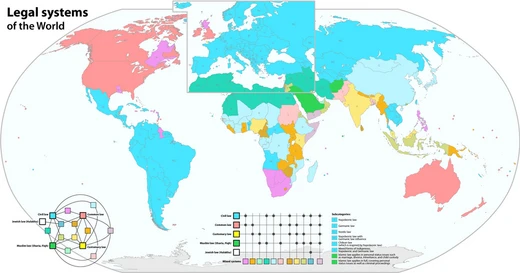
What is the OIC's role in comparative and international law?
In the landscape of international law, the OIC functions as a bloc that helps coordinate member states' positions on multilateral treaties, human-rights frameworks, and diplomatic negotiations. It does not hold binding legislative authority but instead provides a forum for consensus-building among its 57 members on legal and policy matters.
What languages does the OIC operate in?
The organisation conducts its official business in three languages: Arabic, English, and French. This trilingual framework reflects the geographic and cultural diversity of its membership across the Middle East, Asia, Africa, and parts of Europe.
More in International And Comparative Law 1-20
Spotted an error? Know more?
Reader corrections go straight into our review queue. Suggest an edit · How this site is sourced