
Celeron
Intel's budget processor line, discontinued in 2023.

Honmingjun · CC BY-SA 4.0
The Celeron was a line of low-cost IA-32 and x86-64 microprocessors produced by Intel between 1998 and 2023. The first model, launched on April 15, 1998, was derived from the Pentium II. Starting in 2009, all Celeron processors could handle both 32-bit and 64-bit x86 software. Compared to Intel’s Pentium or Core brands, Celeron chips typically had smaller caches and fewer features, which led to noticeably lower performance—though some designs performed well for their market segment. Intel’s higher-end processors commanded higher prices partly because they offered larger caches and advanced features absent from the Celeron.
Intel introduced the Celeron after losing ground in the low-end market to competitors like the Cyrix 6x86, AMD K6, and IDT Winchip. The existing Pentium MMX, running at 233 MHz, was no longer competitive. Rather than develop a faster Pentium MMX for the Socket 7 platform—which allowed drop-in replacements from rivals—Intel chose a budget chip that was pin-compatible with its high-end Pentium II, using the proprietary Slot 1 interface. The Celeron also effectively ended the nine-year run of the i486, which had served as Intel’s low-end processor for desktops and laptops until 1998.
The name “Celeron” was created by Lexicon Branding, the same firm that coined “Pentium.” According to the San Jose Mercury News, the reasoning was that “Celer” is Latin for swift (as in “accelerate”), and “on” suggests being turned on. The name has seven letters and three syllables, matching Pentium, and the “Cel” rhymes with the “tel” in Intel.
The Celeron line was discontinued on January 1, 2023. In September 2022, Intel announced that both the Celeron and Pentium brands would be replaced by the “Intel Processor” branding for low-end chips, stating that the same products and benefits would continue within those segments. The final Celeron had two cores, while its replacement, the N100, has four cores. The maximum clock speed was 3.40 GHz, with a thermal design power of 6 watts and a maximum RAM capacity of 16 GB.
The first Celeron family used Intel’s sixth-generation P6 microarchitecture and was a low-end variant of the Pentium II and later Pentium III. The initial Covington core, launched in April 1998, was essentially a 266 MHz Pentium II with no secondary cache.
Quick Facts
- Produced-Start
- 1998-04-15
- Produced-End
- 2023-01-01
- Soldby
- Intel
- Slowest
- 266
- Fastest
- 3.6
- Slow-Unit
- MHz
- Fast-Unit
- GHz
- Fsb-Slowest
- 66
- Fsb-Fastest
- 1333
- Fsb-Fast-Unit
- MT/s
- Dmi-Slowest
- 2.0
- Dmi-Fastest
- 16
Facts from the source article.
Lore & Background
The Celeron was introduced in response to Intel's loss of the low-end market, particularly to the Cyrix 6x86, the AMD K6, and the IDT Winchip. Intel's existing low-end product, the Pentium MMX, was no longer performance-competitive at 233 MHz. Instead of a faster Pentium MMX, Intel pursued a budget part pin-compatible with the high-end Pentium II, using the proprietary Slot 1 interface. The Celeron also effectively killed off the nine-year-old i486 chip, which had been the low-end processor brand until 1998. Intel hired marketing firm Lexicon Branding, which had coined 'Pentium', to name the new product; the name 'Celeron' combined Latin 'celer' (swift) with 'on' (as in 'turned on'), matching Pentium's seven letters and three syllables.
The first family of desktop Celerons were based on the P6 microarchitecture, low-end variants of the Pentium II and later Pentium III. The initial Covington Celeron (April 1998) was a 266 or 300 MHz Pentium II without any secondary cache, leading to poor performance and a poor reputation. The Mendocino Celeron (August 24, 1998) was the first retail CPU to use on-die L2 cache, with 128 KB running at full clock rate. The 300A model offered almost twice the performance of the cacheless Covington at the same clock rate. Overclockers found that many Celeron 300A CPUs could run reliably at 450 MHz by increasing the front-side bus from 66 MHz to 100 MHz, rivaling the fastest x86 processors available. Mendocino Celerons were released at speeds up to 533 MHz and introduced both Slot 1 SEPP and Socket 370 PPGA packaging, with the Slot 1 variant discontinued starting with the 466 MHz part.
Reader's Guide
The Celeron brand's significance lies in its role as Intel's low-cost processor line, designed to compete in the budget market against rivals like the AMD K6 and Cyrix 6x86. The initial cacheless Covington Celeron was a notable failure, performing poorly and earning a bad reputation, but the subsequent Mendocino core with on-die L2 cache proved highly successful—so much so that it risked cannibalizing sales of Intel's higher-margin Pentium II. The Mendocino Celeron 300A became legendary among overclockers for its ability to run at 450 MHz, matching top-tier processors at a fraction of the cost. Over time, Celeron processors consistently offered smaller caches and fewer features than Pentium or Core brands, resulting in lower performance. The line was discontinued on January 1, 2023, replaced by the 'Intel Processor' branding for low-end chips. Despite its budget positioning, the Celeron's legacy includes pioneering on-die L2 cache and demonstrating that a low-cost processor could, in some cases, deliver performance that rivaled premium products.
Did You Know?
- The name 'Celeron' was coined by Lexicon Branding, the same firm that created the name 'Pentium'.
- The first Celeron, the Covington, had no secondary cache at all, leading to poor performance.
- Many Celeron 300A CPUs could be overclocked from 300 MHz to 450 MHz by increasing the front-side bus to 100 MHz.
Origins and the Battle for the Budget Segment
Intel launched the Celeron on April 15, 1998, as a direct response to losing the budget PC segment to rivals like Cyrix, AMD, and IDT. The company's existing low-end offering, the Pentium MMX at 233 MHz, could no longer hold its own. Rather than simply pushing a faster Pentium MMX onto the open Socket 7 platform, where competitor chips could slot in as drop-in replacements, Intel chose a more aggressive path: a budget processor pin-compatible with its premium Pentium II, built around the proprietary Slot 1 interface. This strategic pivot also effectively retired the i486, which had served as the entry-level chip for desktops and laptops for nearly a decade. For the product name, Intel turned to Lexicon Branding, the same San Jose firm that had coined "Pentium." Their reasoning was elegant: "Celer" derives from the Latin word for swift, as in accelerate; "on" evokes being switched on. The result was a seven-letter, three-syllable name whose "Cel" rhymes with the "tel" in Intel, a deliberate phonetic echo tying the budget line to the company's flagship identity.
From Covington's Stumble to Mendocino's Triumph
The first Celeron, code-named Covington, hit shelves in April 1998 as essentially a 266 MHz Pentium II stripped of all secondary cache. Despite carrying the Intel name and sharing the 80523 product code with its Pentium II sibling, the cacheless chip struggled to outperform the parts it was meant to replace. Initial sales were driven largely by brand recognition, but the trade press and professional users quickly soured on its performance, and market interest evaporated. Intel was forced to rush a faster successor. That successor, Mendocino, arrived on August 24, 1998, and changed everything. It was the first retail CPU to integrate L2 cache directly on the die, 128 KB running at full clock speed. The 300 MHz Mendocino, marketed as the Celeron 300A to distinguish it from the older Covington, delivered nearly double the performance of its predecessor at the same frequency. Overclockers discovered that by raising the front-side bus from 66 MHz to 100 MHz, many 300A chips ran reliably at 450 MHz, rivaling the fastest x86 processors of the era. When motherboards locked the bus speed, enthusiasts simply taped over pin B21 to bypass the restriction.
Architectural Evolution and the Performance Trade-Off
From its P6-architecture roots as a stripped-down Pentium II and later Pentium III, the Celeron line gradually expanded its capabilities while remaining firmly in the budget tier. Coppermine-based designs added support for the Streaming SIMD Extensions instruction set, accelerating floating-point and parallel workloads, though they also introduced a controversial serial number etched into the chip during manufacturing, a feature absent from Tualatin and subsequent Intel processors. The final desktop P6 Celerons shipped on April 23, 2004. A significant architectural leap came with the Prescott Celeron D and Conroe Celeron M, which brought dual 32-bit and 64-bit x86 software support to the budget line. Throughout its life, the Celeron's defining trade-off was clear: smaller CPU caches and fewer advanced features kept performance below Intel's Pentium and Core brands, which commanded premium pricing precisely because of those larger caches and richer feature sets. While certain Celeron designs punched above their weight class, the majority of the line delivered noticeably degraded performance compared to Intel's mainstream offerings.
A Twenty-Five-Year Run and Its Quiet End
After twenty-five years of continuous production, Intel announced in September 2022 that the Celeron brand, alongside Pentium, would be retired effective January 1, 2023. Both lines would be folded into a unified "Intel Processor" identity for low-end chips, with the company promising to continue delivering the same products and benefits within those segments. The final Celeron-era hardware, exemplified by the N100, offered four cores, a step up from the two cores typical of earlier Celeron designs, clocked at a maximum of 3.40 GHz, with a remarkably low 6-watt thermal design power and support for up to 16 GB of RAM. The brand's journey from a cacheless 266 MHz chip that struggled to sell, through the overclocker darling Mendocino, to a 64-bit four-core budget processor, spanned the entire arc of the modern PC era. Its 1998 launch also marked the quiet retirement of the i486, ending nearly a decade of that chip's dominance in entry-level machines.
Gallery
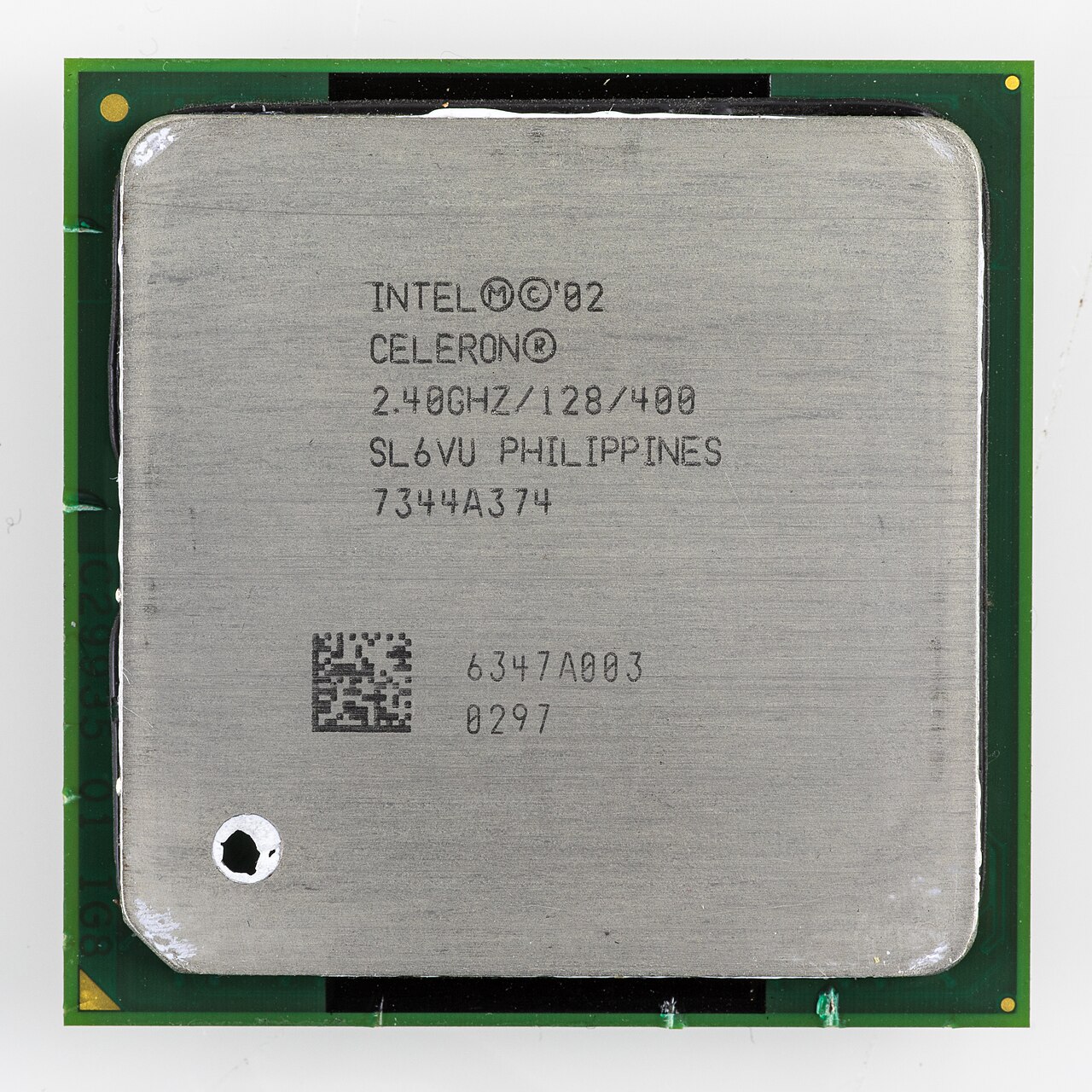
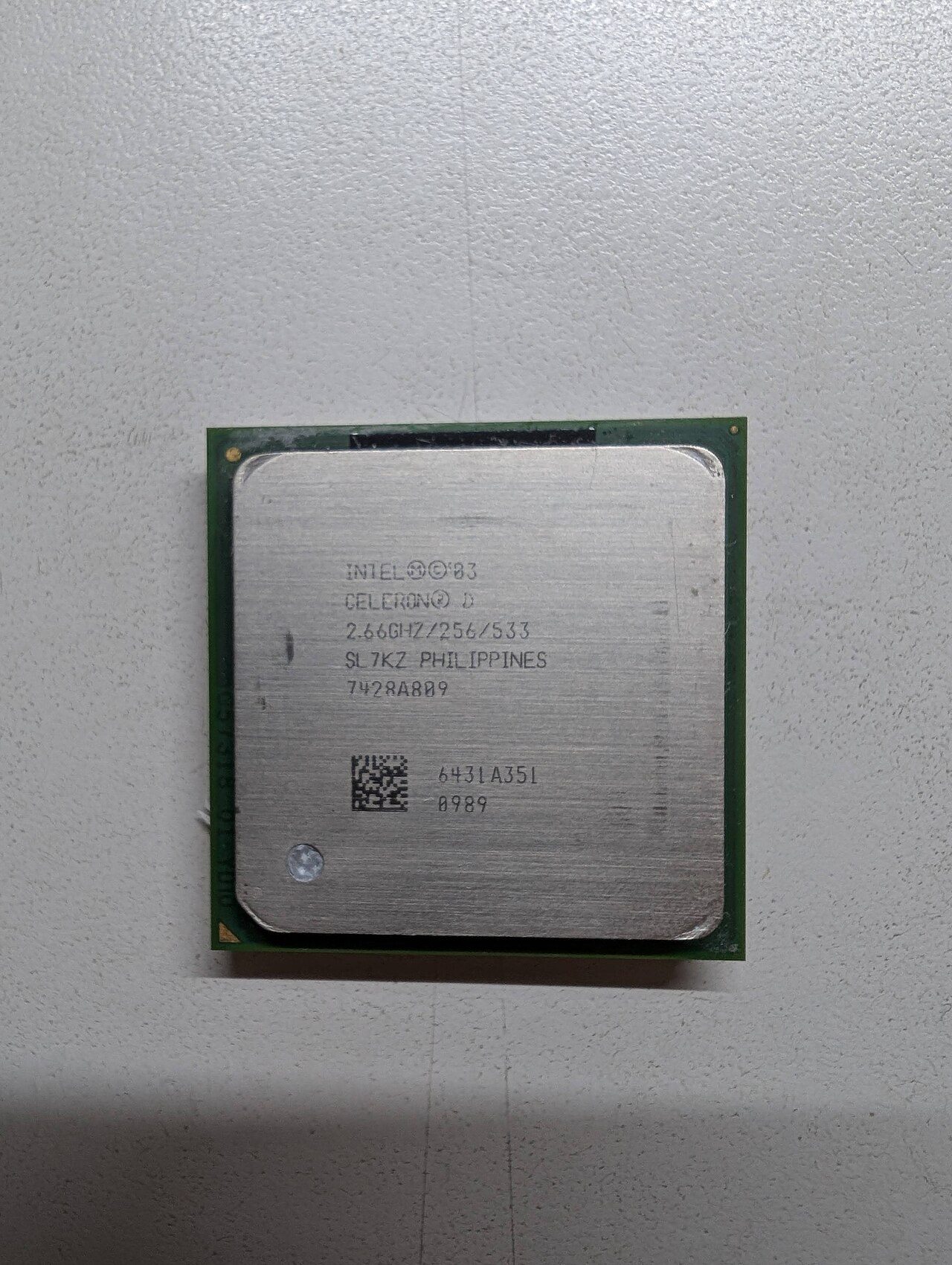
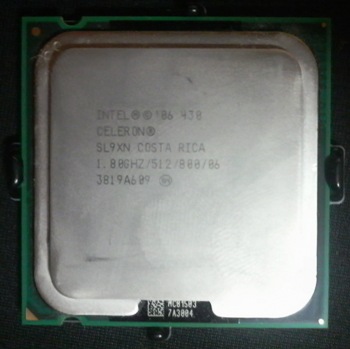
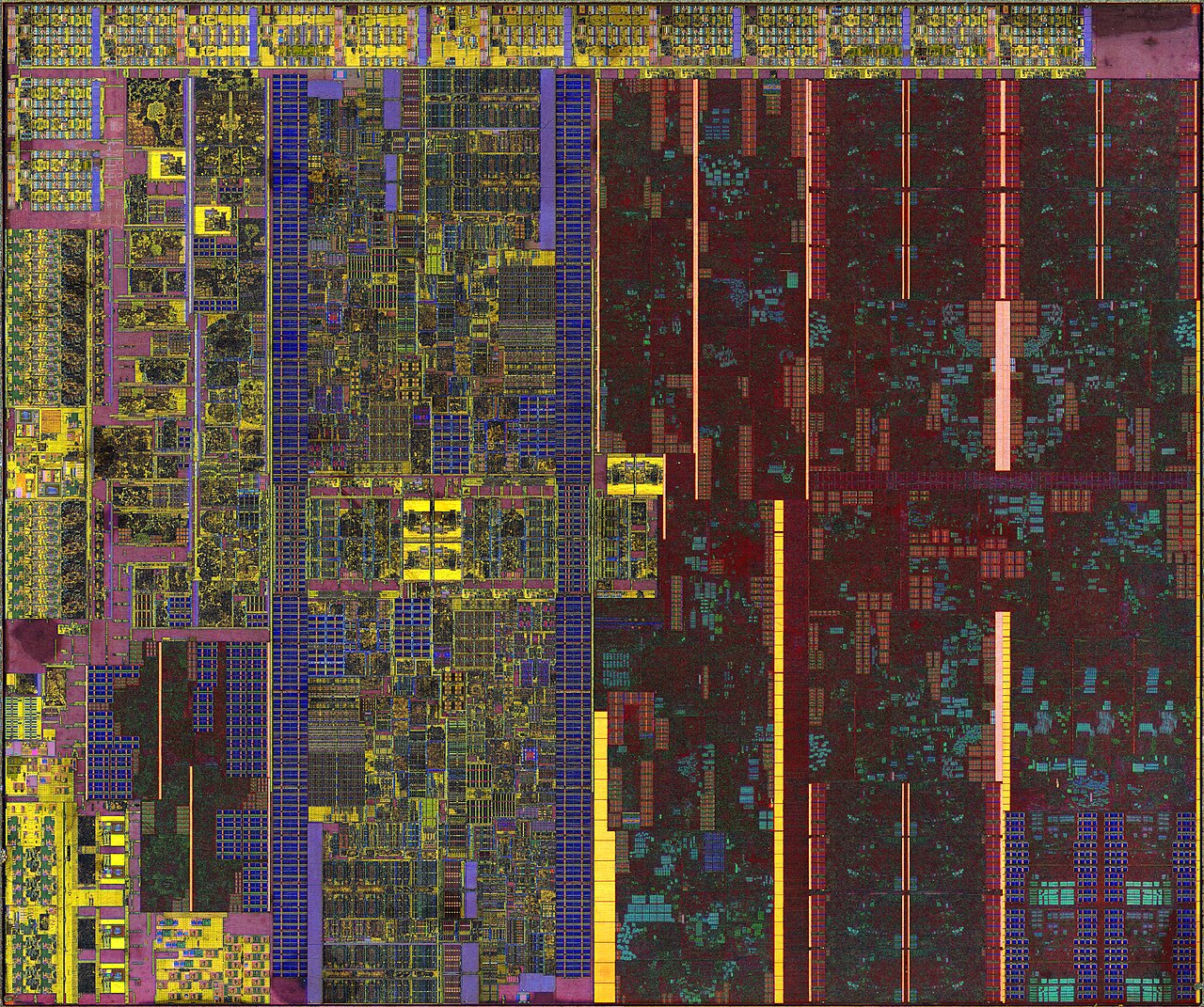
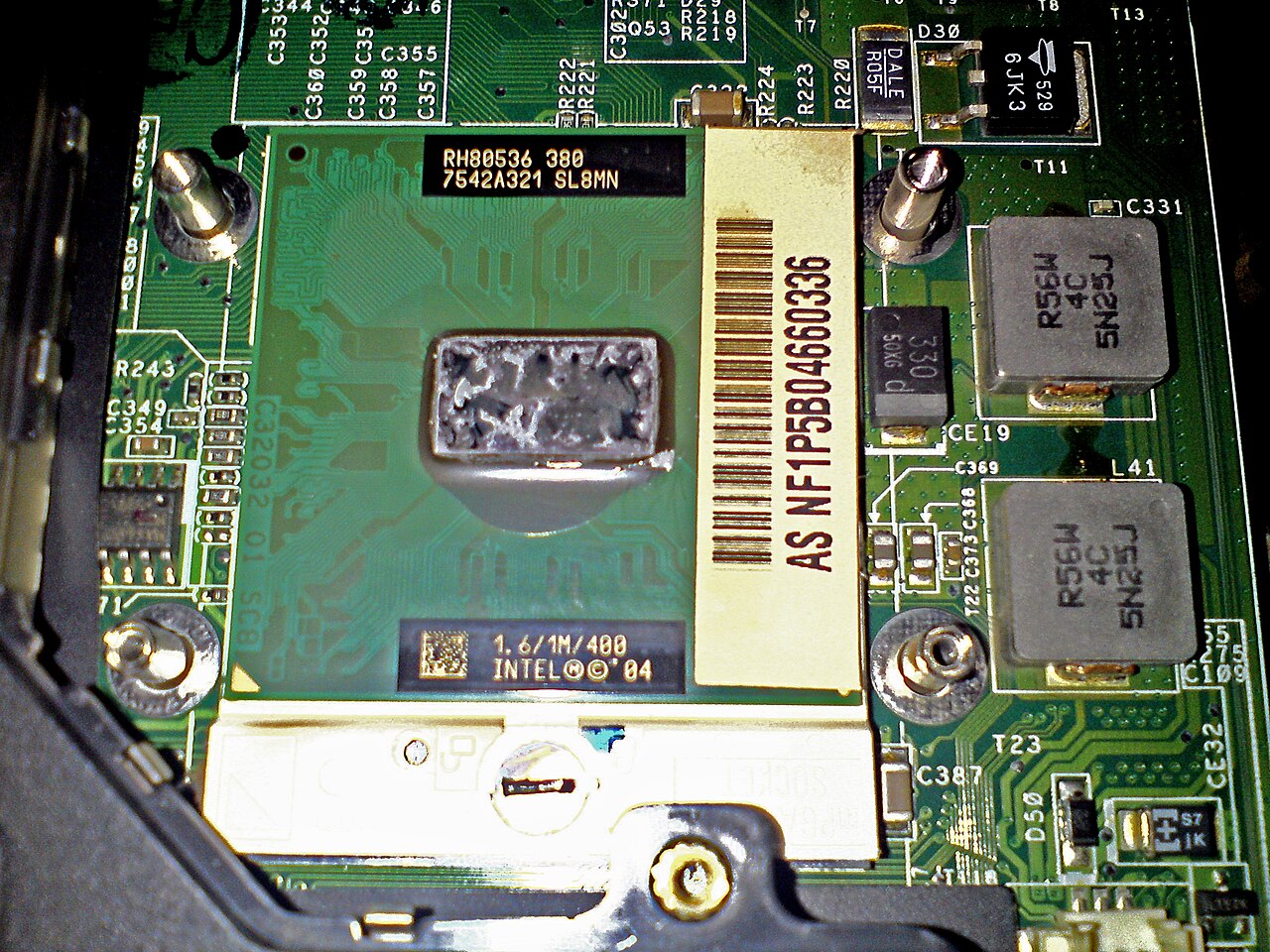
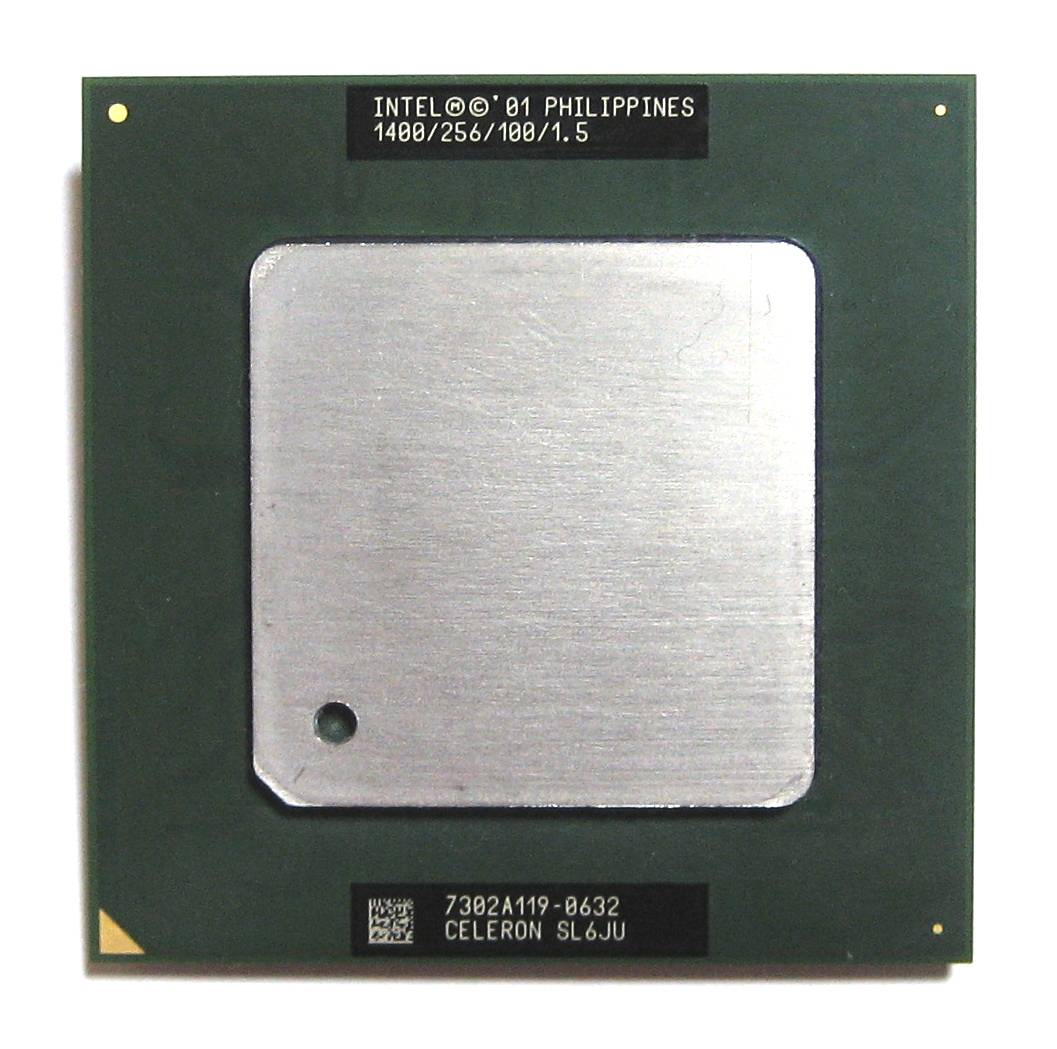
Frequently Asked Questions
What is the Celeron and what was its purpose?
The Celeron was Intel's budget-tier line of IA-32 and x86-64 microprocessors, designed to give cost-conscious buyers a functional x86 experience without paying for the larger caches and extra features found in Pentium or Core chips. It served as the entry-level option in Intel's lineup for over two decades.
When did the Celeron line begin and end?
The first Celeron processor hit the market on April 15, 1998, built on a stripped-down Pentium II core. Intel retired the brand on January 1, 2023, closing out more than 24 years of budget-oriented x86 silicon.
How does a Celeron compare to Intel's Pentium and Core processors?
Celeron chips generally shipped with smaller L1/L2 caches and fewer instruction-set or threading features, which translated into measurably lower throughput than comparable Pentium or Core parts. That said, several Celeron designs still delivered solid performance for their price bracket, making them a practical choice for light desktop and embedded workloads.
What were the key hardware specs of later Celeron models?
Peak clock speeds reached 3.40 GHz, typical thermal design power sat around 6 W, and the maximum supported system memory was 16 GB. Starting in 2009, every Celeron in the line was 64-bit capable, handling both 32-bit and 64-bit x86 workloads.
Why do fans still talk about the Celeron today?
The Celeron defined Intel's strategy for making x86 computing accessible to the broadest possible audience, and its long run from 1998 to 2023 gave it a cult following among tinkerers who built cheap, low-power systems. Its discontinuation in 2023 marked the end of an era for Intel's dedicated budget brand.
More in Intel and AMD Microprocessors, Part 2 1-24
Spotted an error? Know more?
Reader corrections go straight into our review queue. Suggest an edit · How this site is sourced