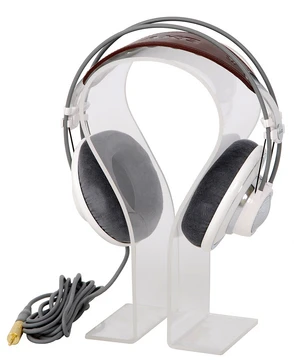
Forbrain
Bone-conduction headset altering voice perception for therapy and learning.

Forbrain is a headset that changes how users hear their own voice, using bone-conduction technology and a custom electronic filter. It was created by Sound for Life Ltd., a Hong Kong company that makes auditory-stimulation and neurosensory-training products. The device is sold for use in education, therapy, and personal growth, with applications like improving reading fluency, supporting speech therapy, and aiding attention.
The headset, introduced in the 2010s, is lightweight and includes a bone-conduction transducer and a proprietary dynamic filter. Instead of sending sound mainly through the ear canal, it sends vocal vibrations through the bones of the skull. The filter boosts higher-frequency parts of the user’s voice while reducing lower-frequency noise, aiming to improve clarity and stimulate auditory pathways linked to language processing. Its design draws on ideas from Alfred Tomatis and his method of using filtered sound to support listening, speech, and cognitive skills.
In speech and language work, Forbrain is used for articulation practice, fluency exercises, and building awareness of one’s own voice. Research on auditory feedback and bone conduction provides the scientific basis for these interventions, which look at how changed sound input can affect articulation, fluency, stuttering, and speech control. The headset has been shown at exhibitions as a tool for speech and language development.
For attention, learning, and ADHD, the device is used in practice and instruction to build sustained attention, task regulation, and verbal self-monitoring. It appears in activities like reading exercises, homework, and structured skill-building tasks where altered feedback helps with engagement. It is also part of programs for attention-related challenges, including those linked to ADHD.
For memory, Forbrain is applied in programs involving spoken repetition, verbal working-memory exercises, and self-monitoring. In these settings, altered auditory feedback is used to support concentration, encoding, and recall during verbal tasks.
In schools, Forbrain supports reading fluency, pronunciation practice, and classroom engagement. Reviews and teacher publications report its use in one-to-one tutoring, small-group instruction, and supplementary learning programs. It has also been used for second-language pronunciation practice.
Quick Facts
- Developer
- Sound for Life Ltd.
- Power
- Rechargeable battery
- Weight
- Lightweight headset
- Input
- Microphone (voice input)
- Sound
- Bone-conduction transducer
- Release Date
- 2010
Facts from the source article.
Lore & Background
Forbrain was introduced in the 2010s by developers at Sound for Life Ltd., a company based in Hong Kong that develops auditory-stimulation and neurosensory-training products. The device’s design draws on principles linked to Alfred Tomatis and his method of using filtered sound to support listening, speech, and cognitive processes.
The headset is lightweight and incorporates a bone-conduction transducer and a proprietary electronic dynamic filter. It routes vocal vibrations through cranial bones rather than transmitting sound primarily through the ear canal. The device’s dynamic filter selectively amplifies higher-frequency components of the user’s voice and reduces lower-frequency noise, with the aim of enhancing clarity and stimulating auditory pathways linked to language processing.
Forbrain has appeared in exhibitions, where it has been presented as one of the tools employed in speech and language development. In 2015, it received a BETT Award in the category of ICT Special Educational Needs Solutions.
Reader's Guide
Forbrain is significant as a tool that applies bone-conduction technology and filtered auditory feedback to alter how speakers perceive their own voice, drawing on principles associated with the Tomatis method. Its applications span speech and language therapy, where it is used in articulation practice, fluency exercises, and vocal-feedback awareness, with research on auditory feedback and bone conduction providing the scientific basis for interventions that modify auditory input to influence articulation, fluency, stuttering, and speech regulation. In attention, learning, and ADHD contexts, the headset is used in practice-based settings for sustained attention, task regulation, and verbal self-monitoring, appearing in programs addressing attention-related challenges including those associated with attention deficit hyperactivity disorder. Forbrain is also applied in memory-related programs involving spoken repetition and verbal working-memory exercises, where altered auditory feedback supports concentration, encoding, and recall. In educational settings, it serves as a support tool for reading fluency, pronunciation practice, and classroom engagement, with reports of its use in one-to-one tutoring, small-group instruction, and second-language pronunciation practice. Its receipt of a BETT Award in 2015 underscores its recognition within special educational needs technology.
Did You Know?
- Forbrain uses a bone-conduction transducer to route vocal vibrations through cranial bones rather than the ear canal.
- Forbrain received a BETT Award in 2015 in the category of ICT Special Educational Needs Solutions.
Frequently Asked Questions
What is Forbrain?
Forbrain is a lightweight bone-conduction headset that alters how a wearer perceives their own voice by routing sound through the skull rather than the ear canal. It pairs a bone-conduction transducer with a proprietary dynamic electronic filter to reshape auditory feedback in real time.
Who developed Forbrain and where is the company based?
The headset was created by Sound for Life Ltd., a Hong Kong–headquartered firm that focuses on auditory-stimulation and neurosensory-training products. The company introduced the device in the 2010s as a tool for education, therapy, and personal development.
How does Forbrain's technology actually work?
Instead of relying on air-conducted sound, the transducer vibrates the skull so the inner ear picks up the signal directly. A proprietary dynamic filter then modifies the frequency content of the wearer's own voice, giving them a altered auditory experience that supports tasks like reading aloud or speech practice.
What is Forbrain typically used for?
The headset is marketed for classroom instruction, speech-therapy sessions, and self-directed learning, with specific applications in boosting reading fluency, aiding attention, and supporting language development. Its design targets both educational and therapeutic settings rather than casual music listening.
Has Forbrain received any industry recognition?
Yes. In 2015 the product earned a BETT Award in the category of ICT Special Educational Needs Solutions, acknowledging its contribution to assistive learning technology.
More in Headphones and Audio Gear 1-24
Spotted an error? Know more?
Reader corrections go straight into our review queue. Suggest an edit · How this site is sourced