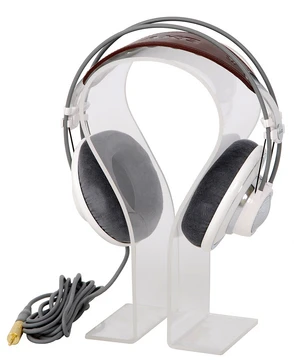
Apple headphones
Apple headphones span wired earbuds to wireless over-ear models.

SimonWaldherr · CC BY-SA 4.0
Apple has been making headphones since 2001, selling them separately and including them with iPhones (until 2020) and iPods (until 2022). Today, its lineup includes EarPods (wired earbuds with 3.5mm, Lightning, or USB-C connectors), AirPods and AirPods Pro (wireless Bluetooth earbuds), and AirPods Max (wireless Bluetooth over-ear headphones). The concept for modern Apple headphones, especially AirPods, was developed by a team led by Bart André, Jonathan Ive, and Richard Howarth, guided by Steve Jobs’ vision.
- First product
- Original iPod earphones, released October 23, 2001
- Current wired model
- EarPods (introduced September 2012)
- Current wireless earbuds
- AirPods (released December 16, 2016) and AirPods Pro (released October 30, 2019)
- Current over-ear wireless
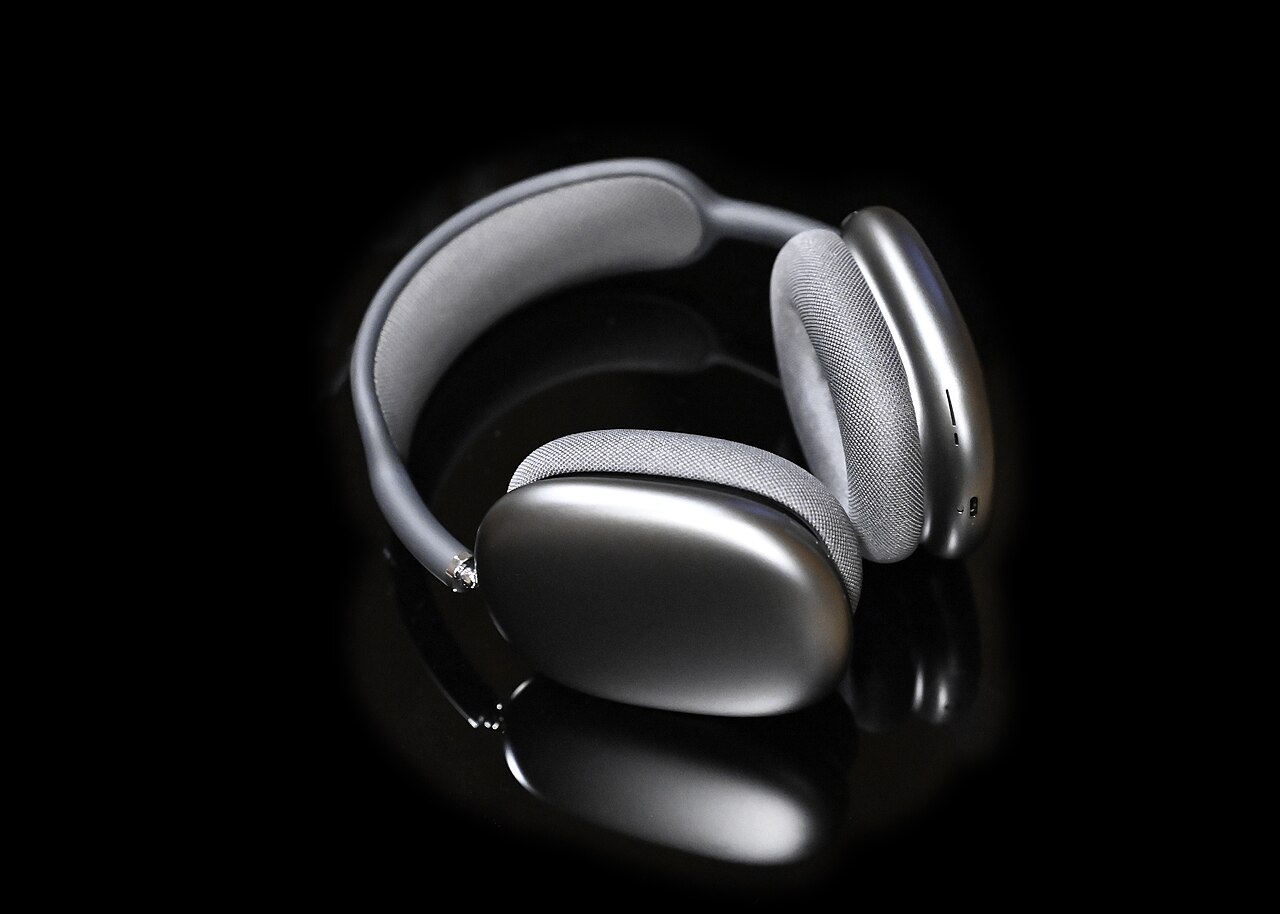
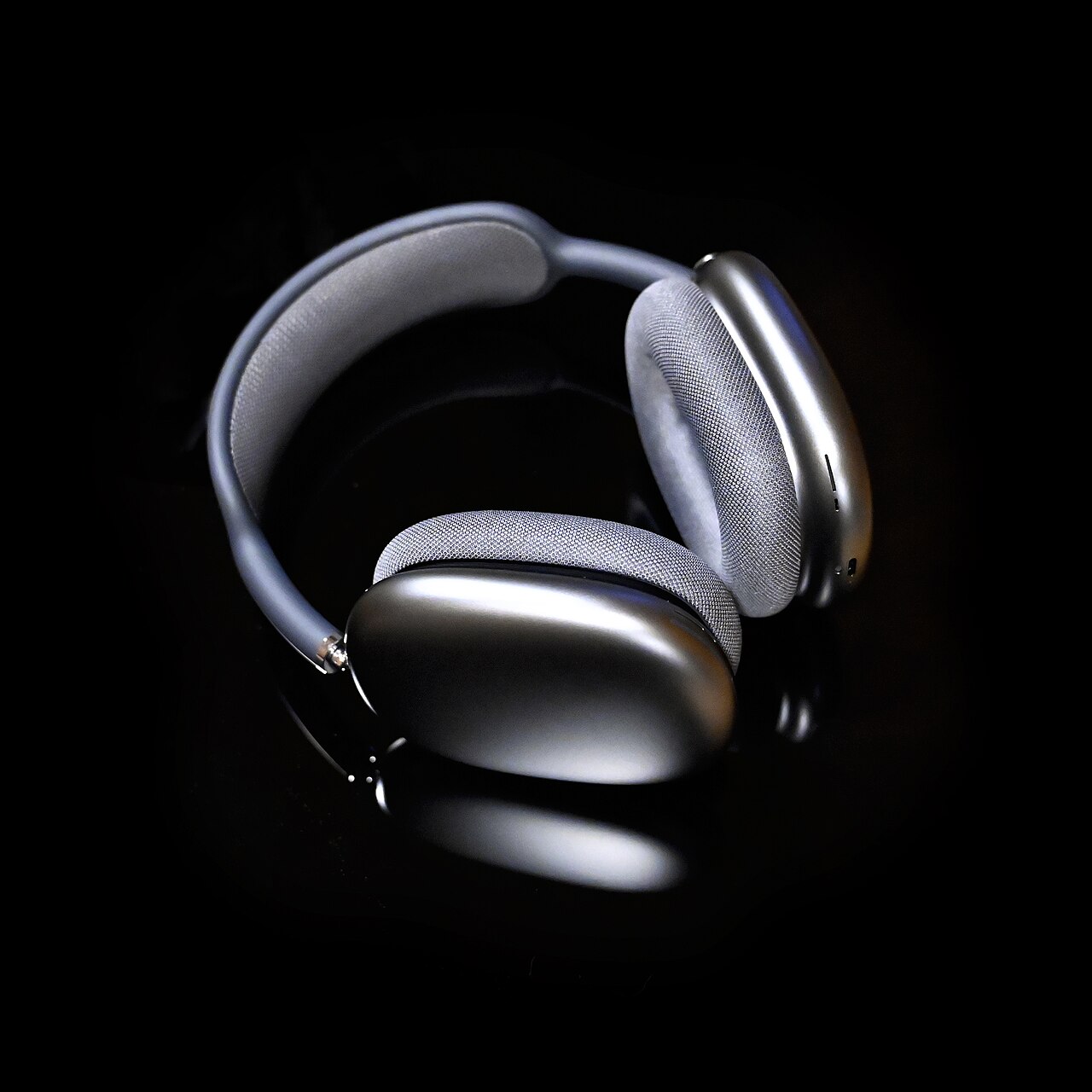
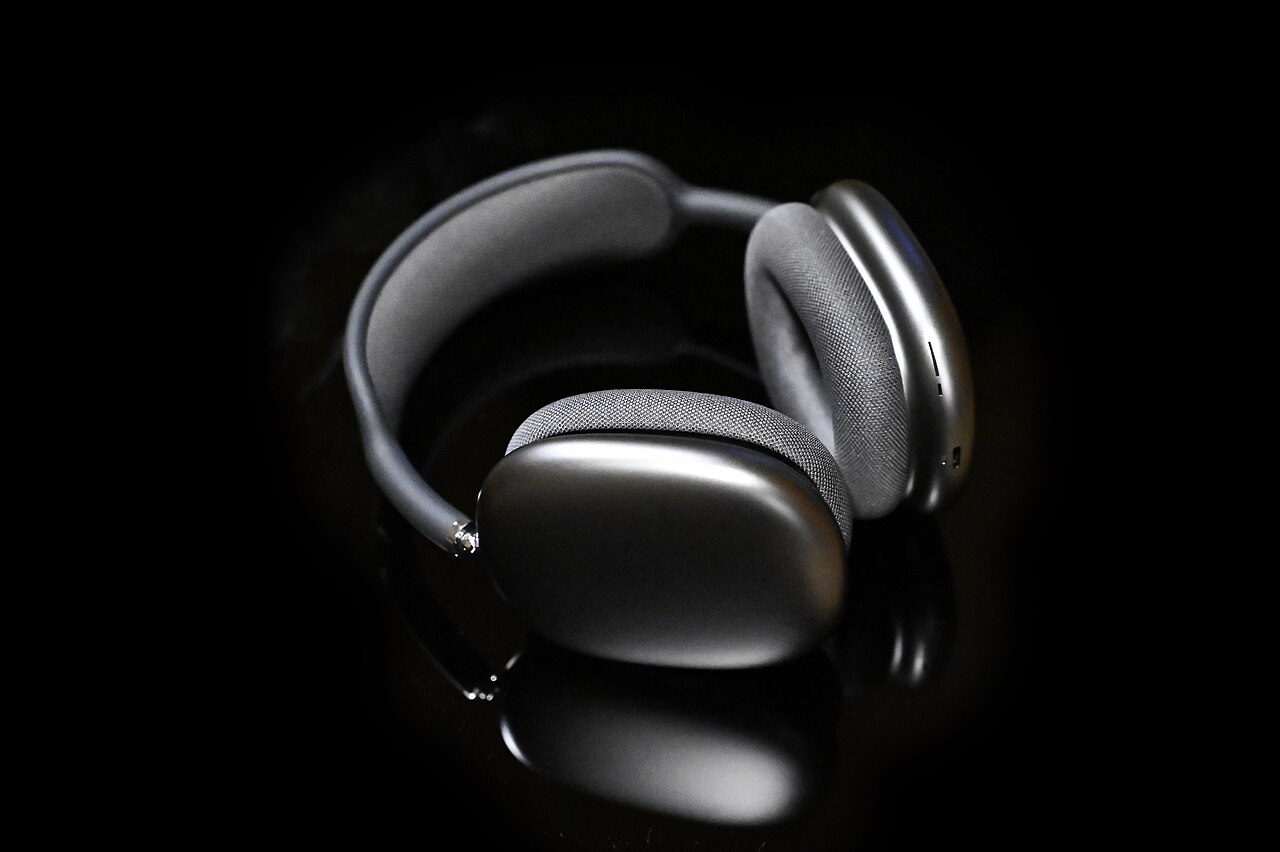
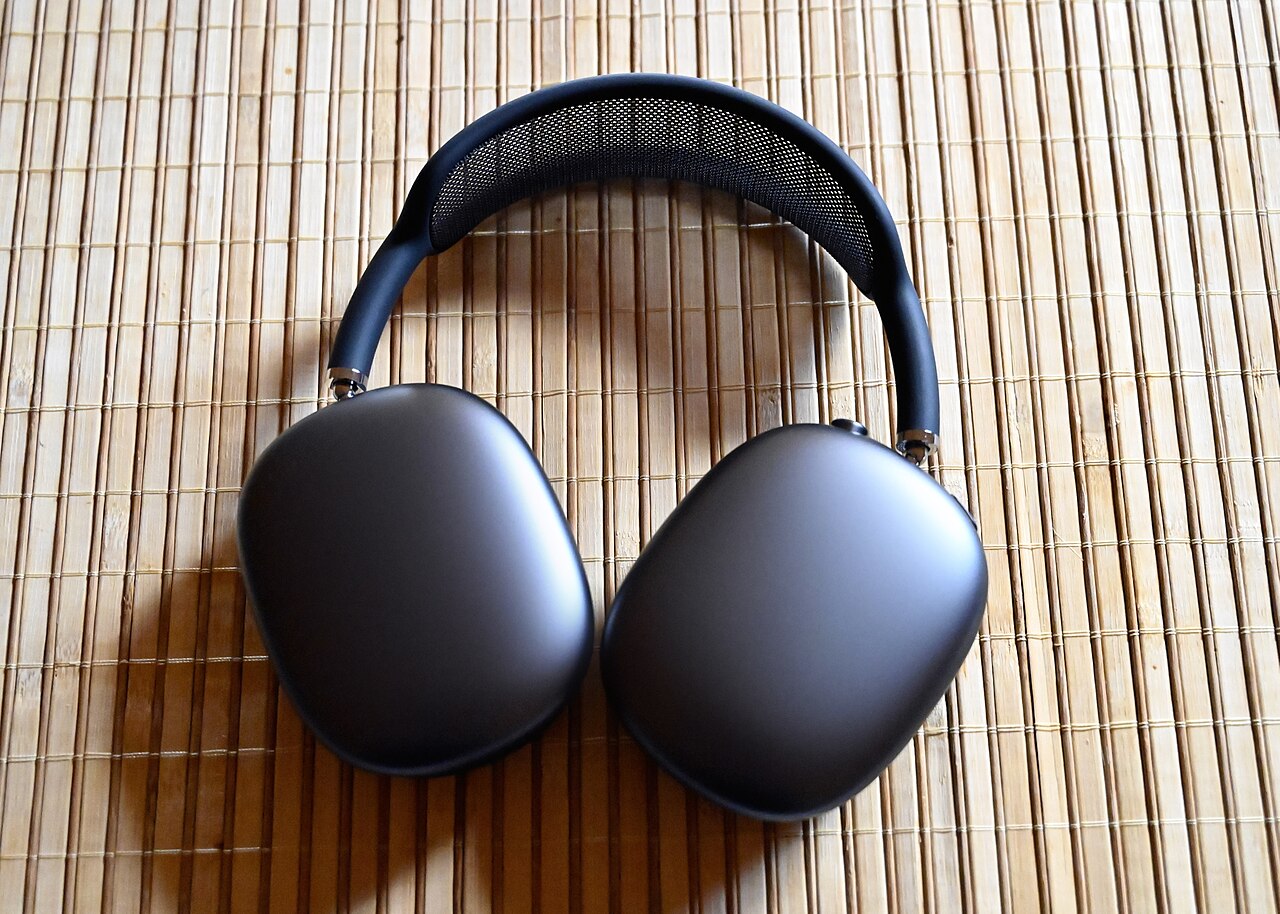
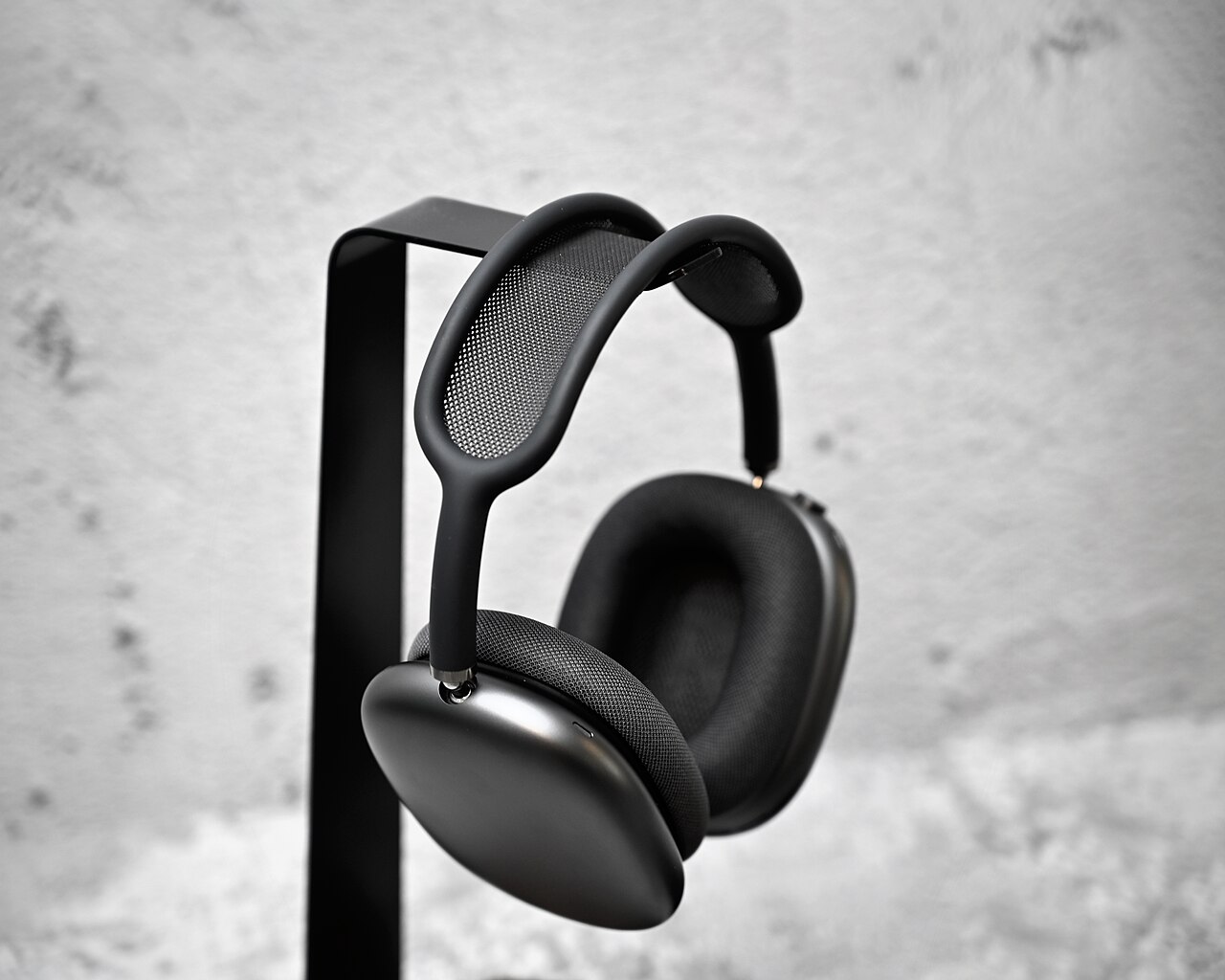
- AirPods Max (released December 15, 2020)
- Key designers
- Bart André, Jonathan Ive, Richard Howarth
- Connector transition
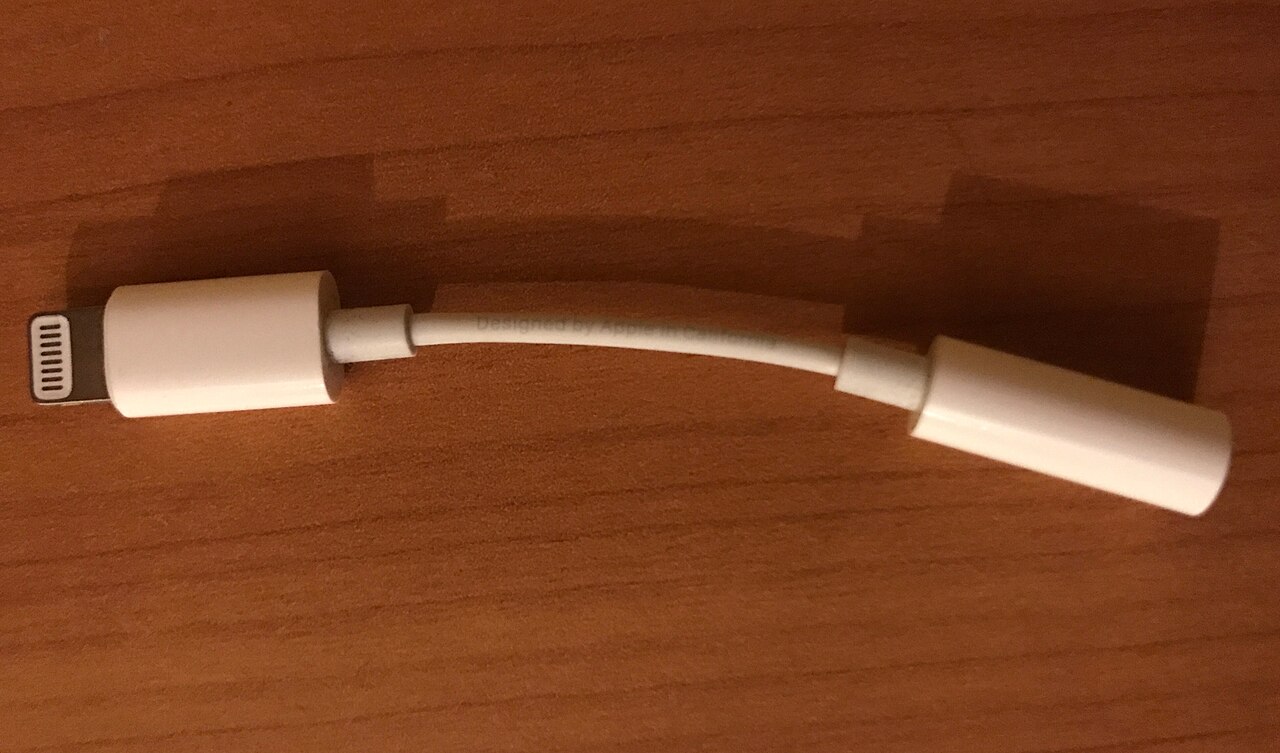
- Lightning-to-3.5mm adapter discontinued in 2024; USB-C adapter introduced in 2018
Lore & Background
Apple's original earphones shipped with the original iPod on October 23, 2001. They were never given a formal name and were referred to variously as 'iPod headphones' and 'the iPod's earbud-style headphones'. They were bundled with two pairs of foam covers. The second generation added a plastic slider to limit the gap between the wires. The third generation were redesigned with a slightly longer strain relief, a slightly smaller speaker grill, and the left/right marking moved from the outside to the inside.
The iPhone Stereo Headset was introduced in 2007 and bundled with the original iPhone and iPhone 3G, featuring a control capsule with a microphone and a single button. The iPod In-Ear Headphones were introduced in January 2004 as premium headphones, available for $39, and discontinued in 2008. Apple Earphones with Remote and Mic were introduced in 2009 and bundled with the iPhone 3GS, iPhone 4, iPhone 4S, and the third-generation iPod Touch. Apple In-Ear Headphones were introduced on September 9, 2008, as a premium option with silicone ear tips and dual balanced armature drivers.
EarPods were introduced in September 2012 alongside the iPhone 5, replacing Apple's earlier circular earbuds with an asymmetric, contoured design. They are available with 3.5mm, Lightning, or USB-C connectors. AirPods were announced alongside the iPhone 7 and released on December 16, 2016, as wireless earbuds with microphones, dual accelerometers, IR sensors, and motion touch sensors. AirPods Pro were released on October 30, 2019, adding active noise cancellation, adaptive EQ, and silicone tips. AirPods Max, released on December 15, 2020, are wireless Bluetooth over-ear headphones with two H1 chips, active noise cancellation, and a Digital Crown.
Reader's Guide
Apple headphones have evolved from simple bundled earbuds into a comprehensive product line that includes wired EarPods, wireless AirPods and AirPods Pro, and over-ear AirPods Max. The original iPod earphones, introduced in 2001, established the iconic white earbud aesthetic that became central to Apple's marketing, most notably in the 'silhouette style' iPod advertisements featuring dancing black figures with starkly contrasted white earbuds and cords. The introduction of the iPhone Stereo Headset in 2007 added inline controls and a microphone, setting a template for later models. EarPods, launched in 2012, replaced the circular design with a contoured shape intended to improve fit and sound. The transition to wireless began with AirPods in 2016, which introduced automatic pairing with Apple devices via iCloud. AirPods Pro, released in 2019, brought active noise cancellation and a force sensor control system. The AirPods Max, released in 2020, marked Apple's entry into the premium over-ear market. Across the product line, Apple has shifted from the 3.5mm headphone jack to Lightning and then to USB-C, with the Lightning-to-3.5mm adapter discontinued in 2024. The AirPods Pro 2, released in 2022, added the H2 chip, improved noise cancellation, and Find My tracking, and in 2023 gained IP54 dust resistance and a USB-C charging case. On September 9, 2024, all AirPods models transitioned to USB-C, and advanced hearing health features were announced for AirPods Pro 2.
Did You Know?
- The iPhone Bluetooth Headset, introduced in 2007, was designed for phone calls only and could not play music.
- EarPods were introduced in September 2012 alongside the iPhone 5 and replaced Apple's earlier circular earbuds.
- AirPods Pro 2, released on September 23, 2022, added a U1 chip for Find My tracking and a built-in speaker for locating the case.
Origins in the Telephone Exchange
The story of headphones begins not in music but in the clatter of 19th-century telephone exchanges. By the 1880s, switchboard operators needed a way to keep their hands free while connecting calls. The solution was a simple clamp that held a single telephone receiver against one ear, and this singular device was called a headphone. It was not until the 1890s that the British firm Electrophone introduced a two-earpiece listening system, letting subscribers in London tune into live theater and opera performances through phone lines. Those early units were enormous, strapped under the chin with a long rod. Around the same time, French engineer Ernest Mercadier patented in-ear designs in 1891, while Siemens Brothers in Germany sold two-earpiece headpieces that already resembled what we recognize today. Yet most operators still relied on the single-ear configuration well into the next decade, and the device remained a utilitarian tool rather than a consumer product.
From Telegraph to Hi-Fi: The Sound Quality Journey
Early headphone drivers were crude. The moving-iron technology used in the 1910s relied on voice coils wound around permanent magnets, pushing a flexible steel diaphragm to vibrate and produce sound. Because no damping was applied, the frequency response showed large resonant peaks, making the audio rough and uneven. Impedance varied wildly depending on the application: 75 ohms for telegraph and telephone work, but 1,000 to 2,000 ohms for early wireless radio receivers, where finer wire with more turns boosted sensitivity. Some ultra-sensitive models, like those made by Brandes around 1919, became staples of early radio listening. The jump from these utilitarian, single-purpose devices to the high-fidelity units audiophiles prize today represents one of the most dramatic quality leaps in consumer electronics. Telephone headsets, by design, still sacrifice fidelity for practicality, while premium music headphones chase a far more demanding reproduction standard.
The Walkman Effect and Public Listening
For decades, headphones were confined to workspaces such as telephone exchanges, radio stations, and military communications rooms. That changed in the 1980s with the Walkman effect, a cultural shift that pulled personal audio out of the studio and onto sidewalks, into grocery stores, and aboard public transit. Suddenly, a single person could immerse in an audio source privately, a stark contrast to a loudspeaker broadcasting into open air for everyone nearby. This private listening culture also cemented headphones in professional roles: audio engineers mixing live concerts and studio recordings, DJs cueing the next track without the audience hearing, aircraft pilots managing communications, and call-center agents handling customer calls. The last two groups rely on headsets, combinations of a headphone and an integrated microphone, that let them listen and speak simultaneously. What began as a tool for switchboard operators became a universal personal audio companion.
Form Factors and the Wireless Revolution
Headphones come in several distinct physical configurations. Circumaural models wrap around the ear, while supra-aural designs rest on top of it; both use a headband to keep the drivers in place. Earbuds and earpieces are smaller individual units that plug directly into the ear canal, and within that family, cordless air buds have emerged using wireless technology. A third category, bone conduction headphones, wraps around the back of the head and rests just in front of the ear canal, leaving it open. On the connectivity side, wired models typically feature a 1/4-inch (6.4 mm) or 1/8-inch (3.2 mm) phone jack to plug into amplifiers, radios, CD players, portable media players, phones, game consoles, or electronic instruments. Wireless alternatives use Bluetooth, DECT, or FM radio to receive the audio signal by radio waves. The first wireless telegraph operators in the early 1900s were among the earliest to benefit from head-mounted receivers, foreshadowing the fully cordless experience that would eventually become mainstream.
Gallery
Frequently Asked Questions
When did Apple first start selling headphones?
Apple's first dedicated audio accessory was the pair of earphones bundled with the original iPod in October 2001. Since that launch, the company has sold headphones both as standalone products and as in-box extras for its music players and phones.
What's the difference between EarPods and AirPods?
EarPods are wired earbuds that connect through a 3.5mm jack, Lightning port, or USB-C plug, whereas AirPods and AirPods Pro are fully wireless Bluetooth earbuds. AirPods Max sits above both categories as a wireless over-ear headphone.
Who designed the AirPods concept?
The modern Apple headphone line, with AirPods at its core, was shaped by a design team led by Bart André, Jonathan Ive, and Richard Howarth. Their work was steered by Steve Jobs' broader vision for how audio should fit into the Apple ecosystem.
Why did Apple stop putting headphones in iPhone boxes?
Apple ended the practice of including earbuds with iPhones beginning in 2020 and followed up by dropping the same bundling from iPods by 2022. The shift reflected the company's strategic push toward its wireless AirPods lineup as the default audio accessory.
What Apple headphones can I buy right now?
The current catalog spans wired EarPods (in 3.5mm, Lightning, or USB-C variants), wireless AirPods and AirPods Pro earbuds, and the over-ear AirPods Max. The old Lightning-to-3.5mm adapter was retired in 2024, making USB-C the standard wired connector going forward.
More in Headphones and Audio Gear 1-24
Spotted an error? Know more?
Reader corrections go straight into our review queue. Suggest an edit · How this site is sourced