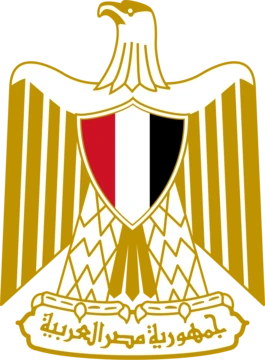
Gharbia Governorate
Egyptian governorate with ancient roots and modern economic importance.

Sgh45 · CC BY-SA 4.0
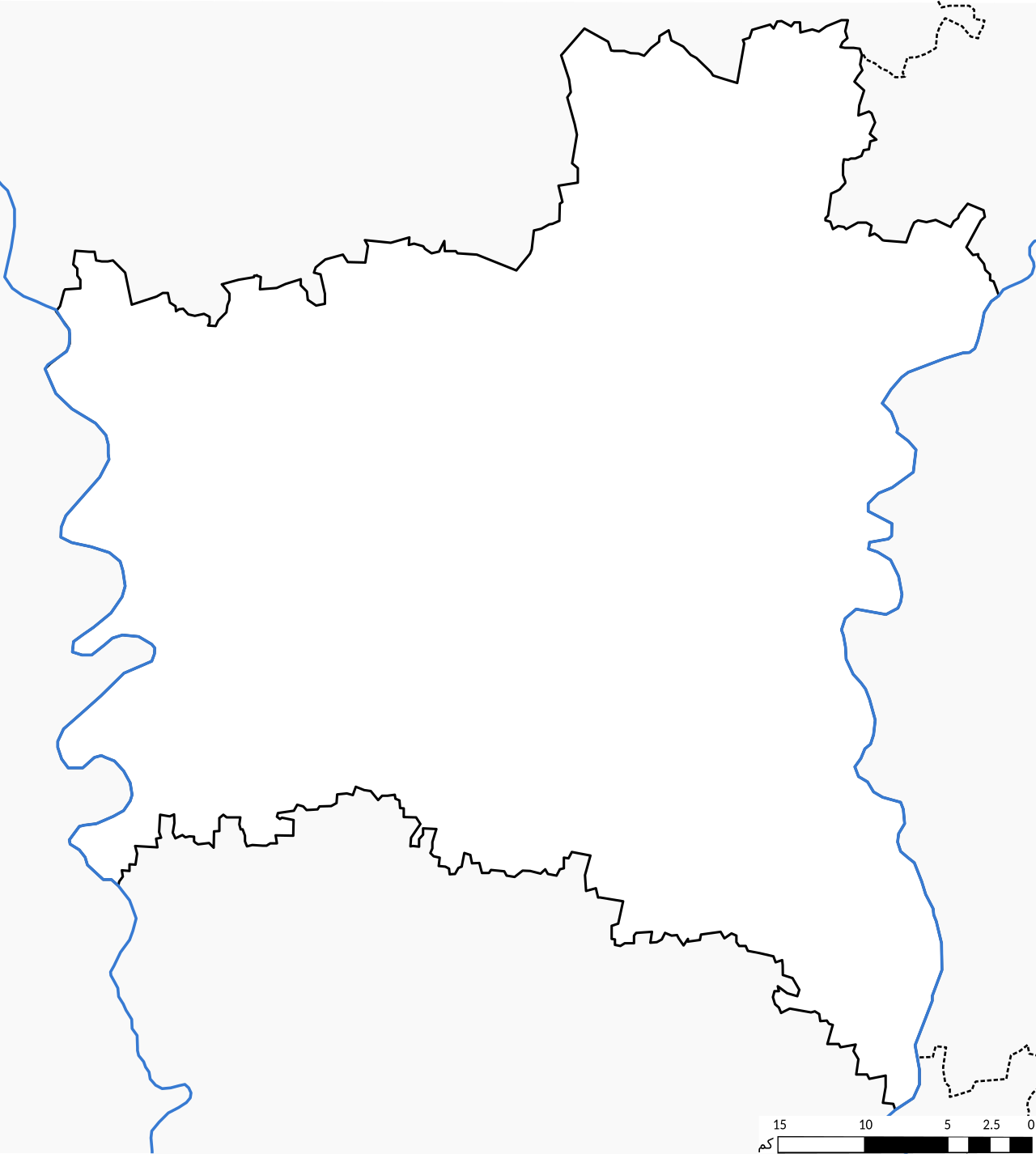
Gharbia Governorate is one of the governorates of Egypt, located in the north of the country south of Kafr El Sheikh Governorate and north of Monufia Governorate. Its capital is Tanta, and its largest city is El Mahalla El Kubra. The governorate has a known history dating back to the Pharaonic era, when its territory was part of three ancient administrative districts centered around Abu Sir, Samannoud, and Sa El Hagar, and it later played a role in the Twenty-fourth and Twenty-sixth Dynasties. Today, Gharbia is an important economic center, being Egypt's largest producer of onions and second-largest producer of grapes, and hosts major industrial establishments such as the Misr Spinning and Weaving Company.
Quick Facts
- Settlement Type
- Governorate
- Seat
- Tanta (capital)
- Leader Title
- Governor
- Leader Name
- Ashraf Magdi Ibrahim El-Gendy
- Population Total
- 5409714
- Population As Of
- January 2023
Facts from the source article.
Lore & Background
Gharbia's history extends to the Pharaonic era, when its area was part of three ancient administrative districts centered around Abu Sir, Samannoud, and Sa El Hagar, and it later played a role in the Twenty-fourth and Twenty-sixth Dynasties. The Fifth Lower Egyptian nome, whose capital was Sais, is located in the modern Kafr El Sheikh Governorate, not Gharbia. Gharbia's territory instead included parts of the Ninth nome (capital Abu Sir, deity Anzati) and the Twelfth nome (capital Samannud, deity Onuris). In 730 BCE, Tefnakht united the Delta and Middle Egypt, founding the 24th Dynasty, but was defeated by the Kushite king Piye. His successor Bakenranef was captured and executed by Shabaka. Later, Necho I ruled Sais during Assyrian invasions, and his son Psamtik I expelled the Assyrians and founded the 26th Dynasty. Amyrtaeus of Sais expelled the Persians and founded the 28th Dynasty. Nectanebo I established the 30th Dynasty in 380 BCE with Samannud as its capital.
Reader's Guide
Gharbia Governorate holds significance as a region with continuous habitation and political importance from ancient Egypt through the Islamic era and into modern times. Its Pharaonic history includes serving as the power base for the 24th, 26th, 28th, and 30th Dynasties, with cities like Sais and Samannud playing key roles in unifying Egypt or resisting foreign rule. The name 'Gharbia' (meaning 'western') was adopted during the Islamic era, reflecting its location west of the Damietta branch of the Nile. In modern history, the governorate resisted the French Campaign in 1798, an event commemorated as its national day, and participated in the Egyptian Revolution of 1919, including the Republic of Zefta incident. Economically, Gharbia is a major agricultural and industrial center, producing onions, grapes, wheat, rice, jasmine, and hosting textile, fertilizer, and food processing industries. Its administrative divisions have evolved since the early 19th century under Muhammad Ali Pasha, and it now comprises eight municipal divisions with a population of over 5.5 million.
Did You Know?
- Gharbia's name means 'western' in Arabic, referring to its location west of the Damietta branch of the Nile.
- The governorate's national day commemorates resistance to the French Campaign in Tanta in 1798.
- The Republic of Zefta incident during the 1919 revolution saw residents declare temporary independence from British control.
Ancient Roots & Dynastic Crossroads
Gharbia's territory stretches back to the Pharaonic era, when it was split across multiple nomes rather than belonging to a single administrative unit. The region encompassed parts of the Fifth Lower Egyptian nome centered on Sais, the Ninth nome with Abu Sir as its seat, and the Twelfth nome anchored at Samannud. Each carried its own deity and emblem. Abu Sir drew pilgrims, while Sais functioned as both a religious sanctuary and a center for medical learning during the early dynastic period. The area became a crucible for dynastic power: Tefnakht, from this region, unified the Delta and Middle Egypt to found the Twenty-fourth Dynasty before being defeated by the Kushite king Piye. His successor Bakenranef was captured and executed by Shabaka, ending that dynasty. Later, Psamtik I of Sais expelled the Assyrians and unified Egypt under the Twenty-sixth Dynasty. After the Persian conquest ended that line, Amyrtaeus briefly expelled the Persians to found the Twenty-eighth Dynasty, and Nectanebo I established the Thirtieth Dynasty with Samannud as its capital, making the region a repeated stage for Egypt's reunification and independence struggles.
Resistance & the Birth of a National Day
Gharbia has repeatedly stood at the forefront of Egypt's struggles against foreign domination. During the French invasion of 1798, the city of Tanta mounted fierce resistance against the occupying forces. That act of defiance was so significant that the anniversary of Tanta's resistance is now observed as the governorate's national day, a formal commemoration of local courage in the face of imperial conquest. Decades later, the region again played a pivotal role during the Egyptian Revolution of 1919, which sought to end British control over the country. The most dramatic episode was the Republic of Zefta, in which residents of the Zefta area declared a temporary independence from British authority, effectively establishing a short-lived self-governing entity. This bold move underscored the depth of popular opposition to colonial rule in the Delta. Together, these episodes—spanning more than a century—establish Gharbia as a region whose identity is inseparable from acts of resistance, from the Napoleonic era through the early twentieth century, and whose communities have repeatedly chosen to assert sovereignty when foreign powers threatened Egypt's autonomy.
Agricultural Powerhouse & Industrial Backbone
In the modern era, Gharbia has become one of Egypt's most economically vital governorates, driven by both agriculture and manufacturing. The region is the country's largest producer of onions and ranks second in grape cultivation, while also yielding significant quantities of wheat, rice, and jasmine—a cash crop of considerable commercial value. Beyond the fields, the governorate hosts a diverse industrial landscape. The Misr Spinning and Weaving Company in El Mahalla El Kubra stands as a major textile employer, and additional textile factories operate in Tanta, Samannoud, and Zefta. Kafr El Zayat is home to fertilizer and pesticide production facilities, while other towns support food processing, perfume manufacturing, and pottery production. This combination of agricultural output and industrial capacity positions Gharbia as a key economic engine within the Nile Delta, supporting a population of over five and a half million people spread across eight municipal divisions, seventy-one local units, and three hundred and twenty villages.
A Name, a Place, and Its Administrative Story
The very name Gharbia tells a geographic story. Derived from the Arabic root meaning west, the designation al-Gharbiyyah—literally the Western one—was adopted during the Islamic era to mark the territory's position west of the Damietta branch of the Nile. Situated in northern Egypt, south of Kafr El Sheikh and north of Monufia, the governorate spans 1,942 square kilometers. Its capital, Tanta, sits 90 kilometers north of Cairo, while the largest city, El Mahalla El Kubra, serves as the principal urban and administrative hub. The administrative structure evolved significantly through the nineteenth century. Under Muhammad Ali Pasha, a comprehensive land survey in 1813 triggered a reorganization of Egypt into new districts, and by 1822 Gharbia had been subdivided into five districts. Boundaries continued shifting until 1871, when district naming was standardized, and again in 1896, when six of the governorate's districts received new names. Today the region is divided into eight municipal divisions, seven higher-level units, seventy-one local units, and three hundred and twenty villages, with Tanta and El Mahalla El Kubra holding the highest population densities while Samannud remains the smallest center.
Gallery

Frequently Asked Questions
What is Gharbia Governorate?
Gharbia is a northern Egyptian governorate positioned south of Kafr El Sheikh and north of Monufia, covering 1,942 square kilometers. As of January 2023, it was home to approximately 5.5 million residents.
What are Gharbia's capital and largest city?
Tanta serves as the administrative seat of the governorate, while El Mahalla El Kubra is its most populous urban center.
Why is Gharbia Governorate important to Egypt's economy?
The region leads the country in onion output and holds the second-largest grape production, making it a major agricultural engine for national food supply.
How far back does Gharbia Governorate's history go?
Its lands were organized into three Pharaonic-era administrative districts centered on Abu Sir, Samannoud, and Sa El Hagar, and the area later featured in the affairs of the Twenty-fourth and Twenty-sixth Dynasties.
What does Gharbia's National Day commemorate?
It marks the local resistance against the French Campaign in 1798, with the commemorative focus placed in Tanta.
More in Governorates Of Egypt 1-24
Spotted an error? Know more?
Reader corrections go straight into our review queue. Suggest an edit · How this site is sourced