
Beni Suef Governorate
Egyptian governorate in northern Upper Egypt with high poverty.

Wikimedia Commons · CC BY 4.0
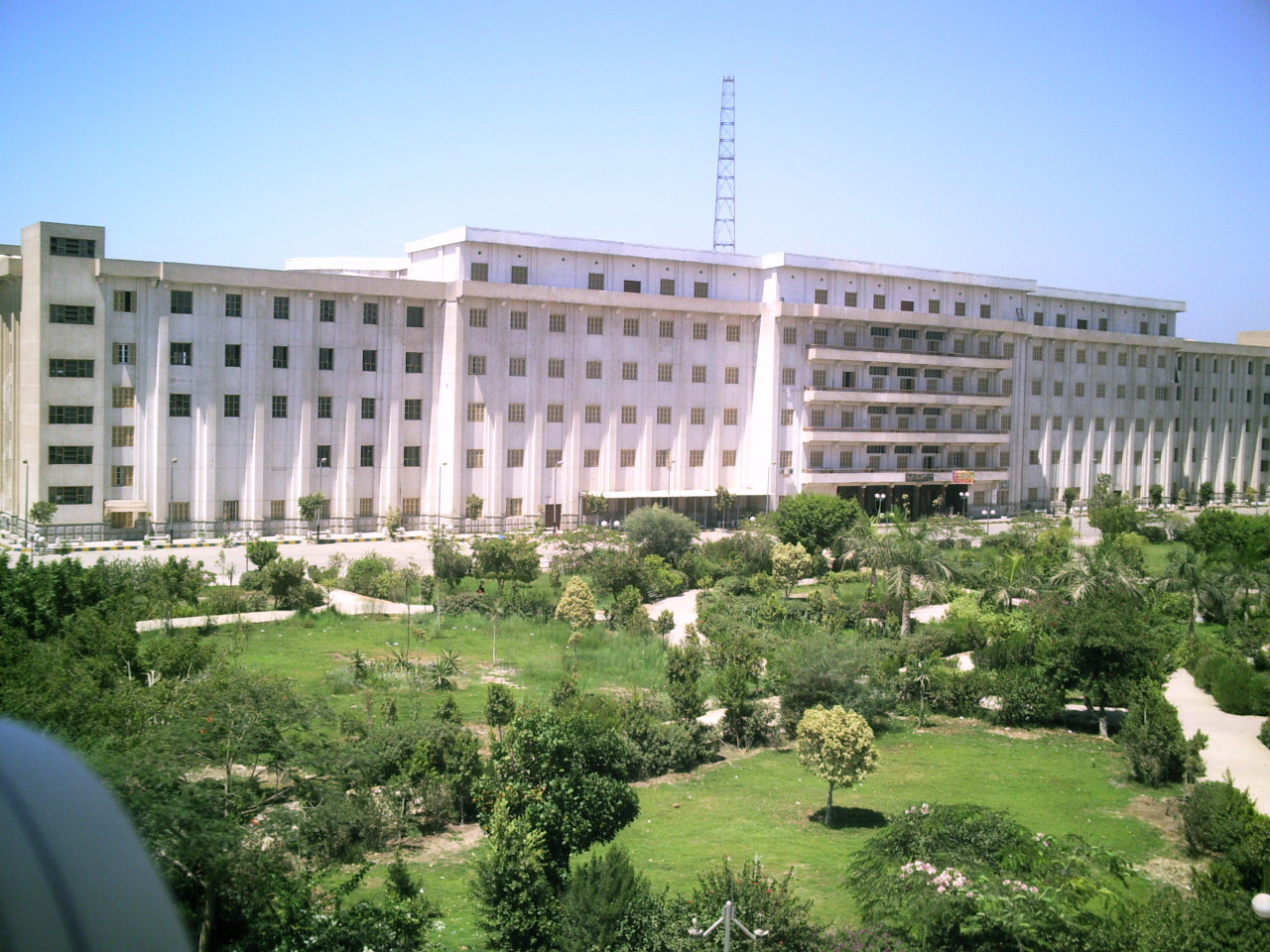
Beni Suef Governorate is one of the governorates of Egypt, situated in the center of the country in northern Upper Egypt. Its capital is the city of Beni Suef, located about 120 km south of Cairo on the west bank of the Nile River. The area is known for its cement factories and the nearby Meidum pyramid, the only prominent tourist attraction in the region.
Quick Facts
- Settlement Type
- Governorate
- Seat
- Beni Suef (capital)
- Leader Title
- Governor
- Leader Name
- Mohamed Hany Godeim
- Population Total
- 3561639
- Population As Of
- January 2023
Facts from the source article.
Lore & Background
Beni Suef Governorate is one of the governorates of Egypt, located in the center of the country in northern Upper Egypt. Its capital is the city of Beni Suef, about 120 km south of Cairo on the west bank of the Nile. The area is well known for its cement factories, and the Meidum pyramid is the only prominent tourist attraction in the area. Due to different ways of transcribing the spelling, it can also be known as Beni Suef or Beni Swaif.
Reader's Guide
Beni Suef Governorate is significant as an administrative division of Egypt, located in northern Upper Egypt. Its economy is notably tied to cement manufacturing, and its only major tourist draw is the Meidum pyramid. The governorate faces a high poverty rate of more than 60%, though recent social safety networks have been provided in the form of financial assistance and job opportunities, coordinated by the country's Ministry of Finance with assistance from international organizations. The majority of its population lives in rural areas, with an urbanization rate of only 23.2% as of 2015. The governorate is divided into municipal divisions for administrative purposes, and its estimated population as of January 2023 was 3,561,639. Its legacy is that of a largely rural, industrial region grappling with economic challenges while receiving targeted aid.
Did You Know?
- The area is well known in Egypt for its cement factories.
- The rate of poverty is more than 60% in this governorate.
Geography & Strategic Position
Beni Suef Governorate occupies a central position within Egypt, anchoring the northern reaches of Upper Egypt. Its administrative heart, the city of Beni Suef, sits roughly 120 kilometers south of Cairo along the western bank of the Nile River, placing it at a natural crossroads between the Delta and the southern provinces. This riverside placement has shaped settlement patterns and daily life for generations, with communities clustered along the floodplain. The governorate's central location also means it serves as a geographic bridge connecting the country's northern and southern regions. The name itself has produced several transliterations over the years — Beni Suef, Beni Swaif, and other variants — reflecting the challenges of rendering Arabic place names into Latin script. Despite its strategic position, the area has historically remained overshadowed by the capital to the north, yet its centrality gives it a quiet importance in the national geography of Egypt.
Economic Landscape & Industrial Identity
The governorate has built a distinctive reputation across Egypt as a hub for cement manufacturing, with factories dotting the landscape and supplying construction materials far beyond local borders. This industrial identity is formalized through designated zones overseen by the Governing Authority for Investment and Free Zones (GAFI), which maps out specific areas where manufacturing and commercial activity are concentrated. The cement sector has long been the economic backbone of the region, drawing workers and shaping the local labor market. However, the industrial profile coexists with significant economic hardship. The poverty rate in Beni Suef exceeds sixty percent, a figure that underscores how industrial output has not translated into broad-based prosperity for residents. In response, the Ministry of Finance has coordinated social safety programs providing direct financial assistance and job creation opportunities, with additional support channeled through international organizations. These interventions represent an attempt to bridge the gap between the governorate's industrial potential and the lived reality of its people.
Demographics & Rural Character
As of January 2023, the governorate is home to an estimated 3,561,639 residents, distributed across a network of municipal divisions known as markaz and kism, some of which share the same name. The demographic profile of Beni Suef is overwhelmingly rural. Population estimates from 2015 indicate an urbanization rate of just 23.2 percent, meaning that of roughly 2,856,812 people counted at that time, approximately 2,193,871 lived in countryside communities while only about 662,941 resided in urban centers. This stark rural majority shapes everything from infrastructure needs to educational access and healthcare delivery. The administrative structure of markaz and kism reflects a governance model rooted in village-level organization rather than metropolitan planning. The governorate's identity as a largely agrarian and small-town society stands in contrast to the dense urban corridors of the Delta, giving it a distinct social texture within the broader Egyptian landscape.
Heritage, Tourism & Cultural Memory
Tourism in Beni Suef remains modest compared to Egypt's more famous destinations, yet the area holds a singular archaeological treasure: the Meidum pyramid, the region's only prominent tourist attraction. This ancient monument anchors the governorate's place in the long narrative of Egyptian civilization, offering visitors a glimpse into the earliest experiments with pyramid construction. Complementing this heritage, the Beni Suef Museum stands adjacent to the governorate building, preserving local artifacts and historical narratives for residents and visitors alike. The cultural identity of the region is also reflected in its very name, which has been rendered in multiple ways across languages and time periods — Beni Suef, Beni Swaif, and other spellings — a small linguistic artifact of how Arabic toponyms travel through different writing systems. Together, the pyramid, the museum, and the layered naming traditions form a modest but meaningful cultural footprint, reminding observers that this central governorate carries deep historical roots even as it grapples with contemporary economic challenges.
Gallery
Frequently Asked Questions
What is Beni Suef Governorate?
Beni Suef is a provincial-level administrative division in central Egypt, falling within the northern stretches of Upper Egypt. It functions as one of the country's governorates, with its own capital city bearing the same name.
Where exactly is Beni Suef Governorate located?
The governorate sits roughly 120 kilometers south of Cairo, positioned on the western side of the Nile River. It occupies a central geographic spot in Egypt, bridging the gap between Lower and Upper Egypt.
What is Beni Suef Governorate most famous for?
The region is best recognized for its cluster of cement production facilities and the nearby Meidum pyramid, which stands as the area's primary tourist draw. Beyond these, the governorate has very few other major attractions.
How many people live in Beni Suef Governorate?
As of the 2023 estimate, the governorate is home to roughly 3.56 million residents. Despite that population, the area remains heavily rural, with only about 23% of inhabitants living in urban settings as of 2015.
What are the main economic challenges in Beni Suef Governorate?
Poverty is a defining issue in the region, with more than 60% of residents living below the poverty line. The local economy leans heavily on cement manufacturing rather than tourism or other diversified industries.
More in Governorates Of Egypt 1-24
Spotted an error? Know more?
Reader corrections go straight into our review queue. Suggest an edit · How this site is sourced