Faiyum Governorate
Egyptian governorate with a large oasis and high poverty rate.

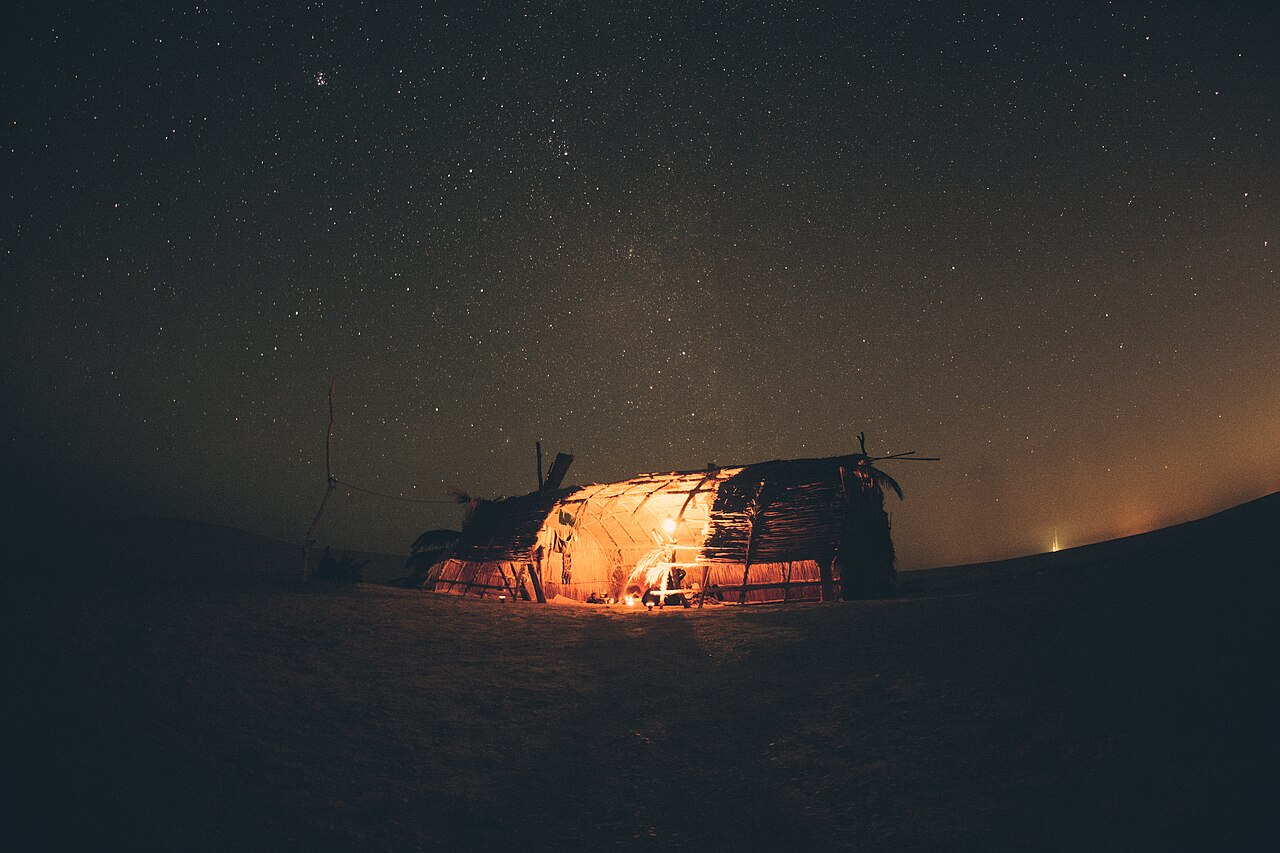
Ichwan Palongengi · Public domain
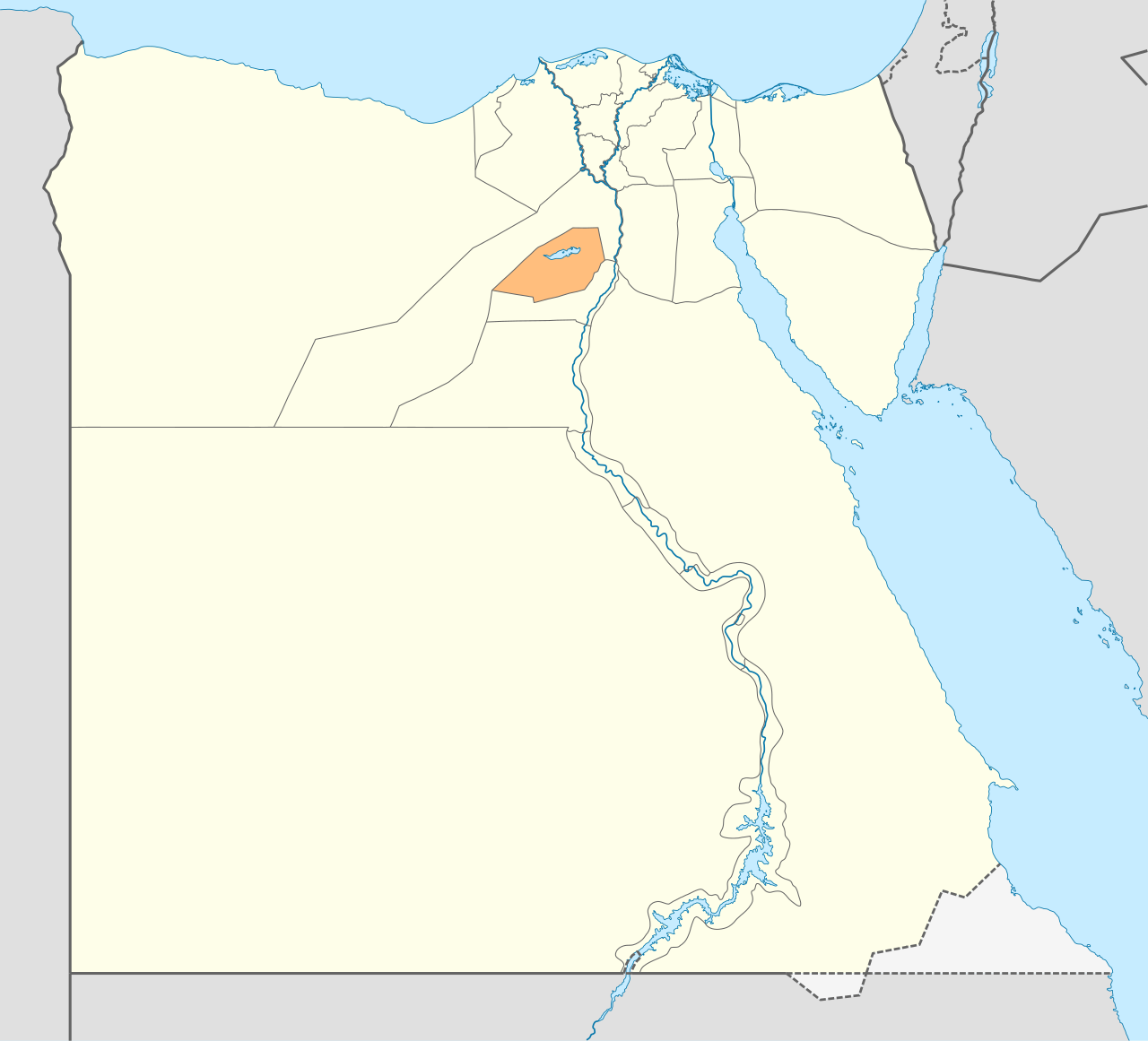
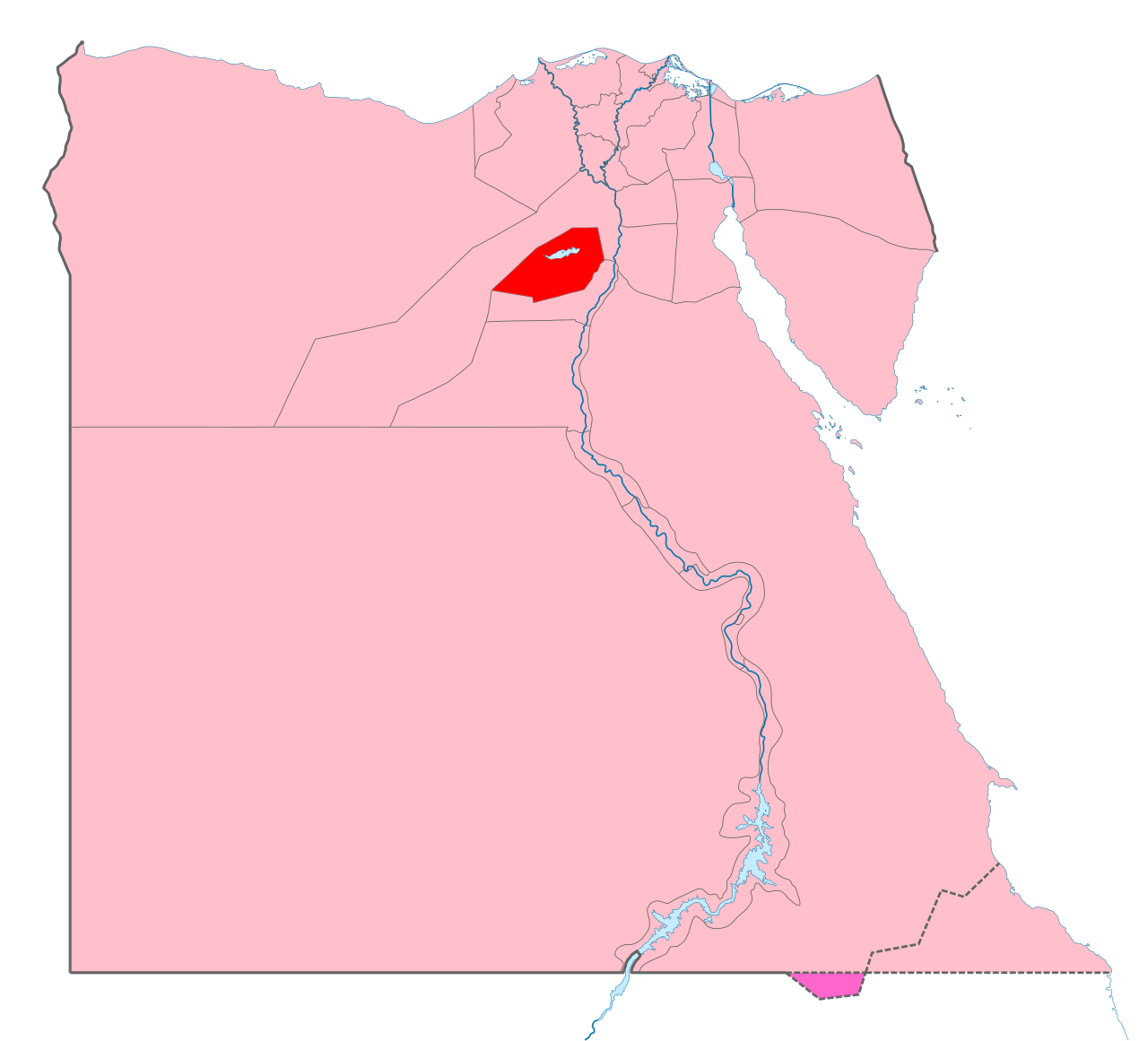
Faiyum Governorate sits in central Egypt, with its capital, also called Faiyum, roughly 81 miles (130 kilometers) southwest of Cairo. The name traces back through Coptic (efiom or peiom) to late Egyptian *pA y-m*, meaning “the Sea” or “the Lake,” a reference to nearby Lake Moeris. As of 2020, the governorate’s population stood at 3,848,708.
Poverty affects more than 60% of residents, though recent efforts have introduced social safety nets—financial aid and job programs—backed by Egypt’s Ministry of Finance and international organizations. For administrative purposes, the governorate splits into several municipal divisions (markaz and kism, sometimes sharing a name), with a total estimated population of 4,206,852 as of April 2025.
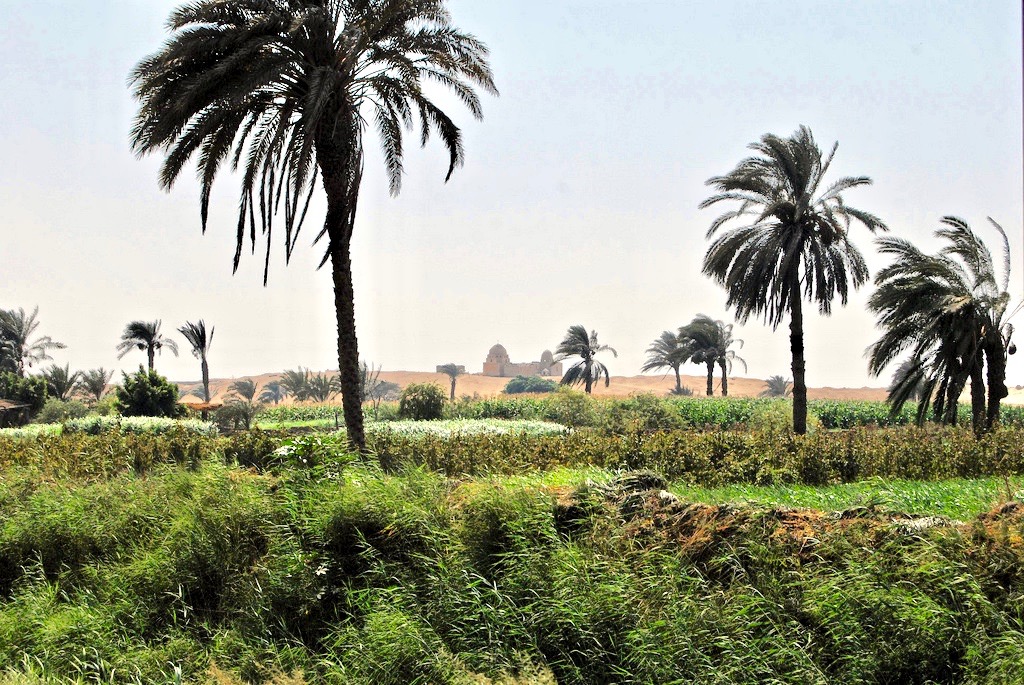
Geographically, Faiyum includes the large, fertile Faiyum Oasis—farmland, Lake Moeris, and several cities. South of that oasis lies a smaller depression containing El Gharaq el Sulţāni, also irrigated from the Nile. West of that depression stretches the dry, barren Wadi El Rayan, covering 280 square miles (725 square kilometers). Desert and dry mountains surround these depressions.
Population estimates from 2015 show that most residents live in rural areas; only 22.5% live in urban settings. Out of an estimated 3,170,150 people that year, 2,456,368 were rural and 713,782 urban. The Governing Authority for Investment and Free Zones (GAFI) lists several industrial zones in the governorate.
Notable individuals associated with Faiyum include Aly Lotfy Mahmoud, Ahmed Fakhry, Arafa El Sayed, Fawzia Fahim, Hamdi Abu Golayyel, Pope John XVIII of Alexandria, Magdy Atwa, Mariam Fakhr Eddine, Mohamed Abdelwahab, Mohamed Ihab, Saadia Gaon, Sayed Abdel Hafeez, Sayed Moawad, Sabri Raheel, Sufi Abu Taleb, Tefta Tashko-Koço, Youssef Wahbi, Yousef Wali, and Zakariyya Ahmad. Related topics include Bahr Yussef, Egyptian Faiyumi, Lake El Rayan, and the Fayum mummy portraits (paintings from the 1st century BC to the 3rd century AD).
Quick Facts
- Settlement Type
- Governorate
- Seat
- Faiyum (capital)
- Leader Title
- Governor
- Leader Name
- Mohamed Hani Ghoneim
- Population Total
- 4,047,387
- Population As Of
- 2023
Facts from the source article.
Lore & Background
The name Faiyum comes from Coptic Ⲫⲓⲟⲙ/Ⲡⲉⲓⲟⲙ, meaning 'the Sea' or 'the Lake,' referring to nearby Lake Moeris. This in turn derives from late Egyptian 'pA y-m' with the same meaning. The governorate includes the large fertile Faiyum Oasis, which comprises farmland, Lake Moeris, and some cities, as well as a smaller depression containing the town of El Gharaq el Sulţāni, irrigated from the Nile. A dry barren depression named Wadi El Rayan covers 280 mi² (725 km²) west of that town, and desert and dry mountains mostly surround the depressions.
Reader's Guide
Faiyum Governorate is significant as a region of Egypt that combines agricultural fertility with severe economic challenges. The Faiyum Oasis, fed by the Nile, has supported human settlement for millennia, and the area is known for Fayum mummy portraits from the 1st century BC to the 3rd century AD. However, the governorate's poverty rate exceeds 60%, prompting recent social safety networks funded by Egypt's Ministry of Finance and international organizations. Administratively divided into municipal divisions, the governorate had an estimated population of 4,206,852 as of April 2025. Its legacy includes both ancient cultural artifacts and ongoing efforts to address modern poverty through financial assistance and job creation.
Did You Know?
- The name Faiyum comes from Coptic meaning 'the Sea' or 'the Lake,' referring to Lake Moeris.
- The poverty rate in Faiyum Governorate is more than 60%.
- The governorate includes a dry barren depression named Wadi El Rayan, covering 280 mi² (725 km²).
Ancient Roots in a Name
The name Faiyum carries a linguistic lineage stretching back thousands of years, making it one of Egypt's most historically layered place names. In its earliest recorded form, the word traces to late Egyptian pA y-m, a phrase meaning 'the Sea' or 'the Lake.' This designation was a direct reference to the nearby Lake Moeris, the body of water that has anchored the region's identity since antiquity. The term then passed into Coptic, where it appeared as efiom or peiom, and eventually settled into the proper name payoum. Over the centuries, the name evolved through successive languages and scripts until it arrived at its modern Arabic rendering, Muḥāfāzah Al Fayyūm. What makes this etymology particularly striking is the unbroken thread connecting a pharaonic-era description of a lake to a contemporary administrative designation. The region's identity, in other words, is inseparable from water, and the name itself serves as a living record of how ancient Egyptians understood and named the landscape they inhabited.
A Landscape of Oases and Barren Wadis
Faiyum Governorate presents a striking patchwork of contrasting terrains, all nestled in the middle of Egypt. At its heart lies the large, fertile Faiyum Oasis, a verdant expanse of farmland, cities, and the storied Lake Moeris that gives the region its ancient name. South of this primary oasis, a smaller depression cradles the town of El Gharaq el Sulţāni, a settlement that, like its northern neighbor, draws its irrigation from the Nile. Further west, the landscape shifts dramatically into Wadi El Rayan, a dry and barren depression spanning roughly 280 square miles (725 km²), a stark reminder that not all of the governorate benefits from water. Surrounding these depressions are desert stretches and dry mountains that form a natural boundary, isolating the fertile pockets from the surrounding arid expanse. The capital city of Faiyum sits approximately 81 miles (130 km) southwest of Cairo, placing the governorate firmly in the country's interior. This geographic diversity—lush oasis, irrigated town, barren wadi, and encircling desert—makes the governorate a microcosm of Egypt's broader environmental contrasts.
A Predominantly Rural Population Under Economic Strain
Despite a population exceeding 3.8 million as of 2020, with estimates climbing to over 4.2 million by April 2025, Faiyum Governorate remains overwhelmingly a rural community. Data from 2015 revealed that only 22.5 percent of residents lived in urban areas, meaning roughly 2.46 million people called rural settlements home compared to just over 713,000 in towns and cities. The governorate's administrative structure reflects this rural character, organized into municipal divisions that include both markaz and kism units, sometimes sharing the same name. Economic conditions present a significant challenge: the poverty rate exceeds 60 percent, a figure that underscores the depth of material hardship in the region. In response, social safety networks have been introduced, offering financial assistance and job opportunities to residents. These programs have been coordinated by Egypt's Ministry of Finance with support from international organizations, representing a concerted effort to ease the economic pressures that affect the vast majority of the governorate's people.
Echoes of Antiquity: Art, Water, and Memory
Long before modern administrative boundaries were drawn, the Faiyum region was already a place of profound cultural significance. The Fayum mummy portraits, paintings created between the first century BC and the third century AD, stand as remarkable artistic works associated with this part of Egypt. These portraits represent a tradition of portraiture that has given the region lasting recognition in the world of ancient art. The waterways of the area also carry historical weight: Bahr Yussef and Lake El Rayan are part of a hydrological network that has sustained human settlement for millennia. The very name of the governorate preserves a pharaonic-era word for 'lake,' ensuring that the memory of water and landscape is embedded in the region's identity from its earliest recorded references. Together, these cultural and natural elements paint a picture of a place where artistic tradition, hydrology, and naming customs have layered one upon another across more than two thousand years of continuous human presence. The region's identity, in short, is a palimpsest of water, art, and language stretching back to the deep past.
Gallery
Frequently Asked Questions
What is Faiyum Governorate?
Faiyum Governorate is an administrative region in central Egypt whose capital is the city of Faiyum, situated roughly 130 kilometers southwest of Cairo. It is best known for its large oasis landscape and the Wadi El Rayan depression, which spans about 725 square kilometers.
How many people live in Faiyum Governorate?
As of the 2020 census, the governorate was home to approximately 3.85 million residents. Despite its population size, urbanization remained relatively low, with only about 22.5% of inhabitants living in urban areas as of 2015.
Why is Faiyum Governorate considered notable?
The region stands out for two contrasting reasons: it contains one of Egypt's largest oases and the striking Wadi El Rayan depression, yet it also carries a poverty rate above 60%. This combination of natural beauty and economic hardship makes it a frequent focal point in development discussions.
What is the poverty situation in Faiyum Governorate?
More than 60% of residents in the governorate live below the poverty line, making it one of the most economically challenged regions in the country. In response, Egypt's Ministry of Finance has partnered with international organizations to roll out financial-assistance programs and job-creation initiatives.
How far is Faiyum Governorate from Cairo?
The capital city of Faiyum sits about 81 miles (130 km) to the southwest of Cairo, placing the governorate squarely in the middle of the country. Its central location and the scenic Wadi El Rayan depression make it a popular destination for day-trippers heading out from the capital.
More in Governorates Of Egypt 1-24
Spotted an error? Know more?
Reader corrections go straight into our review queue. Suggest an edit · How this site is sourced