Alexandria Governorate
Second-most important governorate of Egypt, on the Mediterranean coast.

youssef_alam · CC BY 3.0
Alexandria Governorate (Arabic: محافظة الإسكندرية) is an Egyptian governorate that ranks second in national importance, behind only the Cairo Governorate. Its capital, the city of Alexandria, once served as Egypt’s capital until the Roman period, when political power shifted to Constantinople in the 4th century. Situated in northern Egypt along the Mediterranean coast, the governorate hosts one of the country’s most vital harbors. It is one of four Egyptian governorates—alongside Cairo, Port Said, and Suez—that also function as municipalities.
The governorate stretches roughly 70 kilometers along the Mediterranean, northwest of the Nile Delta. It borders the Mediterranean to the north, Beheira Governorate to the south and east, and Matrouh Governorate to the west. Covering about 2,818 square kilometers, it is Egypt’s second-largest urban governorate. As of March 2015, its population exceeded 4.5 million (4,799,740), with a density of 1,700 people per square kilometer, according to CAPMAS. Alexandria enjoys a mild climate and a unique geographic position. Industrially, it concentrates about 40% of Egypt’s industries, including chemicals, food processing, textiles, petroleum, and fertilizers.
The governorate’s municipal divisions, with an estimated total population of 5,599,387 as of January 2024, are grouped into ten districts (ḥay), directly administered by the governorate. The New Borg El Arab City, however, falls under the New Urban Communities Authority. Industrial zones within the governorate are designated by the General Authority for Investment and Free Zones (GAFI).
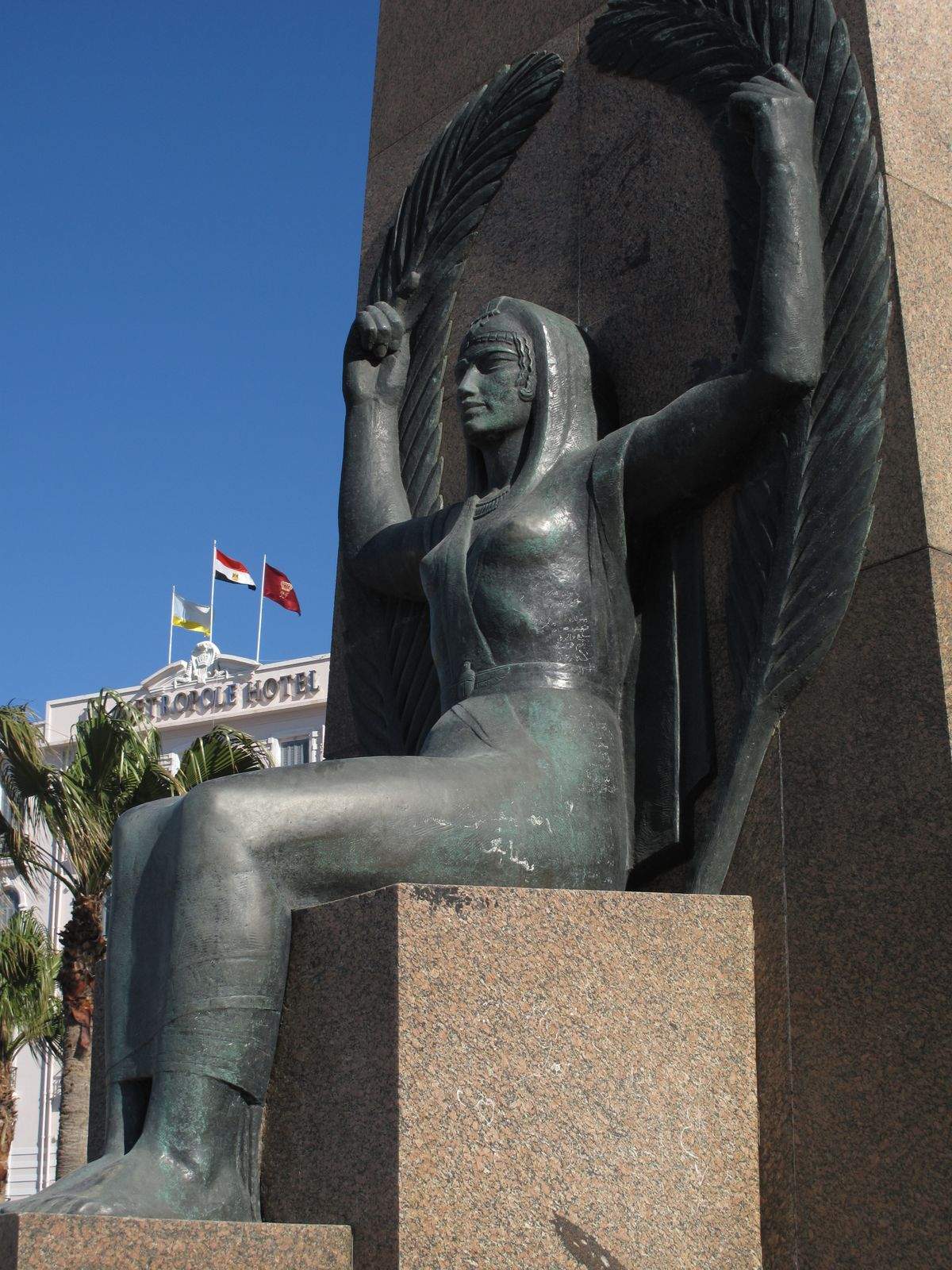
Tourism in Alexandria draws on its layered history, shaped by successive cultures. Key monuments include the Bibliotheca Alexandrina, Citadel of Qaitbay, Graeco-Roman Museum, Alexandria National Museum, Royal Jewelry Museum, Serapeum, Pompey’s Pillar, Roman amphitheatre, and the Lighthouse of Alexandria. Gardens include Al Montaza, Al Shallalat, Antoniadis, El-Nozha, and the International Park of Alexandria.
Quick Facts
- Native Name
- محافظة الإسكندرية · Muḥāfaẓat al-Iskandarīyah
- Settlement Type
- Governorate
- Blank Emblem Type
- Emblem
- Seat
- Alexandria (capital)
- Leader Title
- Governor
- Leader Name
- Eng. Ayman Mohammed Ibrahim Ahmed Ateyya
- Population Total
- 5,599,387
- Population As Of
- January 2024
Facts from the source article.
Lore & Background
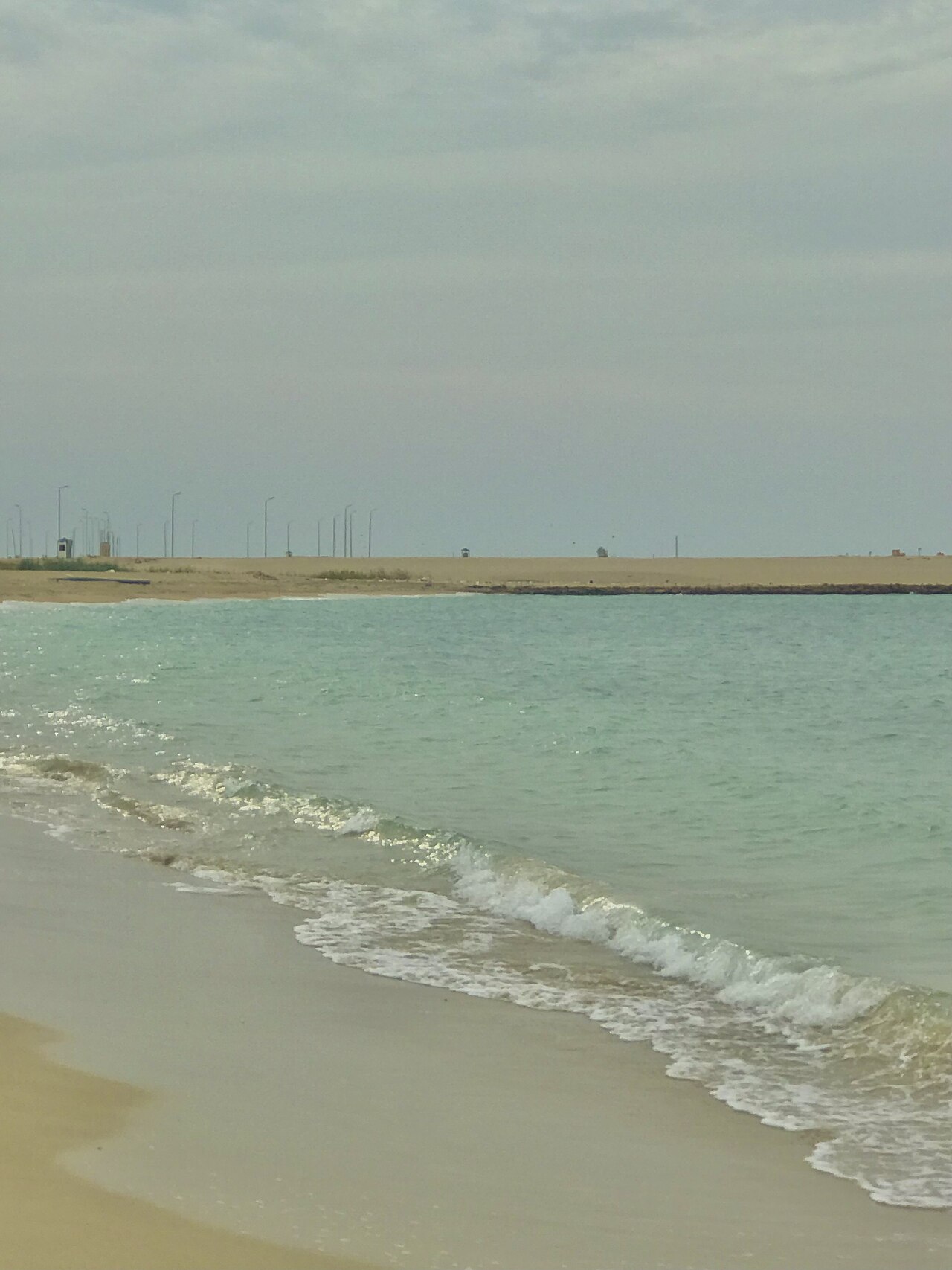
Alexandria Governorate stretches about 70 km along the Mediterranean coast northwest of the Nile Delta. It is bordered by the Mediterranean Sea to the north, Beheira Governorate to the south and east, and Matrouh Governorate to the west. The governorate is divided into several municipal divisions, further grouped into 10 districts, while New Borg El Arab City falls under the New Urban Communities Authority. The governorate has a unique geographical location and a mild climate.
Reader's Guide
Alexandria Governorate holds historical significance as the former capital of Egypt before the foundation of Fustat. It remains the country's second-largest urban governorate and its most important harbour. The governorate is a major industrial hub, concentrating 40% of Egyptian industries, particularly in chemicals, food, spinning and weaving, petrol, and fertilizers. Its diverse history, shaped by multiple cultures, is reflected in monuments such as the Bibliotheca Alexandrina, Citadel of Qaitbay, and Pompey's Pillar. The governorate also hosts several universities, including Alexandria University and the Egypt-Japan University of Science and Technology. Sports are prominent, with football being the most common sport, played in stadiums like Borg El Arab Stadium and Alexandria Stadium. The governorate has had numerous governors since 1952, with the current governor being Eng. Ayman Mohammed Ibrahim Ahmed Ateyya.
Did You Know?
- Alexandria Governorate is one of four Egyptian governorates that also function as municipalities.
- The governorate covers an area of almost 2818 km².
- 40% of Egyptian industries are concentrated in Alexandria, especially in chemicals, food, spinning and weaving, petrol, and fertilizers.
- The governorate's population was 4,799,740 as of March 2015.
Strategic Geography & Urban Scale
Alexandria Governorate occupies a commanding position along Egypt's northern coastline, stretching roughly 70 kilometers of Mediterranean shoreline northwest of the Nile Delta. Bordered by the sea to the north, Beheira Governorate to the south and east, and Matrouh Governorate to the west, the territory encompasses nearly 2,818 square kilometers. Its capital, the city of Alexandria, is Egypt's second-largest urban center, home to more than four and a half million residents as recorded in 2015, yielding a population density of approximately 1,700 people per square kilometer. The governorate holds a unique dual status: alongside Cairo, Port Said, and Suez, it functions simultaneously as both a governorate and a municipality. Historically, Alexandria served as Egypt's capital until the establishment of Fustat, which was eventually absorbed into what became Cairo. Today, the governorate is regarded as second in national importance only to Cairo, a distinction reinforced by its possession of the country's most critical harbour and its mild coastal climate.
Industrial Powerhouse & Maritime Trade
Alexandria Governorate is not merely a coastal metropolis but a central engine of Egypt's manufacturing sector. According to the General Authority for Investment and Free Zones, the region concentrates roughly 40 percent of the nation's industrial activity. Key sectors include chemical production, food processing, spinning and weaving, petroleum refining, and fertilizer manufacturing. This industrial landscape is supported by a network of designated zones and multiple maritime gateways: Alexandria Port, Al Dekheila Port, Abu Qir Port, and the Eastern Port collectively handle the bulk of the country's seaborne trade. The governorate's economic vitality is further underpinned by a robust transportation infrastructure, including the Alexandria Tram, Alexandria Railways, a metro system, and Alexandria International Airport. The New Borg El Arab City, which falls under the New Urban Communities Authority rather than the governorate's direct administration, extends the region's industrial and urban footprint. With a total estimated population exceeding 5.5 million as of early 2024, the governorate sustains one of the densest labor markets in the country.
Cultural Heritage & Living Landmarks
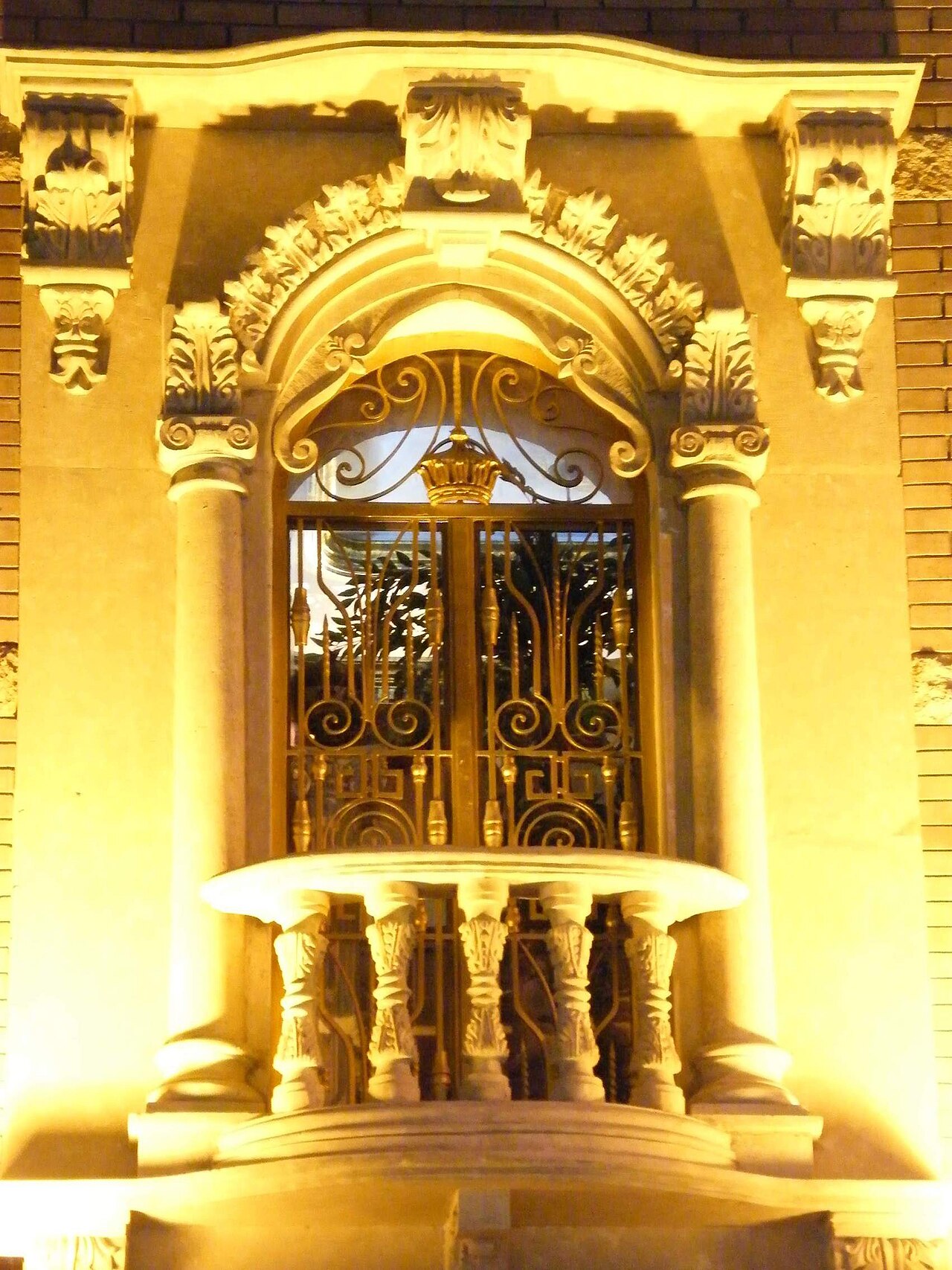
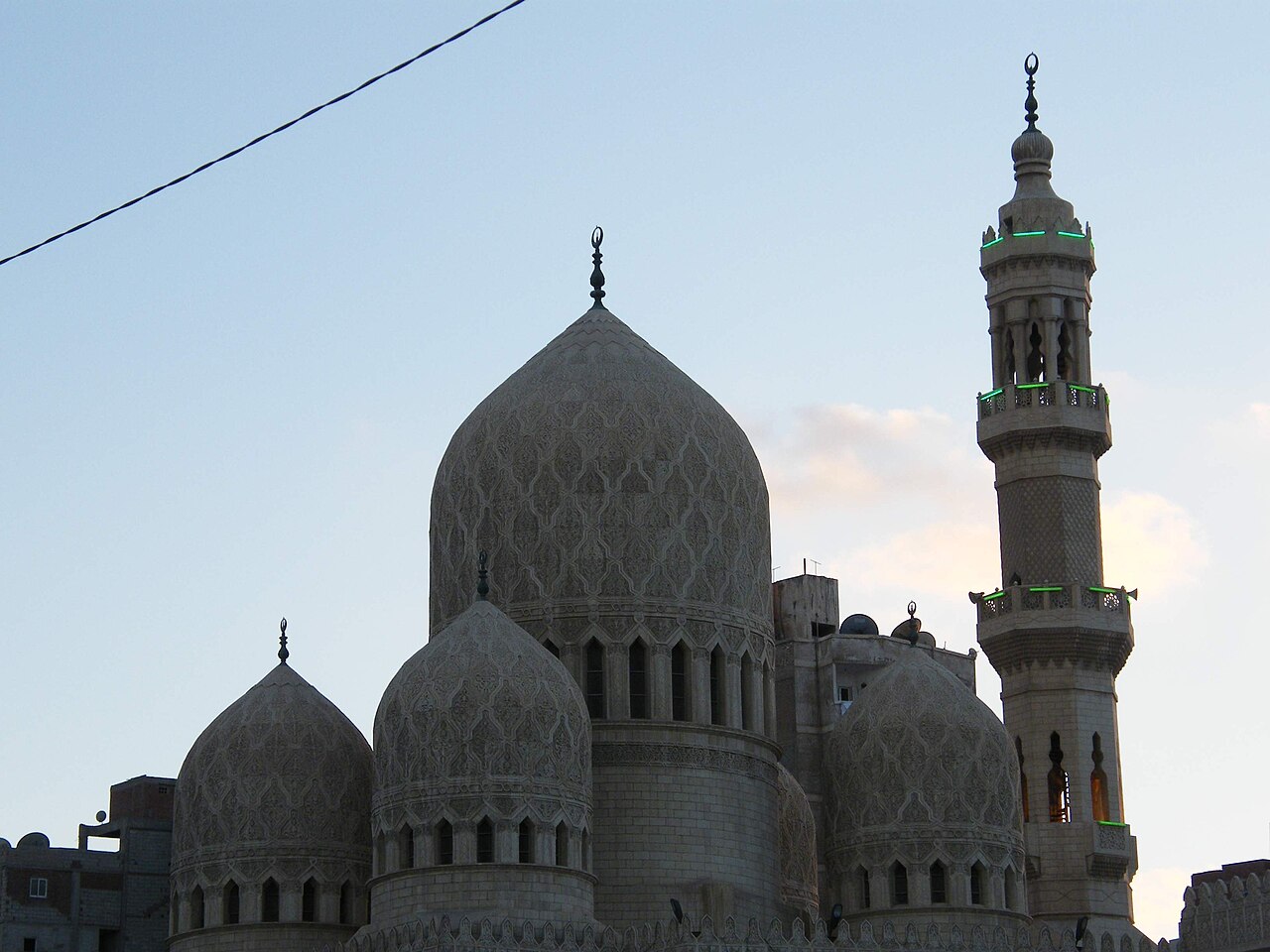
The layered history of Alexandria Governorate is etched into its built environment. Once the capital of Egypt and a crossroads of successive civilizations, the city retains monuments that span millennia. The Bibliotheca Alexandrina stands as a modern tribute to the ancient library that once defined the city's intellectual legacy. The Citadel of Qaitbay, the Graeco-Roman Museum, the Alexandria National Museum, the Royal Jewelry Museum, the Serapeum, Pompey's Pillar, and a Roman amphitheatre collectively trace the Ptolemaic, Roman, and Mamluk periods. The legendary Lighthouse of Alexandria, though long vanished, remains a defining symbol of the city's maritime identity. Beyond its monuments, the governorate offers several notable gardens, including Al Montaza Gardens, Al Shallalat Gardens, the Antoniadis Garden, El-Nozha Garden, and the International Park of Alexandria. These green spaces, combined with the mild coastal climate, make the governorate a destination where ancient heritage and everyday leisure coexist.
Education & Sporting Life
Alexandria Governorate hosts a dense ecosystem of higher education and athletic institutions. Among its notable universities are Alexandria University, Alexandria International University, Borg El Arab Technological University, Senghor University, the Arab Academy for Science, Technology, and Maritime Transport, the Egypt-Japan University of Science and Technology located in New Borg El Arab, the City of Scientific Research and Technological Applications, Pharos University, and the Higher Institute of Engineering and Technology. The secondary and international school sector includes institutions such as Forsan American School, Riada American School, Schutz American School, and the International British School of Alexandria. In sports, football dominates the governorate's athletic culture, with major clubs including El Ittihad Alexandria Club, Smouha Sporting Club, Alexandria Sporting Club, and the Egyptian Olympic Athletes Club. Three principal stadiums—Borg El Arab Stadium, Alexandria Stadium, and Haras El-Hedoud Stadium—anchor the region's football infrastructure and draw passionate local followings.
Gallery
Frequently Asked Questions
What is Alexandria Governorate?
Alexandria Governorate is Egypt's second-ranked governorate in national importance, situated along the Mediterranean coast in the northern part of the country. Its capital city, Alexandria, historically served as Egypt's capital before political power shifted to Constantinople in the 4th century.
Why is Alexandria Governorate so important to Egypt?
The governorate houses one of the nation's most critical harbors and accounts for roughly 40% of all Egyptian industrial activity. This makes it the clear economic second to Cairo in terms of production and trade.
How large is Alexandria Governorate and how many people live there?
The governorate covers approximately 2,818 square kilometers and was home to nearly 4.8 million residents as of the 2015 census, yielding a density of about 1,700 people per square kilometer. It is administratively divided into 10 districts.
What unique administrative status does Alexandria Governorate hold?
Alongside Cairo, Port Said, and Suez, Alexandria is one of only four Egyptian governorates that simultaneously function as municipalities. This dual status gives it a distinct layer of local governance compared to the rest of the country.
What is Alexandria Governorate's geographic position?
It sits in northern Egypt directly on the Mediterranean Sea, stretching roughly 70 kilometers in length. Its coastal location is what makes it home to one of the country's most strategically vital ports.
More in Governorates Of Egypt 1-24
Spotted an error? Know more?
Reader corrections go straight into our review queue. Suggest an edit · How this site is sourced