
Beheira Governorate
Coastal Nile Delta governorate with ancient monasteries and modern industry.

Ichwan Palongengi · Public domain
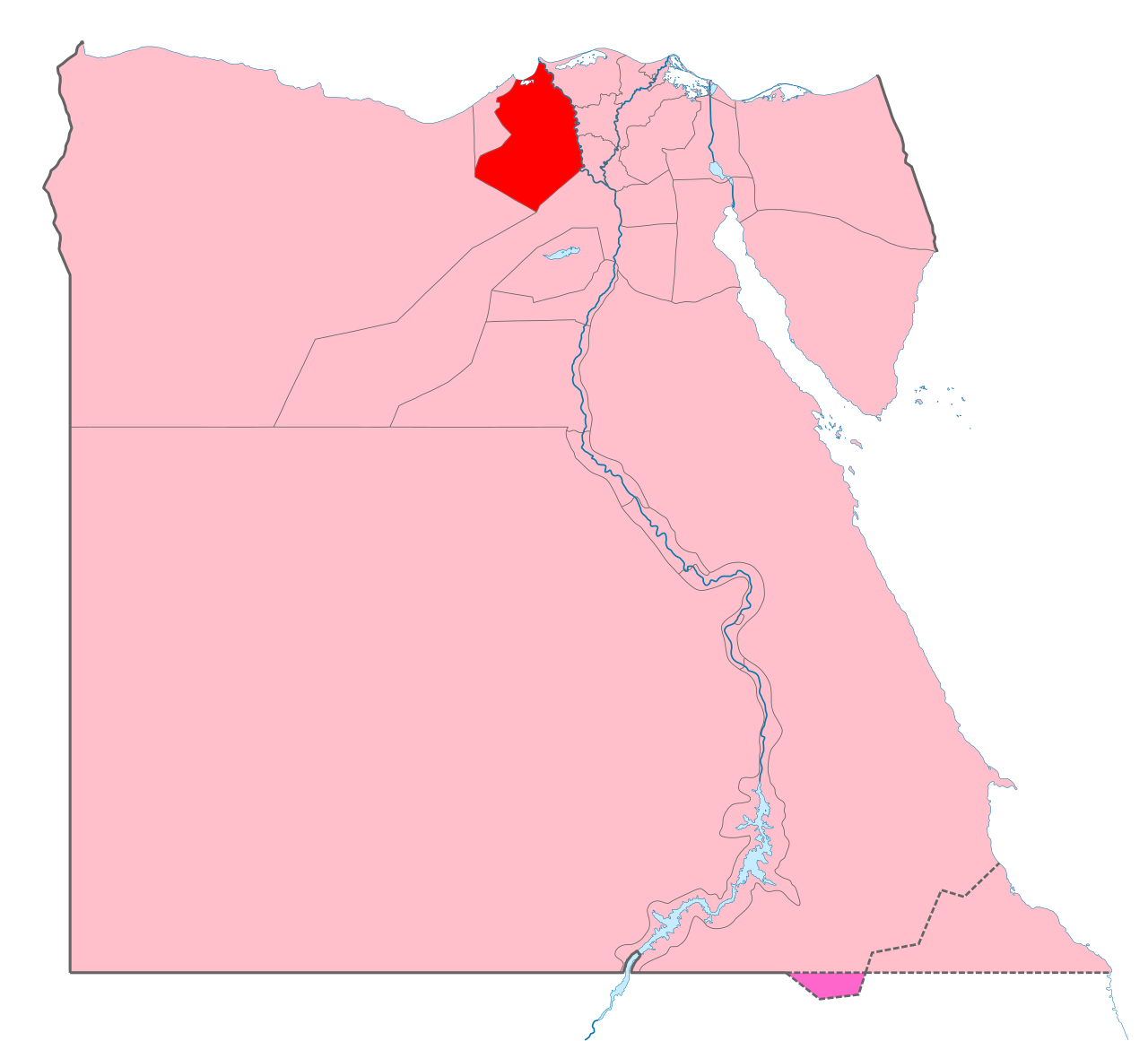
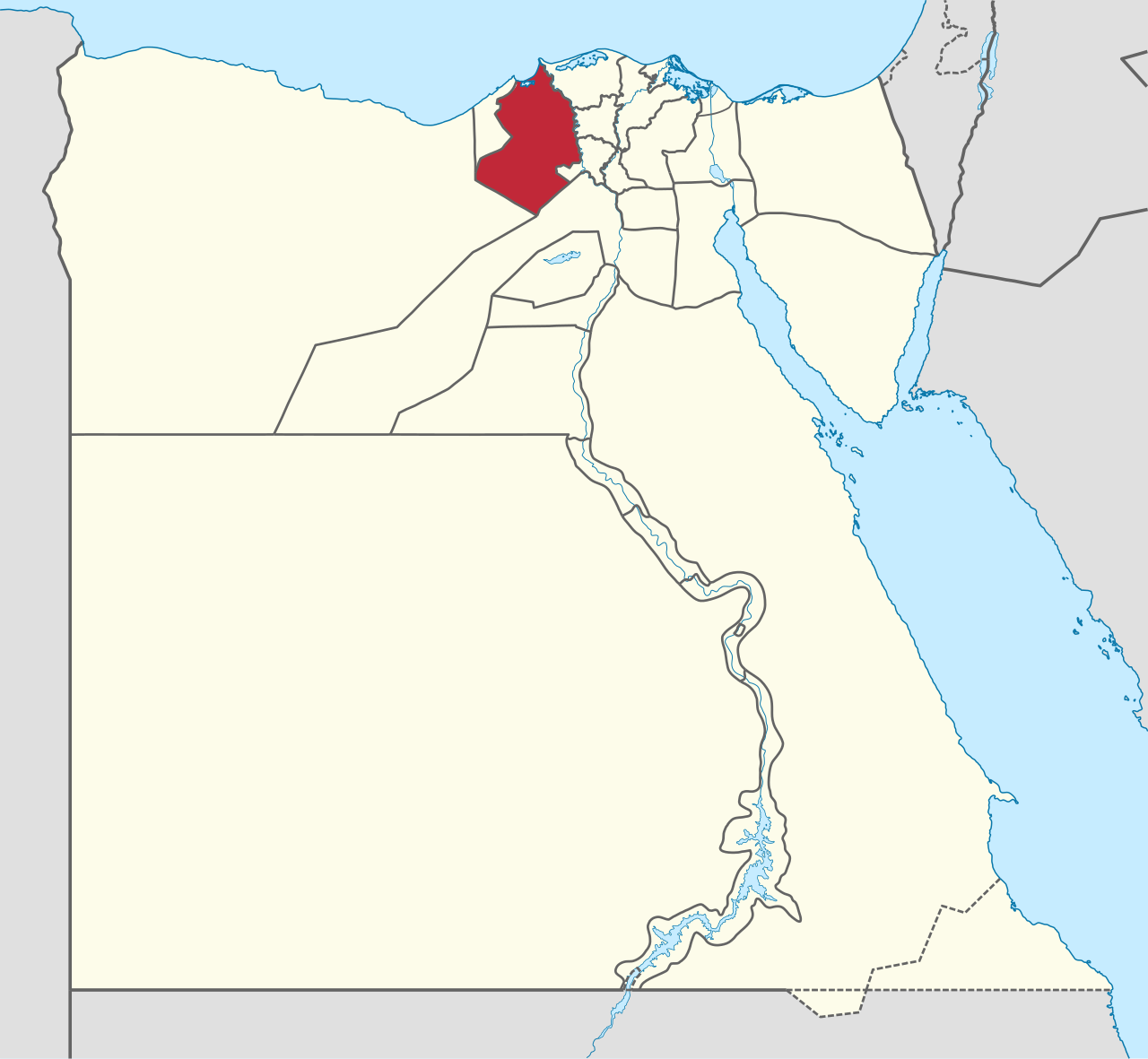
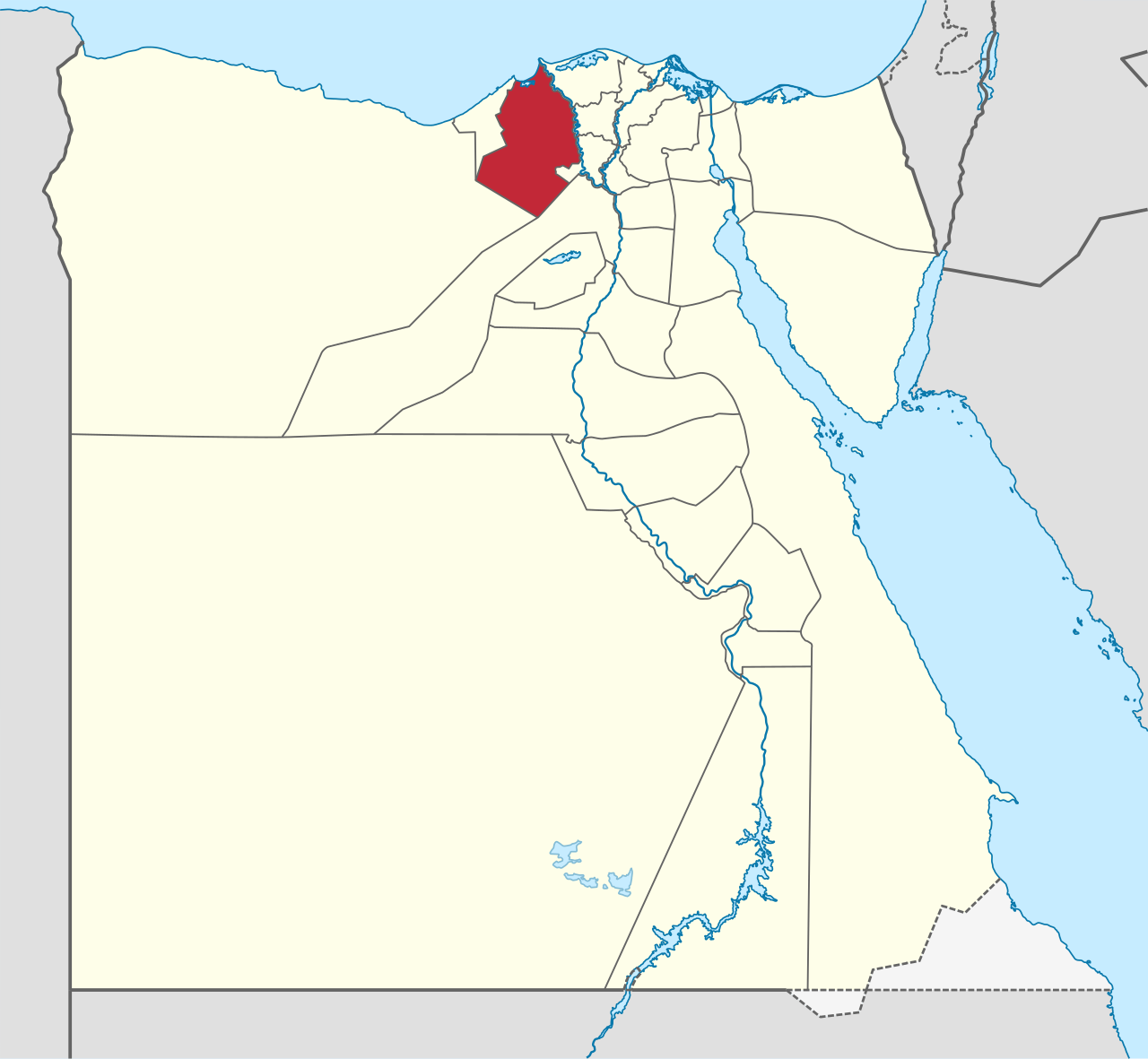
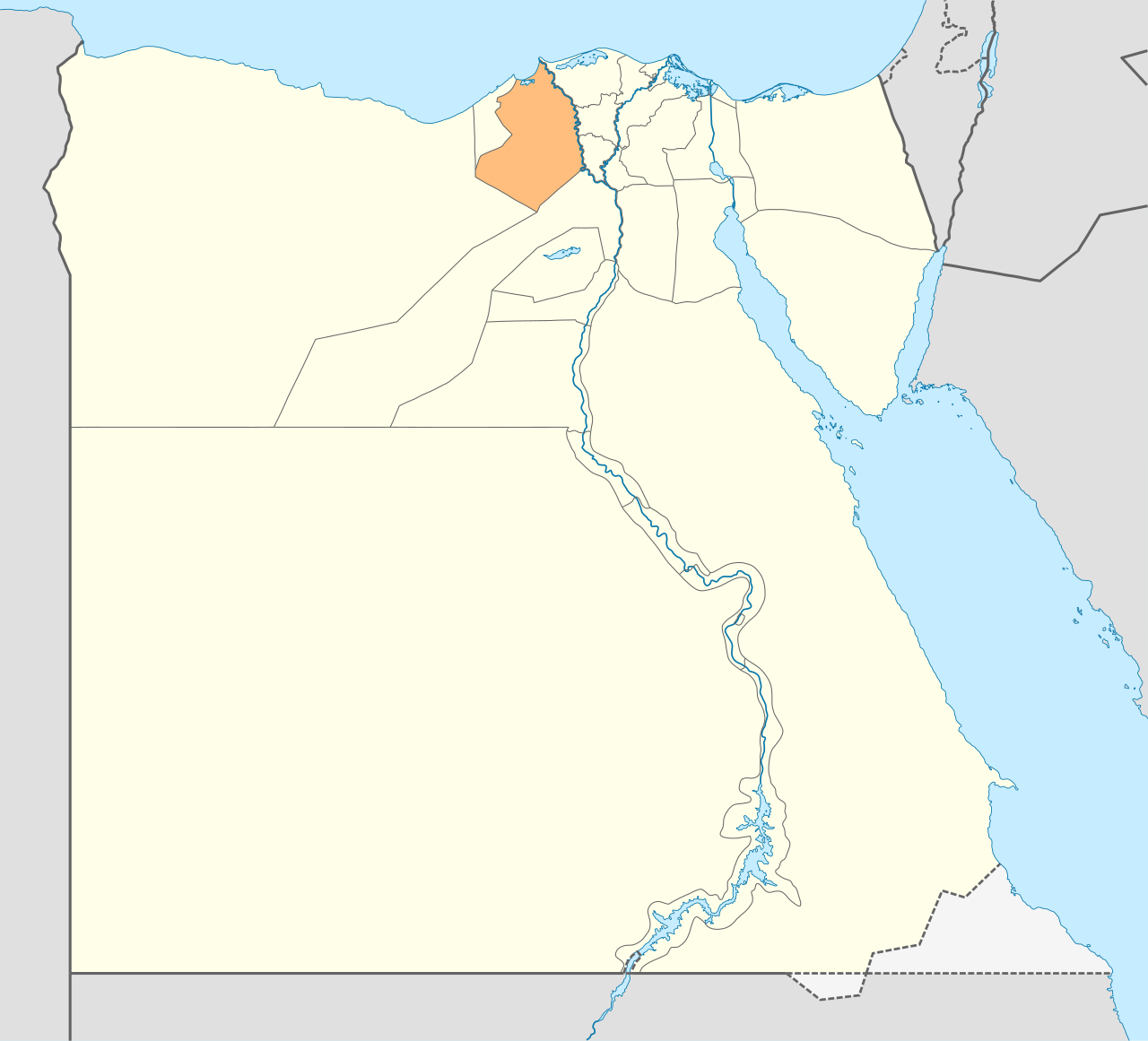
Beheira Governorate (Arabic: محافظة البحيرة, romanized: Muḥāfaẓat al-Buḥayra) is a coastal governorate in northern Egypt, located in the Nile Delta. Its capital is Damanhur. The governorate holds strategic importance west of the Rosetta branch of the Nile and contains major highways, important industries, and numerous archaeological sites, including Coptic monasteries in Wadi El Natrun. In 2017, President al-Sissi appointed Manal Awad Mikhail as the first female governor in Egypt's history, for Damietta Governorate; Beheira's first female governor was Nadia Ahmed Abdou, appointed in 2019.
Quick Facts
- Settlement Type
- Governorate
- Blank Emblem Type
- Seal
- Seat
- Damanhur (capital)
- Leader Title
- Governor
- Leader Name
- Jacqueline Azer
- Population Total
- 6992742
- Population As Of
- January 2024
Facts from the source article.
Lore & Background
Beheira Governorate comprises four important highways: the Cairo-Alexandria desert road, the Cairo agricultural road, the international road, and the circular road. It is home to a number of the most important Coptic monasteries in Wadi El Natrun (Scetes). The governorate consists of 13 marakez and 14 cities, and contains important industries such as cotton, chemicals, carpets, electricity, and fishing. Archaeological sites include Abu El Matamir, Abu Hummus, Damanhour, Rosetta (Rashid), and Kafr El Dawwar, with finds of coins, lamps, animal bones, and pottery from Roman and later Eastern Roman (Byzantine) eras at Kom El Giza and Kom El Hamam.
Reader's Guide
Beheira Governorate's significance lies in its strategic location in the Nile Delta, its role as a center of early Coptic monasticism, and its industrial and agricultural output. The 2026 discovery of a 5th-century CE monastic guesthouse at the Qalaye site in Hosh Issa highlights the region's importance in the evolution of early Christian communal religious life. The governorate also made modern history in 2017 with the appointment of Egypt's first female governor. With a population of nearly 7 million in 2024, the majority rural, Beheira continues to balance its ancient heritage with contemporary development, including industrial zones and infrastructure projects supported by programs like the Basic Village Service Program under USAID.
Did You Know?
- Beheira Governorate is home to important Coptic monasteries in Wadi El Natrun (Scetes).
- The governorate's population estimate for January 2024 is not verifiable against official CAPMAS data and should be treated with caution.
Strategic Geography & Infrastructure
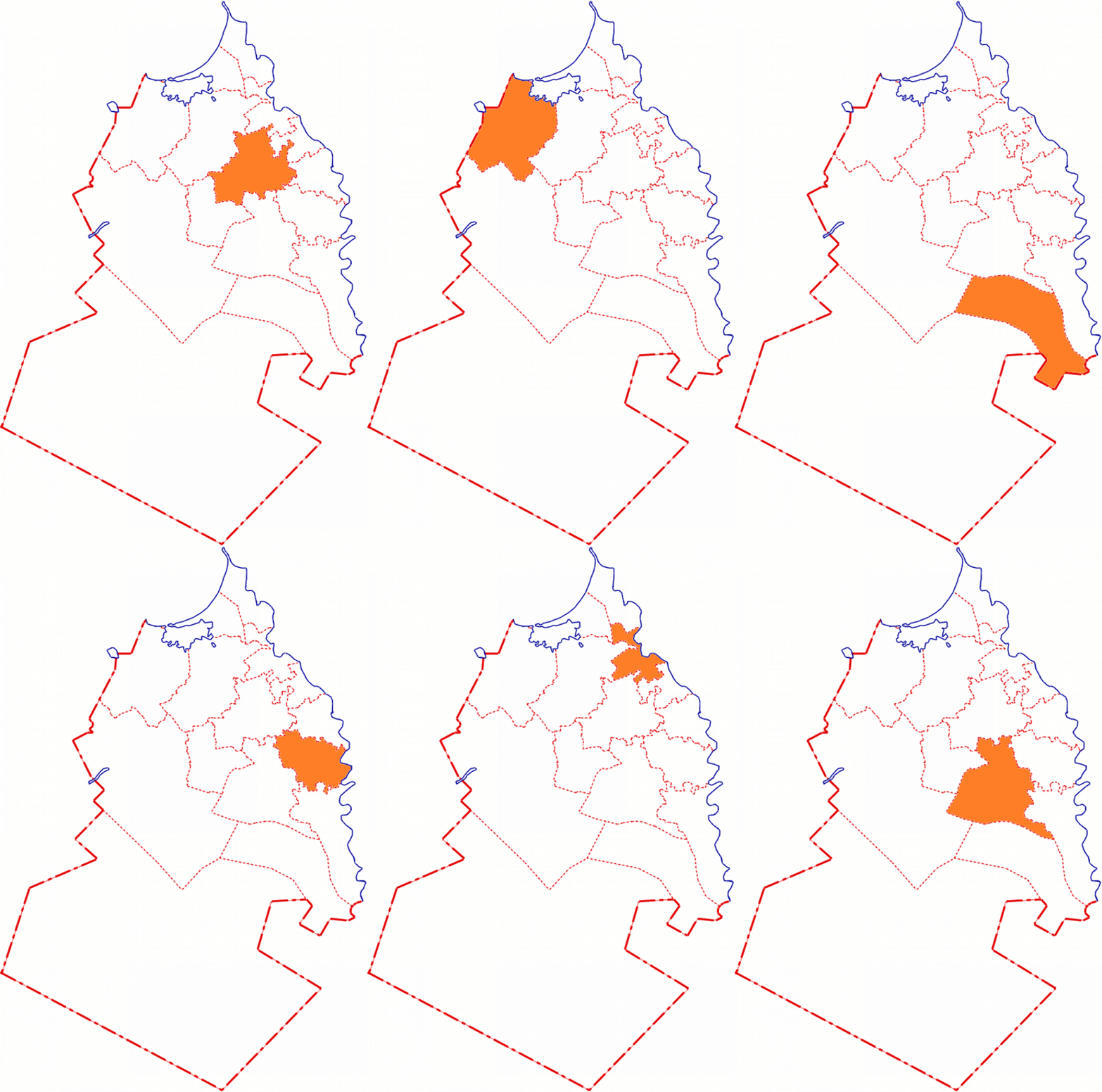
Beheira occupies a coastal stretch of northern Egypt's Nile Delta, positioned west of the Rosetta branch of the river. Its Arabic name, literally 'Governorate of the Lake,' evokes the waterways that shape the surrounding landscape. The governorate is threaded by four major highways—the Cairo-Alexandria desert road, the Cairo agricultural road, the international road, and the circular road—making it a vital corridor for both domestic and cross-border traffic. Administratively it is organized into thirteen marakez and fourteen cities, with Damanhur serving as the capital. This web of roads and municipal units underpins a diverse industrial base that spans cotton processing, chemical manufacturing, carpet production, electrical goods, and fishing. The combination of coastal access, delta fertility, and transport infrastructure positions Beheira as one of Egypt's most economically layered governorates, linking agricultural hinterlands to the Mediterranean and to the capital's commercial networks.
Monastic Heritage & Archaeological Treasures
Beheira shelters some of the most significant Coptic monasteries in Wadi El Natrun, historically called Scetes, a landscape long tied to the birth of Christian monasticism in Egypt. In March 2026, the Egyptian Ministry of Tourism and Antiquities announced the discovery at the Qalaye site in Hosh Issa of a fifth-century building identified as a monastic guesthouse. The structure, comprising multiple rooms and functional spaces, was likely used to host both visitors and monks, reflecting a transition from solitary asceticism toward more organized, semi-communal religious life. Decorated architectural elements and designated communal areas found at the site offer rare insight into the daily routines of early monastic communities. Beyond Wadi El Natrun, the governorate holds numerous archaeological sites at Abu El Matamir, Abu Hummus, Damanhour, Rosetta, and Kafr El Dawwar, where excavations have yielded coins, lamps, animal bones, and pottery dating to the Roman and Byzantine periods, particularly at Kom El Giza and Kom El Hamam.
A Predominantly Rural Population
With an estimated population of nearly seven million as of January 2024, Beheira is one of Egypt's most populous governorates, yet its character remains overwhelmingly rural. Only about 19.5 percent of residents live in urban areas, meaning roughly 5.63 million people inhabit the countryside while just over 1.36 million reside in towns and cities. This demographic profile shapes the governorate's social fabric, economic priorities, and administrative challenges. The population is spread across thirteen marakez and fourteen cities, including Damanhur, Rosetta, Edku, Kafr El Dawwar, and Wadi El Natrun, among others. In some cases a markaz and a kism share the same name, reflecting the layered nature of local governance. The rural majority underscores the importance of agricultural and fishing industries to daily life, while also highlighting the ongoing need for infrastructure investment in water, roads, and public health. In 2018 the governorate council launched a campaign targeting mosquito and animal control to curb the spread of preventable diseases, a response that speaks to the practical realities of managing a large, dispersed population.
Notable Figures & a Historic First
Beheira has produced figures whose influence extends far beyond the governorate's borders. Mahmud Shaltut served as Grand Imam of Al-Azhar, one of the most prominent positions in Sunni Islamic scholarship. Pope Benjamin I of Alexandria held the title of Pope of Alexandria and Patriarch of the See of St. Mark, placing him at the head of the Coptic Orthodox Church. The Islamic scholar Mohammed al-Ghazali is likewise associated with the region. In the world of sport, Hassan Shehata made a name as a football manager, while Karim Hafez played as a footballer. Beyond these long-standing legacies, Beheira also made national headlines in 2017 when President Abdel Fattah al-Sissi appointed Nadia Ahmed Abdou as the governorate's governor, making her the first woman to hold a governorship in Egypt's history. This appointment marked a symbolic milestone for the region and for the country's broader political landscape, signaling a shift in who is considered eligible for senior administrative leadership.
Gallery

Frequently Asked Questions
What is Beheira Governorate and where is it located in Egypt?
Beheira is a coastal administrative region in the northern Nile Delta, positioned to the west of the Rosetta branch of the Nile. It blends modern industrial activity with deep religious and archaeological heritage.
What city serves as the capital of Beheira Governorate?
Damanhur is the seat of governance for Beheira, functioning as the region's administrative and civic center.
What famous religious sites can visitors find in Beheira Governorate?
The Wadi El Natrun area within Beheira is home to a cluster of historic Coptic monasteries, making it one of Egypt's most significant spiritual heritage destinations.
Why did Beheira Governorate make national headlines in 2019?
President Abdel Fattah al-Sissi appointed Nadia Ahmed Abdou as governor that year, marking the first time a woman had ever led a governorate in Egypt.
Why is Beheira Governorate considered strategically important for Egypt?
Beheira anchors key highway corridors and industrial operations along the western Nile Delta coast, giving it a central role in northern Egypt's transport and economic infrastructure.
More in Governorates Of Egypt 1-24
Spotted an error? Know more?
Reader corrections go straight into our review queue. Suggest an edit · How this site is sourced