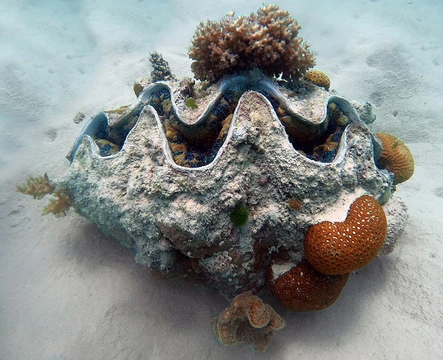
Semipallium
A genus of scallops in the subfamily Pedinae.

Semipallium is a genus of bivalve mollusks within the scallop family Pectinidae, specifically placed in the subfamily Pedinae. The genus contains several species, though taxonomic revisions have moved some of these to different genera.
Quick Facts
- Taxon
- Semipallium
- Type Species
- Pecten tigris Lamarck, 1819
Facts from the source article.
Lore & Background
Semipallium was established as a genus within the subfamily Pedinae of the family Pectinidae. The genus contains multiple species, such as Semipallium aktinos, Semipallium amicum, and Semipallium barnetti, among others. Several species originally placed in Semipallium have since been moved to other genera, including Pascahinnites, Veprichlamys, Austrochlamys, Decatopecten, Bractechlamys, and Excellichlamys. For example, Semipallium coruscans is now considered a synonym of Pascahinnites coruscans, and Semipallium radula is a synonym of Decatopecten radula. The species Semipallium kengaluorum was synonymized with Semipallium dringi, and Semipallium luculentum with Semipallium fulvicostatum.
Reader's Guide
The genus Semipallium is significant within the family Pectinidae as a group of scallops that has undergone considerable taxonomic revision. The source article lists 11 accepted species, but also documents numerous synonyms, indicating that the boundaries of the genus have been debated and refined over time. For instance, Semipallium tigris is now considered a synonym of Semipallium flavicans, and Semipallium xishaense is a synonym of Excellichlamys spectabilis. These changes reflect ongoing research in bivalve systematics, particularly through the work of authors such as Dijkstra and others cited in the references. The genus is referenced in works like Rombouts' 'Guidebook to Pecten shells' and in studies of Pectinoidea from regions such as the Panglao region of the Philippine Islands. Its legacy lies in its role as a taxonomic placeholder for species that have since been redistributed across multiple genera, illustrating the dynamic nature of marine bivalve classification.
Did You Know?
- Semipallium belongs to the subfamily Pedinae of the family Pectinidae.
- The species Semipallium kengaluorum is a synonym of Semipallium dringi.
More in Giant Clams and Marine Bivalves 1-24
Spotted an error? Know more?
Reader corrections go straight into our review queue. Suggest an edit · How this site is sourced