Ottoman (furniture)
A backless, armless seat with roots in the Ottoman Empire.
Last updated

Olugold · CC BY-SA 4.0
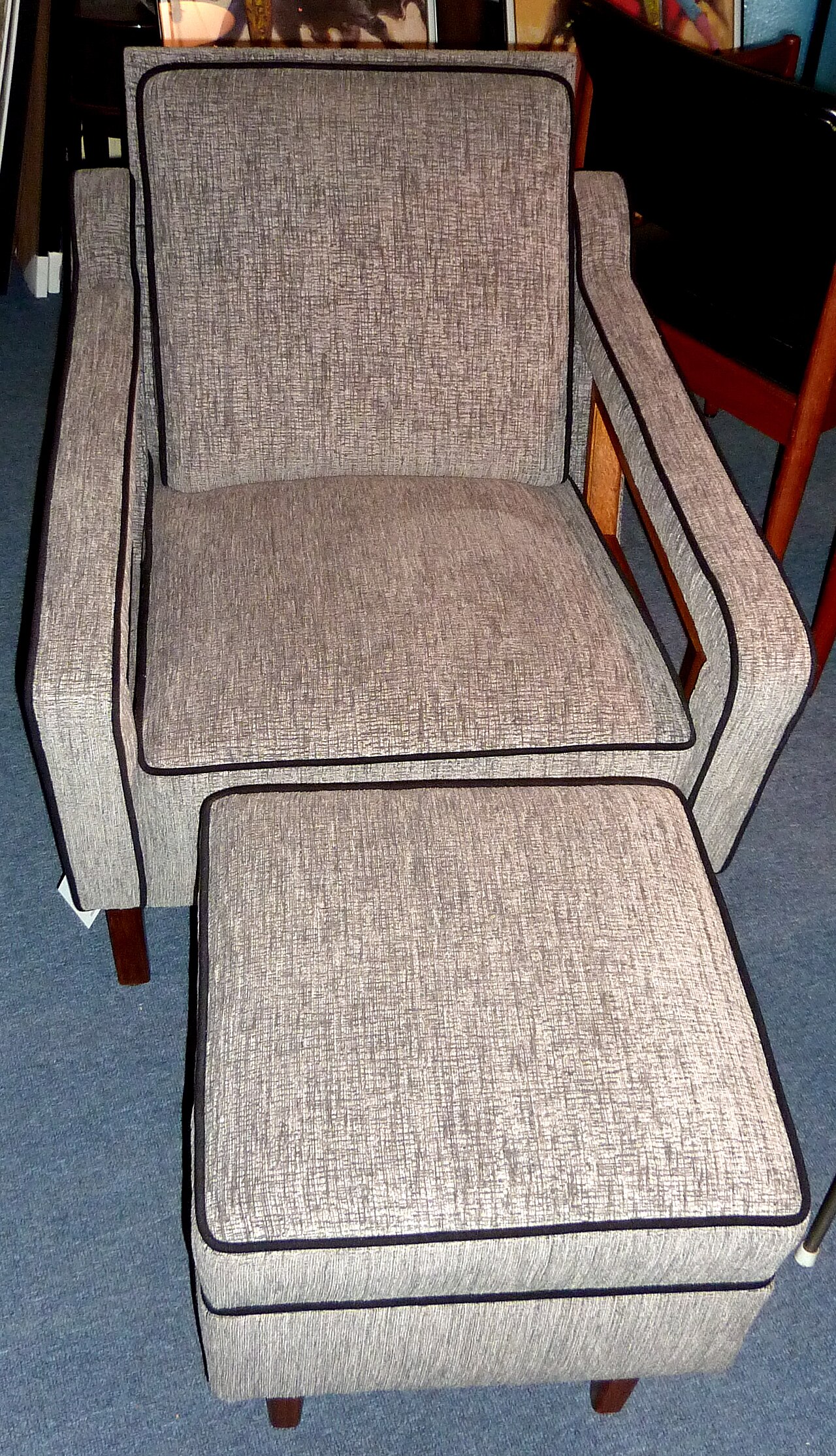
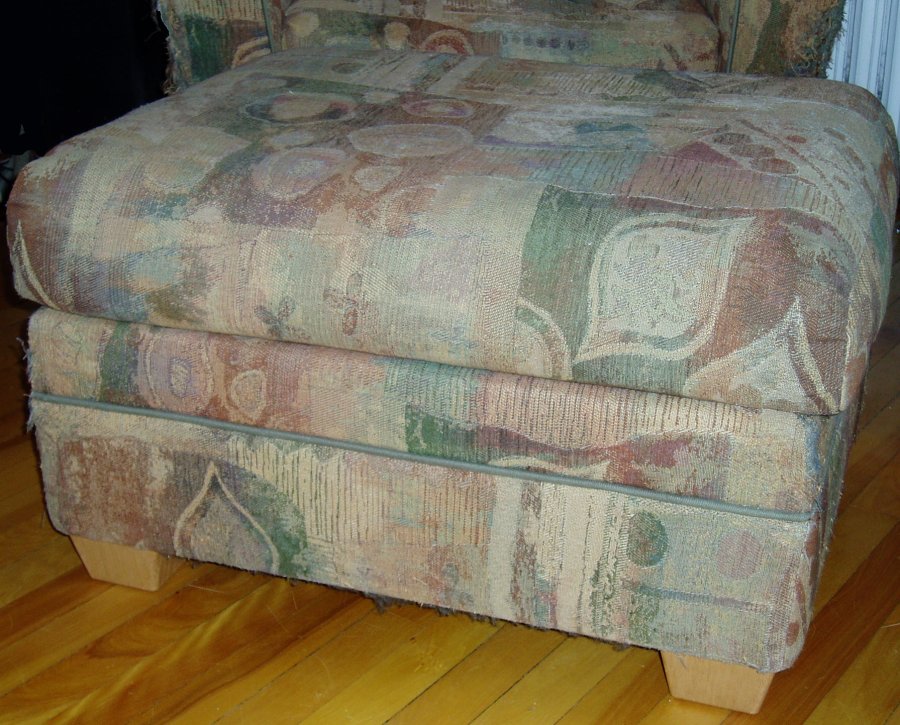
An ottoman is a type of furniture that typically lacks a back and arms. It can be a low, upholstered couch or a smaller cushioned seat used as a table, stool, or footrest. Some ottomans have a hinged lid, turning the interior into storage space for items like linen or magazines. The smaller versions are often placed near an armchair or sofa in a living room, or used as a seat by a fireplace.
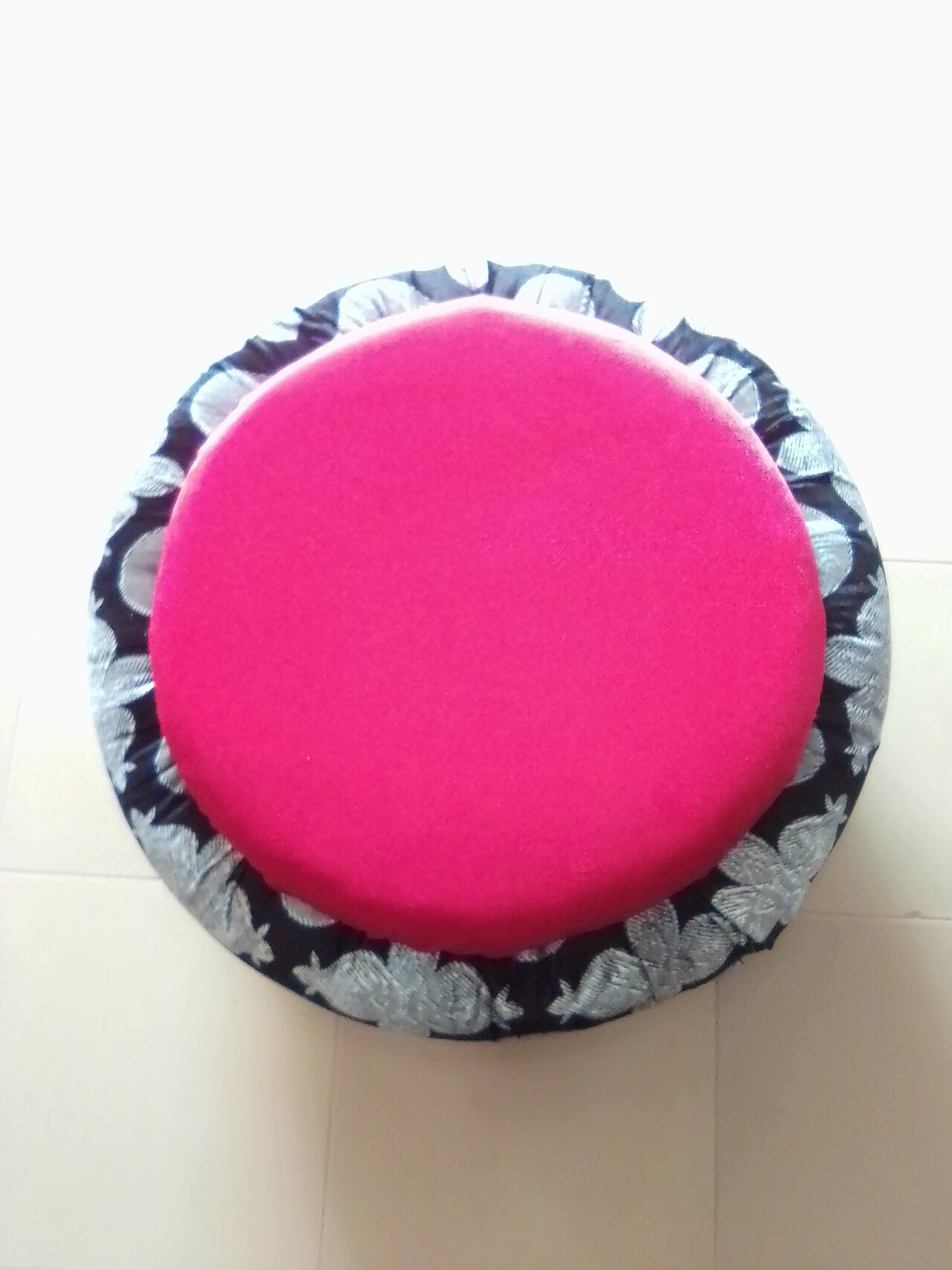
Footstool ottomans are frequently sold as matching pieces with armchairs, sofas, or gliders. This piece of furniture is also called a footstool, hassock, or pouf. The ottoman originated in the Ottoman Empire, where it served as the main seating in homes, typically a low wooden platform piled with cushions. It first appeared as sectional seating that lined three walls of a room, then evolved into smaller corner pieces or circular padded seats around a column in public spaces.
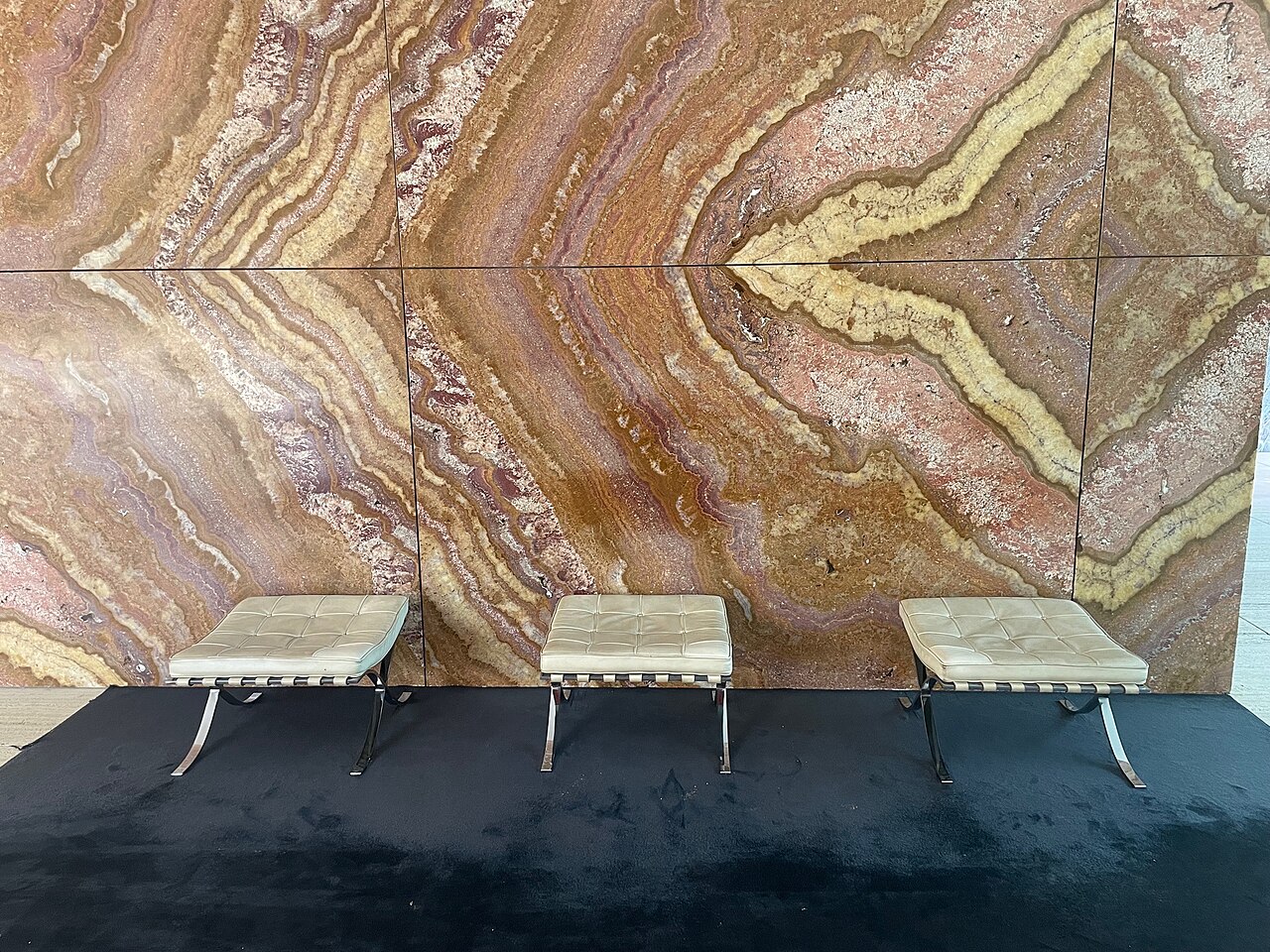
The furniture was brought to Europe from the Ottoman Empire in the late 1700s and named after its origin. The earliest known use of the name is the French word "ottomane" from 1729, and the first recorded English use appears in Thomas Jefferson's 1789 memorandum book. Over the next generation, the ottoman became common in bedrooms. European versions were generally smaller than the traditional Turkish design, and by the 1800s they were often circular or octagonal.
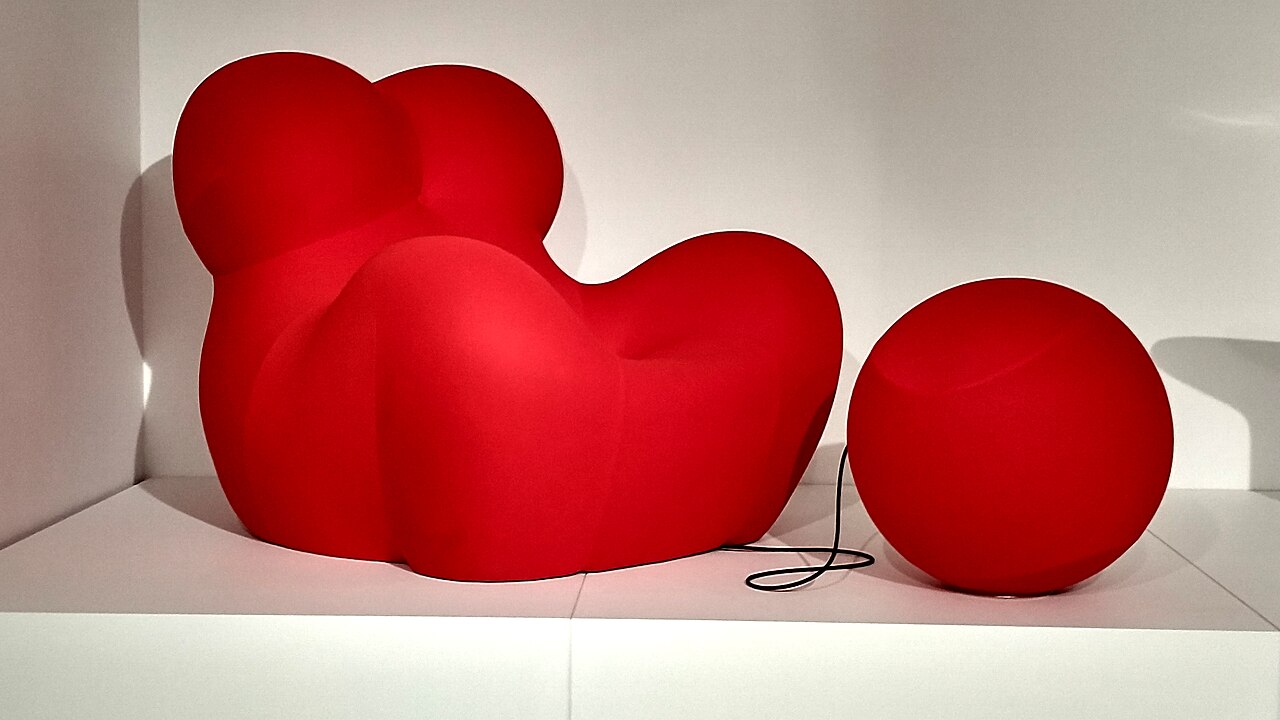
The seat was sometimes divided by arms or a central padded column that could hold a plant or statue. Hinged seats also appeared, allowing interior storage. The closely related ottoman footstool was an upholstered stool on four legs, used as a fireside seat and covered with carpet, embroidery, or beadwork. By the 1900s, the term ottoman covered both the larger and smaller forms.
Last updated 2026-10-05 from the source article.
Quick Facts
- Origin
- Ottoman Empire (modern-day Turkey)
- First named in french
- 1729 (ottomane)
- Introduced to europe
- late 18th century
- Common bedroom furniture by
- early 19th century
- Also known as
- footstool
- hassock
- pouf[fe]
Facts from the source article.
Lore & Background
The ottoman traces its roots to furnishing practices in the Ottoman Empire in modern-day Turkey, where it was the central piece of residential seating, generally designed as a low wooden platform intended to be piled with cushions. It was first developed as sectional furniture that wrapped around three walls of a room, before evolving into smaller versions that fit into the corner of a room or circular padded seats surrounding a column or pole in a public room. The ottoman was eventually brought to other parts of Europe from the Ottoman Empire in the late 18th century and named after its place of origin.
The earliest known instance of the use of the name is ottomane in French in 1729. The first known recorded use in English occurs in one of Thomas Jefferson's memorandum books from 1789, 'P[ai]d. for an Ottomane of velours d'Utrecht.' Over the subsequent generation, the ottoman became a common piece of bedroom furniture. European ottomans standardized on a smaller size than the traditional Turkish ottoman, and in the 19th century they took on a circular or octagonal shape. The seat was divided in the center by arms or by a central, padded column that might hold a plant or statue.
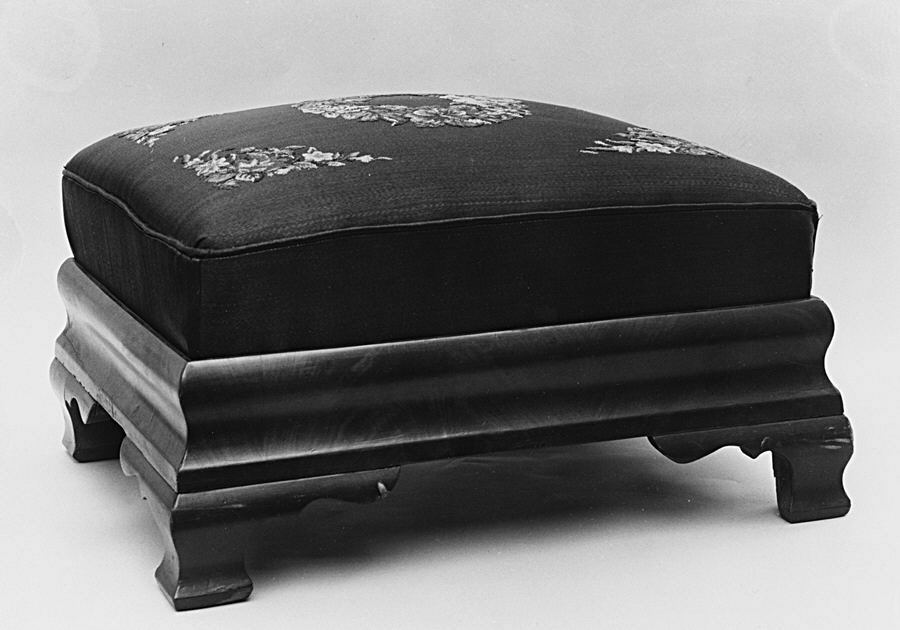
Hinged seats also began to appear, so that the space inside the ottoman could be used to store items. The ottoman footstool, a closely allied piece of furniture, was an upholstered footstool on four legs, which could also be used as a fireside seat, the seat covered with carpet, embroidery, or beadwork. By the 20th century, the word ottoman encompassed both forms.
Reader's Guide
An ottoman is a backless, armless seat. It can be a low couch or a smaller cushioned seat used as a table, stool, or footstool.
Some have hinged lids for storage. Smaller ottomans are often placed near armchairs or sofas, or used as fireside seats. Ottoman footstools are often sold with armchairs, sofas, or gliders.
More in Furniture & Household Items
Sources
Compiled from Wikipedia and the sources listed below. Text from Wikipedia is available under CC BY-SA 4.0; this entry is adapted from it.
- Wikipedia: Ottoman (furniture) (CC BY-SA 4.0).
Spotted an error? Know more?
Reader corrections go straight into our review queue. Suggest an edit · How this site is sourced