Shelf (storage)
A flat surface for storing or displaying items.
Last updated

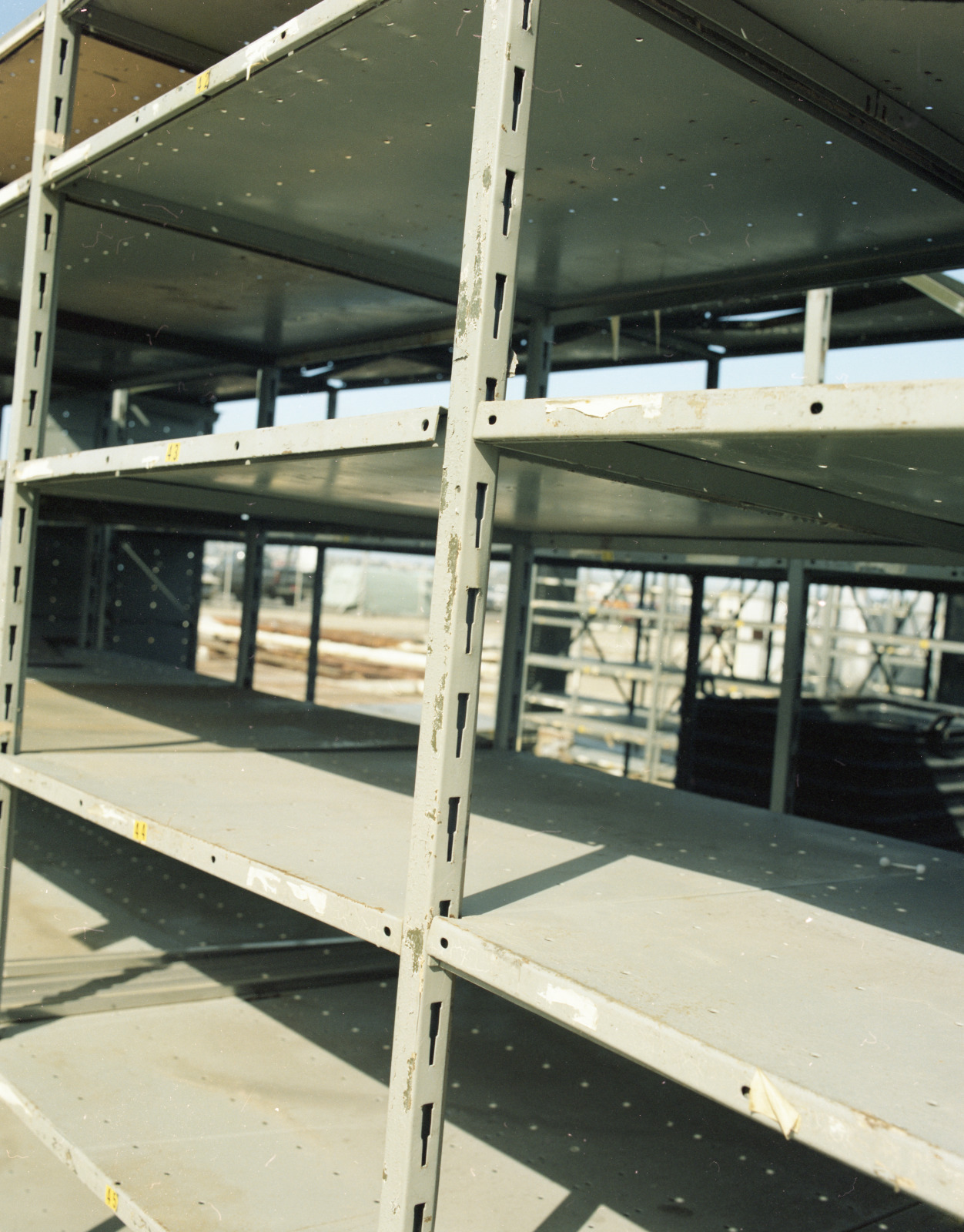
San Diego Air & Space Museum Archives · Public domain
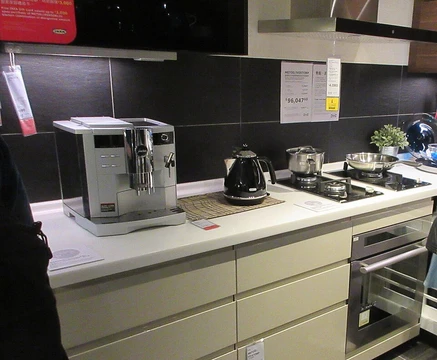
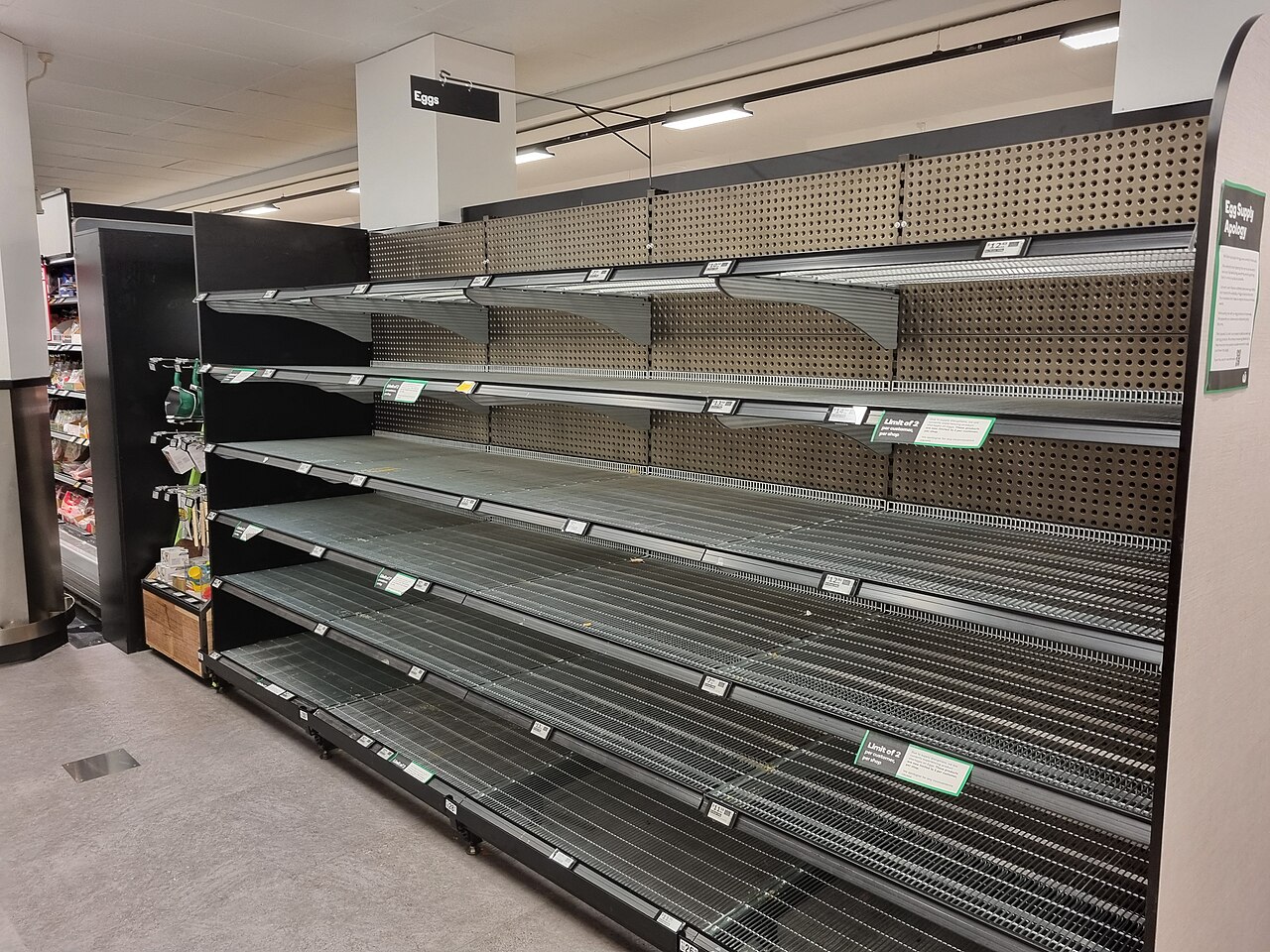
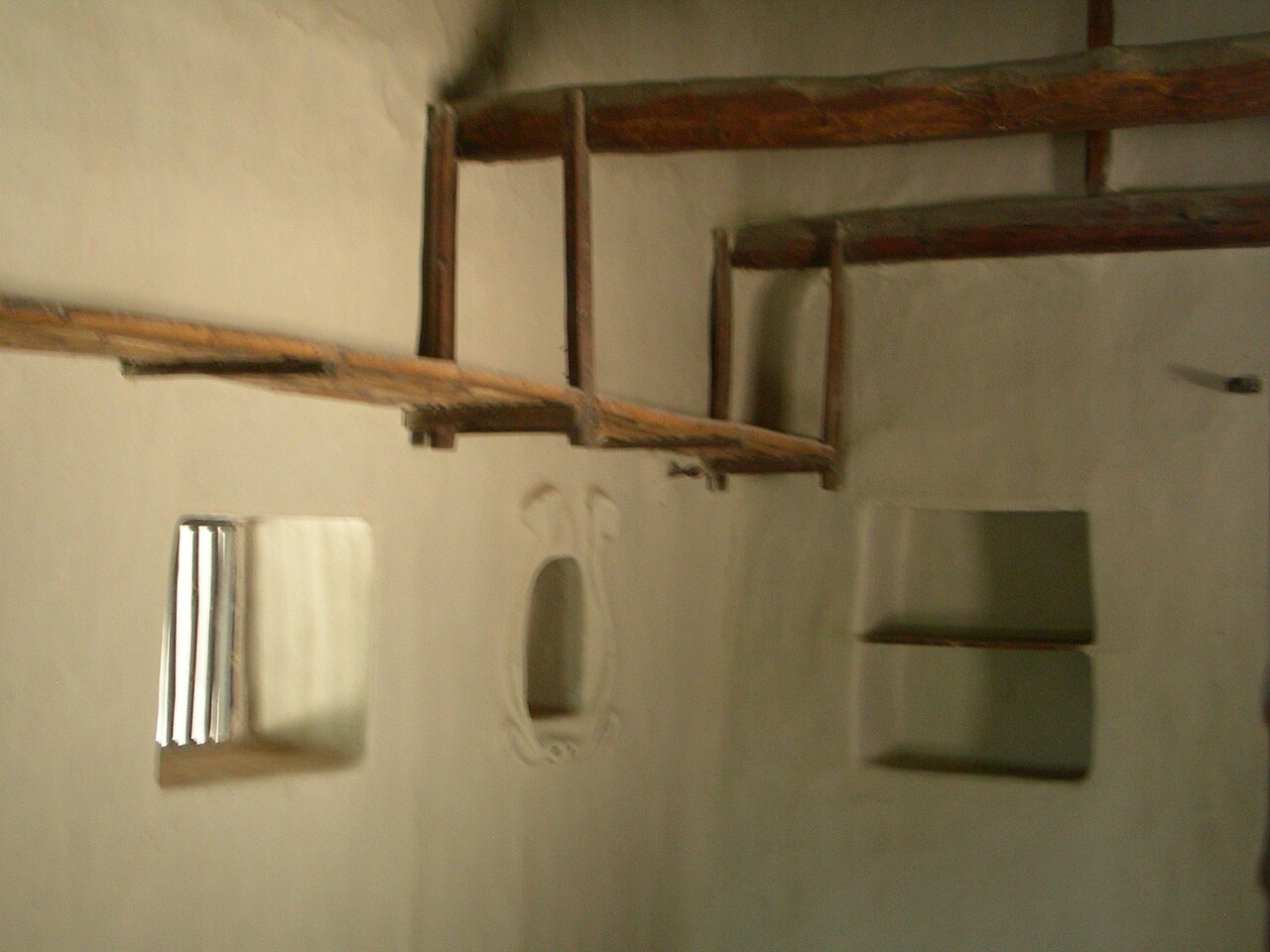
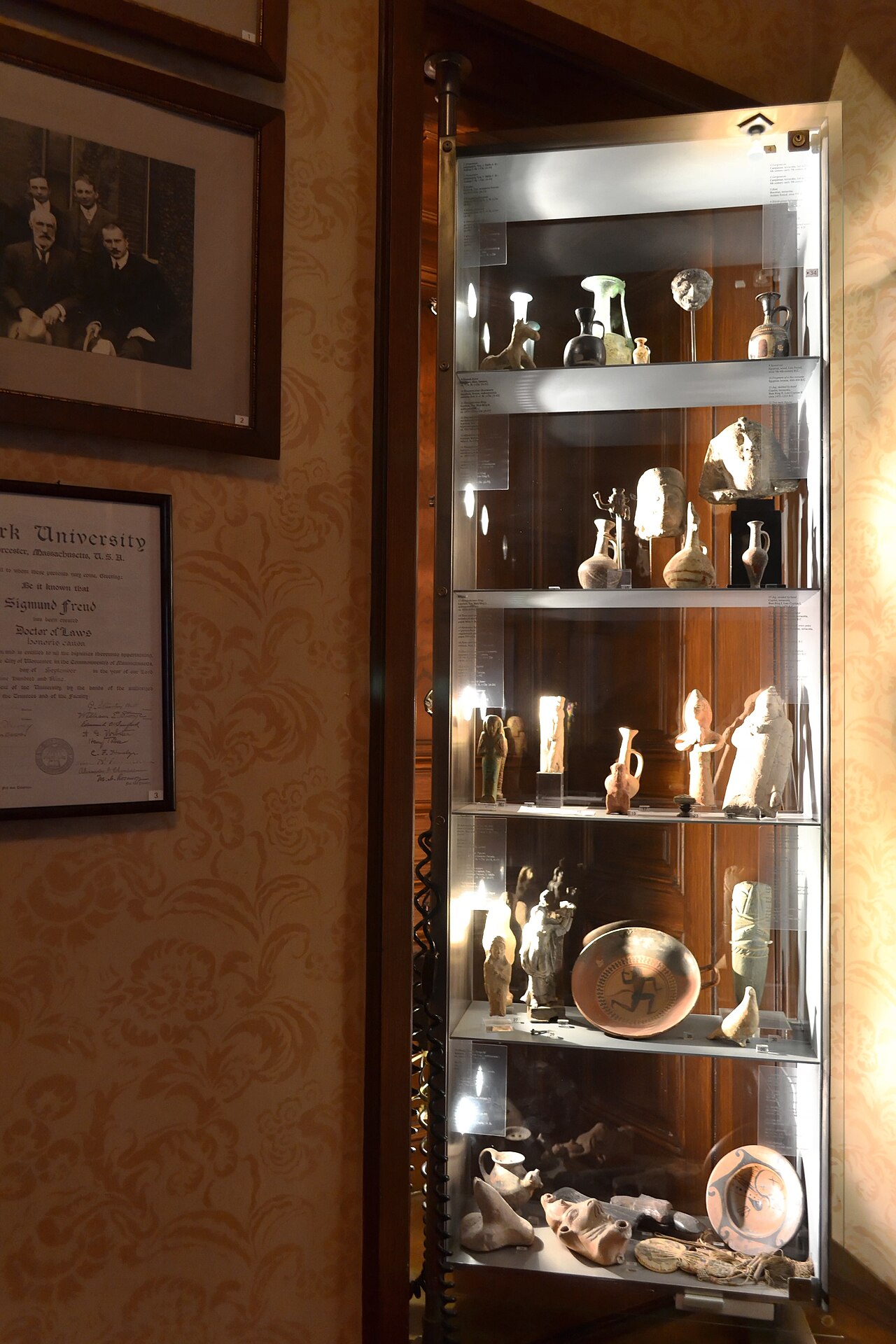
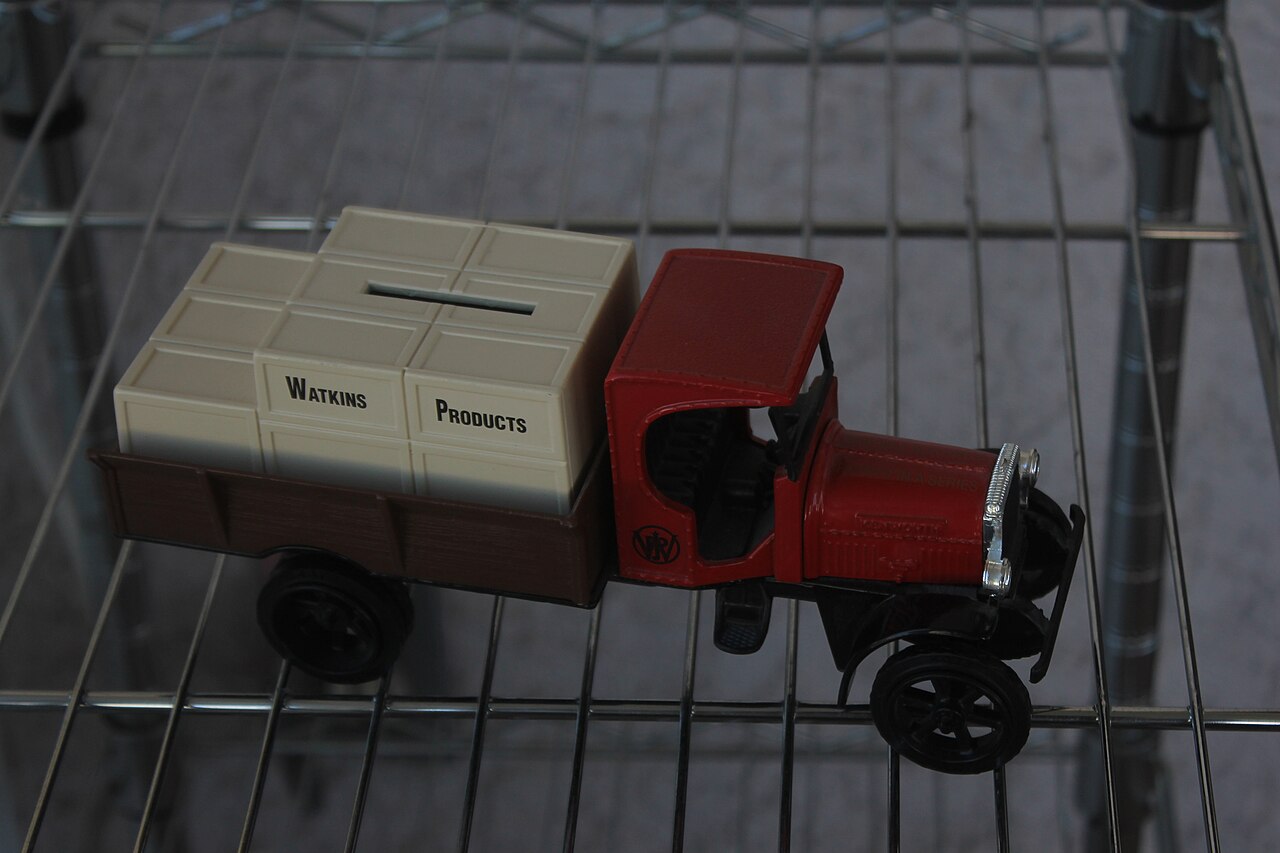
A shelf is a flat, horizontal or sloping plane used for displaying or storing items in various settings such as homes, businesses, and stores. It is raised off the floor and can be anchored to a wall, supported by brackets, columns, or pillars, or be part of furniture like cabinets and bookcases. Shelves are also known as counters, ledges, mantels, or racks.
Quick Facts
- Field
- Storage and display
- Materials
- Wood
- bamboo
- steel
- glass
- plastic
- or 3D-printed materials
- Types
- Floating shelf
- bookshelf
- pipe shelving
- pallet racking
Facts from the source article.
Lore & Background
The word shelf originates from late 14th century Middle English, derived from Old English scylfe, with cognates in Low German schelf and Old Norse -skjalf meaning bench. Shelves can be attached to walls, suspended from ceilings, or part of free-standing frames. They are typically arranged perpendicularly to vertical supports, with two to six shelves per unit. Adjustable shelving systems allow vertical spacing to be altered, and sloping shelves improve visibility of contents.
Reader's Guide
Shelves are fundamental to organization and display in domestic, commercial, and industrial contexts. Their design varies widely: from simple wall-mounted boards to heavy-duty pallet racking. Materials range from wood and steel to glass and plastic, with DIY options including repurposed items like old doors or 3D-printed components. Pipe shelving, using wood boards on gas pipe, is common in homes and businesses and can be modified for retail displays.
Proportions for wall-mounted shelves recommend widths no greater than 1.4 times the bracket's width and spacing no more than four times the shelf breadth between brackets. Screw depth in concrete walls should be at least one-tenth the shelf width. Shelves remain essential for storage, accessibility, and aesthetic presentation.
Did You Know?
- A shelf with hidden internal brackets is termed a floating shelf.
- Pipe shelving can be used in shipping container architecture and was used by Marriott Hotels & Resorts in a bar project.
- Sloping shelves help to make the contents of a shelf more visible.
Frequently Asked Questions
What is a Shelf (storage) and what does it do?
A shelf is a flat, horizontal or slightly angled surface that holds or displays objects above floor level. It can be fixed to a wall with brackets, stand on its own legs, or be built into larger pieces like cabinets and bookcases.
What materials are shelves typically made from?
Common shelf materials include wood, bamboo, steel, glass, and plastic, with 3D-printed options now appearing in modern designs. The choice of material often depends on the weight of the items being stored and the aesthetic of the room.
More in Furniture & Household Items
Sources
Compiled from Wikipedia and the sources listed below. Text from Wikipedia is available under CC BY-SA 4.0; this entry is adapted from it.
- Wikipedia: Shelf (storage) (CC BY-SA 4.0).
Spotted an error? Know more?
Reader corrections go straight into our review queue. Suggest an edit · How this site is sourced