Plate (dishware)
A broad, mainly flat vessel for serving food, used since antiquity.
Last updated

Andy Mabbett · CC BY-SA 4.0
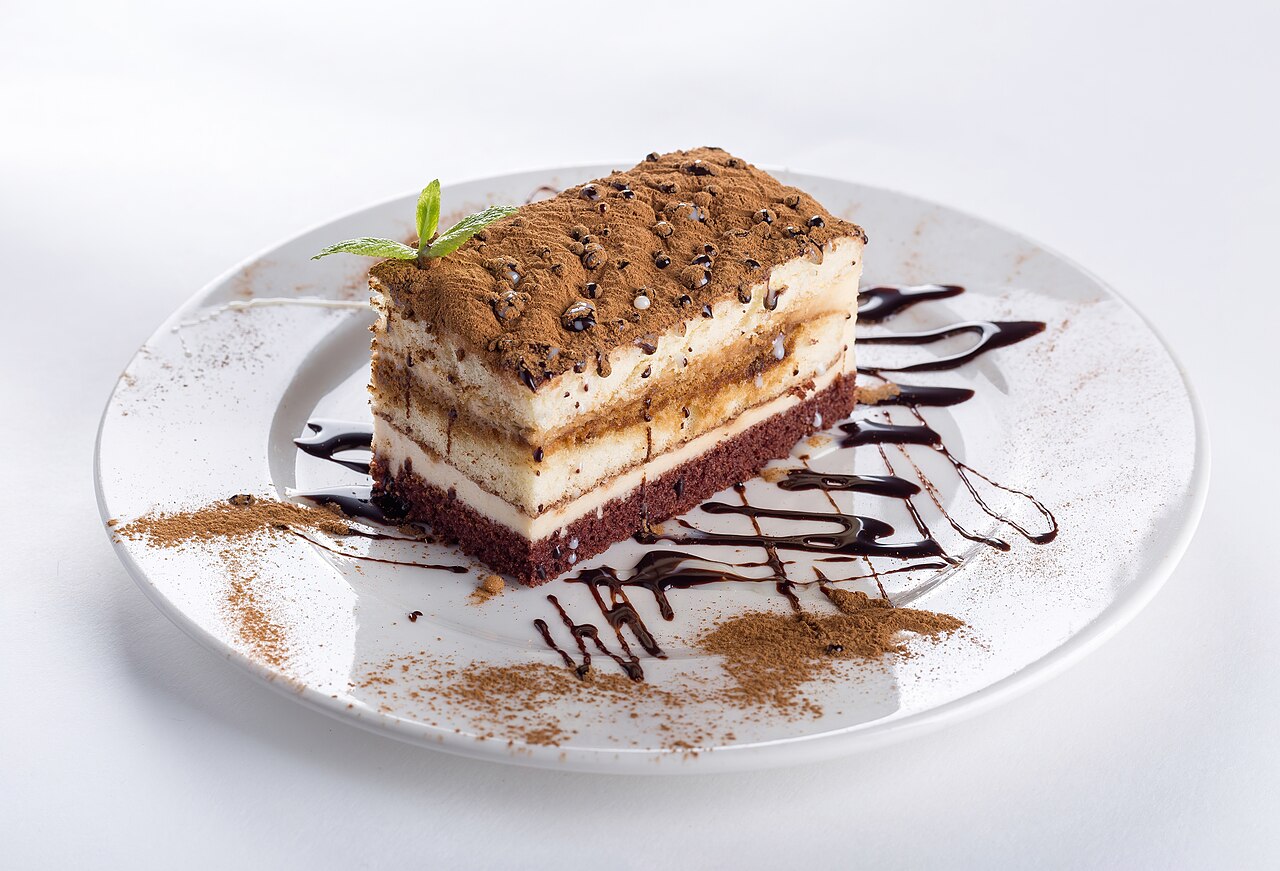
A plate is a wide, mostly flat vessel used for serving food, though it can also serve ceremonial or decorative purposes. While most plates are round, they can be any shape and be made from any waterproof or shatter-resistant material. The edges of plates are typically raised, either by curving upward or by having a wider lip or raised section.
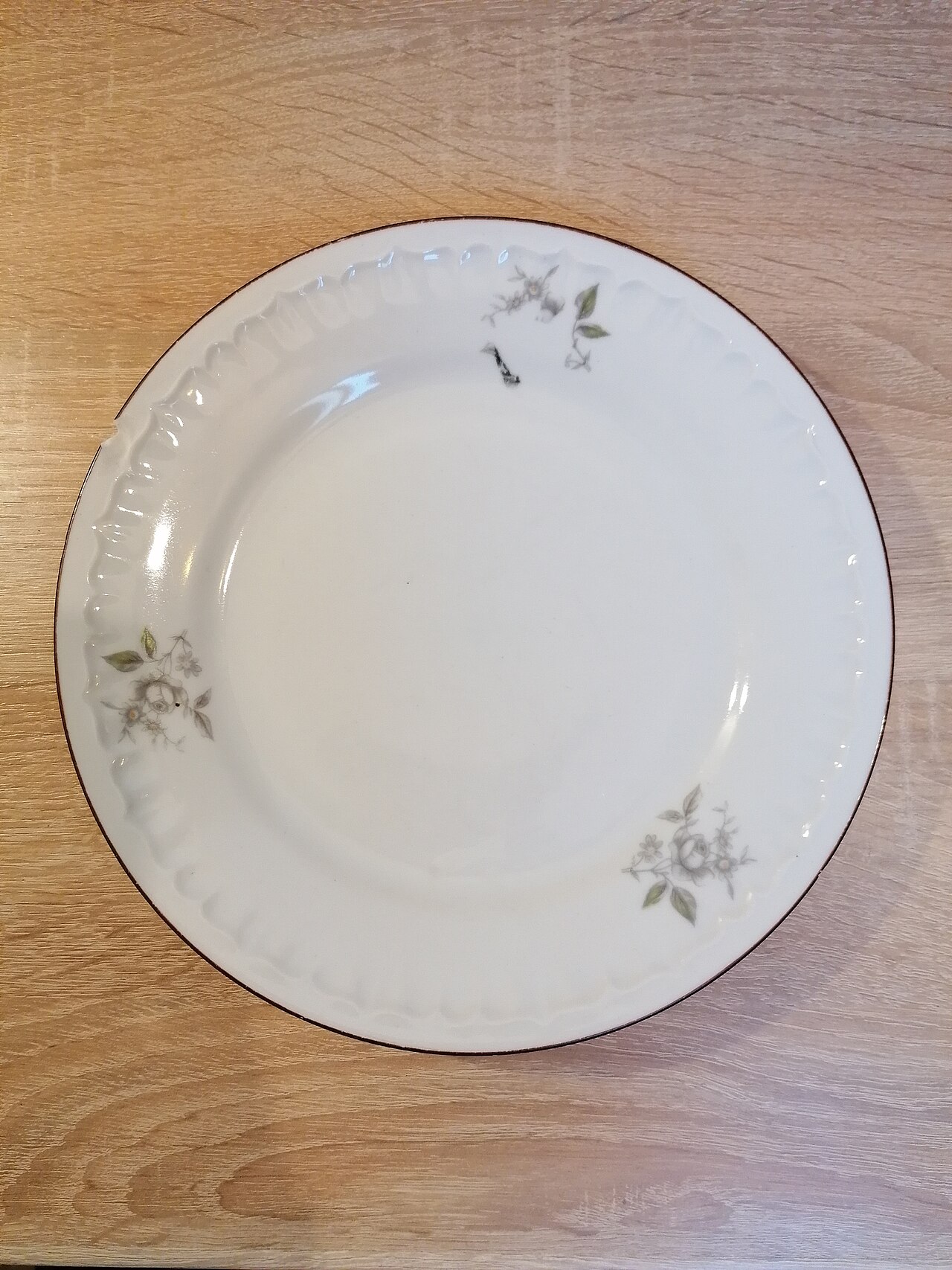
Vessels without a lip, especially those with a more rounded shape, are usually considered bowls or dishes, as are very large items that are otherwise plate-shaped. Plates are a type of dishware and tableware. Plates made from wood, pottery, and metal have existed in many cultures since ancient times.
Quick Facts
- Field
- Tableware; Dishware
- Common shape
- Round, with a raised lip or rim to prevent food from falling off
Facts from the source article.
Lore & Background
In Western culture and many other cultures, the plate is the typical vessel from which food is eaten and on which it is served, provided the food is not too high in liquid content, its primary alternative is the bowl. Some South Asian and Southeast Asian cultures use leaf plates made from the leaves of a variety of plants, including the banana leaf, pandan leaf, sometimes using underlying paper.
Parts of the bamboo plant, like sections of bambuseae leaves, bamboo shoot skin, and the paper (cf. Kaishi and Washi) are also used as plates in East Asian cultures. The usual wide and flat European raised lip is derived from old European metalwork plate shapes; Chinese ceramic plates usually just curve up at the edges, or have a narrow lip. A completely flat serving plate, only practical for dry foods, may be called a trencher, especially if in wood.
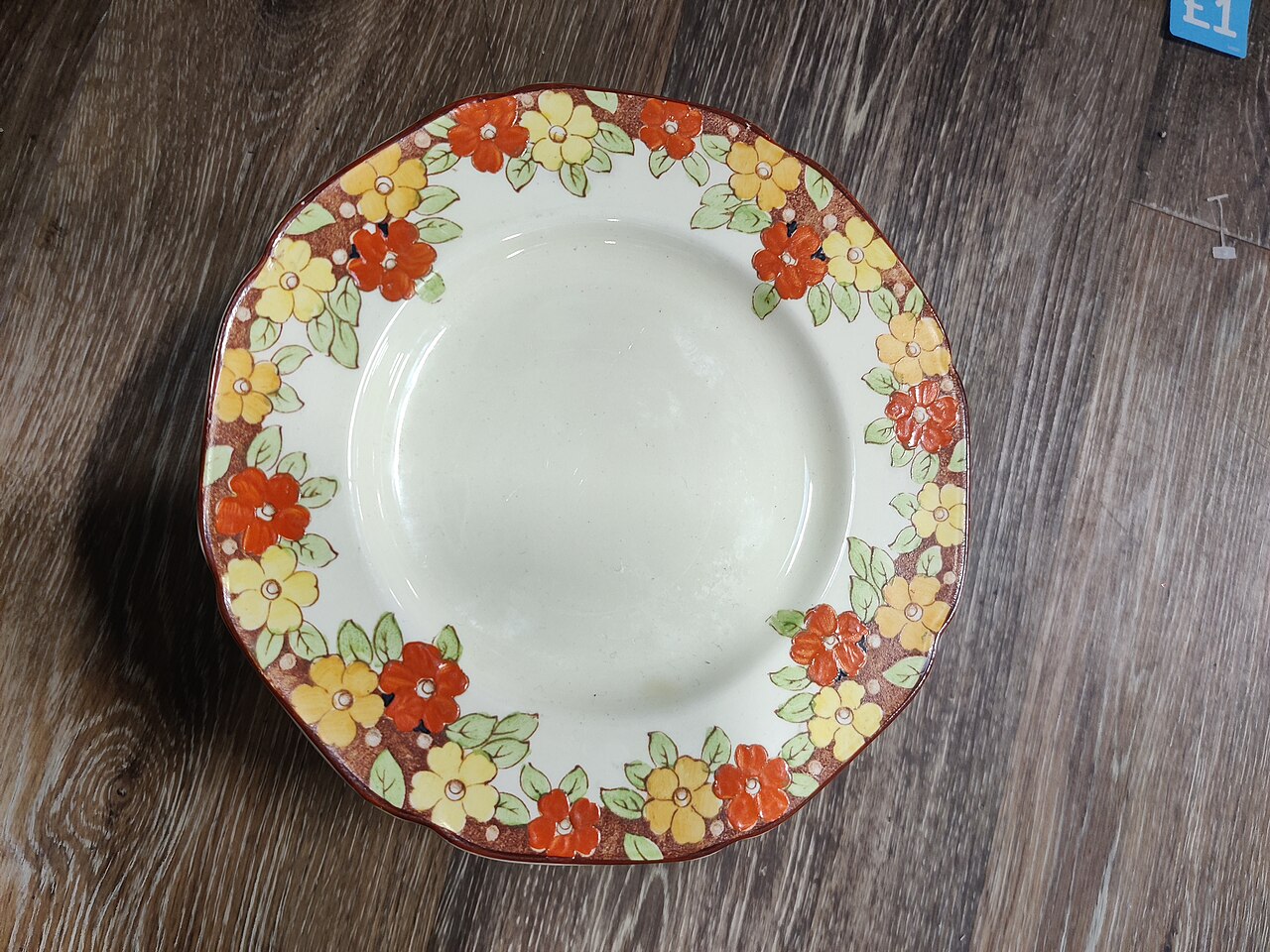
Cultural and Regional Diversity in Tableware
The way people eat and the objects they use to do so vary enormously across the world. In many Middle Eastern, Indian, and Polynesian food traditions, the concept of individual plates is largely absent; instead, food is served on shared dishes and diners use bread or leaves as their personal receptacles, often without any cutlery at all. South and Southeast Asian cultures similarly employ banana leaves as a natural serving surface. In China and Japan, the historical preference leaned toward lacquerware and later fine porcelain rather than the precious-metal plate that dominated European elite dining.
China in particular has always favored bowls over flat plates. Even the tools differ: chopsticks are fashioned from wood, bamboo, metal, ivory, or plastic, while porcelain spoons hold a special place in certain Asian dining traditions. These variations show that tableware is never a universal constant but a reflection of local cuisine, religious practice, and social custom.
From Trenchers to Porcelain: A Material History
The story of what people eat from spans millennia and is deeply tied to wealth, religion, and technology. In ancient and medieval Europe, the wealthy dined off silver or gold while the middling classes made do with pewter, a pattern stretching from the Greeks and Romans through the eighteenth century. Religious doctrine also shaped material choices: Muhammad's counsel against using gold at the table, echoing similar attitudes among Persian and Byzantine elites, spurred the growth of Islamic pottery as an alternative. In medieval kitchens, a trencher—a flat round of stale bread—served as a plate, with the soaked remnant eaten afterward or given as alms.
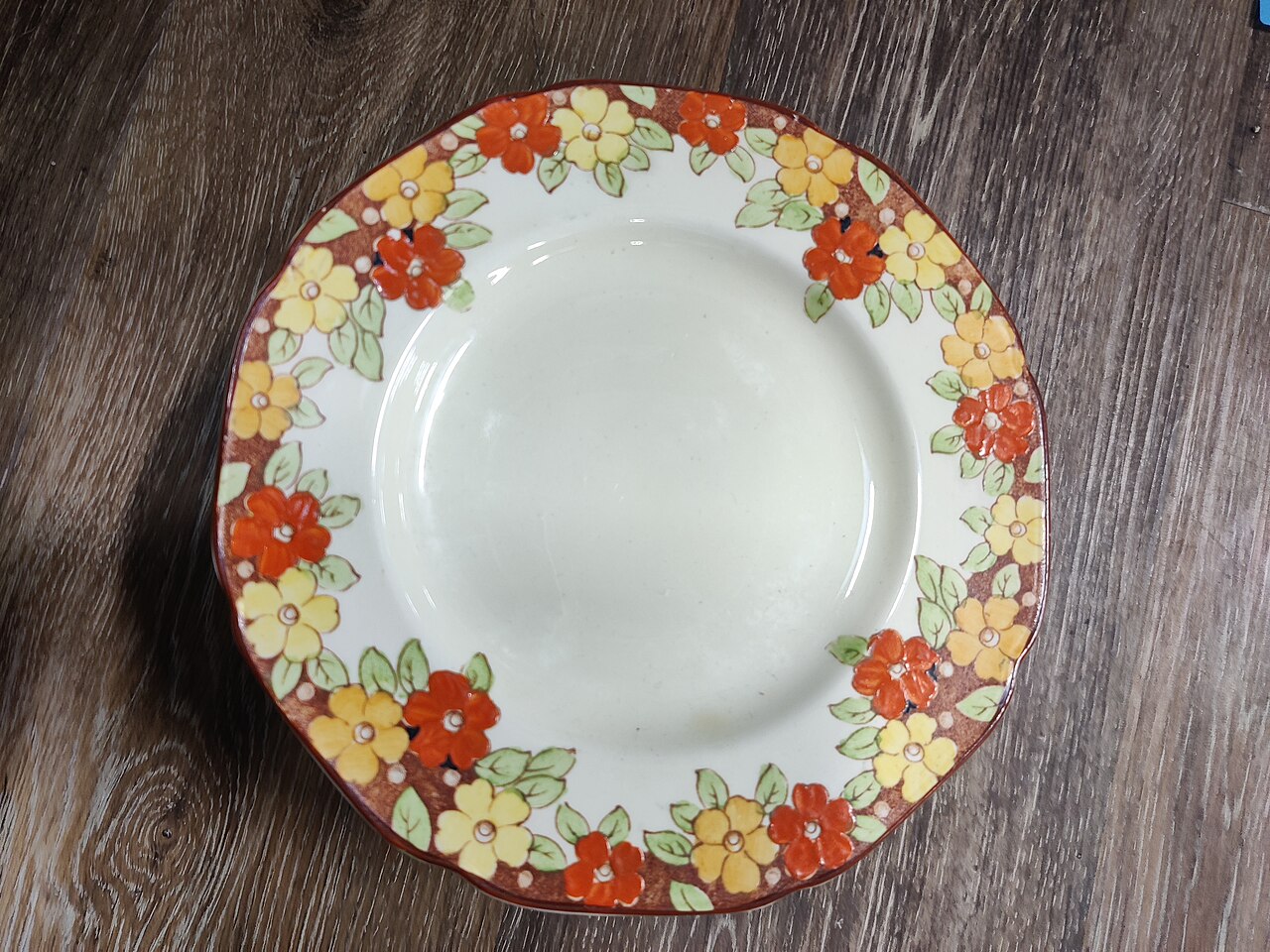
France did not fully abandon the trencher until the 1650s, while Italy had been using maiolica since the fifteenth century. The Este family wedding feast in Ferrara in 1565 reportedly used twelve thousand painted plates, though the top table likely ate from precious metal. Sumptuary laws often dictated which materials a person could display, making tableware a visible marker of social rank.
A Layered Vocabulary: Naming the Objects on the Table
The vocabulary surrounding tableware is surprisingly layered and regionally specific. In the United States, cutlery typically refers only to knives and cutting instruments, while forks, spoons, and similar items fall under silverware or flatware. Outside the US, however, cutlery encompasses all of those utensils, and flatware instead describes open-shaped dishware like plates, bowls, and dishes, as opposed to closed forms such as jugs and vases. Crockery is reserved for ceramic tableware, most often porcelain or bone china today.
A complete collection of matched dishes is called a table service, dinner service, or service set, and the individual arrangement for one diner is a place setting. In Ireland, the whole category is colloquially known as delph, a phonetic rendering of Delft, the Dutch town whose pottery once dominated the market. Serving methods also carry their own nomenclature, with silver service and butler service describing formal approaches to presenting a meal.
Global Markets and the Push Beyond Single-Use
The global tableware market has become a significant economic force. In 2020, the ceramic tableware segment alone was valued at approximately $2.22 billion, with China leading exports at $834 million, followed by Portugal, Germany, Thailand, and the United Kingdom. Industrialisation and advances in ceramic manufacturing transformed tableware from a luxury into an affordable commodity, sold by the piece or in matched sets of four, six, eight, or twelve place settings. Materials have diversified widely, encompassing earthenware, stoneware, bone china, porcelain, wood, lacquer, pewter, tempered glass, acrylics, melamine, and polypropylene.
Yet the rise of disposable single-use tableware—made from paper, plastic, wood, or bagasse—has raised environmental alarms. England is set to ban single-use plastic plates and cutlery from October 2023, the EU implemented a similar prohibition in July 2021, and Canada is considering comparable legislation. Meanwhile, traditional disposable items like the South Asian kulhar, an unglazed handle-less pottery cup, remind us that single-use dining is far from a modern invention.
Reader's Guide
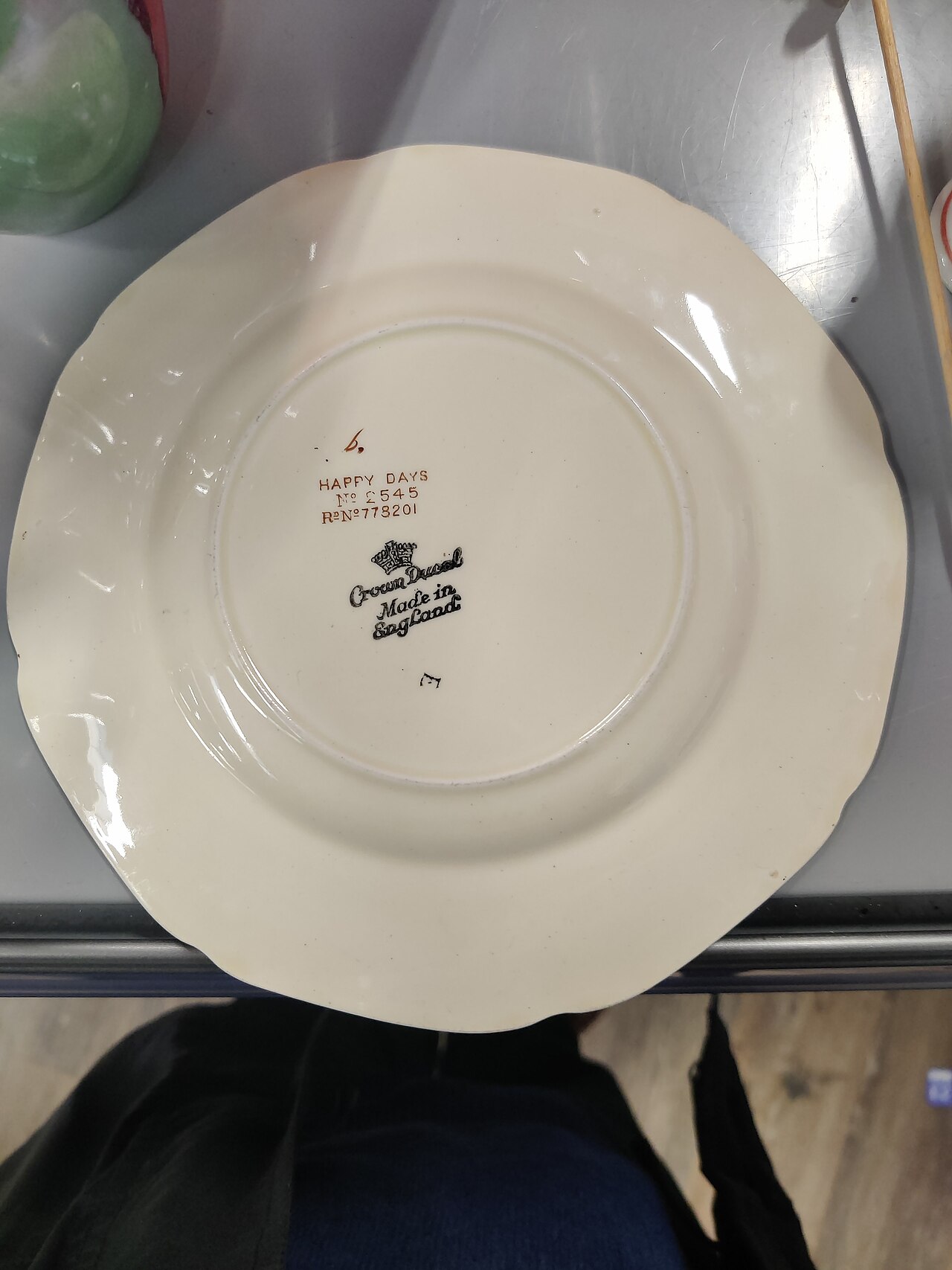
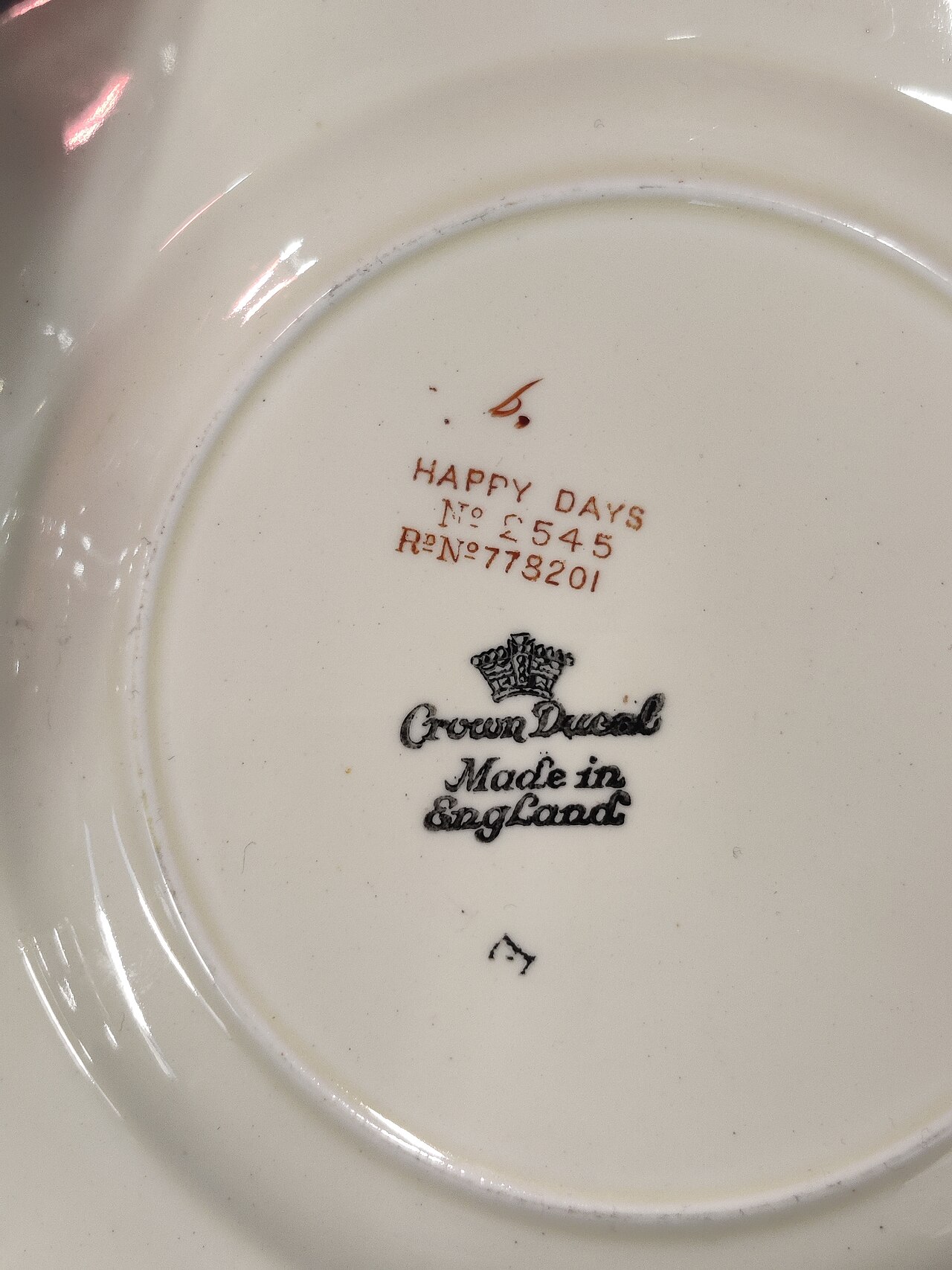
Plates are commonly made from ceramic materials such as bone china, porcelain, earthenware, and stoneware, as well as other traditional materials like glass, wood, or metal; occasionally, stone has been used. Despite a range of plastics and other modern materials, ceramics and other traditional materials remain the most common, except for specialized uses such as plates for young children. Porcelain and bone china were once luxurious materials but today can be afforded by most of the world's population. Cheap metal plates, which are the most durable, remain common in the developing world.
Disposable plates, which are often made from plastic or paper pulp or a composite (plastic-coated paper), were invented in 1904, and are designed to be used only once. Also melamine resin or tempered glass such as Corelle can be used. Modern plates for serving food come in a variety of sizes and types, such as: dinner plate (also full plate, meat plate, joint plate): large, 9 – 13 inch in diameter; only buffet/serving plates are larger.
This is the main (at times only) individual plate. During its disappearance in Europe that happened with the fall of the Roman Empire, trencher plates made of bread (or wood) were used. Regular plates returned to fashion at the French court under Francis I of France around 1536. Other types include dessert plate, side plate, salad plate, tea saucer, soup plate, breakfast plate, luncheon plate, platters, decorative plates, and charger.
Did You Know?
- The increase in the diameter of a typical dinner plate is estimated as 65% since 1000 AD.
- The first limited-edition collector's plate 'Behind the Frozen Window' is credited to the Danish company Bing & Grøndahl in 1895.
Frequently Asked Questions
What exactly is a plate in the world of dishware?
A plate is a broad, mostly flat vessel designed primarily for serving and consuming food. It also doubles as a ceremonial or decorative object in many settings.
What materials can a plate be made from?
Plates are crafted from a wide range of water- or shatter-resistant materials, including ceramic varieties like porcelain and stoneware, glass, wood, metal, stone, plastic, paper pulp, melamine resin, and tempered glass.
What are the common shapes and sizes of plates?
While the round form with a raised rim is the most iconic shape, plates can actually be made in virtually any shape. Diameters typically range from about 4.5 inches for small saucers up to 14 inches for large chargers.
More in Furniture & Household Items
Sources
Compiled from Wikipedia and the sources listed below. Text from Wikipedia is available under CC BY-SA 4.0; this entry is adapted from it.
- Wikipedia: Plate (dishware) (CC BY-SA 4.0).
Spotted an error? Know more?
Reader corrections go straight into our review queue. Suggest an edit · How this site is sourced