
Rocking chair
A chair with curved rockers for gentle back-and-forth motion.
Last updated

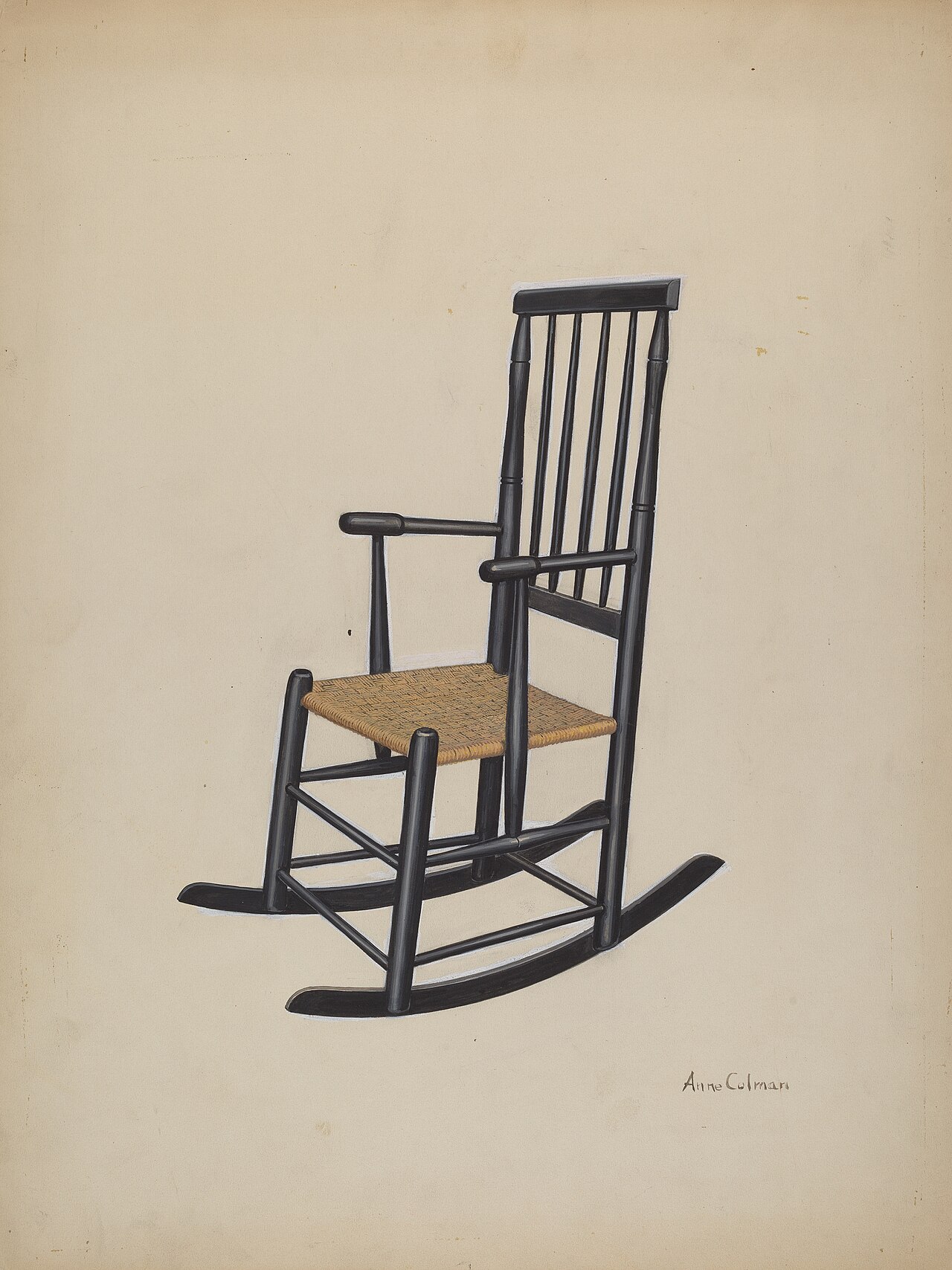
Anne Colman · CC0
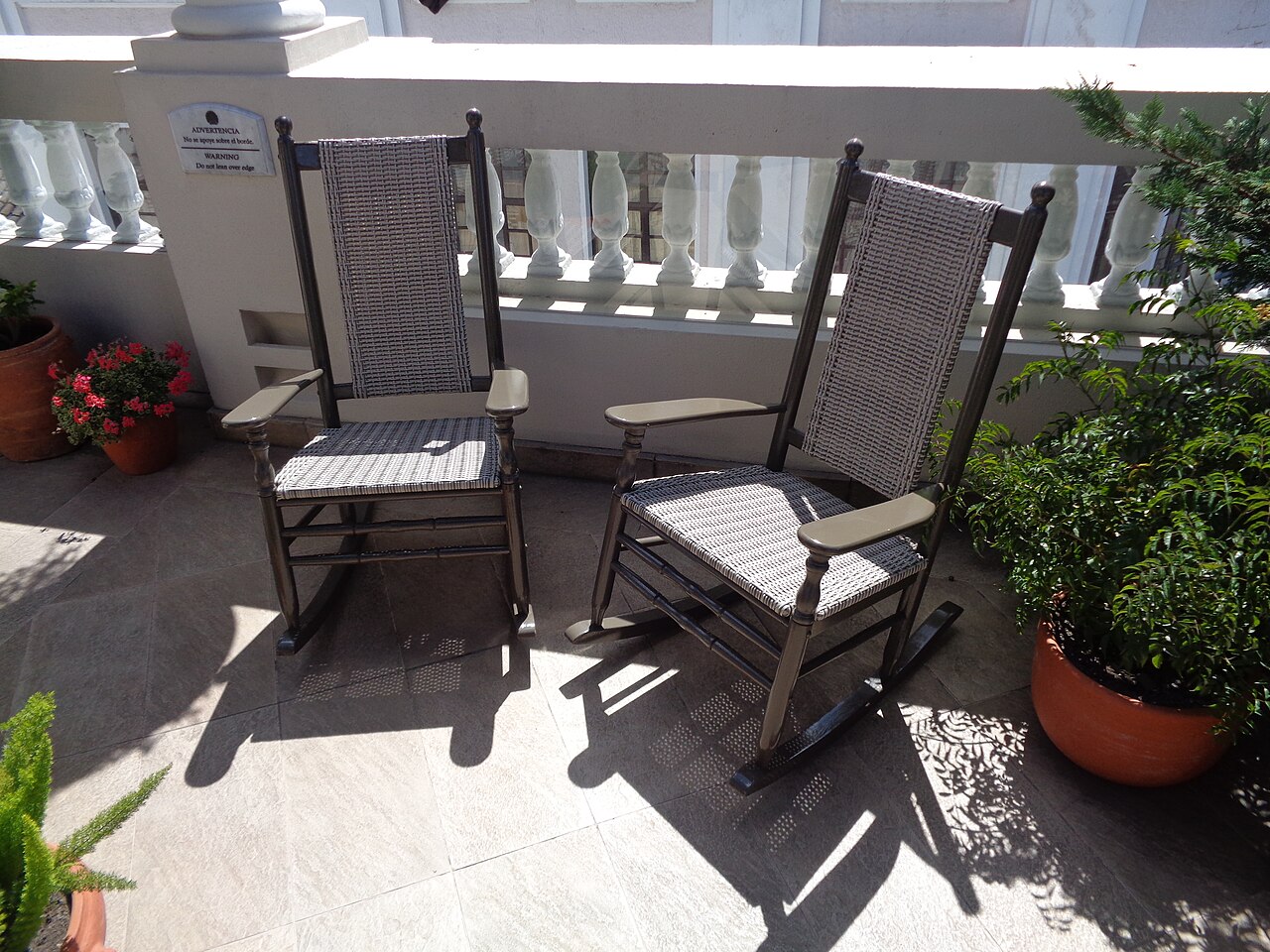
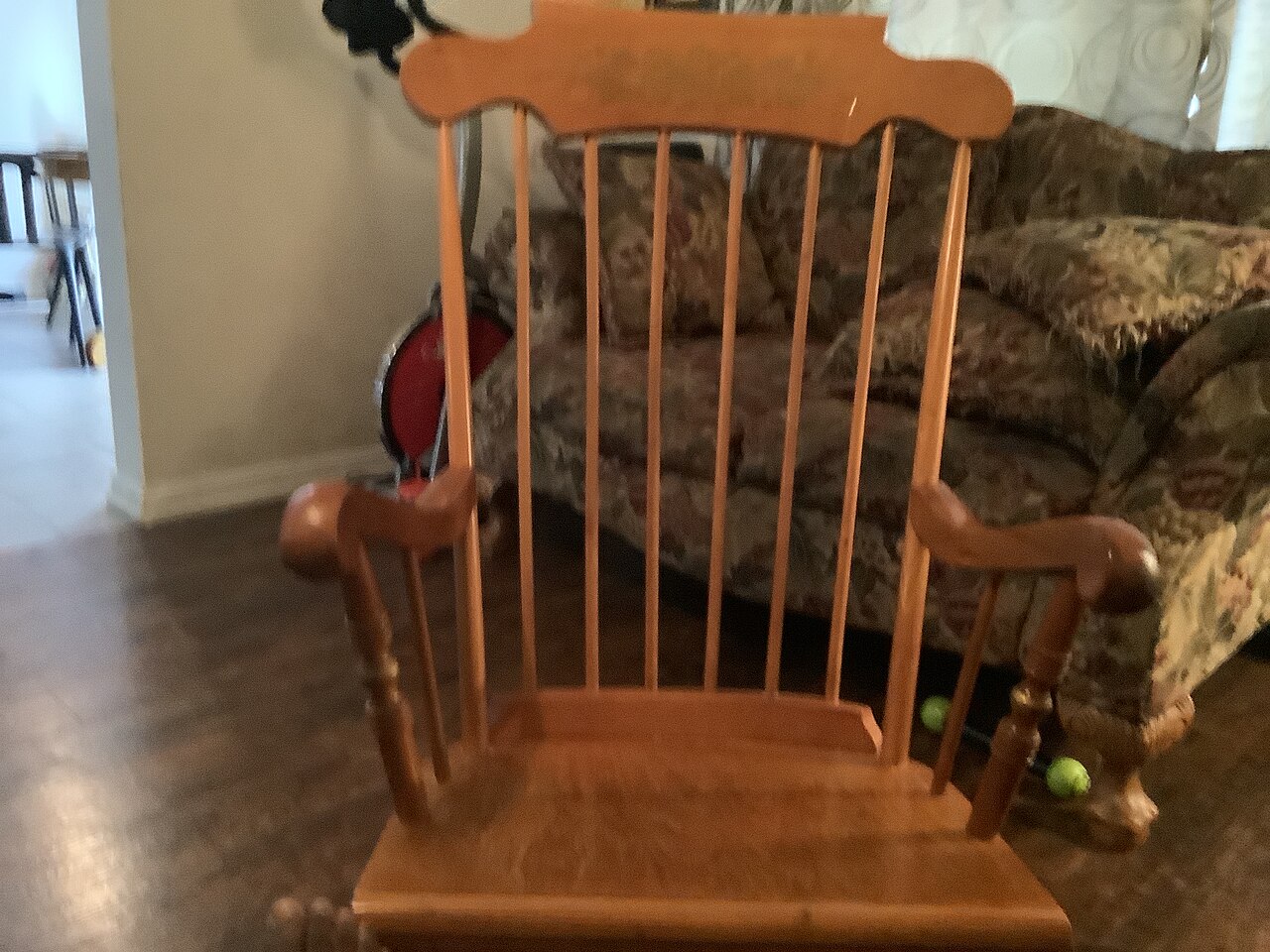
A rocking chair, also known as a rocker, is a type of chair with two curved bands (rockers) attached to the bottom of the legs, allowing the occupant to rock back and forth by shifting weight or pushing lightly with feet. Rocking chairs are most commonly made of wood, and some can fold. The gentle rocking motion is often used to soothe infants and help adults fall asleep faster.
Quick Facts
- Early origins
- North America, early 18th century
- Common material
- Wood
- Notable designers
- Peter Cooper
- Michael Thonet
- Sam Maloof
- Types
- Platform rocker
- glider
- bentwood
- Boston
- folding
- wicker
- pressed back
- ladder back
Facts from the source article.
Lore & Background
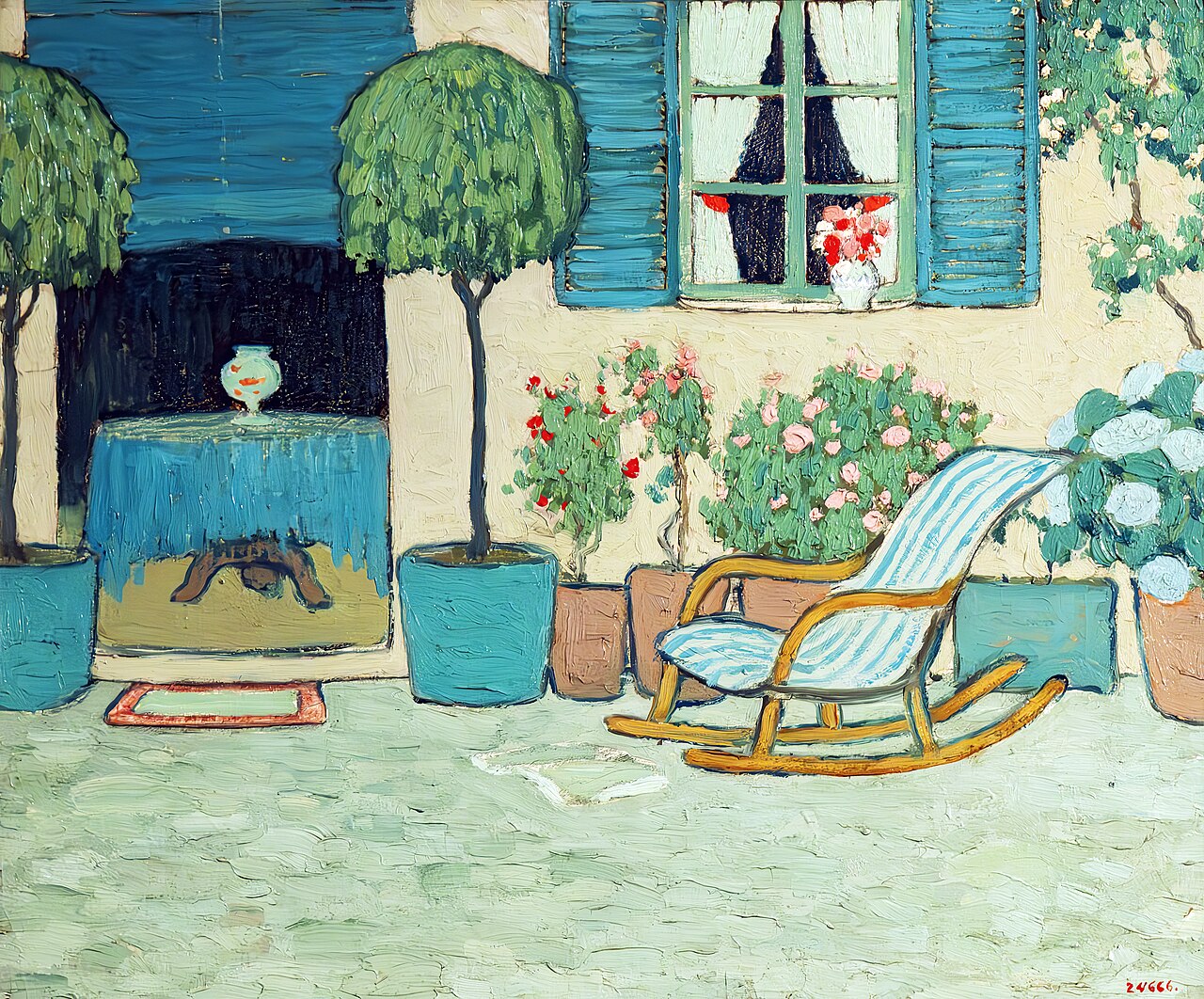
Rocking cradles predate rocking chairs, with an example found in the ruins of Herculaneum. Originally used in gardens, early rocking chairs appeared in England in 1725. Though American inventor Benjamin Franklin is sometimes credited with inventing the rocking chair, historians trace its origins to North America during the early 18th century, when Franklin was a child. Wicker rocking chairs peaked in production in America during the late 19th and early 20th centuries.
During the 1830s, Peter Cooper designed the first steel chair in America, though it is not widely established as a rocking chair. Michael Thonet created the first bentwood rocking chair in 1860, influenced by Biedermeier and Rococo Revival styles. Folding rocking chairs became popular in the 1920s, and by the 1950s, Sam Maloof's rocking chairs became famous for their durability and ski-shaped rockers.
Reader's Guide
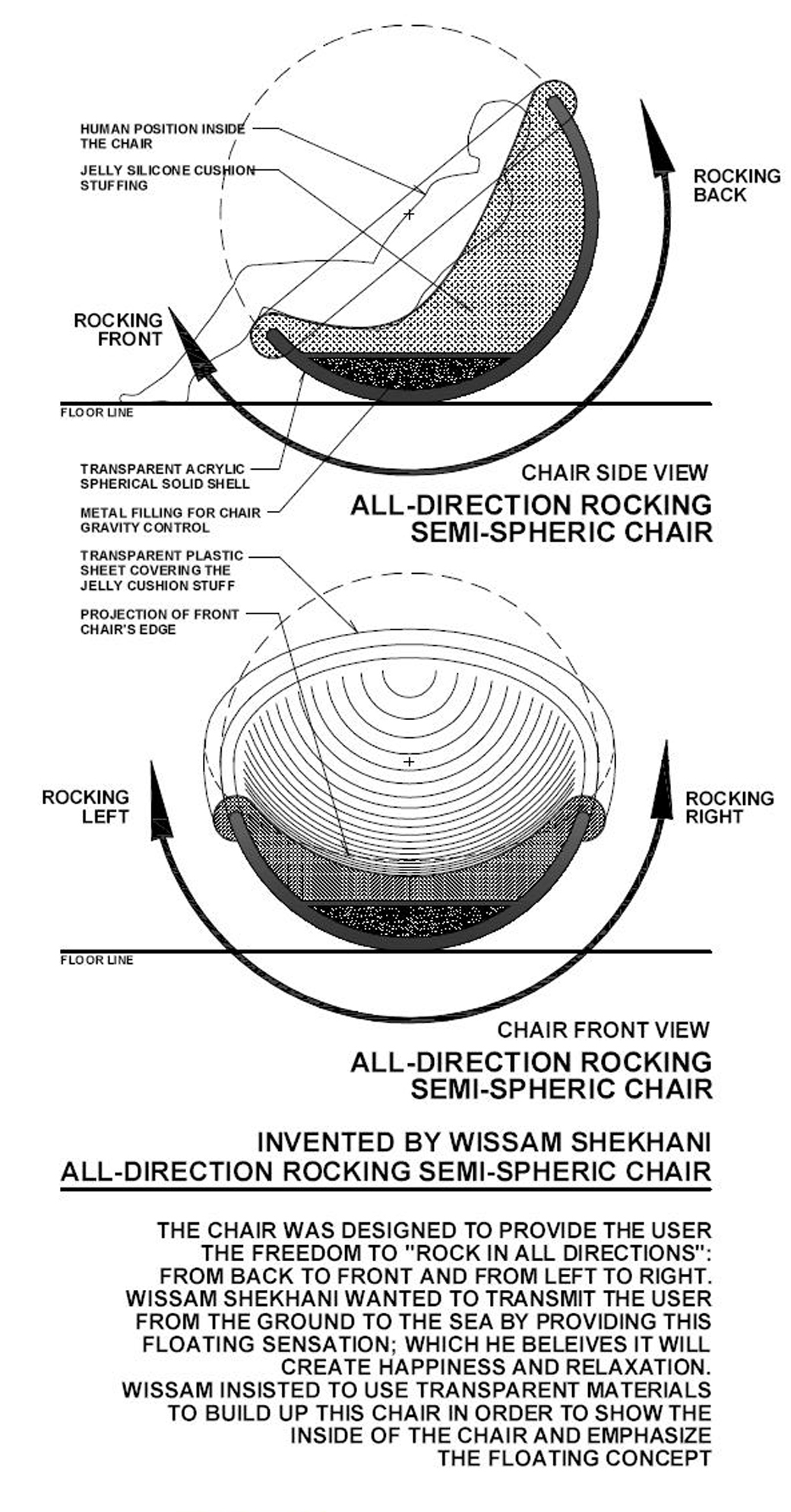
Rocking chairs hold significance as both functional furniture and cultural symbols of comfort and parenting. The gentle rocking motion has been shown to provide faster onset of sleep than remaining stationary, mimicking the process of a parent rocking a child to sleep. Historically, rocking chairs evolved from simple garden chairs with attached rockers to diverse forms such as Peter Cooper's iron-frame chair, Michael Thonet's lightweight bentwood design, and Sam Maloof's durable ski-shaped rockers.

The term 'rocking chair' first appeared in 1766. Varieties include platform rockers, gliders, folding chairs, wicker sets, pressed back, and ladder back styles. Rocking chairs remain popular for their soothing motion and have been produced in materials from wood to steel and wicker, reflecting changing tastes and manufacturing techniques over centuries.
Frequently Asked Questions
Who is Rocking chair?
Rocking chair is a seated furniture piece featuring two curved bands (called rockers) fixed beneath the legs, enabling a gentle back-and-forth sway. The term first appeared in written records around 1766, and the design traces back to early 18th-century North America.
What types of Rocking chair exist?
Common variants include the platform rocker, glider, bentwood, Boston, folding, wicker, pressed back, and ladder back styles. Most are crafted from wood, though some versions incorporate wicker or other materials, and a subset can be folded for compact storage.
More in Furniture & Household Items
Sources
Compiled from Wikipedia and the sources listed below. Text from Wikipedia is available under CC BY-SA 4.0; this entry is adapted from it.
- Wikipedia: Rocking chair (CC BY-SA 4.0).
Spotted an error? Know more?
Reader corrections go straight into our review queue. Suggest an edit · How this site is sourced