Shower
A bathing device using a spray of water for hygiene.
Last updated

Kritzolina · CC BY-SA 4.0
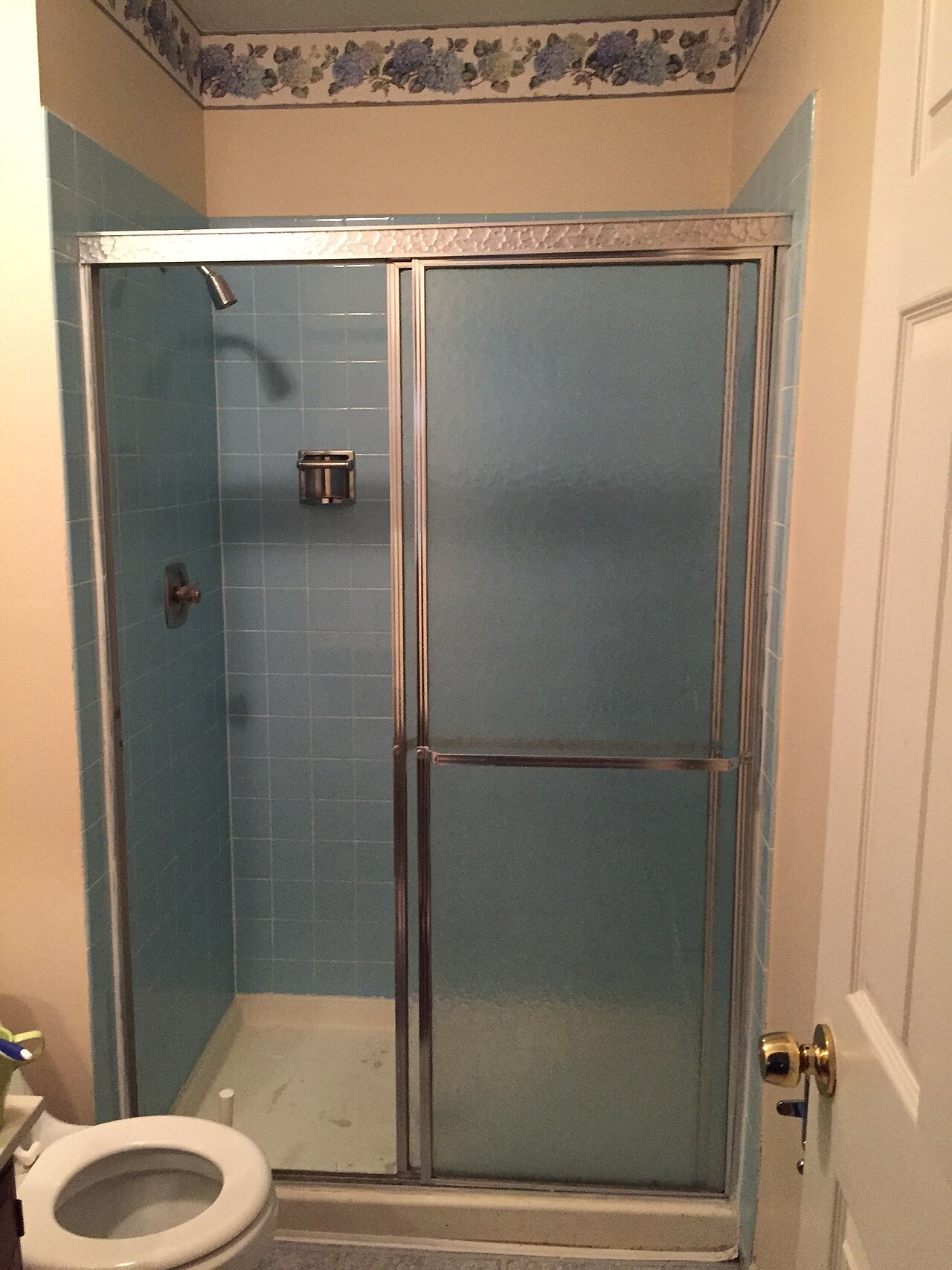
A shower is an area where someone bathes beneath a spray of water, usually warm or hot. When indoors, the floor includes a drain. Most showers allow the user to adjust the water temperature, spray pressure, and the angle of the showerhead nozzle.
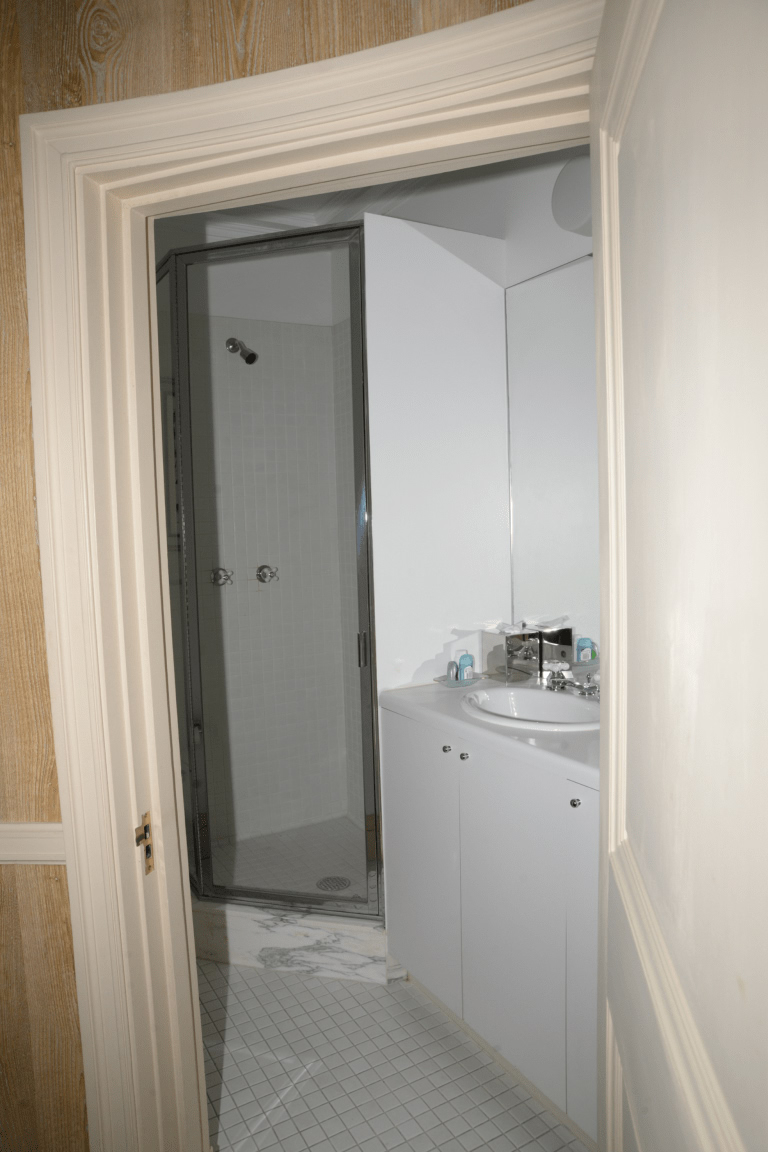
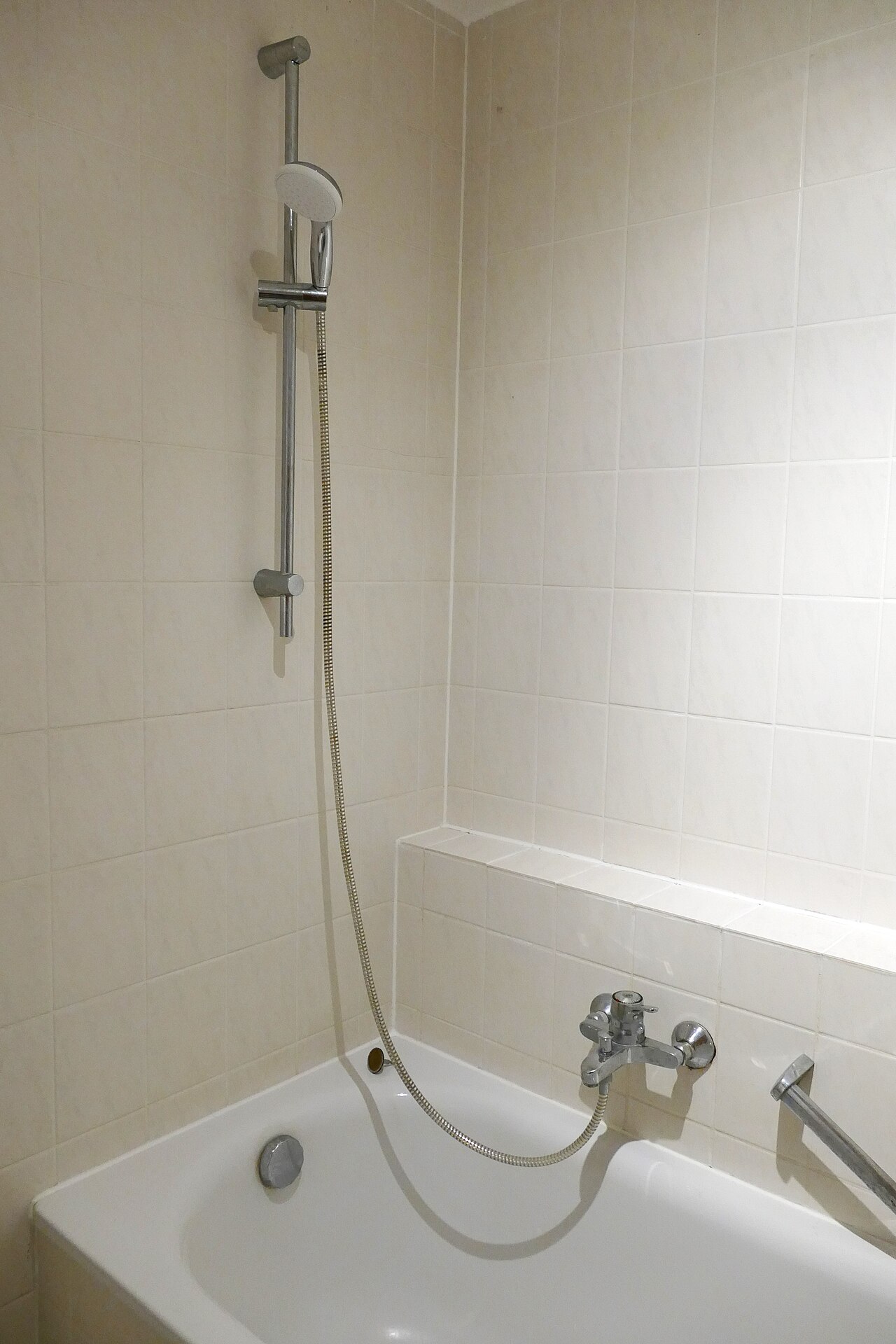
The simplest models feature a swivelling nozzle that points downward, while more complex ones have a showerhead attached to a hose with a mounting bracket, letting the person hold it by hand to direct water to different parts of the body. A showerhead can be placed in a small shower stall or inside a bathtub, with a plastic curtain or door to contain the spray. Showering is popular because it is more efficient than using a bathtub, so it is a common hygiene practice.
History
Historically, natural waterfalls served as primitive showers, rinsing bathers completely and being more efficient than basin bathing, which required carrying fresh and waste water by hand. Ancient people imitated this by pouring jugs of cold water over themselves after washing. Evidence shows that upper-class Egyptians and Mesopotamians had indoor shower rooms where servants bathed them in private, though these were primitive, with basic drainage and water carried in rather than pumped. The ancient Greeks built showers with aqueducts and lead pipes that pumped water into and out of large communal rooms used by both elites and common citizens.
Such rooms have been found at Pergamum and appear in pottery, resembling modern locker-room showers with hooks for clothing. The Romans followed this practice, with their famous bathhouses across the Mediterranean and as far as England. They bathed several times a week or daily, but their water and sewage systems collapsed after the Roman Empire fell.
Modern showers
The first known mechanical shower, using a hand pump, was patented in England in 1767 by William Feetham, a stove maker. It pumped water into a vessel above the user’s head, released by pulling a chain.
This eliminated the need for servants to carry water, but it failed to catch on with the wealthy because there was no way to pipe hot water, and the system recycled the same dirty water. Around 1810, an anonymous English Regency design improved on this. Over 10 feet tall, it was made of metal pipes painted to look like bamboo, with a basin above feeding a nozzle that sprayed water over the user’s shoulders.
Quick Facts
- First mechanical shower patented
- 1767
- Patent holder
- William Feetham
- Location of patent
- England
- Inventor of shower cabin
- Aleksander Edward Kierzkowski
Facts from the source article.
Lore & Background
Waterfalls have historically been used as primitive forms of showers. Ancient people began to reproduce these natural phenomena by pouring jugs of water over themselves after washing. Evidence exists of early upper-class Egyptian and Mesopotamians having indoor shower rooms where servants would bathe them.

Ancient Greeks had showers with aqueducts and lead pipes, discovered at the site of Pergamum and depicted in pottery. The ancient Romans also followed this convention, with bathhouses found around the Mediterranean and as far as modern-day England. The water and sewage systems developed by the Greeks and Romans broke down after the fall of the Roman Empire.
The first known mechanical shower, operated by a hand pump, was pate

Reader's Guide
The shower represents a significant evolution in personal hygiene, moving from natural waterfalls to sophisticated indoor plumbing. Its development reflects broader technological and social changes, from ancient communal systems to modern private installations. The efficiency of showering compared to bathing in a tub made it a common practice, especially as water and sewage systems improved.
The introduction of mechanical showers in the 18th century, though initially limited by the lack of hot water piping and water recycling, paved the way for later innovations. The 19th century saw key advances: the shower cabin, reliable indoor plumbing, and the adoption of communal showers in military and prison settings for economic and hygienic reasons. These institutional uses demonstrated the shower's practicality and helped spread its acceptance.
The shower's legacy is its ubiquity in modern life, found in domestic bathrooms, public facilities, and specialized settings like emergency showers in laboratories. Its design continues to vary, from simple stall showers to complex digital systems, but the core principle of a directed spray of water for efficient cleaning remains unchanged. The historical arc from ancient Greek and Roman communal showers to modern private stalls illustrates a shift in bathing culture, yet the fundamental need for efficient water-based cleansing endures.
Did You Know?
- The first shower in a public bathhouse was in 1887 in Vienna.
Frequently Asked Questions
Who is Shower?
A shower is a bathing fixture that delivers a directed spray of water—usually warm or hot—over the user's body for personal hygiene. Indoors, the floor is fitted with a drain to manage the runoff.
What are Shower's known variants?
A showerhead can sit inside a small enclosed stall or be mounted within a bathtub, with a plastic curtain or door keeping the spray contained. The core mechanism—adjustable overhead water delivery—stays consistent across both configurations.
More in Furniture & Household Items
Sources
Compiled from Wikipedia and the sources listed below. Text from Wikipedia is available under CC BY-SA 4.0; this entry is adapted from it.
- Wikipedia: Shower (CC BY-SA 4.0).
Spotted an error? Know more?
Reader corrections go straight into our review queue. Suggest an edit · How this site is sourced