Paper cup
Disposable cup developed for hygiene in the early 20th century.
Last updated

Dquai · CC BY-SA 4.0
Paper cups are disposable containers made from paper, typically coated with plastic or wax to stop liquids from leaking or soaking through. Their use in shared spaces became more common due to hygiene concerns following the acceptance of germ theory. Modern versions may be made from recycled paper because of environmental worries.
History
The concept dates back to imperial China, where paper was invented by the 2nd century BC. Known as chih pei, these cups were used for tea and came in various sizes and colors, often decorated. Textual evidence describes them among the possessions of the Yu family in Hangzhou.
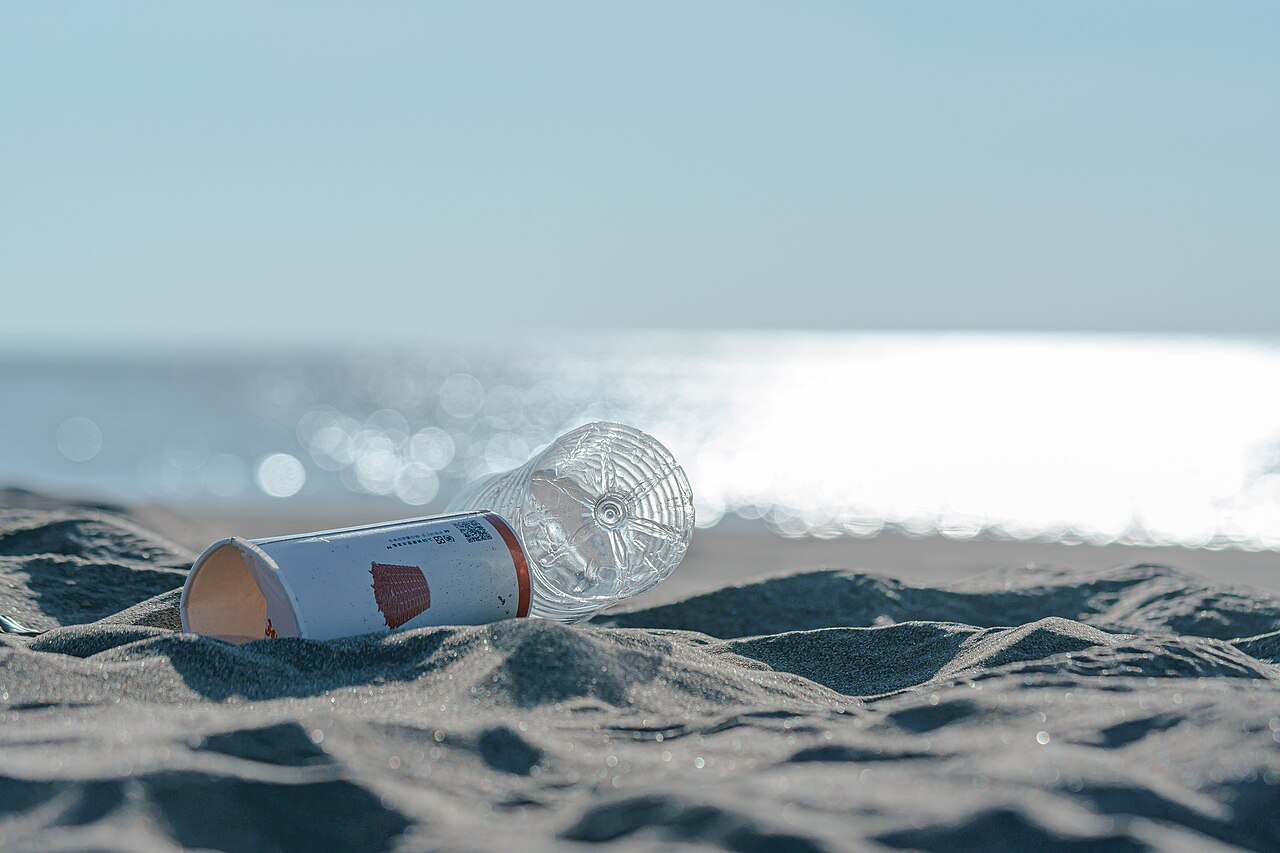
The modern paper cup emerged in the early 20th century. Before that, public water sources like school faucets and train barrels used shared glasses or dippers, raising health alarms. In August 1908, biology professor Alvin Davison published a study titled "Death in School Drinking Cups" in Technical World Magazine, based on research in Easton, Pennsylvania’s public schools. The Massachusetts State Board of Health reprinted and distributed it in November 1909.
These concerns, along with the 1908 invention of the Dixie Cup, made disposable paper goods cheap and clean. Local bans on shared cups were passed in the U.S. The Lackawanna Railroad was among the first American railways to adopt paper cups in 1909. By 1917, public glasses had vanished from American train carriages, even where not yet banned.
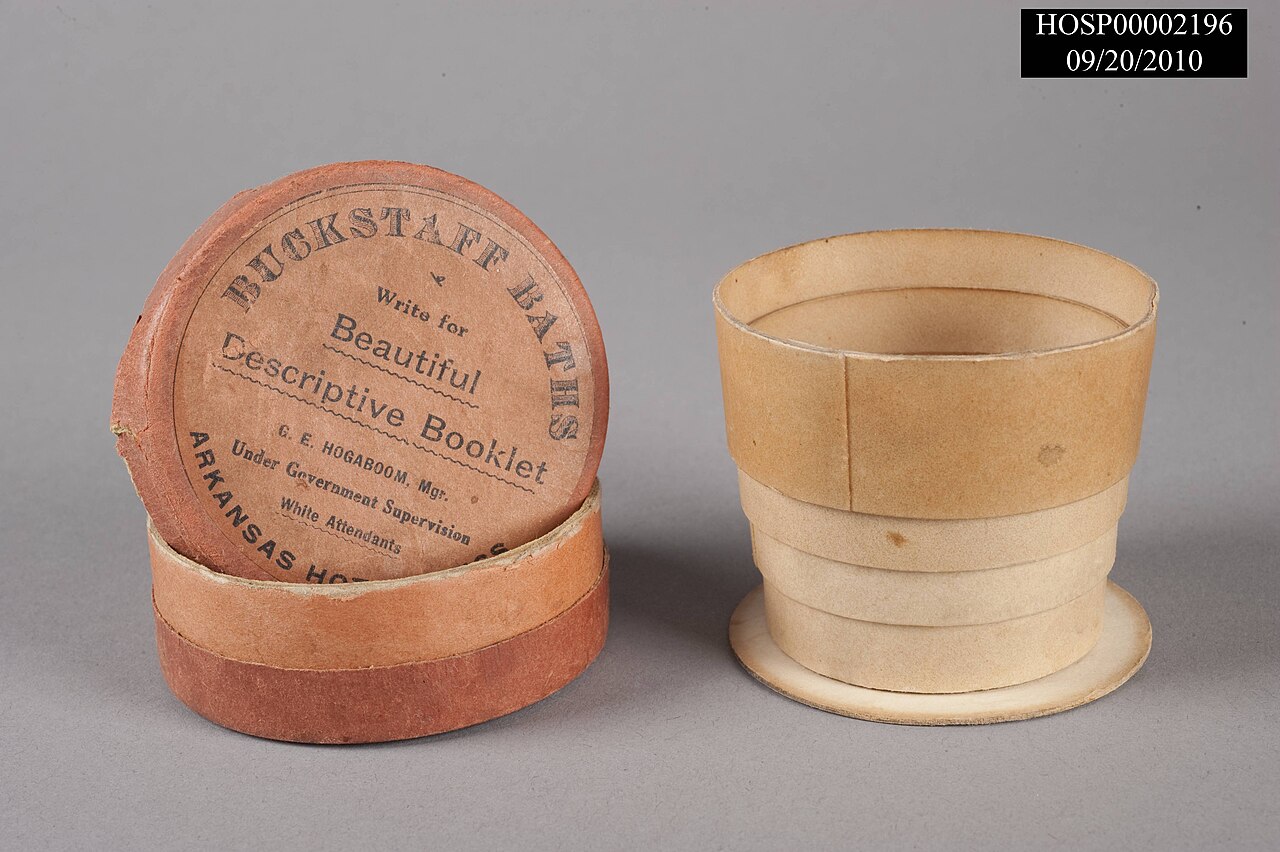
Hospitals also adopted paper cups for health reasons. A 1942 study by Massachusetts State College found that using washable, sanitized glasses cost 1.6 times as much as single-service paper cups. These findings, plus reduced cross-infection risk, encouraged their use in U.S. hospitals.
Dixie cups
The Dixie Cup brand began in 1907 when Boston inventor Lawrence Luellen, worried about germs from shared drinking cups, created a disposable paper cup and an ice-cooled water vending machine. With Hugh Moore, he launched an advertising campaign targeting railroads. Davison’s study helped eliminate public glasses, opening the market. The machines, dispensing cool water for a cent, became standard on U.S. trains.
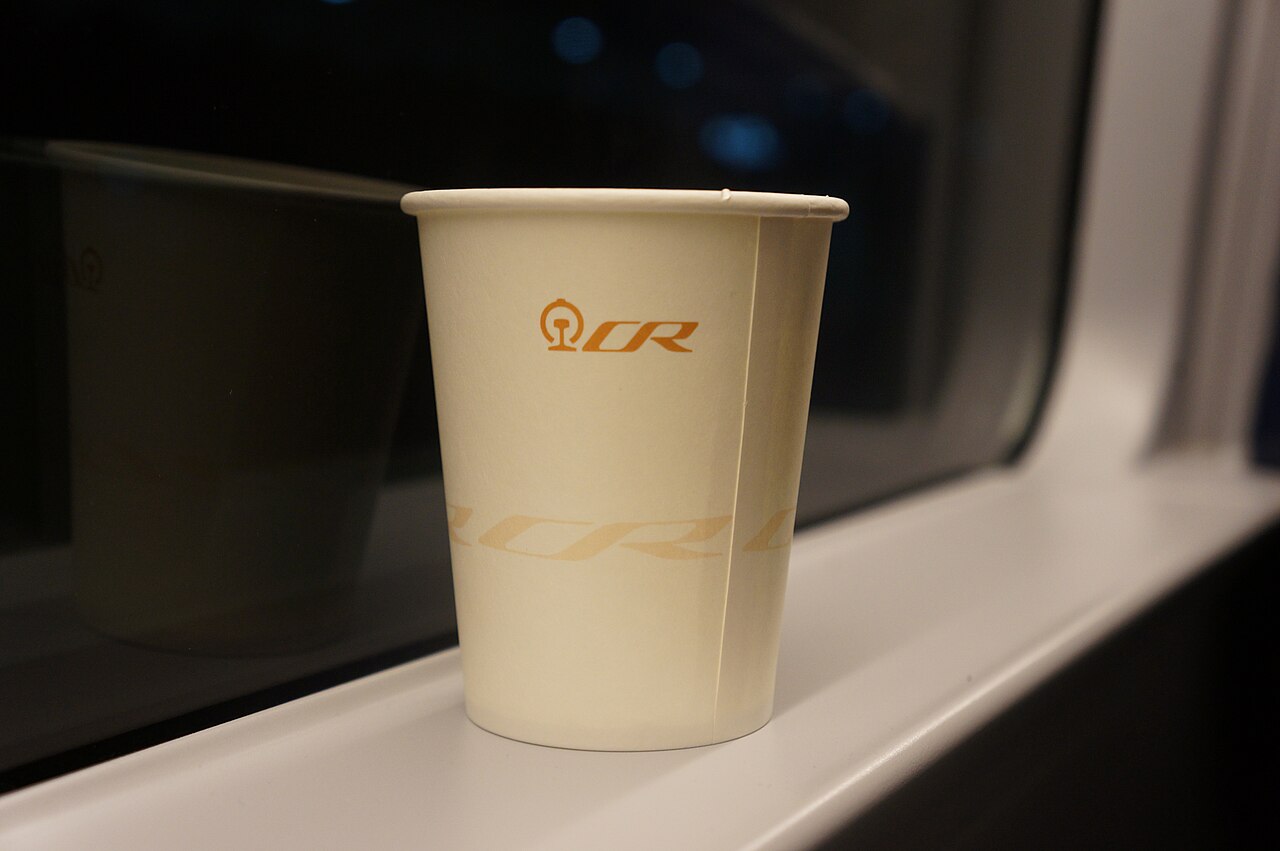
In 1908, Luellen started the American Water Supply Company of New England in Boston, producing both cups and vendors. To expand, he formed the American Water Supply Company of New York and of New Jersey with Moore, handling sales and distribution.
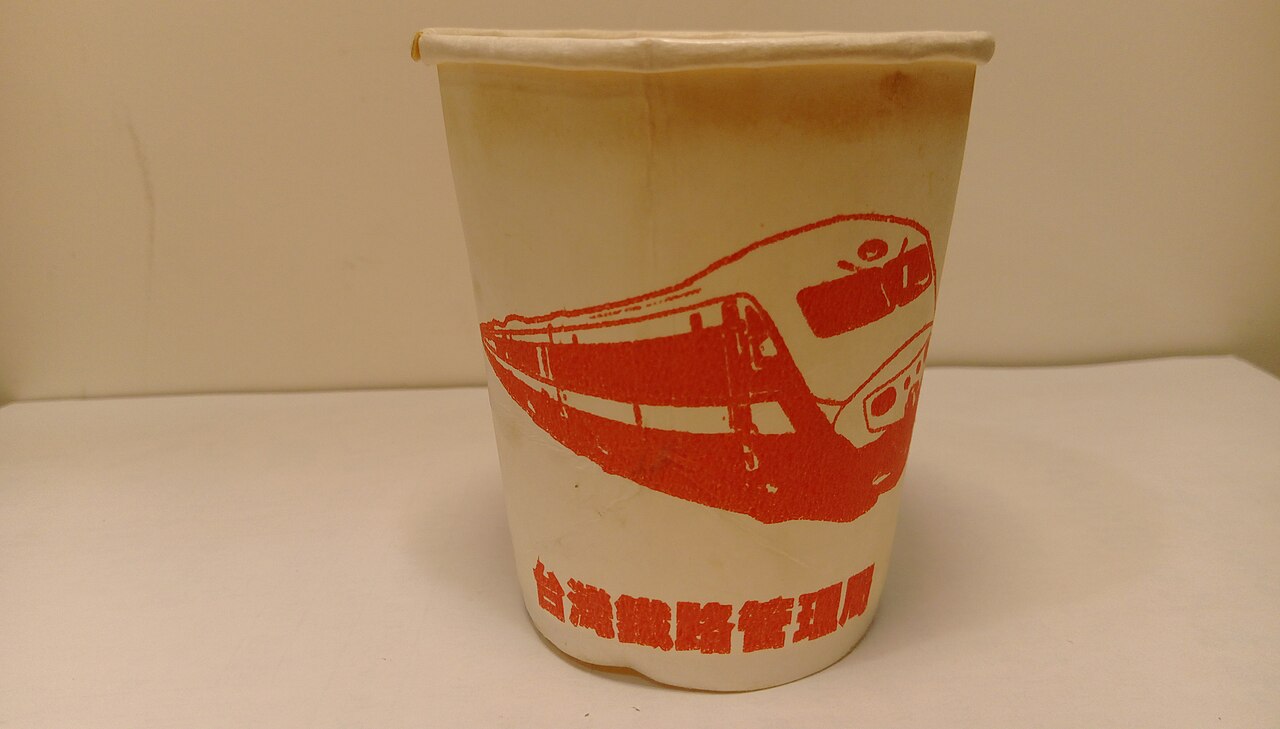
In 1909, they founded the Public Cup Vendor Company in New York to lease machines, mainly to railroads. After many states banned shared cups, steady orders arrived. Success led them to incorporate as the Individual Drinking Cup Company of New York in 1910.
Originally called "Health Kup," the cup was renamed Dixie Cup in 1919 after a line of dolls by Alfred Schindler’s Dixie Doll Company in New York. The company, after several name changes, became the Dixie Cup Corporation and moved to a factory in Wilson, Pennsylvania, topped with a large cup-shaped water tank (removed on April 30, 2026). In 1957, Dixie merged with the American Can Company. James River Corporation bought American Can’s paper business in 1982, and those assets are now part of Georgia-Pacific, a subsidiary of Koch Industries.
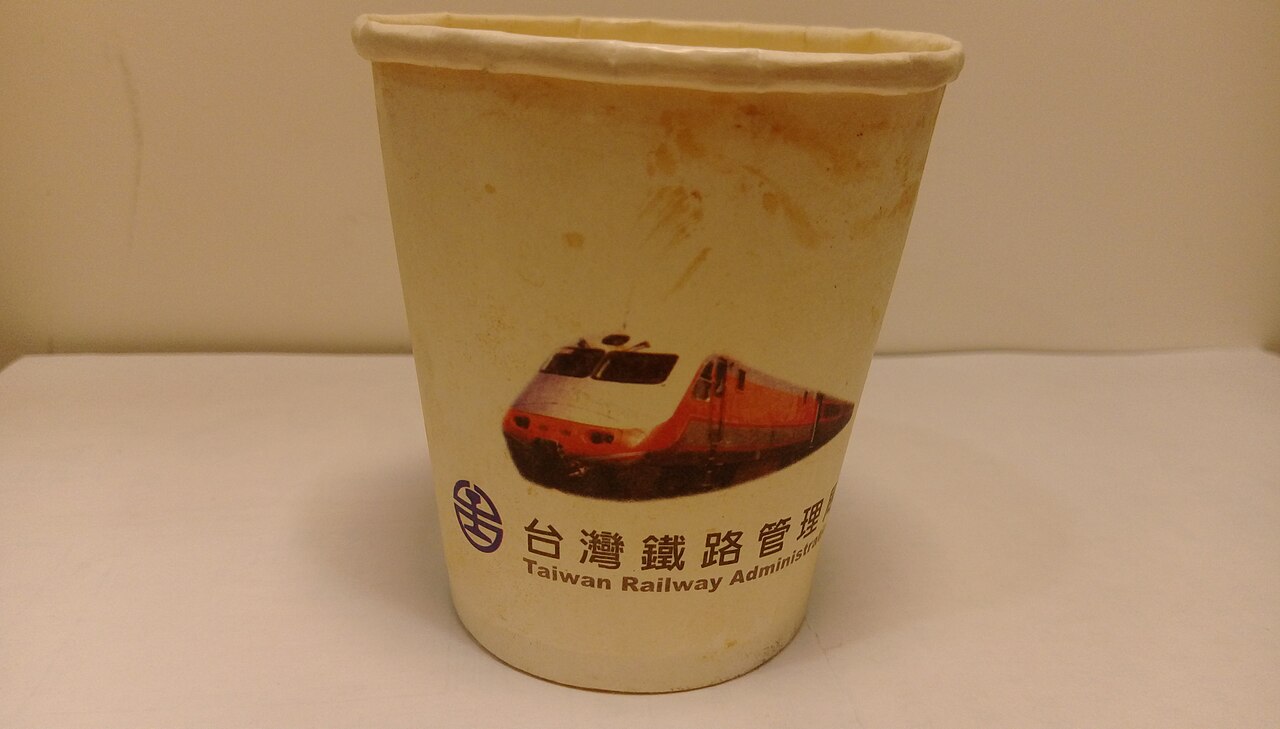
Production moved to a modern factory in Forks, Pennsylvania, in 1983, leaving the Wilson factory vacant. This closure led Conrail to abandon the Easton & Northern railroad branch, whose last major customer was Dixie Cups. The Dixie Cup logo was designed in 1969 by graphic designer Saul Bass, known for movie title sequences.
A variation of the coupon collector’s problem—requiring two (or more) of each coupon instead of one—is sometimes called the Dixie cup problem, inspired by children collecting complete sets of pictures from cup covers and trading with each other.
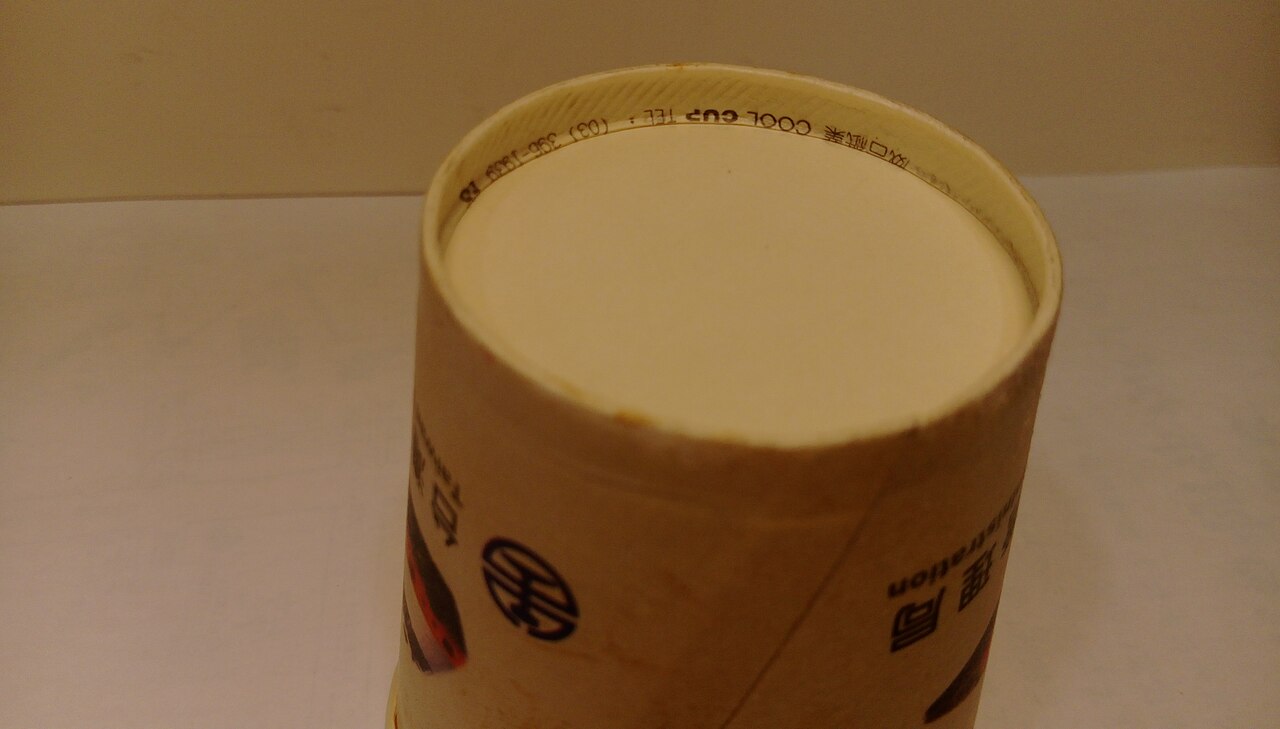
Early advertisements
Early Dixie Cup advertisements embraced modern ideals, marketing to people wanting to improve their lives and follow new trends. One slogan, used for years, was: "This is the sanitary age—the age of Dixie Cups."
Quick Facts
- First documented use
- early 20th century
- Key inventor
- Lawrence Luellen (1907)
- Brand name
- Dixie Cup (from 1919)
- Primary material
- paper, often coated with plastic or wax
- Common use
- disposable drinking cup for hygiene
Facts from the source article.
Lore & Background
The modern paper cup emerged in the early 20th century, when shared glasses at water sources raised public health concerns. A notable investigation by Alvin Davison, biology professor at Lafayette College, published in 1908 as 'Death in School Drinking Cups', highlighted risks and was reprinted by the Massachusetts State Board of Health in 1909.
Reader's Guide
The paper cup's significance lies in its role in public health, replacing shared drinking cups after the germ theory of disease gained acceptance. The Dixie Cup, invented by Lawrence Luellen in 1907 and named in 1919, became a symbol of sanitary individual use. Studies, such as one by Massachusetts State College in 1942 showing paper cups cost less than washable glasses, encouraged adoption in hospitals.
Environmental concerns later led to recycled paper cups and innovations like plastic-free waterproof coatings. The Dixie Cup brand, after mergers, became part of Georgia-Pacific. The cup's legacy includes the 'Dixie cup problem' in probability theory, inspired by children collecting pictures on cups.
More in Furniture & Household Items
Sources
Compiled from Wikipedia and the sources listed below. Text from Wikipedia is available under CC BY-SA 4.0; this entry is adapted from it.
- Wikipedia: Paper cup (CC BY-SA 4.0).
Spotted an error? Know more?
Reader corrections go straight into our review queue. Suggest an edit · How this site is sourced