Disease in ornamental fish
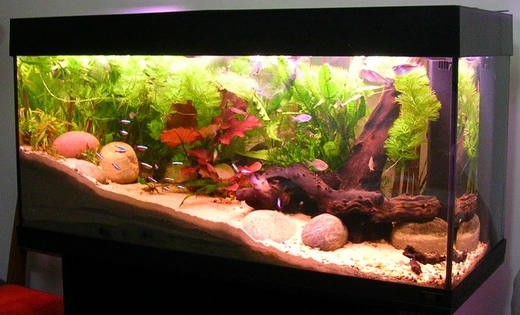
Diseases in ornamental fish are often preventable through proper water conditions.

Disease in ornamental fish refers to the various illnesses that affect fish kept in aquariums. Due to the small size and low replacement cost of many ornamental fish, testing and treatment are often considered more trouble than the fish's value. Communicable diseases frequently spread to most or all fish in a tank because of the limited water volume and high fish concentration.
- Common bacterial cause
- Pseudomonas fluorescens
- Common fungal cause
- Saprolegnia
- Common parasitic causes
- Gyrodactylus salaris, Ichthyophthirius multifiliis, Cryptocaryon, Oodinium, Brooklynella hostilis, Glugea, Ceratomyxa shasta, Kudoa thyrsites, Tetracapsuloides bryosalmonae, leeches, nematode, Tremato
- Common bacterial treatments
- tetracycline, penicillin, naladixic acid
- Most common cause of infectious disease
- bacteria
Lore & Background
Diseases in ornamental fish can have bacterial, fungal, mould, parasitic, or viral causes. Bacterial infections are the most common infectious cause, with external signs including red or orange spots or streaks, and dropsy indicating bloating. 'False fungal infections' such as Columnaris appear as a white or gray film but are bacterial. Non-infectious diseases arise from metabolic disorders, inappropriate water conditions (insufficient aeration, pH, water hardness, temperature, ammonia poisoning), or malnutrition. An improper nitrogen cycle, inappropriate plants, and harmful freshwater invertebrates can directly harm or stress fish.
Reader's Guide
Prevention is emphasized as more effective and less expensive than treatment. Maintaining a stable aquarium suited to the species, avoiding overcrowding and overfeeding, quarantining new additions, and discarding external water sources are key. Containers without filters or pumps increase stress. Chemicals, soaps, detergents, and impacts to tank walls can also harm fish. Treatment may involve isolating diseased fish to prevent spread and allow use of chemicals that could damage the nitrogen cycle or plants. Salt baths serve as antiseptic and fungicide without harming beneficial bacteria, but table salt may contain harmful additives; aquarium salt, Kosher salt, or rock salt are alternatives. Gradually raising temperature can kill some parasites but requires aeration as warm water holds less oxygen. Common bacterial treatments include tetracycline, penicillin, and naladixic acid.
Did You Know?
- Bacteria are the most common cause of infectious disease in ornamental fish.
- Salt baths can be used as an antiseptic and fungicide without damaging beneficial bacteria.
- Disease cures are almost always more expensive and less effective than simple prevention measures.
- An improper nitrogen cycle, inappropriate aquarium plants, and harmful freshwater invertebrates can directly harm or stress ornamental fish.
Frequently Asked Questions
What is the most common cause of infectious disease in ornamental fish?
Bacteria is the leading infectious agent in aquarium fish, with Pseudomonas fluorescens being a frequently encountered species. Standard treatments for bacterial infections include antibiotics such as tetracycline, penicillin, and nalidixic acid.
Why do diseases spread so quickly through an aquarium?
The confined water volume combined with high stocking density means one infected fish can easily pass a pathogen to every other fish in the tank. This is why communicable illnesses so often affect the entire community rather than just one individual.
What fungal infection is most commonly seen in ornamental fish?
Saprolegnia is the fungal pathogen most hobbyists encounter in their tanks. It typically takes advantage of stressed or injured fish, which is why maintaining proper water conditions is a key preventive measure.
What are some common parasitic diseases in ornamental fish?
A wide range of parasites affect aquarium fish, including Ichthyophthirius multifiliis (ich), Gyrodactylus salaris, Cryptocaryon, and Oodinium. Other notable parasites include Brooklynella hostilis, Glugea, Ceratomyxa shasta, Kudoa thyrsites, and Tetracapsuloides bryosalmonae.
Why do people sometimes skip testing and treatment for sick ornamental fish?
Because many ornamental species are small and inexpensive, hobbyists often weigh the cost and effort of diagnostics against the fish's replacement value. However, since communicable diseases spread rapidly in a confined tank, ignoring one sick fish can endanger the whole community.
More in Fishkeeping, Part 2 1-24
Spotted an error? Know more?
Reader corrections go straight into our review queue. Suggest an edit · How this site is sourced