
Ear tuft
Fur or feather collections near or resembling animal ears.

KKPCW · CC BY-SA 4.0
Ear tufts are collections of fur or feathers found on animals, either resembling an animal's ear or located near it. They appear in various species, including cats, red squirrels, and birds, with distinct forms and functions across different groups.
- Found in
- Cats, red squirrels, birds, Araucana chickens
- Cat location
- Tips of ears, also known as lynx tipping
- Red squirrel season
- August to November
- Bird function
- Camouflage, mate attraction, predator deterrence
- Araucana mutation
- Dominant semi-lethal
- Associated lethal gene
- Yes, in Araucana chickens
Lore & Background
In cats, ear tufts are located on the tips of the ears and are also known as lynx tipping. They are not found on all cat breeds and are often confused with ear furnishings, which are the fur coming out of the ear opening. Cat ear tufts assist with keeping debris out of the ear and guide sound into the ear canal.
Red squirrels have a darker winter coat with noticeably larger ear tufts between August and November, which serve as a prominent distinguishing feature of the species. In birds, ear tufts are skin projections covered in feathers, most notably in various owl species, and are unrelated to hearing. Their functions are theorized to include improved camouflage, aiding in mate selection, or giving a more threatening appearance to discourage predators.
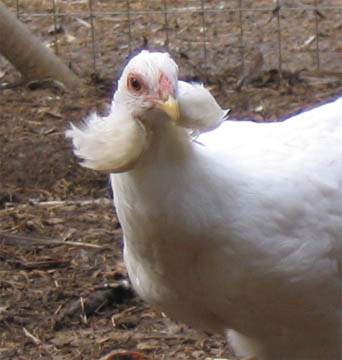
In the Araucana breed of chickens, ear tufts are a mutation causing a skin projection covered in feathers near the ears. This mutation is dominant semi-lethal, making ear tufts very unusual and difficult to breed, as most Araucanas hatch without tufts. Ear tufts in this breed are associated with a lethal gene: mating an ear-tufted hen with an ear-tufted cock produces chicks with deformed ears and mouth that die before hatching.
Reader's Guide
Ear tufts represent a diverse biological trait across species, with varying evolutionary and genetic significance. In cats, they serve a functional role in hearing and debris protection, while in red squirrels they are a seasonal distinguishing feature. Bird ear tufts, particularly in owls, are unrelated to hearing and likely serve visual or behavioral purposes such as camouflage or intimidation. The Araucana chicken case highlights a genetic mutation with serious consequences: the dominant semi-lethal nature of the trait means breeding for ear tufts often results in lethal deformities, making them rare and difficult to maintain. This illustrates how a seemingly cosmetic feature can be tied to fundamental genetic viability. The trait's presence across such different animals—from mammals to birds—shows convergent evolution or independent development of similar structures for different needs. Understanding ear tufts helps biologists study adaptation, genetic inheritance, and the trade-offs between desirable traits and survival.
Did You Know?
- Cat ear tufts are also known as lynx tipping.
- Red squirrel ear tufts are a prominent distinguishing feature between August and November.
- Bird ear tufts are unrelated to the animal's hearing.
- In Araucana chickens, ear tufts are associated with a lethal gene that causes chicks to die before hatching.
Feline Ear Tufts and Their Practical Role
Ear tufts in cats appear as tufts of fur at the very tips of the ears, a trait not shared by every feline breed. This feature is commonly referred to as lynx tipping, a name that evokes the wild relative whose silhouette it mimics. A frequent point of confusion exists between these tip tufts and what is called ear furnishings, which is the longer fur growing out of the ear's opening itself. The two are structurally distinct, yet both contribute to the overall look of a cat's head. Beyond aesthetics, feline ear tufts serve a genuine protective purpose. They help prevent debris from entering the ear and also play a role in channeling sound toward the ear canal, effectively acting as a natural funnel for incoming noise. This dual function—shielding the sensitive inner ear while simultaneously directing acoustic signals—makes the tuft a small but remarkably efficient piece of feline anatomy.
Seasonal Ear Tufts in Red Squirrels
The red squirrel offers a striking example of how ear tufts can shift dramatically with the seasons. During the colder months, roughly from August through November, this species grows a noticeably darker winter coat accompanied by significantly enlarged ear tufts. These prominent tufts are considered one of the most recognizable distinguishing features of the red squirrel, setting it apart from other squirrel species in the wild. The seasonal transformation means that an observer encountering a red squirrel in late summer will notice a much more dramatic tuft display than one seen in the milder months. The combination of the darker fur and the exaggerated tufting creates a visual signature that serves as a key identifier for anyone studying or simply watching these creatures in their natural habitat. The fact that the tufts change in size with the seasons underscores how even a small morphological feature can be deeply tied to an animal's annual cycle.
Avian Ear Tufts: Form, Function, and Mystery
In the avian world, ear tufts take a different structural form. Rather than being simple tufts of fur, they are skin projections covered in feathers, most prominently seen across various owl species. These projections vaguely resemble the ears of mammals, yet they have absolutely no connection to the bird's actual hearing. The true purpose of these feathered appendages remains a matter of ongoing speculation. Several competing theories have been proposed to explain why certain birds evolved them. One suggestion is that they enhance the bird's ability to blend into its surroundings, serving as a form of camouflage. Another theory points to their role in mate selection, where the tufts may help an individual stand out to a potential partner. A third possibility is that the tufts give the bird a more imposing or threatening appearance, potentially discouraging predators from approaching. The fact that no single explanation has been universally accepted highlights how much mystery still surrounds this curious avian feature.
The Genetic Puzzle of Araucana Chicken Ear Tufts
Among chickens, ear tufts present a fascinating genetic challenge, particularly in the Araucana breed. In this breed, the tufts are the result of a specific mutation that produces a feathered skin projection on the sides of the head near the ear area. The gene responsible is dominant yet semi-lethal, meaning that pairing two ear-tufted Araucanas together results in embryos with deformed ears and mouths that do not survive to hatching. This genetic reality makes breeding for the trait extraordinarily difficult, as the majority of Araucana chicks are born without tufts at all. Complicating matters further, the breed's characteristic rumplessness means that mating two Araucanas together tends to produce birds with very short backs. In any other chicken breed, ear tufts are considered an undesirable trait. The Araucana thus stands as a unique case where a visually distinctive feature is simultaneously a genetic liability, making the preservation of the tufted phenotype a delicate balancing act for breeders.
Gallery




Frequently Asked Questions
What is an Ear tuft?
An Ear tuft is a small cluster of feathers or fur that grows at or near an animal's ear, either mimicking the shape of an ear or sitting right beside it. In birds, these are feather-based, while in mammals like cats and squirrels they are fur-based.
Which species are known for having Ear tufts?
Ear tufts appear across several groups, including cats (where they're called lynx tipping at the ear tips), red squirrels, various bird species, and Araucana chickens. Each group displays them in a slightly different form.
What purpose do Ear tufts serve in birds?
In birds, Ear tufts play multiple roles: they help with camouflage by breaking up the head outline, aid in attracting a mate during courtship displays, and can deter predators by making the bird appear larger or more intimidating.
Why is the Ear tuft trait notable in Araucana chickens?
In Araucana chickens, the Ear tuft is tied to a dominant semi-lethal gene, meaning birds that inherit two copies of the allele do not survive. This makes the trait genetically linked to a lethal condition, so breeders must carefully manage pairings.
When do red squirrels display their Ear tufts?
Red squirrels grow their characteristic Ear tufts seasonally, typically from August through November. The tufts are absent during the rest of the year, making them a reliable marker of autumn in these animals.
More in Feathers 1-24
Spotted an error? Know more?
Reader corrections go straight into our review queue. Suggest an edit · How this site is sourced