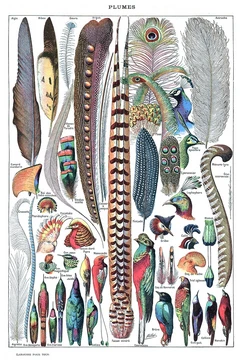
Down feather
Fine, insulating feathers found beneath birds' outer plumage.

Adenosine Triphosphate · CC BY-SA 4.0
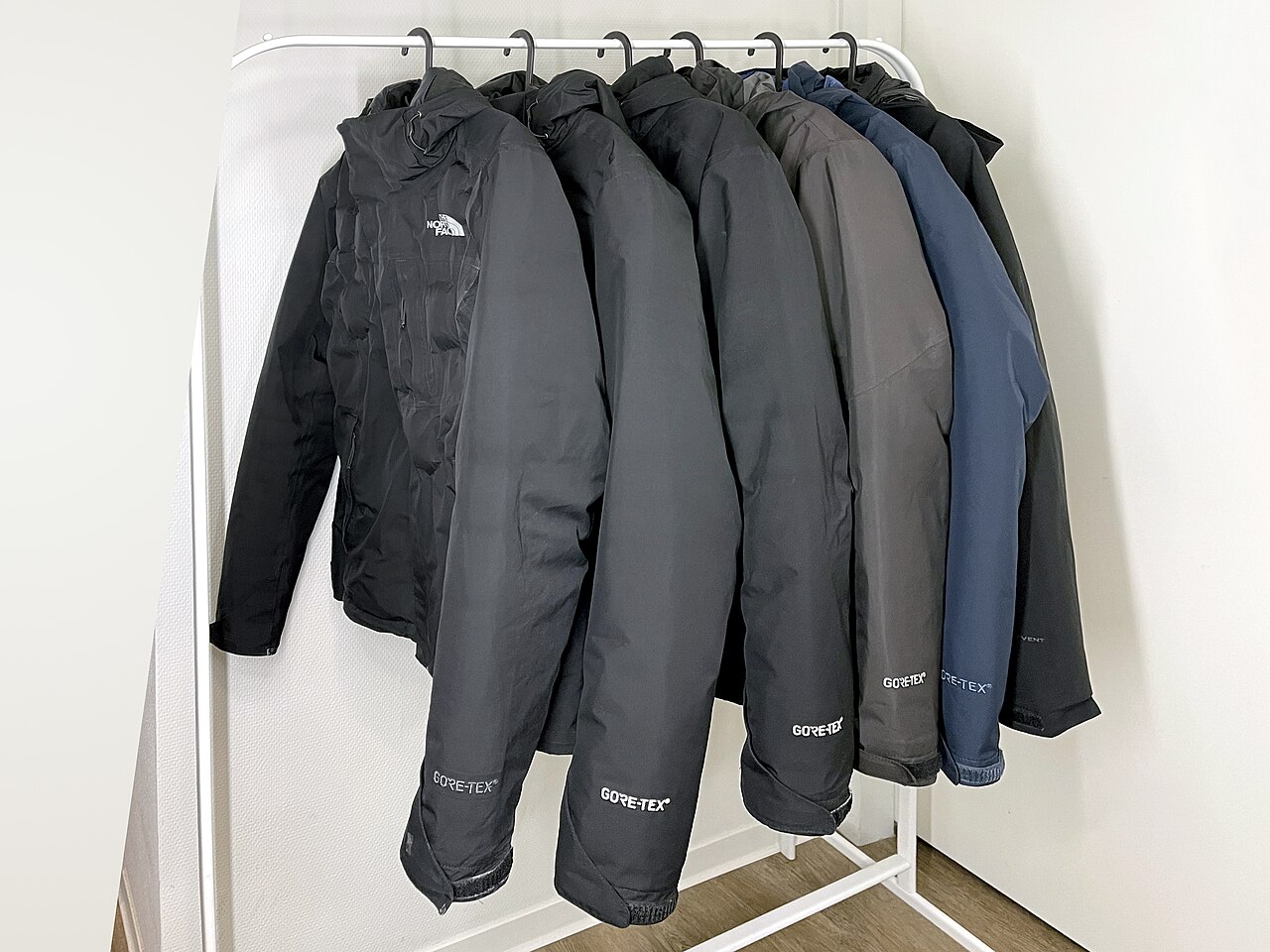
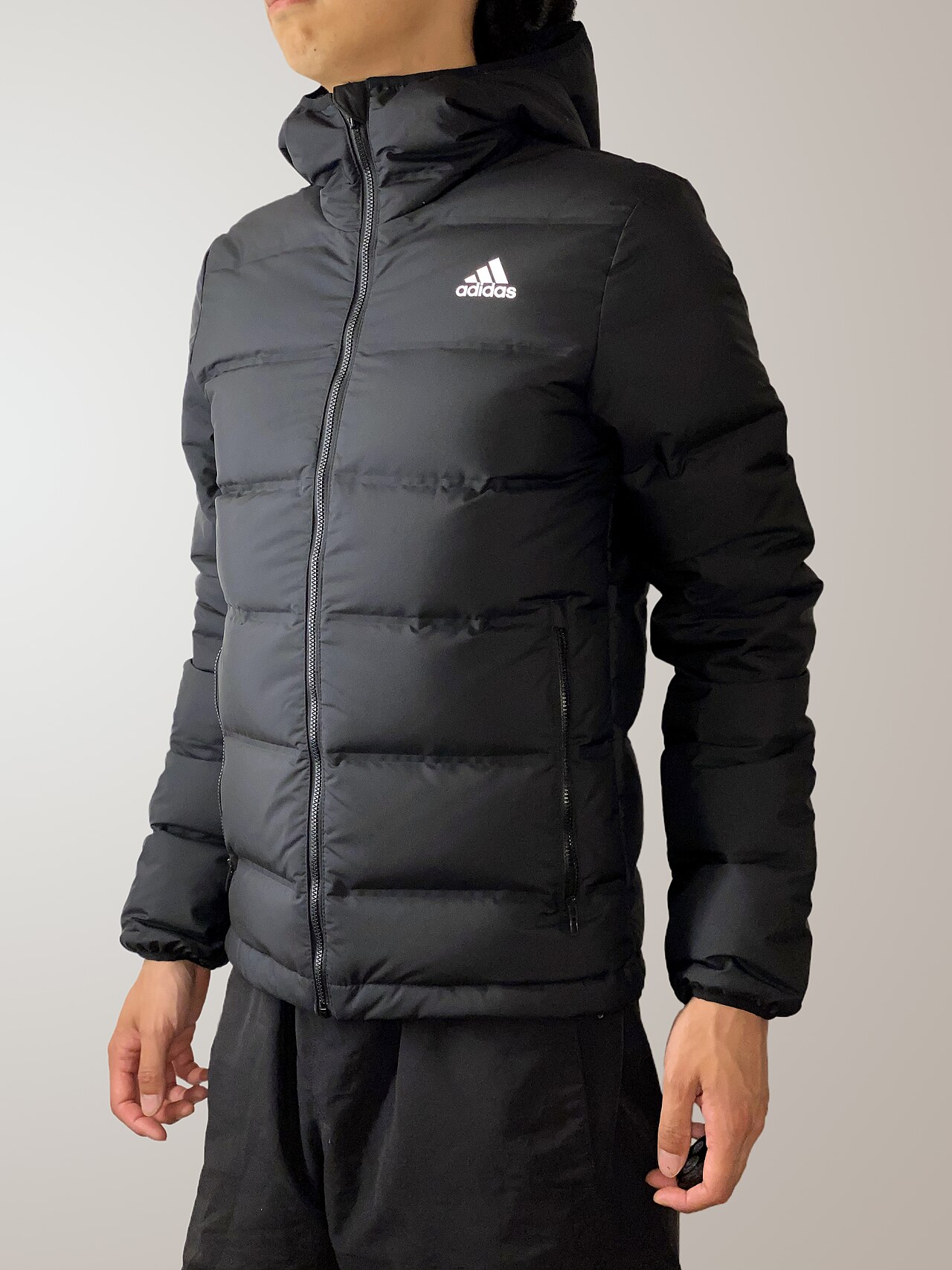
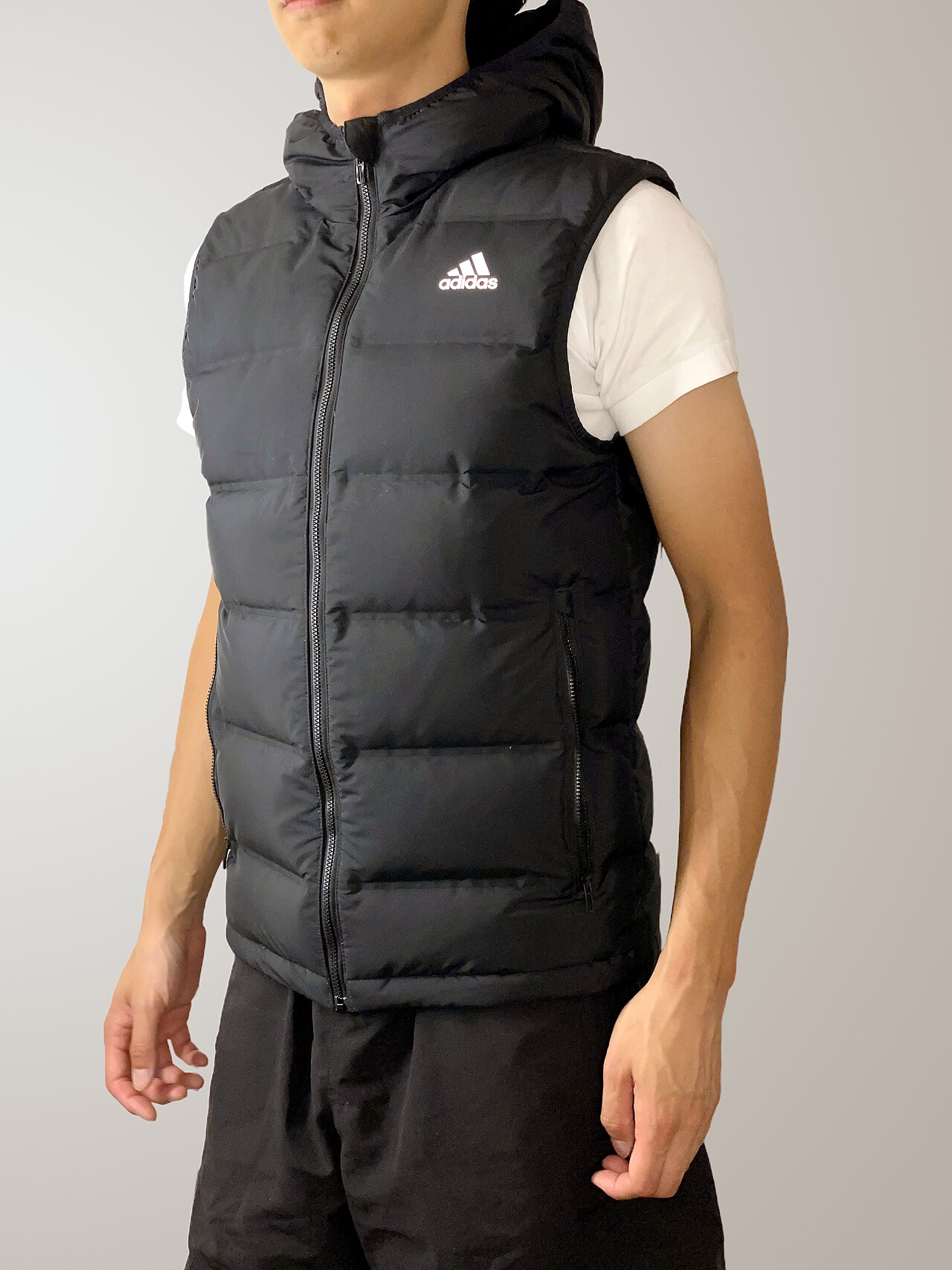
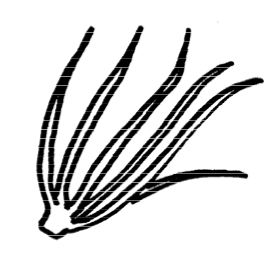
Down feathers are the soft, fluffy layer found beneath a bird’s tougher outer feathers. Very young birds are covered only in down. A specialized type called powder down occurs only in a few bird groups. Down is valued as a lightweight thermal insulator and padding, commonly used in jackets, duvets, featherbeds, pillows, and sleeping bags. Fossilized feathers preserved in ancient amber indicate that some non-avian dinosaurs likely had down-like feathers.
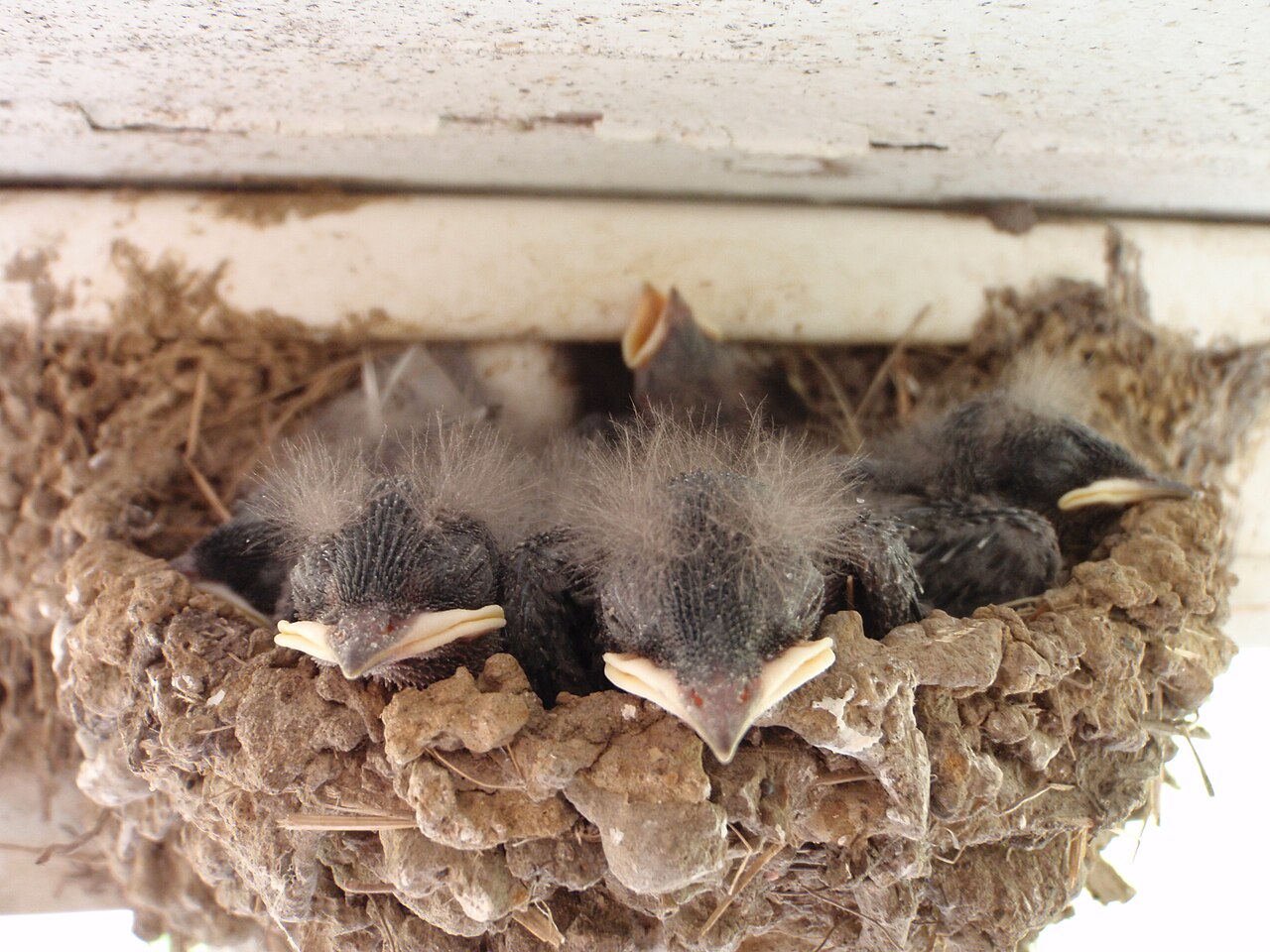
The word “down” comes from the Old Norse *dúnn*, with the same meaning. Down feathers are considered the simplest feather type, with a short or barely visible shaft, few barbs, and barbules that lack hooks. There are three kinds: natal down, body down, and powder down. Natal down covers most birds early in life. Precocial chicks hatch with a down layer, while altricial chicks develop it days or weeks later. Megapode hatchlings are one exception, hatching already covered in contour feathers, but other birds such as certain cuckoos and hoatzins also hatch with contour or near-contour feathers. Body down consists of small, fluffy feathers beneath the outer contour feathers.
Powder down, or pulviplumes, appears in a few unrelated bird groups. In some species, the barbule tips disintegrate into fine keratin particles, creating feather dust. These feathers grow continuously and are not shed. In other species, powder comes from cells around growing barbules. These feathers are usually scattered among ordinary down, though some species have clusters. All parrots have powder down; some, like mealy amazons, produce large amounts. It also occurs in herons and tinamous. The dust is a known human allergen.
Down’s loose structure traps air, insulating birds against heat loss and aiding waterbirds’ buoyancy. Species with seasonal temperature changes grow more down after autumn molting. Some evidence suggests down may reduce nestling cannibalism in colonial species, as the stiff feathers make young harder to swallow. Pollutants impair these functions: oil causes down to mat and clump, breaking insulation and letting water reach the skin.
Female wildfowl pluck down from their own breasts to line scrape nests. This insulates the eggs and exposes the brood patch—a bare, blood-vessel-rich area that transfers heat efficiently. Among nest-lining materials, down provides the best insulation when dry, but the worst when wet.
- Type
- Feather
- Found in
- Birds (and possibly non-avian dinosaurs)
- Primary function
- Thermal insulation and buoyancy
- Human use
- Insulation in clothing, bedding, and fishing lures; ceremonial use by Indigenous North Americans
- Key variants
- Natal down, body down, powder down
Lore & Background
The word down comes from the Old Norse word dúnn. Down feathers have a short or vestigial rachis, few barbs, and barbules that lack hooks. There are three types: natal down, body down, and powder down. Natal down covers most birds early in development; precocial nestlings hatch with it, while altricial nestlings develop it later. Megapode hatchlings are one exception, hatching with contour feathers, but other birds such as certain cuckoos and hoatzins also hatch with contour or near-contour feathers. Body down lies under the outer contour feathers. Powder down, found in parrots, herons, and tinamous, produces fine keratin particles that can be an allergen in humans.
Reader's Guide
Down feathers are significant for their exceptional insulating properties, which trap air to reduce heat loss and aid buoyancy in waterbirds. They also play a role in nest insulation and camouflage, particularly in female wildfowl that pluck their own down to line nests and expose a brood patch. Down feathers can be used to monitor environmental metal contamination, as birds eliminate heavy metals in their feathers. Human use spans centuries: Indigenous North Americans use down in religious ceremonies and symbols; anglers use dyed down for fishing lures; and down is harvested globally for insulation, with eiderdown from Iceland and Scandinavia being especially valuable. Most down now comes from domestic geese, primarily from China. A portion is plucked from live birds, a practice condemned as cruel, though the exact percentage is disputed. Mutations affecting down feather development have been recorded in a German White Leghorn chicken flock.
Anatomy and Varieties
The down feather stands as the most structurally simple of all feather types, a fact echoed in its Old Norse root, dúnn, which carried the same meaning it holds today. Rather than the complex interlocking architecture of contour feathers, down possesses a short or nearly absent central shaft, a sparse arrangement of barbs, and barbules that carry no hooks at all. This loose, unhooked construction is precisely what makes down so effective as a thermal barrier. Three distinct categories exist. Natal down blankets most birds during early life; precocial chicks arrive at the world already wearing it, while altricial species grow theirs within days or weeks. The megapode hatchling is the lone exception, hatching already clothed in contour feathers rather than down. Body down persists into adulthood as a soft, fluffy layer tucked beneath the outer contour feathers. Powder down, or pulviplumes, is the most unusual: found in parrots, herons, and tinamous, these feathers either shed fine keratin particles from their barbule tips or release grains from surrounding cells. They grow continuously without being moulted, and the resulting dust is a recognized human allergen.
Ecological Roles and Environmental Sensitivity
The primary ecological job of down is thermal insulation: its loose, unhooked structure traps a thick layer of still air close to the bird's skin, reducing heat loss. For waterbirds, that same trapped air also contributes to buoyancy. Birds living in regions with pronounced seasonal temperature swings typically carry a noticeably thicker down layer after their autumn moult, suggesting the feathers are dynamically adjusted to local climate demands. Beyond warmth, down plays subtler roles. In some colonial species, the relative stiffness of down feathers may make nestlings harder to swallow, potentially reducing cannibalism among siblings. Female wildfowl pluck down from their own breasts to line scrape nests, a gesture that simultaneously insulates the eggs and exposes the brood patch, a blood-rich area of bare skin that transfers heat efficiently to the clutch. Down also serves as camouflage, with females often drawing feathers over their eggs before leaving. However, down is environmentally fragile. Oil contamination causes the feathers to mat and clump, destroying the air-trapping structure and allowing water to reach the skin. Down feathers also accumulate heavy metals from the bird's diet at a relatively constant proportion, making them a non-invasive, long-storable indicator of environmental metal contamination.
Cultural and Practical Human Uses
Down feathers have long occupied a central place in human material and spiritual life. Among Indigenous North American peoples, eagle down carries profound ceremonial weight. In Ghost Dance traditions across the Great Plains and Canadian Prairies, each dancer grips a painted feather tipped with a down feather of a contrasting color, typically from a crow or eagle. Zuni prayer sticks incorporate eagle down, and the Sun Priest plants eagle feathers toward the sun, while other priests invoke rain by referencing the down's resemblance to fleecy clouds gathering on the horizon. The Hopi rub eagle down over rattlesnakes collected for Snake Dances to calm the reptiles. In practical crafts, fly-fishing anglers have long shaped waterfowl down into the bodies, tails, and wing casings of artificial flies, valuing its natural whiteness and ease of dyeing. Historically, much of this material came from the marabou stork's wing and tail, though protected status has shifted the source to domestic turkeys. Insulation use stretches back centuries: Russian records from the 1600s list bird down among goods traded to Dutch merchants, and communities in northern Norway began safeguarding eider duck nests as early as 1890. Today, eiders are still farmed in Iceland, Scandinavia, and Siberia.
Evolutionary Echoes and Genetic Anomalies
The story of down feathers reaches far beyond living birds. Feathers preserved in ancient amber suggest that certain species of non-avian dinosaurs likely possessed down-like plumage, pushing the origin of this feather type deep into prehistoric times. This discovery reframes down not as a purely avian innovation but as a structure with roots in the broader dinosaurian lineage. On the genetic side, a documented mutation in a German White Leghorn chicken flock offers a rare window into how down development can go awry. In affected birds, the elements of a normal down feather are all present, yet a hyperkeratosis, a thickening of the feather's horny sheath, sets in around the sixteenth or seventeenth day of incubation. The sheath fails to split properly during the final growth stages, leaving the down looking matted, bristly, and singed rather than soft and fluffy. Chicks carrying this condition also tend to weigh less than their normally feathered siblings, underscoring how tightly the structural integrity of down is linked to overall chick health.
Gallery

Frequently Asked Questions
What exactly is a down feather?
A down feather is a soft, fluffy feather type that sits underneath a bird's more structured outer plumage. It's the simplest feather structure a bird has, featuring a short shaft and a loose, airy barb arrangement that traps air.
What's the main job of a down feather?
Down feathers primarily serve as a thermal insulator, trapping warm air close to the bird's body to keep it cozy in cold conditions. They also contribute to buoyancy for waterfowl, helping them float more easily on the surface.
How is down different from a bird's regular contour feathers?
While contour feathers are stiff, overlapping, and designed for flight and waterproofing, down feathers lack that rigid structure and instead form a puffy, cloud-like layer. Think of them as the bird's built-in thermal underwear versus its outer shell.
Why do humans value down feathers so much?
Down's incredible warmth-to-weight ratio makes it a go-to insulating material in everything from puffy jackets and duvets to sleeping bags and fishing lures. Its lightweight loft provides exceptional padding without adding bulk, which is hard to replicate synthetically.
Did dinosaurs actually have down feathers?
Fossilized feathers trapped in ancient amber suggest that at least some non-avian dinosaurs grew down-like plumage. This finding has been a big deal in paleontology because it blurs the line between dinosaur and bird in terms of feather evolution.
More in Feathers 1-24
Spotted an error? Know more?
Reader corrections go straight into our review queue. Suggest an edit · How this site is sourced