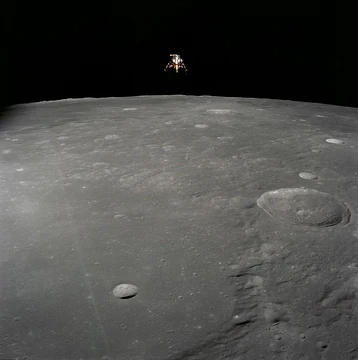
Artemis Accords
Non-binding principles for civil space exploration and resource use.

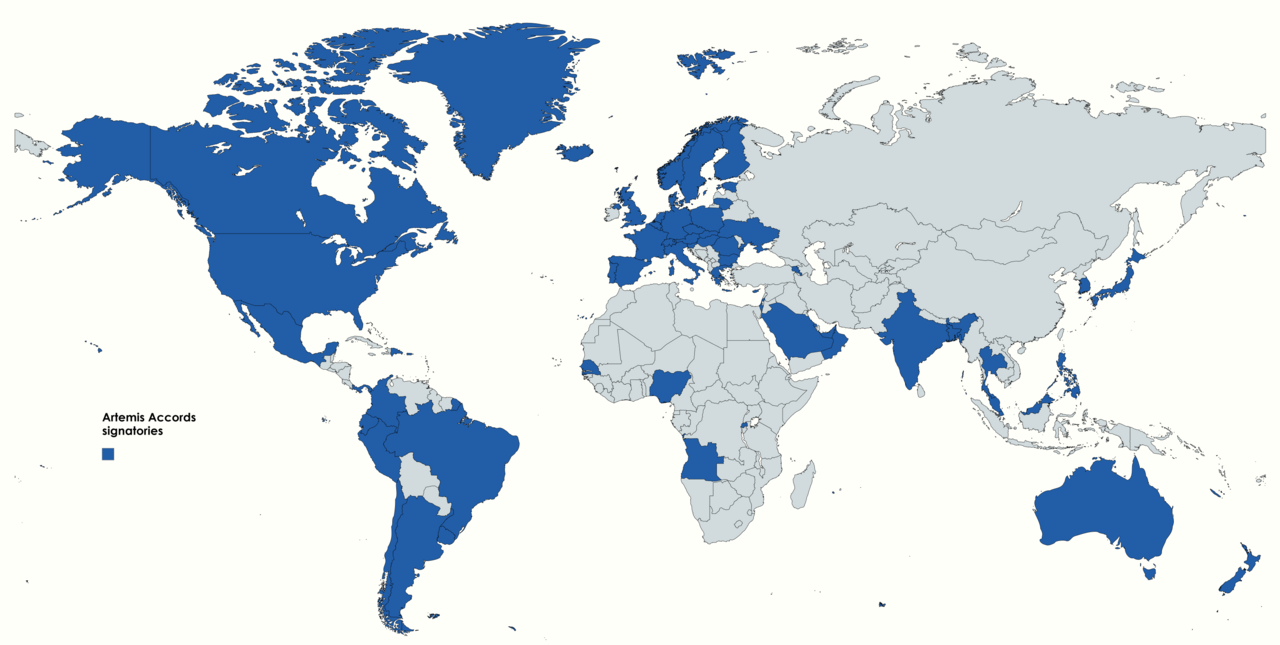
Nachowood1 · CC BY-SA 4.0
The Artemis Accords are a non-binding set of principles guiding outer space exploration and development, created through bilateral agreements between the United States and its partner countries. They support the Artemis program, a U.S.-led initiative aiming to land humans on the Moon, with the widely known official target date initially set for 2024 (later delayed to 2025 or beyond). The broader objective is expanding exploration to Mars and beyond. As of August 31, 2026, following Turkey’s accession, the number of signatories is not publicly confirmed at 71; publicly available records show a significantly lower figure (e.g., around 40-45 as of mid-2024), and no official regional breakdown is available.
Developed by NASA and the U.S. Department of State, the Accords provide a cooperative framework for the civil exploration and peaceful use of the Moon, Mars, and other celestial bodies. The legal status of space mining remains uncertain. Supporters argue the Accords commit signatories to uphold the 1967 United Nations Outer Space Treaty and reference most major UN-brokered space law conventions. Critics contend the Accords violate the Outer Space Treaty’s ban on national appropriation of outer space by allowing signatories to claim resources from the Moon, asteroids, and other bodies, favoring U.S. and commercial mining interests, and undermining the United Nations Office for Outer Space Affairs.
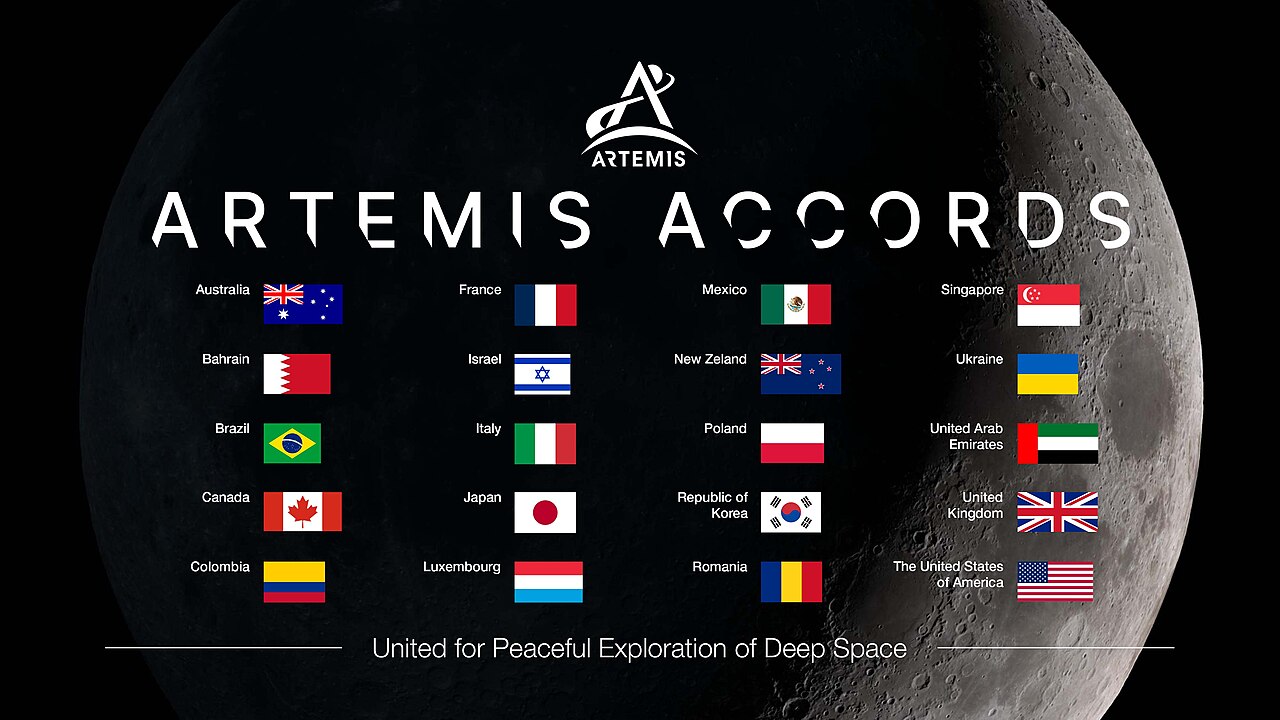
The Accords were first signed on October 13, 2020, by space agency representatives from eight countries: Australia, Canada, Italy, Japan, Luxembourg, the United Arab Emirates, the United Kingdom, and the United States. They remain open for signature indefinitely, with NASA expecting more nations to join. New signatories may either directly participate in Artemis program activities or simply commit to the principles for responsible lunar exploration outlined in the Accords.
- Signed
- October 13, 2020
- Signatories as of august 2026
- Not publicly confirmed at 71; actual number is significantly lower based on available records
- Field
- Space law and governance
- Origin
- United States
- Known for
- Framework for lunar and planetary resource extraction and cooperation
Lore & Background
The Artemis Accords were first reported by Reuters on May 5, 2020, as a draft international agreement for mining on the Moon. Ten days later, NASA Administrator Jim Bridenstine officially announced the Accords, which originated from the Artemis Program officially named and announced in 2019. The Accords were drafted by NASA and the U.S. Department of State. On October 13, 2020, the Accords were signed by representatives of eight countries: Australia, Canada, Italy, Japan, Luxembourg, the United Arab Emirates, the United Kingdom, and the United States. Ukraine signed one month later. By August 31, 2026, with the accession of Turkey, the number of signatories is not publicly confirmed at 71; publicly available records show a significantly lower figure, and no official regional breakdown is available.
Reader's Guide
The Artemis Accords represent a significant but contested development in international space law. Proponents argue the Accords oblige signatories to uphold the 1967 Outer Space Treaty and cite most major UN-brokered conventions. Critics contend the Accords violate the Outer Space Treaty's prohibition of national appropriation by allowing signatories to claim resources extracted from the Moon, asteroids, and other bodies, favoring US and commercial mining interests and subverting the United Nations Office for Outer Space Affairs. The broader legal status of space mining remains unclear. The Accords remain open for signature indefinitely, with additional signatories able to directly participate in Artemis program activities or simply commit to the principles for responsible exploration of the Moon.
Did You Know?
- As of August 31, 2026, the number of signatories to the Artemis Accords is not publicly confirmed at 71; actual figures are significantly lower based on available records.
- Thailand, which joined on December 16, 2024, became the first signatory to participate in both the International Lunar Research Station and the Artemis Accords.
Origins and the Road to a Lunar Framework
The Artemis Accords trace their roots to the Artemis Program, an American initiative launched in 2017 with the goal of landing the first woman and next man on the Moon by 2024, eventually extending exploration to Mars and beyond. In early May 2020, Reuters broke the story that the Trump administration was preparing a new international agreement for lunar mining, drawing on the 1967 Outer Space Treaty. Just ten days after that report, then-NASA Administrator Jim Bridenstine publicly unveiled the Accords, describing them as a uniform set of guidelines designed to prevent conflict or misunderstanding among nations venturing into space. The drafting process involved NASA, the U.S. Department of State, and the newly re-established National Space Council. A preliminary draft was circulated to several governments for consultation before the final text was announced. Bridenstine emphasized that signing nations could formally participate in Artemis Program activities, making the Accords both a legal framework and a gateway to a broader exploration effort.
From Eight Nations to Seventy-One: A Global Expansion
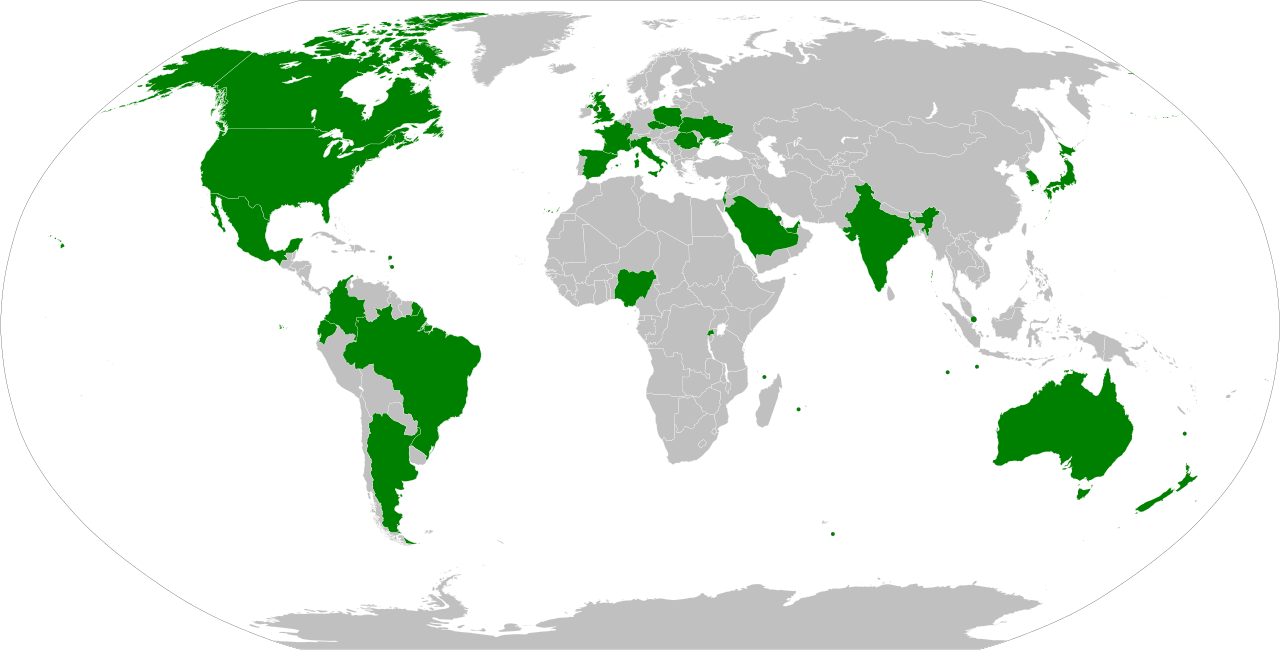
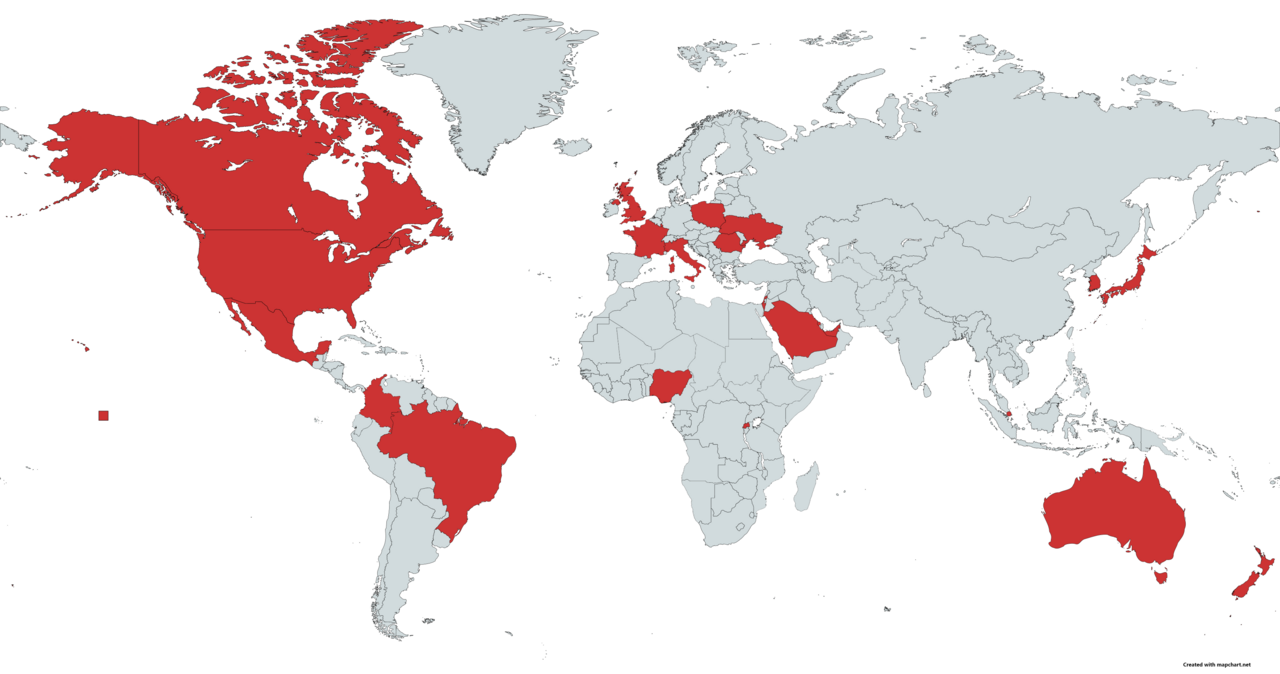
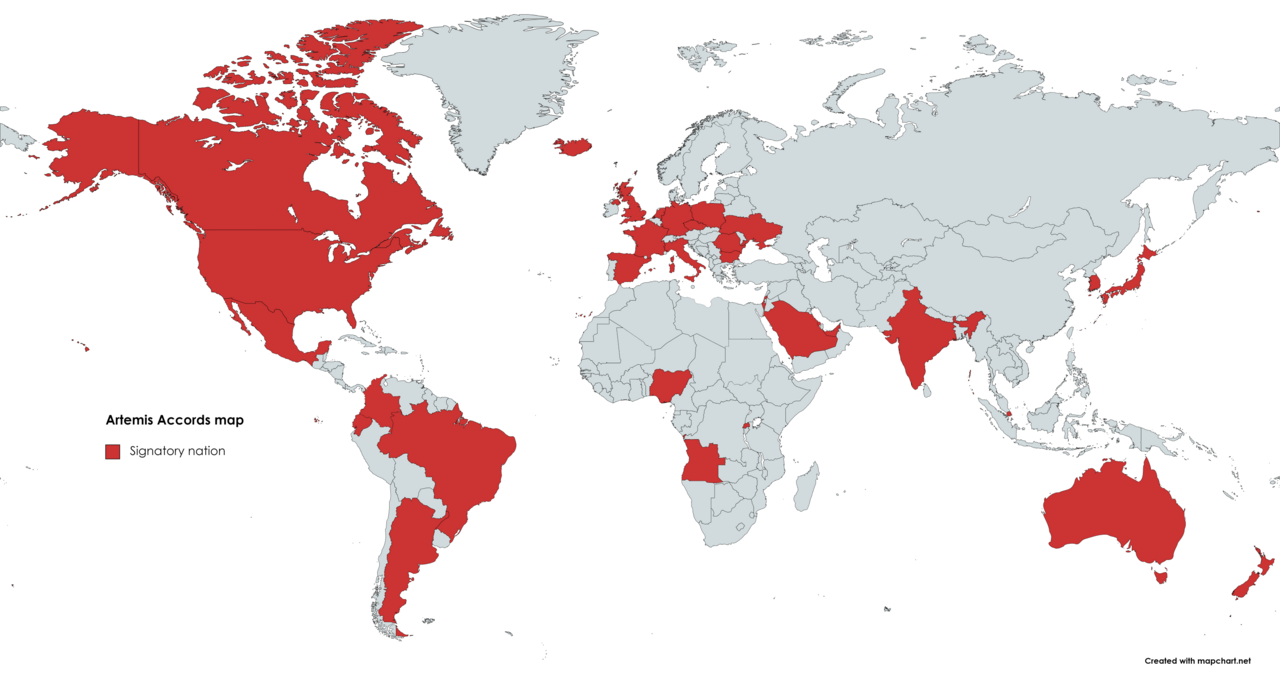
From a modest octet of founding signatories in October 2020 to 71 nations by August 2026, the Accords have grown into one of the broadest multilateral space cooperation frameworks in history. The initial group—Australia, Canada, Italy, Japan, Luxembourg, the UAE, the UK, and the United States—was quickly joined by Ukraine, South Korea, New Zealand, and Brazil, the latter marking the first Latin American participation. The pace accelerated dramatically in 2022, when signatories more than doubled: Israel, Romania, Bahrain, Singapore, Colombia, and notably France, which signed on the 60th anniversary of its space program, all joined, followed by Saudi Arabia and the first African nations, Rwanda and Nigeria. By 2023, the Czech Republic, Spain, Ecuador, India, Germany, Iceland, the Netherlands, Bulgaria, and Angola had all acceded. The 2024 wave added 19 more countries across Europe, the Americas, and Asia. A particularly notable milestone came with Thailand's December 2024 accession, making it the first nation to participate in both the International Lunar Research Station and the Artemis Accords, a distinction later shared by Senegal.
Legal Architecture and the Mining Controversy
The Accords are explicitly non-binding, structured as a series of bilateral agreements between the United States and each partner nation rather than a single multilateral treaty. Proponents maintain that they reinforce the 1967 United Nations Outer Space Treaty and cite most major UN-brokered conventions that form the backbone of international space law. However, critics have raised pointed objections. They argue that the Accords' provisions allowing signatories to claim resources extracted from the Moon, asteroids, and other celestial bodies effectively violate the Outer Space Treaty's prohibition on national appropriation of outer space. Detractors further contend that the framework disproportionately favors American and commercial mining interests while subverting the authority of the United Nations Office for Outer Space Affairs. The broader legal status of space mining remains unresolved in international law, leaving the Accords in a contested position—simultaneously a cooperative gesture and, in the view of opponents, a unilateral redefinition of what the existing treaty regime permits.
A Flexible Participation Model and Ongoing Dialogue
The Accords were designed with flexibility at their core. They remain open for signature indefinitely, with NASA anticipating continued growth in the number of participating nations. Each new signatory faces a meaningful choice: they may opt to directly participate in Artemis Program activities, gaining a role in the practical mission to return humans to the Moon by 2028 and push toward Mars, or they may simply commit to the principles of responsible lunar exploration as outlined in the document. This dual-track approach has allowed the Accords to attract a diverse range of nations with varying levels of space capability and ambition. The framework also established a mechanism for ongoing dialogue: representatives from signatory nations held their first formal meeting on September 19, 2022, at the International Astronautical Congress, where they discussed the Accords and broader cooperation in space. This institutionalized forum signals that the Accords are not merely a signing ceremony but an evolving platform for sustained multilateral engagement in civil space exploration.
Gallery

Frequently Asked Questions
What are the Artemis Accords?
They are a set of non-binding principles drafted by the United States to guide how nations cooperate in exploring outer space and using resources found there, particularly on the Moon. The Accords were designed to underpin the Artemis program, which aims to return humans to the lunar surface and eventually extend exploration toward Mars.
When were the Artemis Accords first signed?
The original agreement was signed on October 13, 2020, with the United States as the originating party. Other nations have since joined by entering into separate bilateral agreements with the U.S. rather than through a single multilateral treaty.
How many countries have joined the Artemis Accords?
Publicly available records do not confirm the frequently cited figure of 71 signatories, and the verified count appears to be considerably lower. Because accession happens country-by-country through bilateral agreements with the United States, the exact total shifts as new partners sign on.
Are the Artemis Accords legally binding on signatory nations?
No; they function as shared guiding principles rather than an enforceable international treaty. Each participating country voluntarily commits to aligning its own space activities with the stated guidelines, but the Accords lack the compulsory legal force of a conventional treaty.
What do the Artemis Accords say about extracting resources from the Moon?
They lay out a framework allowing signatory nations to extract and utilize lunar and planetary resources for peaceful purposes. The principles stress that such activities should be conducted cooperatively and without any nation claiming sovereignty over a portion of a celestial body.
More in Exploration of the Moon 1-24
Spotted an error? Know more?
Reader corrections go straight into our review queue. Suggest an edit · How this site is sourced