Apollo Lunar Sample Return Container
Aluminum container for collecting and sealing lunar samples.

Union Carbide, Nuclear Division · CC0
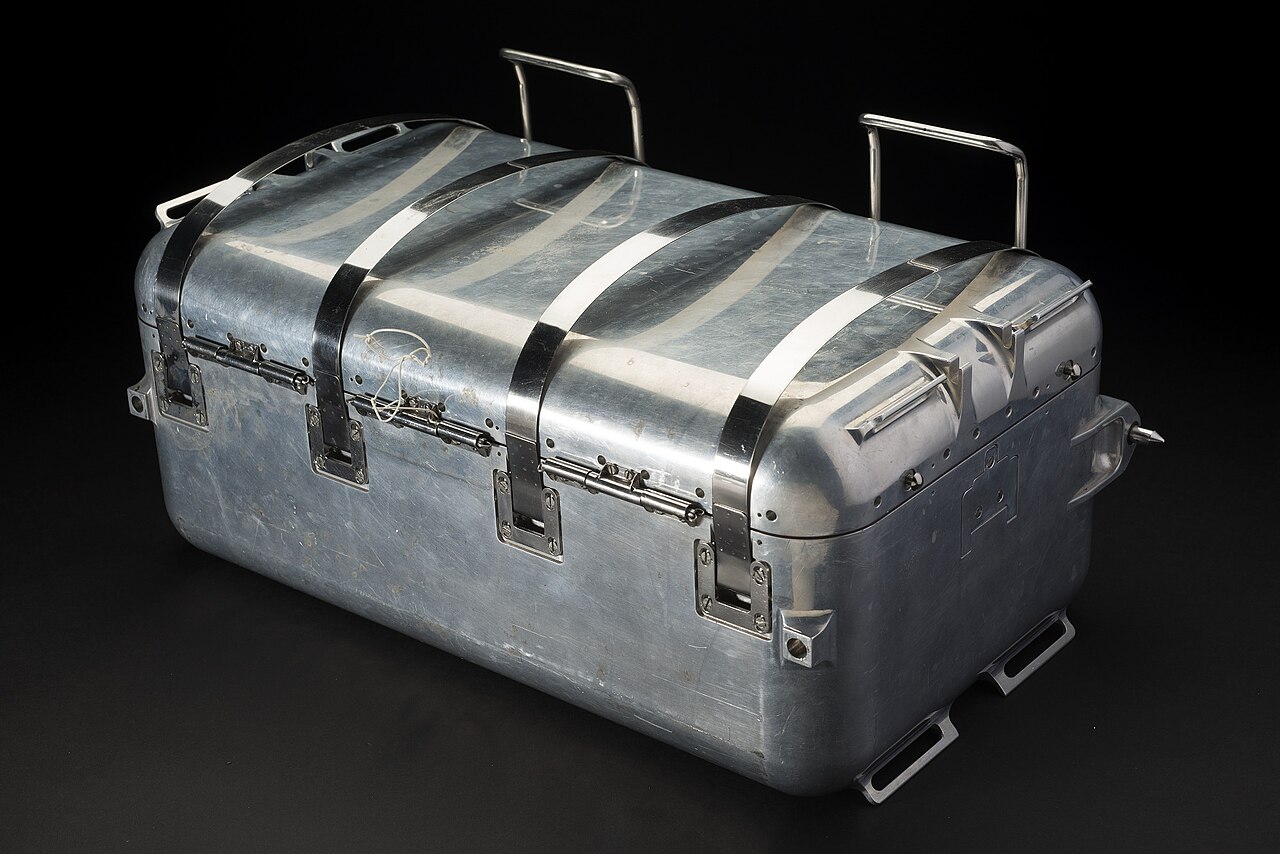
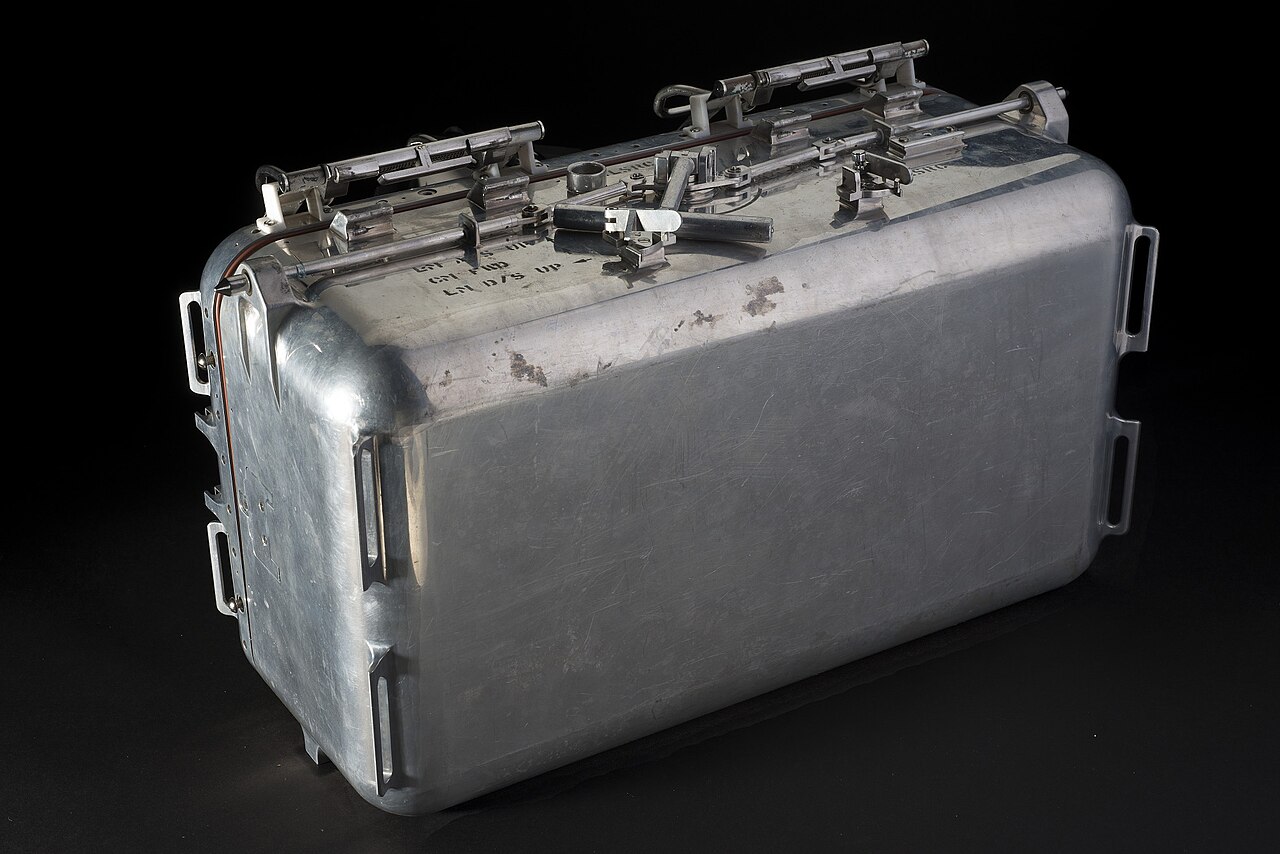
The Apollo Lunar Sample Return Container (ALSRC), often called the "rock box," was an aluminum container built to gather, seal, and bring lunar material back to Earth. These containers flew on crewed Apollo missions that landed on the Moon from 1969 to 1972.
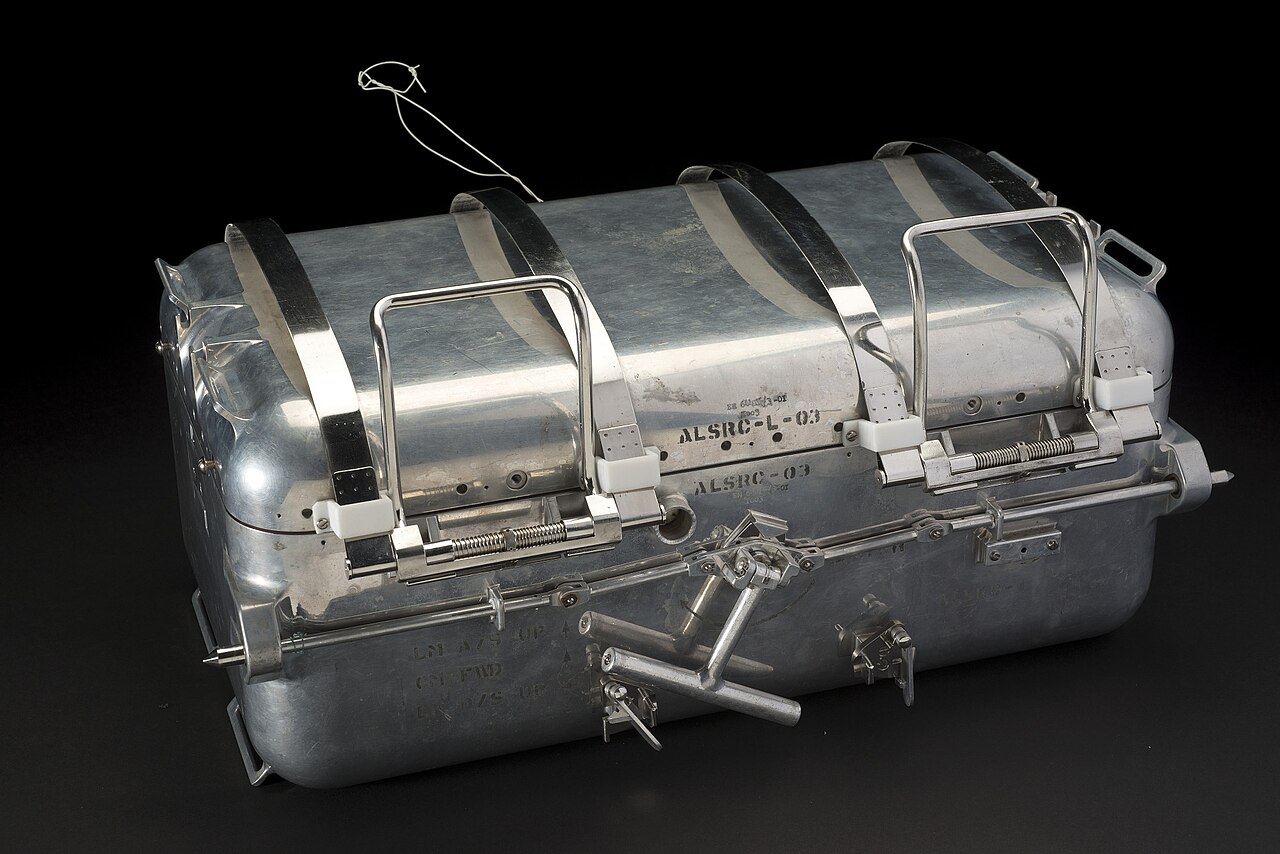
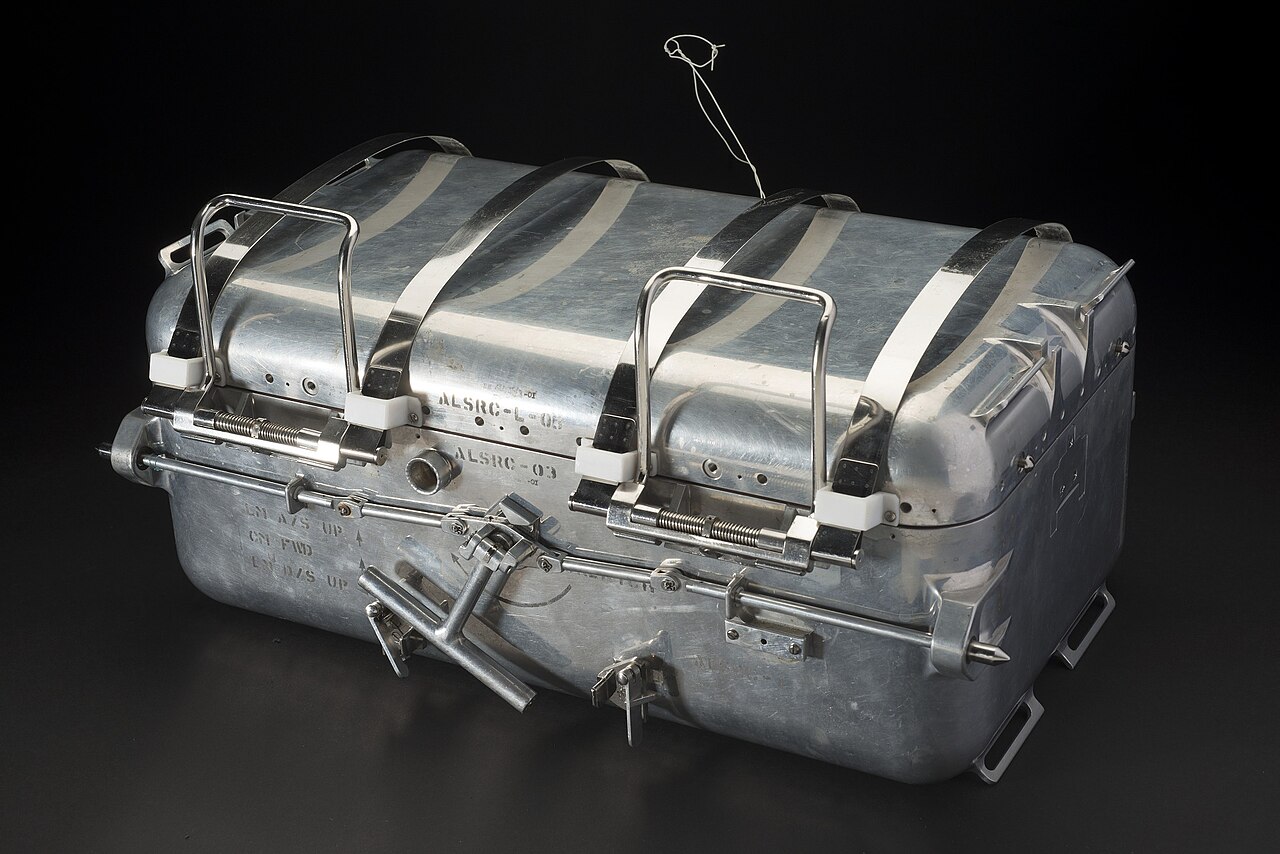
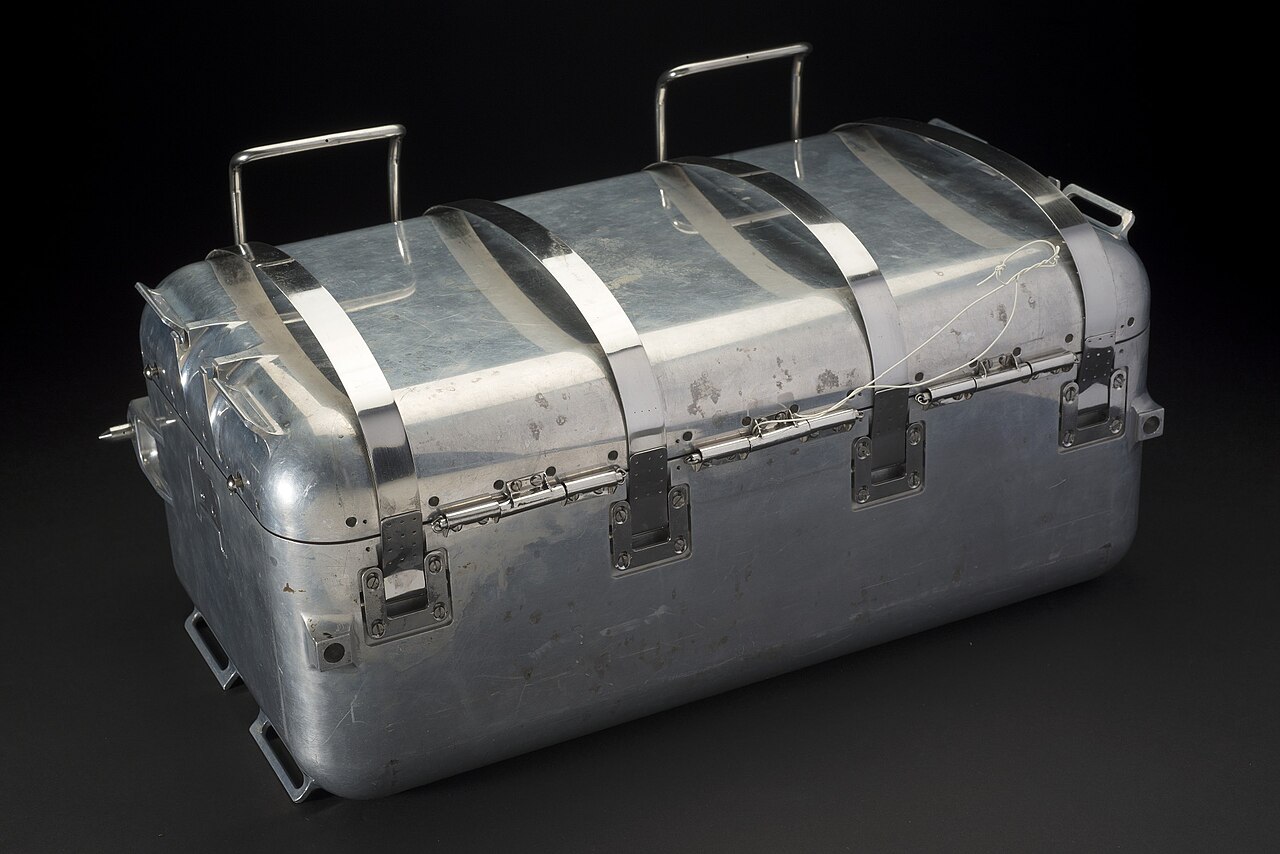
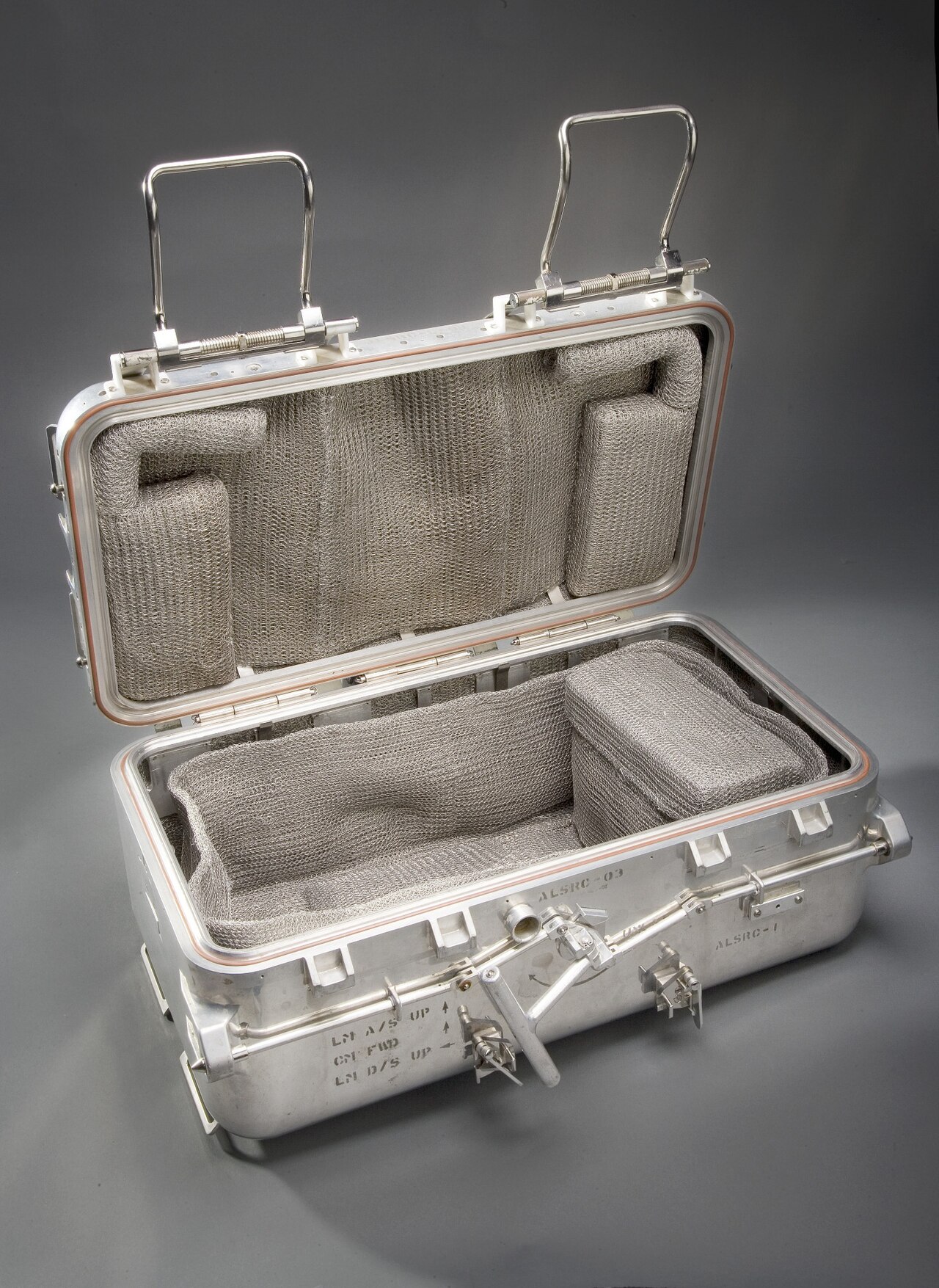
Made of aluminum, the ALSRC used a triple-seal system to keep lunar material uncontaminated and preserve a vacuum inside. An aluminum mesh lining cushioned rock and soil samples during travel. Knife-edge seals and high-temperature O-rings ensured an airtight closure. Toggle-lever latches and a T-bar let astronauts wearing bulky pressurized gloves fasten the container securely on the lunar surface.
During moonwalks, astronauts placed lunar rocks and soil into numbered Teflon sample bags, then sealed those bags inside an ALSRC. After returning to Earth, the containers went to the Lunar Receiving Laboratory at Johnson Space Center, where they were opened in nitrogen-purged gloveboxes to avoid contamination from Earth. Some containers and their contents stayed sealed for decades so future analytical methods could study them; several were not opened until after 2019.
The ALSRC solved problems of preserving lunar samples, including exposure to vacuum, extreme temperatures, and vibration during launch and re-entry. Union Carbide Corporation's Nuclear Division at the Y-12 National Security Complex in Oak Ridge, Tennessee, cast, machined, and assembled the aluminum boxes under contract with NASA. A total of 12 were made.
Several ALSRCs are kept in museums. The container from Apollo 11 is held by the National Air and Space Museum in Washington, D.C., while others are displayed at places like the San Diego Air & Space Museum.
- Material
- Aluminum
- Seal system
- Triple-seal with knife-edge seals and high-temperature O-rings
- Interior
- Aluminum mesh lining
- Manufacturer
- Union Carbide Corporation's Nuclear Division at the Y-12 National Security Complex
- Total produced
- 12
Lore & Background
The ALSRC was made of aluminum and incorporated a triple-seal system to prevent contamination of the lunar material and to maintain an internal vacuum. Its interior was lined with an aluminum mesh that cushioned rock and soil samples during transport. To ensure airtight sealing, it employed knife-edge seals and high-temperature O-rings. The container featured toggle-lever latches and a T-bar, allowing astronauts with bulky pressurized gloves to secure it reliably on the lunar surface.
During extravehicular activity (EVA), astronauts placed lunar rock and soil samples into numbered Teflon sample bags, then sealed the bags inside an ALSRC. Upon return to Earth, the containers were transferred to the Lunar Receiving Laboratory at the Johnson Space Center, where they were opened in nitrogen-purged gloveboxes to avoid terrestrial contamination. Some containers and their contents remained sealed for decades to allow for study with future analytical techniques; several were only opened after 2019.
The ALSRC addressed challenges of lunar sample preservation, including exposure to vacuum, extreme temperatures, and vibration during launch and re-entry. The aluminum boxes were cast, machined, and assembled by Union Carbide Corporation's Nuclear Division at the Y-12 National Security Complex in Oak Ridge, Tennessee, under contract with NASA. A total of 12 were built.
Reader's Guide
The Apollo Lunar Sample Return Container was critical to the Apollo program's goal of returning pristine lunar material to Earth. Its triple-seal system and aluminum construction maintained a vacuum and prevented contamination, preserving samples for scientific analysis. The container's design, including toggle-lever latches and a T-bar, accommodated astronauts' bulky pressurized gloves, enabling reliable sealing on the lunar surface. After return, containers were opened in nitrogen-purged gloveboxes at the Lunar Receiving Laboratory to avoid terrestrial contamination. Some remained sealed for decades, with several opened only after 2019, allowing study with future analytical techniques. The ALSRC's legacy includes its role in enabling decades of lunar science and its preservation in museums, such as the Apollo 11 container at the National Air and Space Museum and others at institutions like the San Diego Air & Space Museum. The container's engineering, contributed to by NASA mechanical engineer Yvonne Y. Clark and manufactured by Union Carbide's Nuclear Division, addressed challenges of vacuum, extreme temperatures, and vibration during launch and re-entry.
Did You Know?
- The ALSRC was colloquially referred to as the 'rock box.'
- Its interior was lined with an aluminum mesh to cushion samples during transport.
- Some ALSRCs and their contents remained sealed for decades; several were only opened after 2019.
The Pinnacle of Human Lunar Presence
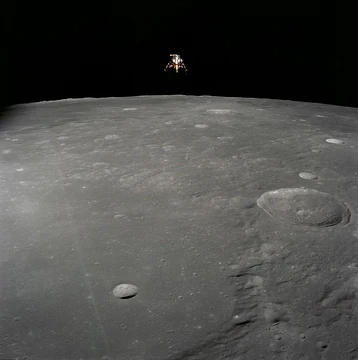
The Apollo program stands as the sole effort in history to successfully deliver human beings to the lunar surface, accomplishing this feat six separate times during the latter decades of the twentieth century. The inaugural landing occurred in 1969, when astronauts Buzz Aldrin and Neil Armstrong set down their spacecraft in the region known as Mare Tranquillitatis. Upon completing their mission objectives, the crew left behind scientific instruments designed for continued data collection and brought back physical lunar samples to Earth. This act of returning material from another celestial body represented a fundamental shift in humanity's relationship with the Moon, transforming it from a distant object of observation into a place that could be physically visited, studied, and from which tangible evidence could be carried home. All of these crewed missions took place on the near side of the Moon, the hemisphere perpetually facing Earth, which was the only region accessible to the technology of that era.
From Ancient Gazing to Physical Touch
The journey that culminated in Apollo astronauts collecting lunar material stretched back tens of thousands of years. Some scholars believe that cave paintings dating to as far back as 40,000 years ago, depicting bulls and geometric shapes, or tally sticks from 20,000 to 30,000 years ago, were used to track the waxing and waning phases of the Moon. Ancient civilizations across the globe—from the Sumerian priestess Enheduanna to Chinese Han dynasty philosophers and Indian astronomer Aryabhata—developed increasingly sophisticated understandings of the Moon's nature, including the recognition that its light was reflected sunlight. The invention of the optical telescope, with Galileo Galilei credited as the first to apply it to astronomy in 1609, revealed mountains and craters invisible to the naked eye. This long chain of observation, measurement, and theoretical reasoning ultimately paved the way for the physical exploration that began with the Soviet Luna 2 probe's deliberate impact on September 14, 1959, and reached its human apex with the Apollo sample returns.
Sample Return as a Scientific Milestone
The act of bringing lunar material back to Earth represented something qualitatively different from every prior form of lunar study. Before the Apollo era, all knowledge of the Moon's surface came from observations made from Earth—first with the naked eye, then through increasingly powerful telescopes. Galileo's 1609 drawings in Sidereus Nuncius revealed the surface was not smooth but pocked with mountains and craters. Later cartographers like Giovanni Battista Riccioli and Francesco Maria Grimaldi mapped and named features that persist on modern charts, designating dark regions as maria and lighter areas as terrae. Yet none of this observational work could provide direct physical evidence of the Moon's composition. The Apollo missions changed that paradigm: astronauts collected samples, left scientific instruments on the surface for continued measurement, and returned tangible material to laboratories on Earth. This transition from remote observation to direct physical contact with another world's geology marked a decisive step in the broader goals of lunar exploration.
A Legacy Extended to the Far Side
The Apollo program's sample returns, all conducted on the near side of the Moon, established a precedent that would eventually be extended to regions previously unreachable. For decades after the last Apollo landing, all lunar missions—whether crewed or uncrewed—remained confined to the hemisphere facing Earth. That changed in early 2019 when China's CNSA robotic spacecraft Chang'e 4 achieved the first soft landing on the far side, deploying the Yutu-2 rover to explore terrain never before visited by any human-made vehicle. The sample-return milestone was then extended further on June 25, 2024, when Chang'e 6 conducted the first-ever lunar sample return from the far side. These achievements build directly upon the foundation laid by Apollo's six near-side landings and the scientific instruments those crews left behind. The overarching goals of lunar exploration across all major space agencies now focus on continued survey of the lunar surface through successive missions, all in preparation for the eventual establishment of permanent human outposts on the Moon.
Gallery
Frequently Asked Questions
What is the Apollo Lunar Sample Return Container?
It is an aluminum canister, popularly nicknamed the 'rock box,' built to collect, seal, and transport lunar rocks and soil back to Earth. It served as the primary sample-collection vessel on crewed Apollo Moon landings from 1969 through 1972.
Who manufactured the Apollo Lunar Sample Return Container?
Union Carbide Corporation's Nuclear Division at the Y-12 National Security Complex produced the containers. A total of twelve units were built for the Apollo program.
How did the ALSRC keep lunar samples sealed and uncontaminated?
A triple-seal system combining knife-edge seals with high-temperature O-rings maintained an airtight closure and preserved a vacuum inside the canister. An aluminum mesh lining also cushioned the rock and soil samples against jolts during the return trip.
How did astronauts open and close the ALSRC while wearing bulky pressurized suits?
The container was fitted with toggle-lever latches and a T-bar handle so that even astronauts in thick gloves could operate the closure mechanism without needing fine finger dexterity.
Why is the Apollo Lunar Sample Return Container important to lunar exploration history?
It guaranteed that the lunar material returned by Apollo crews arrived on Earth uncontaminated and in a vacuum-sealed state, preserving the scientific integrity of samples that researchers still study decades later.
More in Exploration of the Moon 1-24
Spotted an error? Know more?
Reader corrections go straight into our review queue. Suggest an edit · How this site is sourced