Norfolk
A county of broads, fens, and medieval heritage.
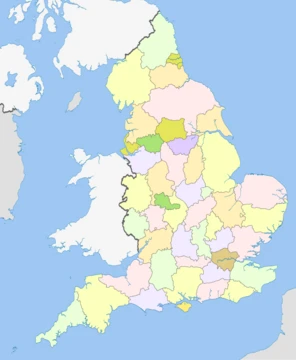
Norfolk is a ceremonial county in England, located in the East of England and East Anglia. It borders Lincolnshire and The Wash to the north-west, the North Sea to the north and east, Cambridgeshire to the west, and Suffolk to the south. The largest settlement is the city of Norwich.
- area
- 2,074 mi² (5,370 km²)
- estimated_population_2024
- 940,359
- largest_settlement
- Norwich
- county_type
- Ceremonial county, non-metropolitan county
- known_for
- Medieval wool trade, Kett's Rebellion, Broads, agriculture, tourism
Lore & Background
The area that was to become Norfolk was settled in pre-Roman times, with camps along the higher land in the west, where flints could be quarried. A Brittonic tribe, the Iceni, emerged in the 1st century BC. The Iceni revolted against the Roman invasion in AD 47, and again in 60 led by Boudica. The crushing of the second rebellion opened the area to the Romans. During the Roman era roads and ports were constructed throughout the area and farming was widespread. After the departure of the Romans, Germanic peoples from the North Sea area settled in the region. By the 5th century, the Angles had established control over the region. They later became known as the 'north folk' and the 'south folk,' giving rise to the names 'Norfolk' and 'Suffolk.' Norfolk, Suffolk, and nearby territories formed the Kingdom of East Anglia. During the high and late Middle Ages the county developed arable agriculture and woollen industries. Kett's Rebellion occurred in Norfolk during the reign of Edward VI, led by Robert Kett, and ended with the rebels defeated at the Battle of Dussindale. During the English Civil War Norfolk was largely Parliamentarian. During the Industrial Revolution Norfolk developed little industry, except in Norwich.
Reader's Guide
Norfolk is predominantly rural. Norwich is in the centre-east of the county, and its other principal settlements include Great Yarmouth on the east coast, Thetford in the south, and King's Lynn in the north-west. For local government purposes Norfolk is a non-metropolitan county with seven districts. The centre of Norfolk is gently undulating lowland. To the east are the northern half of the Broads, a network of rivers and lakes which extend into Suffolk and have a similar status to a national park. The west of the county contains part of the Fens, and to the south is part of Thetford Forest. The geology of the county includes clay and chalk deposits, which make its coast susceptible to erosion; the northern coast has been designated a national landscape.
Did You Know?
- Norfolk has more surviving medieval churches than any other county in Britain, with 659 out of an original total of over one thousand.
- The county's name comes from the Angles, who were known as the 'north folk.'
- Kett's Rebellion in 1549 saw some 16,000 rebels storm Norwich before being defeated at the Battle of Dussindale.
More in English Counties 1-24
Spotted an error? Know more?
This is a living reference — every entry is fact-audited, and reader corrections feed straight into our audit queue. Suggest an edit · See this site's audit record