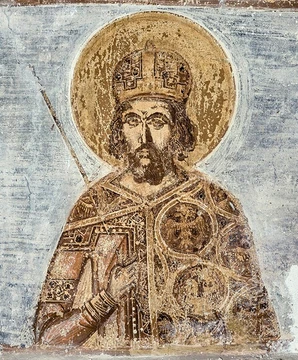
Alexios I Komnenos
Byzantine emperor who sparked the First Crusade.
Last updated
Alexios I Komnenos, who ruled the Byzantine Empire from 1081 until his death in 1118, seized power during a period of severe crisis. He managed to halt the empire's decline and launched the Komnenian restoration, a recovery in military strength, finances, and territory. His requests to Western Europe for aid against the Seljuk Turks directly led to the First Crusade. Though he was not the first emperor from the Komnenian dynasty, his reign established the family's dominance and made the throne hereditary.
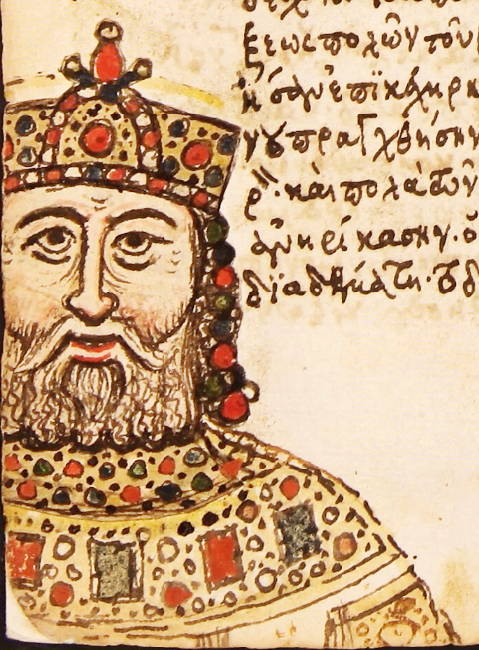
Biography
Born around 1057, Alexios was the son of John Komnenos and Anna Dalassene, and a nephew of the former emperor Isaac I Komnenos. He served with distinction under three different emperors before leading a rebellion in 1081 that overthrew Nikephoros III Botaneiates.
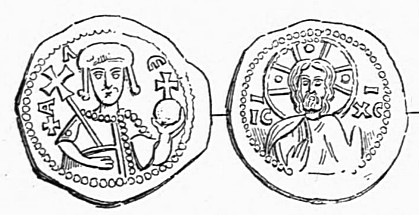
Immediately after taking the throne, he faced an invasion of the western Balkans by the Normans under Robert Guiscard and his son Bohemond. After initial setbacks, Alexios formed an alliance with Holy Roman Emperor Henry IV and pushed the Normans back, recovering most lost territory by 1085. In 1091, with help from Cuman allies, he won a decisive victory over the Pechenegs at the Battle of Levounion in Thrace.
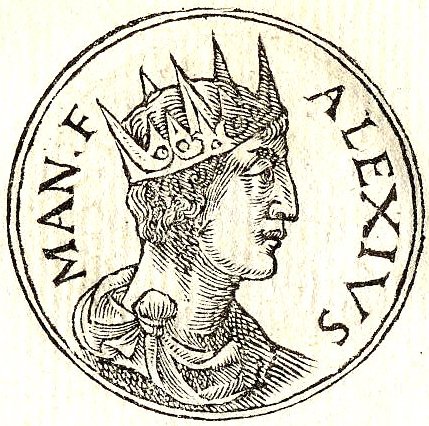
Byzantine–Seljuq Wars and the First Crusade
Later in the 1090s, Alexios turned his attention to Asia Minor, where the Seljuk Turks had taken control of most of the region. Seeking Western support, he made conciliatory moves toward the Papacy, and in 1095 his envoys formally appealed to Pope Urban II at the Council of Piacenza.
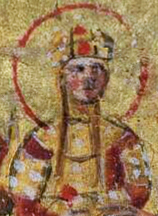
At the subsequent Council of Clermont, the Pope called for the First Crusade, which began a year later and ended with much of western Anatolia returning to Byzantine rule. Alexios died in 1118 and was succeeded by his son John II Komnenos. His reign and military campaigns were recorded by his daughter Anna Komnene in the Alexiad, a political and military history named after him.
Alexios's father had declined the throne when Isaac I abdicated, allowing Constantine X Doukas to become emperor. Alexios and his elder brother Manuel served under Romanos IV Diogenes against the Seljuk Turks. Under Michael VII Doukas and Nikephoros III Botaneiates, Alexios and his other brother Isaac were employed militarily against rebels in Asia Minor, Thrace, and Epirus. In 1074, Alexios subdued a rebellion of western mercenaries led by Roussel de Bailleul.
Lore & Background
As emperor, Alexios immediately faced a Norman invasion of the western Balkans under Robert Guiscard and his son Bohemond. Despite initial defeats, he secured an alliance with Holy Roman Emperor Henry IV and drove back the Normans, recovering most Byzantine losses by 1085.
In 1091, with Cuman allies, he achieved a decisive victory over the Pechenegs at the Battle of Levounion in Thrace. Later in the 1090s, he turned to Asia Minor, where most territory had fallen to the Seljuk Turks. His envoys made a formal appeal to Pope Urban II at the Council of Piacenza in 1095, leading to the First Crusade, which restored much of western Anatolia to Byzantine rule.
Reader's Guide
Alexios I Komnenos is significant for reversing the decline of the Byzantine Empire and initiating the Komnenian restoration, a period of military, financial, and territorial recovery. His reign marked the full rise of the Komnenos family and the establishment of hereditary succession. His appeal to Pope Urban II at the Council of Piacenza in 1095 directly catalyzed the First Crusade, which had lasting consequences for Byzantine-Western relations and the geopolitics of the Near East.
Although not the first Komnenian emperor, Alexios consolidated dynastic power and was succeeded by his son John II Komnenos. His life and campaigns were recorded by his daughter Anna Komnene in the Alexiad, a major historical source. His legacy includes both the stabilization of the empire and the unintended long-term effects of crusader involvement in Byzantine affairs.
Did You Know?
- Alexios was adopted by Empress Maria of Alania to secure the succession of her son Constantine Doukas.
- His mother Anna Dalassene played a prominent role in the coup of 1081, negotiating with Emperor Nikephoros III from Hagia Sophia.
Frequently Asked Questions
Who is Alexios I Komnenos?
Alexios I Komnenos was a Byzantine emperor who held the throne from 1081 until his death on 15 August 1118. Born around 1057 as the son of John Komnenos and Anna Dalassene, he is best remembered for stabilizing a crumbling empire and setting the First Crusade in motion.
How did Alexios I Komnenos come to power?
He seized the imperial throne in 1081 amid a severe political and military crisis that had left the Byzantine state on the verge of collapse. Although he was not the first member of the Komnenian family to wear the crown, his accession cemented the dynasty's long-term hold on the succession.
What is the Komnenian restoration?
It is the term used for the sweeping recovery of Byzantine military strength, financial health, and territorial control that Alexios I drove forward after taking the throne. His reforms effectively reversed much of the empire's earlier decline and laid the groundwork for the Komnenian dynasty's dominance.
How did Alexios I Komnenos connect to the First Crusade?
Confronted by persistent Seljuk Turk incursions, he dispatched urgent appeals to Western Europe requesting military aid. Those pleas ultimately inspired the papal call to arms that launched the First Crusade in 1096, making him the direct catalyst for that campaign.
More in Emperors Of The Byzantine And Roman World
Sources
Compiled from Wikipedia and the sources listed below. Text from Wikipedia is available under CC BY-SA 4.0; this entry is adapted from it.
- Wikipedia: Alexios I Komnenos (CC BY-SA 4.0).
Spotted an error? Know more?
Reader corrections go straight into our review queue. Suggest an edit · How this site is sourced