
Heat stroke
A life-threatening heat illness with multi-organ failure risk.

Solomon203 · CC BY-SA 4.0
Heat stroke, sometimes called sun-stroke, is a serious heat illness marked by a core body temperature above 40.0 °C (104.0 °F), along with red skin, headache, dizziness, and confusion. It is life-threatening because it can lead to multiple organs failing, with common complications such as seizures, muscle breakdown (rhabdomyolysis), or kidney failure. The onset can be either sudden or gradual.
In exertional heat stroke, the person usually sweats, whereas in classic heat stroke, sweating is typically absent. Early signs include behavioral changes, confusion, delirium, dizziness, weakness, agitation, combativeness, slurred speech, nausea, and vomiting. Some people with exertional heat stroke may also experience seizures and loss of bowel or bladder control. Rhabdomyolysis—where skeletal muscle breaks down and its byproducts enter the bloodstream, harming organs—is seen in exertional cases. Without prompt treatment, vital organ damage, unconsciousness, and organ failure can occur, and the condition can be fatal.
Heat stroke happens when the body’s temperature regulation is overwhelmed by a combination of high external heat, physical exertion, and poor heat loss. Factors that impair cooling or cause dehydration—such as alcohol, stimulants, medications, and age-related changes—make people more prone to classic (non-exertional) heat stroke, which often affects the elderly and frail during summer in poorly ventilated spaces. Young children are especially vulnerable due to a larger surface area relative to their body mass (which absorbs more heat), an underdeveloped thermoregulatory system, lower sweating rates, and a smaller blood volume relative to body size, which limits heat dissipation.
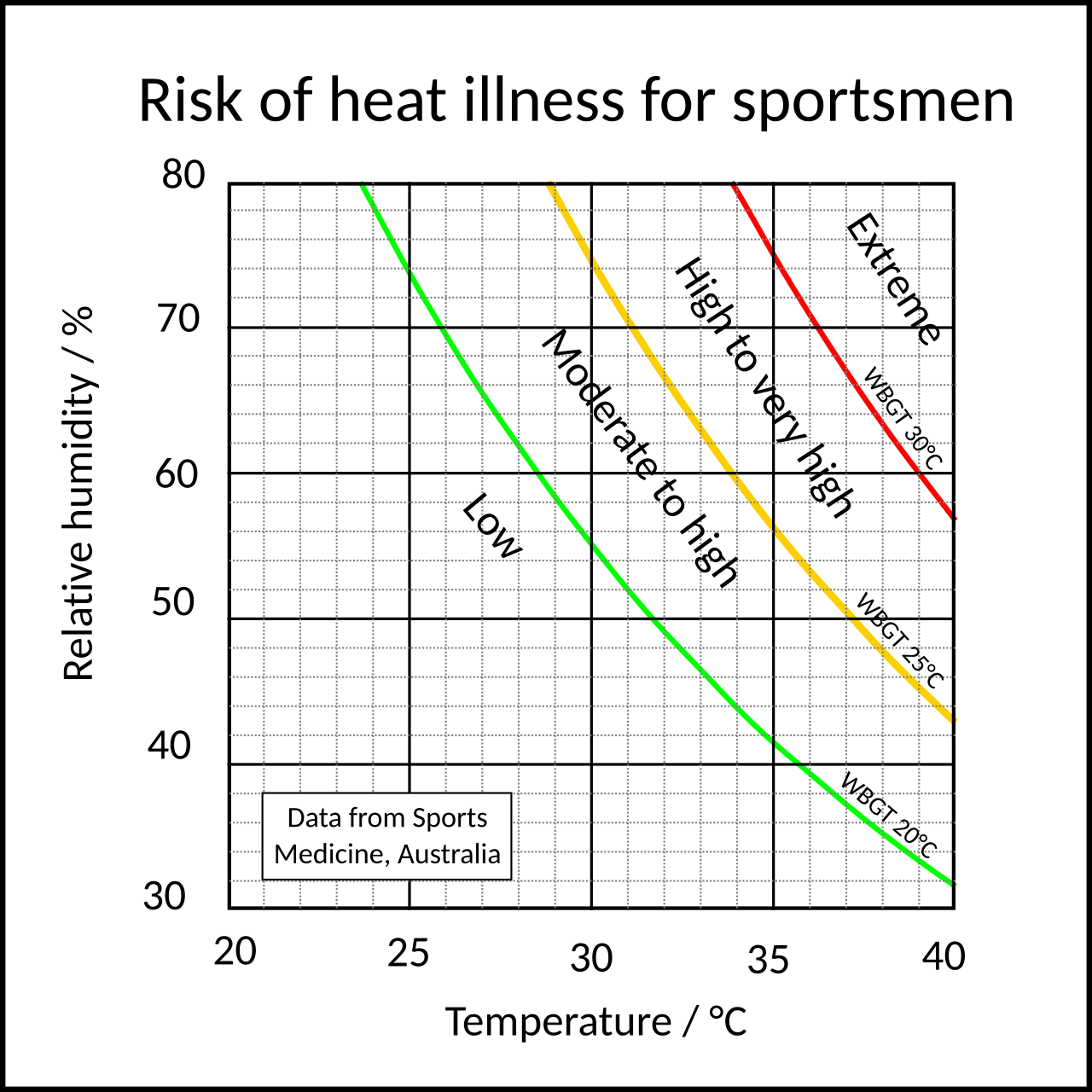
Exertional heat stroke can strike healthy young people—often athletes, outdoor workers, military personnel, or first responders in heavy gear—during strenuous activity in hot weather. High humidity makes it harder for the body to cool itself through sweat evaporation. For humans and other warm-blooded animals, excessive body temperature can disrupt enzymes that control essential cellular processes and organ function.
A car parked in direct sunlight can quickly reach over 49 °C (120 °F) even when the outside temperature is only 21 °C (70 °F). Young children and elderly adults left alone in a vehicle are at high risk, as they may not be able to open doors or call for help.
Quick Facts
- Field
- Emergency medicine
- Symptoms
- High body temperature, red, dry or damp skin, headache, dizziness, confusion, nausea
- Complications
- Seizures, rhabdomyolysis, kidney failure
- Duration
- 1-2 days in the hospital (typical recovery period) · 2 months to a year (complete recovery period range)
- Types
- Classic, exertional
- Causes
- High external temperatures, physical exertion
- Risks
- Extremes of age, heat waves, high humidity, certain drugs, heart disease, skin disorders
- Diagnosis
- Based on symptoms
- Differential
- Neuroleptic malignant syndrome, malaria, meningitis
- Treatment
- Rapid cooling, supportive care
- Prognosis
- Risk of death <5% (exercise induced), 21-65% among hospitalized patients (non-exercise induced)
- Deaths
- > 600 per year (US)
Facts from the source article.
Lore & Background
Heat stroke occurs because of high external temperatures and/or physical exertion, usually under preventable prolonged exposure to extreme environmental or exertional heat. Certain health conditions can increase the risk, and patients, especially children, with certain genetic predispositions are vulnerable under relatively mild conditions. Sweating is generally present in exertional heatstroke, but not in classic heatstroke. Early symptoms include behavioral changes, confusion, delirium, dizziness, weakness, agitation, combativeness, slurred speech, nausea, and vomiting. In exertional heatstroke, seizures and sphincter incontinence have also been reported. Rhabdomyolysis, characterized by skeletal muscle breakdown, is seen with exertional heatstroke. If treatment is delayed, patients could develop vital organ damage, unconsciousness, and organ failure. The pathophysiology involves an intense heat overload followed by failure of thermoregulatory mechanisms, leading to inflammatory and coagulation responses that can damage the vascular endothelium. Growing evidence also suggests a second pathway involving heat and exercise-driven endotoxemia, where extreme exercise and heat disrupt the intestinal barrier, allowing lipopolysaccharides from gut bacteria to enter the circulatory system and trigger systemic inflammation.
Reader's Guide
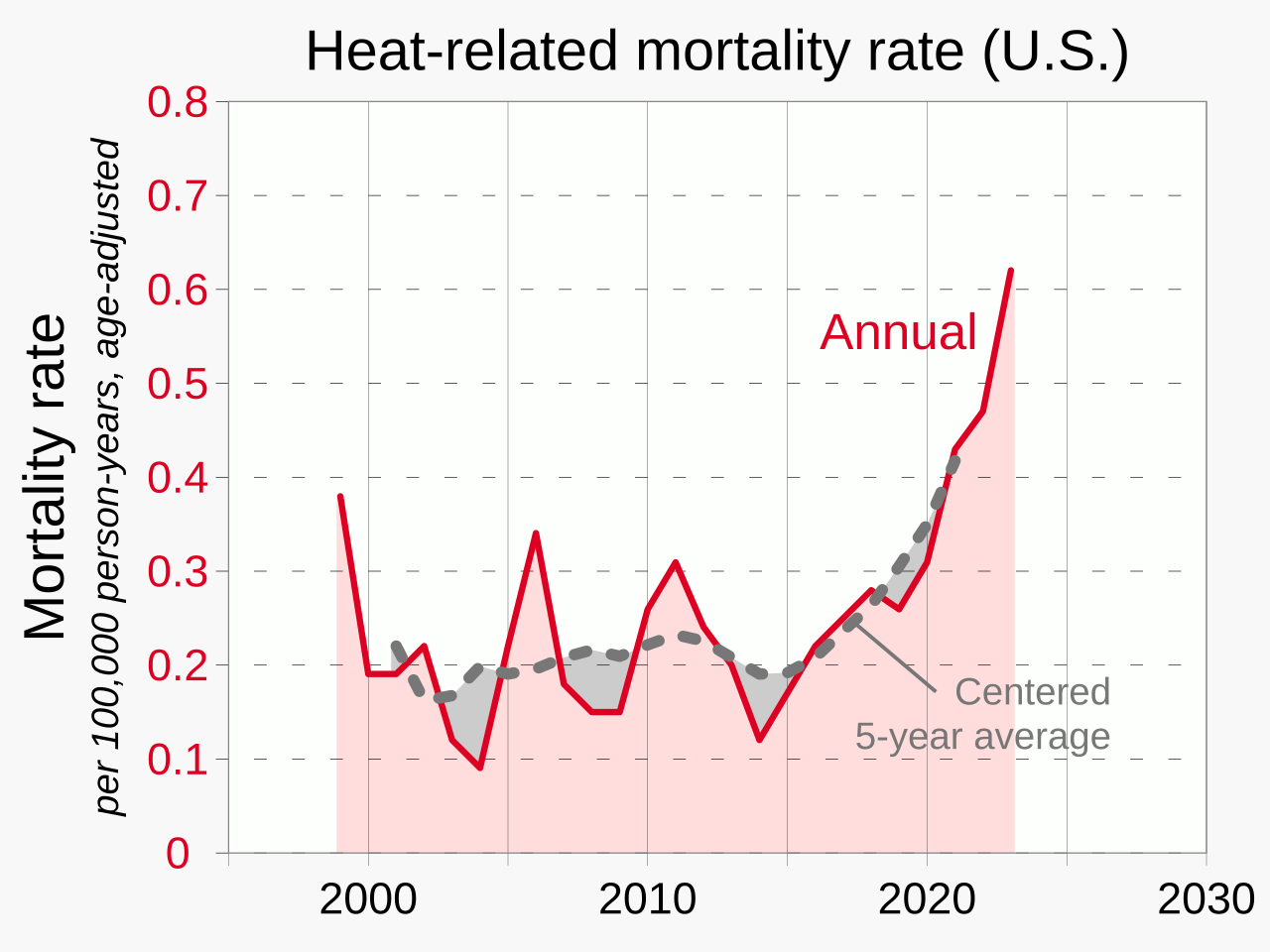
Heat stroke is a notable medical emergency because it can be fatal even in healthy individuals if left in a heatstroke-inducing environment without medical attention. Non-exertional heatstroke is a much greater danger than purely exercise-induced heat stroke, which tends to be self-limiting. Rates of heat stroke deaths in the United States increased between 1995 and 2015. Preventive measures include drinking sufficient fluids, avoiding excessive heat, wearing light loose-fitting clothes, and avoiding strenuous exercise during hot weather. Treatment is by rapid physical cooling of the body and supportive care, with recommended methods including spraying with water and using a fan, immersion in ice water, or giving cold intravenous fluids. Adding ice packs is beneficial but does not by itself achieve the fastest possible cooling. The condition is diagnosed based on elevated core body temperature, history of heat exposure or exertion, and neurologic dysfunction, though high body temperature alone does not necessarily indicate heat stroke. A core body temperature measured rectally is preferred for accuracy.
Did You Know?
- Heat stroke results in more than 600 deaths a year in the United States.
- Between 21% and 65% of those hospitalized with heat stroke die in the hospital.
- When the outside temperature is 21 °C (70 °F), the temperature inside a car parked in direct sunlight can quickly exceed 49 °C (120 °F).
- Dogs are even more susceptible than humans to heat stroke in cars because they cannot produce whole-body sweat to cool themselves.
The Clinical Picture: Two Distinct Faces of a Lethal Condition
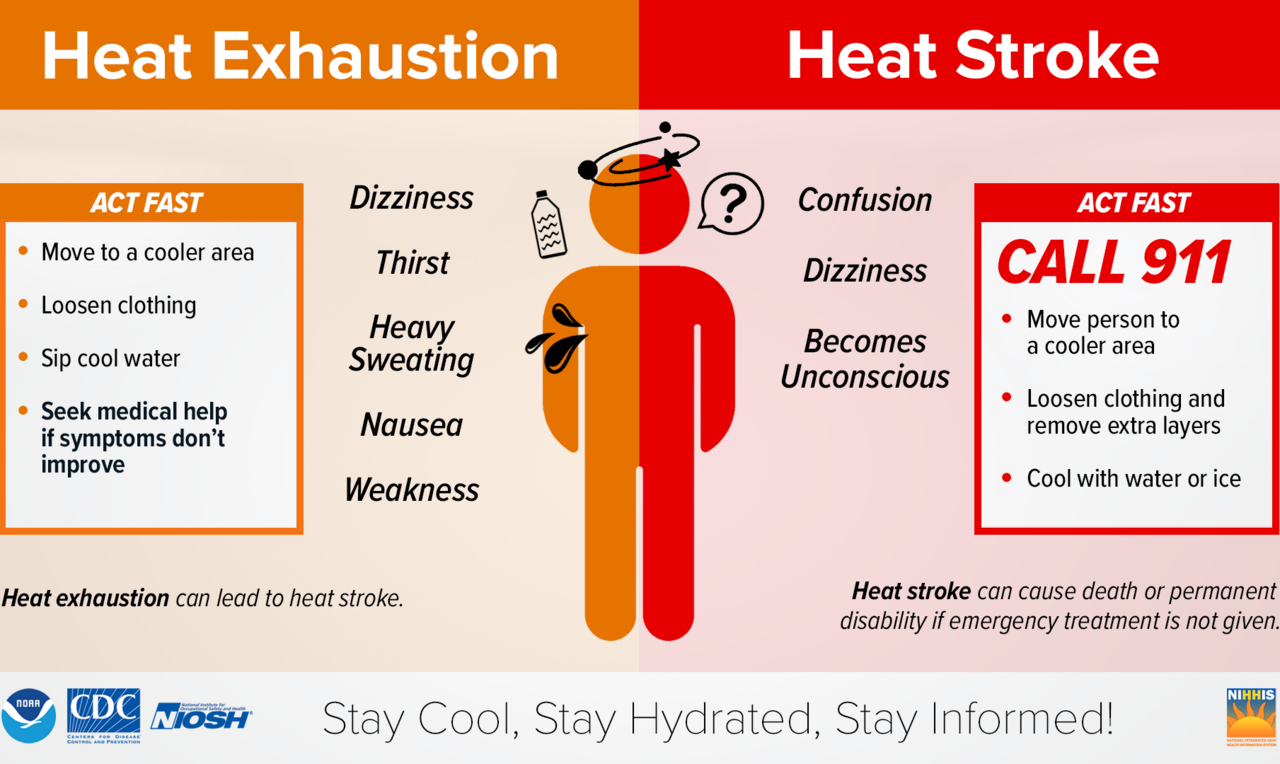
Heat stroke announces itself with a core temperature climbing past 40 °C (104 °F) accompanied by neurological disturbance—confusion, disorientation, and in some cases delirium or combativeness. The condition can strike suddenly or build gradually, and its early warning signs include dizziness, slurred speech, nausea, vomiting, weakness, and agitation. What distinguishes the two major forms is the behavior of the skin: in classic, non-exertional heatstroke the person typically stops sweating, while in exertional heatstroke profuse sweating is the norm. Exertional cases also carry a higher likelihood of seizures, loss of sphincter control, and rhabdomyolysis, a process in which skeletal muscle tissue breaks down and floods the bloodstream with toxic byproducts that damage other organs. If the body is not cooled in time, the cascade escalates toward multi-organ dysfunction, kidney failure, unconsciousness, and ultimately death. Red, flushed skin and persistent headache round out the hallmark presentation that emergency clinicians look for.
Who Falls Vulnerable: Risk Factors and the Failure of Thermoregulation
Heat stroke fundamentally occurs when the body's cooling systems are overwhelmed by a combination of excessive internal heat production, an extreme external environment, and impaired heat dissipation. For classic, non-exertional cases, the highest-risk group is elderly or infirm individuals during hot, poorly ventilated summer conditions, particularly those whose cooling is further compromised by alcohol, stimulants, certain medications, or age-related physiological changes. Young children face a distinct set of vulnerabilities: their larger surface-area-to-mass ratio absorbs environmental heat more readily, their thermoregulatory machinery is still immature, their sweating rate is lower, and their smaller blood volume relative to body size limits the body's ability to redirect circulation to the skin for heat release. In exertional heatstroke, the danger shifts to young, otherwise healthy people—athletes, outdoor laborers, military personnel, and first responders in heavy protective gear—who push their metabolic heat output beyond what the environment allows them to shed. Humidity compounds the problem by reducing evaporative cooling, and at extreme temperatures the enzymes that regulate cellular respiration and organ function begin to break down.
Cooling the Body: Treatment, Prevention, and the Car Trap
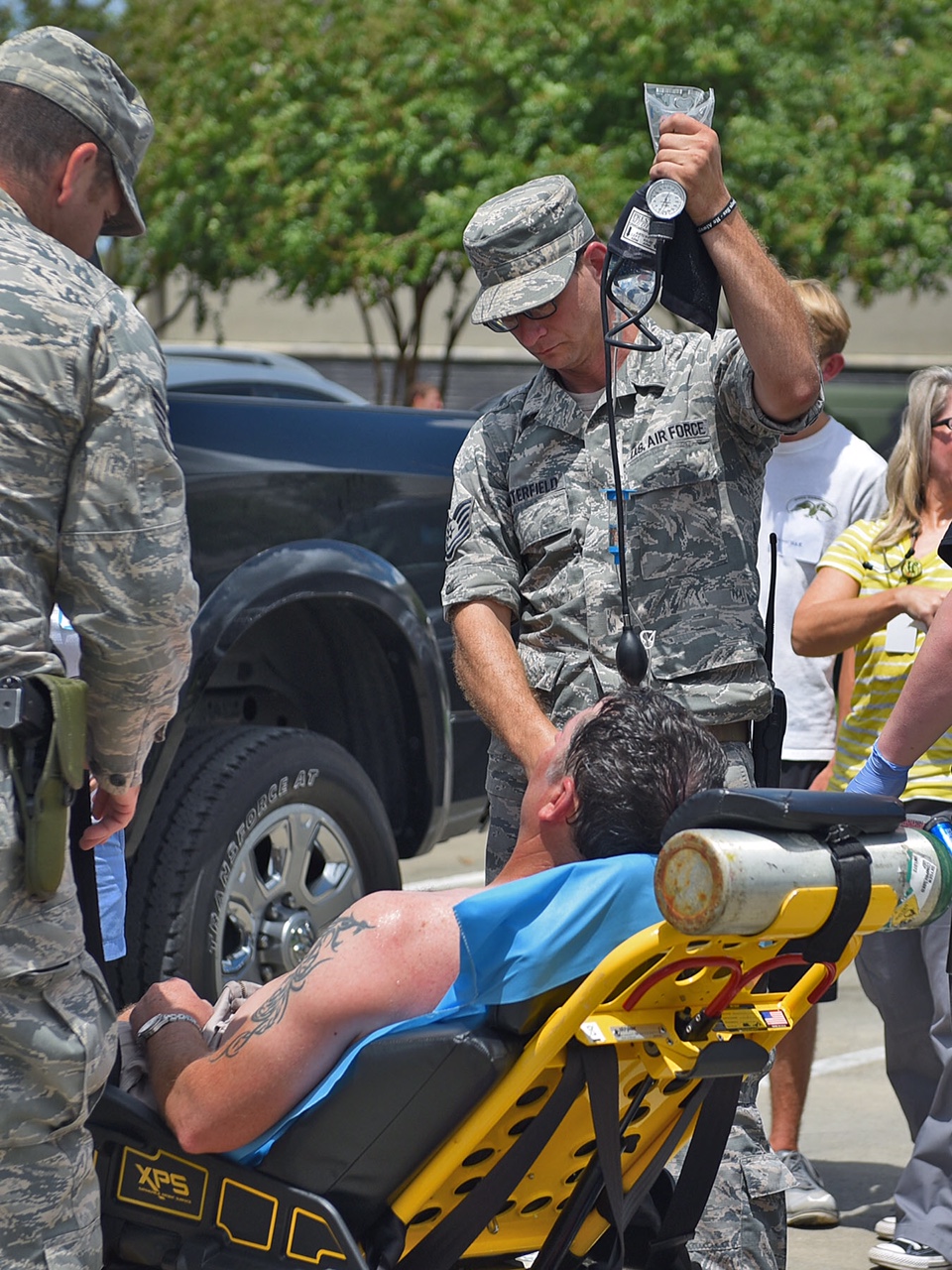
Once heat stroke is recognized, the medical priority is rapid physical cooling combined with supportive care. Recommended interventions include spraying the patient with water while directing a fan at the skin, immersing the person in ice water, or administering cold intravenous fluids. Ice packs placed around the body add benefit but, on their own, do not achieve the fastest possible temperature drop. Prevention centers on two simple principles: drinking adequate fluids and avoiding prolonged exposure to extreme heat. Yet the danger is not limited to open-air settings. A car parked in direct sunlight can see its interior temperature surge past 49 °C (120 °F) even when the outside air is a mild 21 °C (70 °F), and heat stroke in a child or elderly adult trapped inside can develop within minutes, even with a window cracked open. In 2018, fifty-one children died in hot vehicles in the United States. Dogs are even more at risk in enclosed cars because they cannot produce whole-body sweat; the safest option on a hot day is to leave them at home with water, or tie them in shade outside with a full bowl.
The Mortality Toll and the Stakes of Delay
Despite being largely preventable, heat stroke claims more than six hundred lives every year in the United States, and mortality rates climbed between 1995 and 2015. The two forms carry very different fatality profiles. Purely exercise-induced heatstroke, while a genuine medical emergency, tends to be self-limiting—cramps or exhaustion usually force the person to stop—and fewer than five percent of such cases end in death. Non-exertional heatstroke is far more lethal: a completely healthy individual left in a heatstroke-inducing environment without prompt medical attention can continue deteriorating to the point of death. Among those who do reach the hospital, between twenty-one and sixty-five percent die during their stay, a staggering range that underscores how quickly the condition can spiral into multi-organ failure. The underlying pathology involves intense heat overload triggering inflammatory and coagulation responses that damage the vascular lining, disrupt platelet function, and in some models allow bacterial endotoxins to leak from a compromised intestinal barrier into the bloodstream, compounding the systemic damage. Delay in treatment converts a survivable emergency into a fatal cascade.
Gallery

Frequently Asked Questions
What is Heat stroke?
Heat stroke is a severe heat-related illness in which the body's core temperature climbs past 40.0 °C (104.0 °F), accompanied by flushed skin, headache, dizziness, and mental confusion. It is classified as a medical emergency because it can trigger cascading failure across multiple organs.
What are Heat stroke's key warning signs?
Early indicators include behavioral changes, confusion, delirium, dizziness, weakness, and agitation, while the full presentation adds red skin and a core temperature above the 104.0 °F threshold. Depending on the variant, the affected person may or may not be sweating.
What are Heat stroke's two main variants?
In exertional heat stroke the individual typically continues to sweat, whereas in classic heat stroke sweating is usually absent. The onset can be either sudden or gradual in either form.
How significant is Heat stroke as a public-health threat?
More than 600 heat-related deaths occur in the United States each year, and in 2018 alone 51 children died after being trapped in hot cars. These figures underscore why Heat stroke is treated as a life-threatening emergency requiring immediate intervention.
More in Effects of External Causes 1-24
Spotted an error? Know more?
Reader corrections go straight into our review queue. Suggest an edit · How this site is sourced