
Balsam of Peru
A common allergen used in flavoring, fragrance, and medicine.

Wikimedia Commons · CC BY 4.0
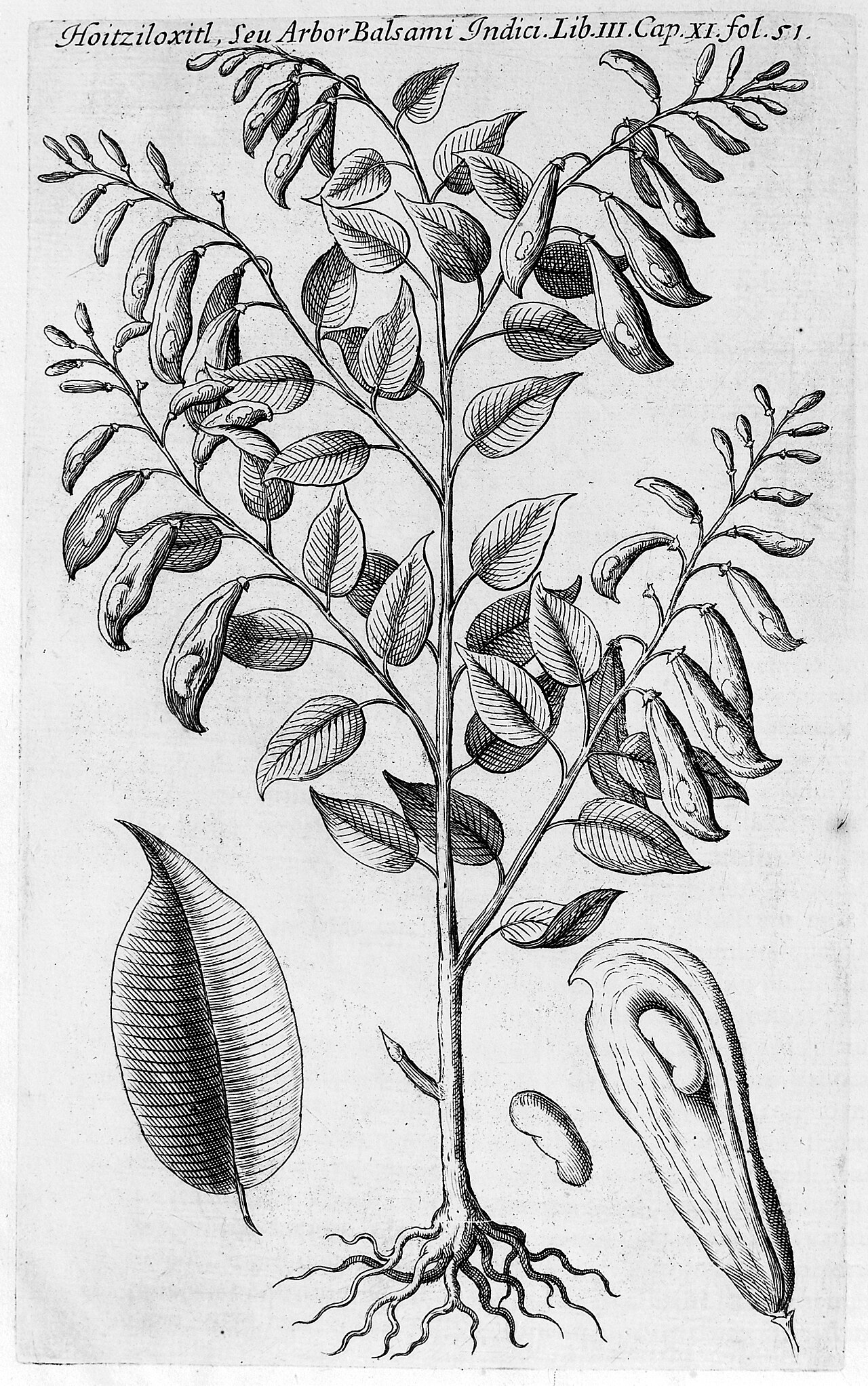
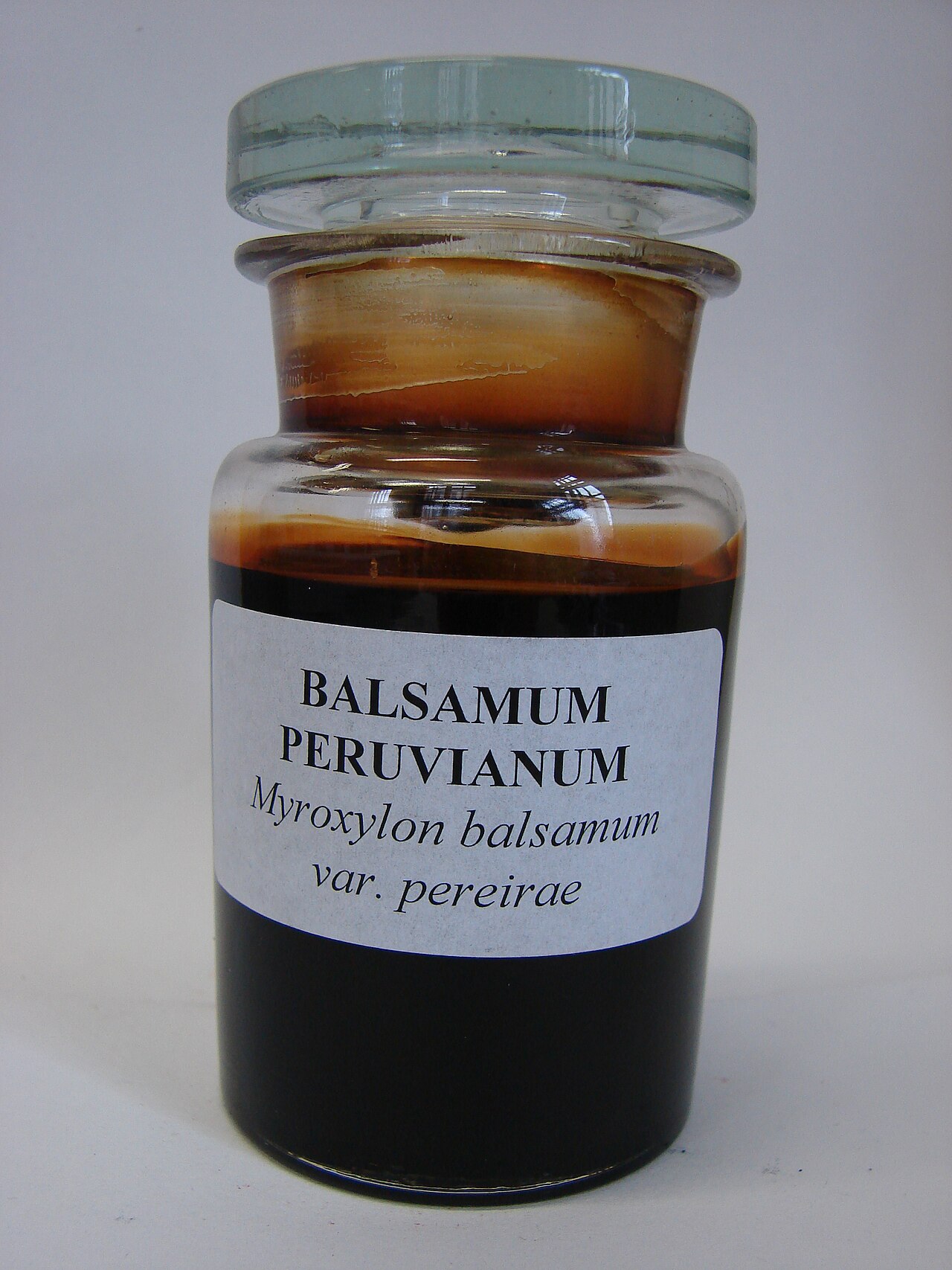
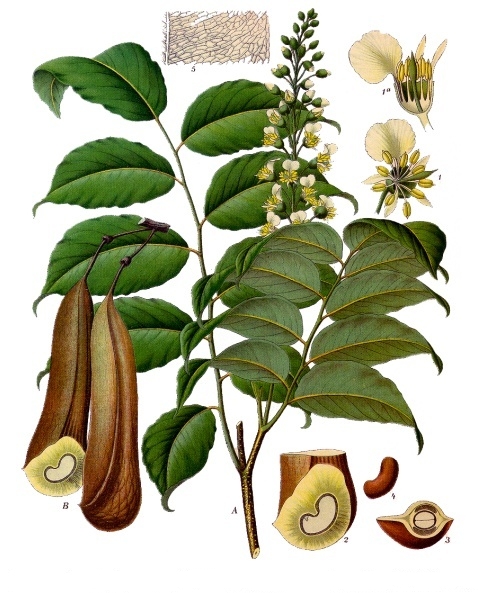
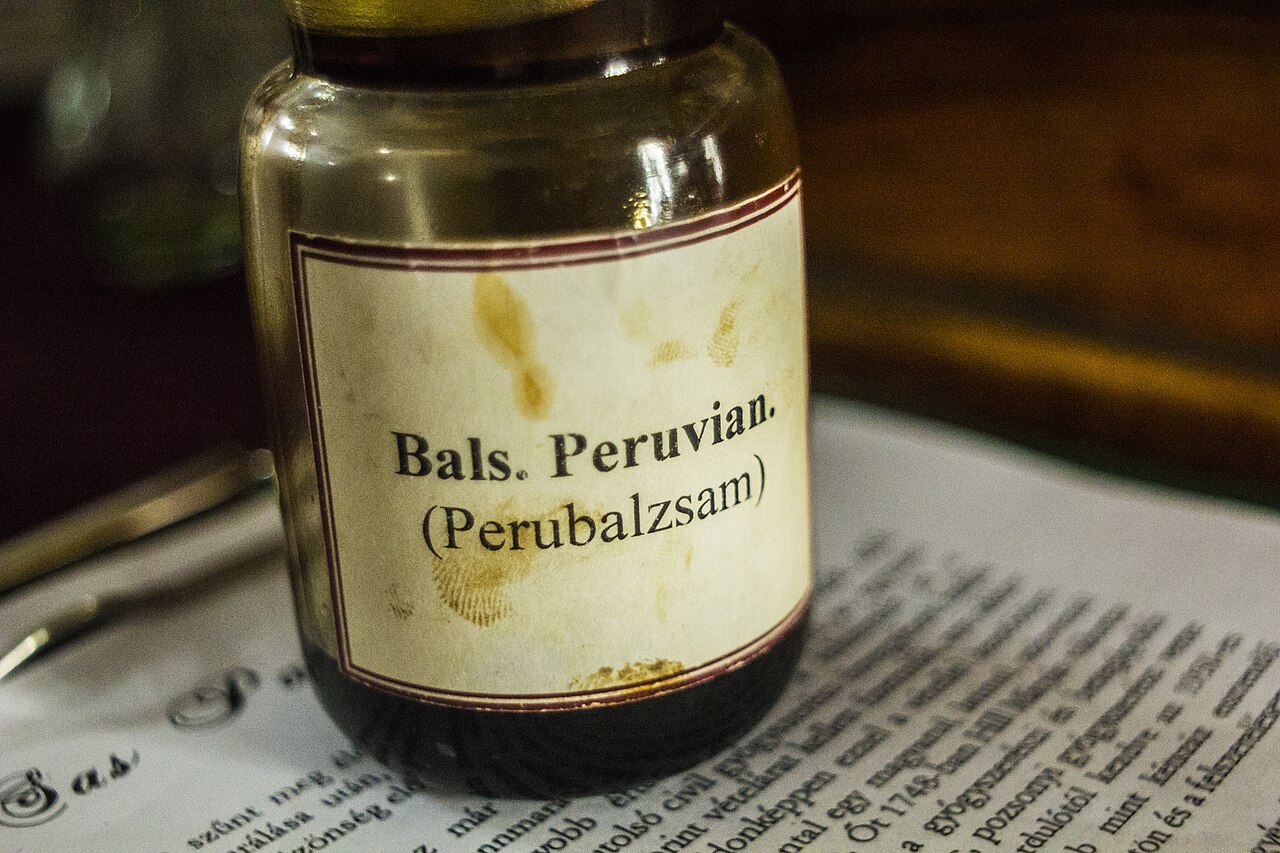
Balsam of Peru, also known as Peru balsam, is a balsam derived from the tree Myroxylon balsamum var. pereirae, found in Central and South America. It is notable for its widespread use in food, drink, perfumes, toiletries, and medicinal products, as well as for being one of the top five allergens most commonly causing patch test reactions in dermatology clinics.
- Allergen rank
- top five allergens most commonly causing patch test reactions
- General population allergy rate
- 3.8%
- Refractive index
- 1.597
- Maximum allowed extract level in fragran
- 0.4%
- Year crude balsam banned by ifra
- 1982
- Year eu opinion issued
- 2006
Lore & Background
The name 'balsam of Peru' is a misnomer. During the early Spanish conquest of Central and South America, the balsam was collected in Central America and shipped to Callao (the port of Lima) in Peru, then onward to Europe, acquiring the name from its shipping route. Its export to Europe was first documented in the seventeenth century in the German pharmacopoeia. Today it is extracted under a handicraft process and is mainly exported from El Salvador.
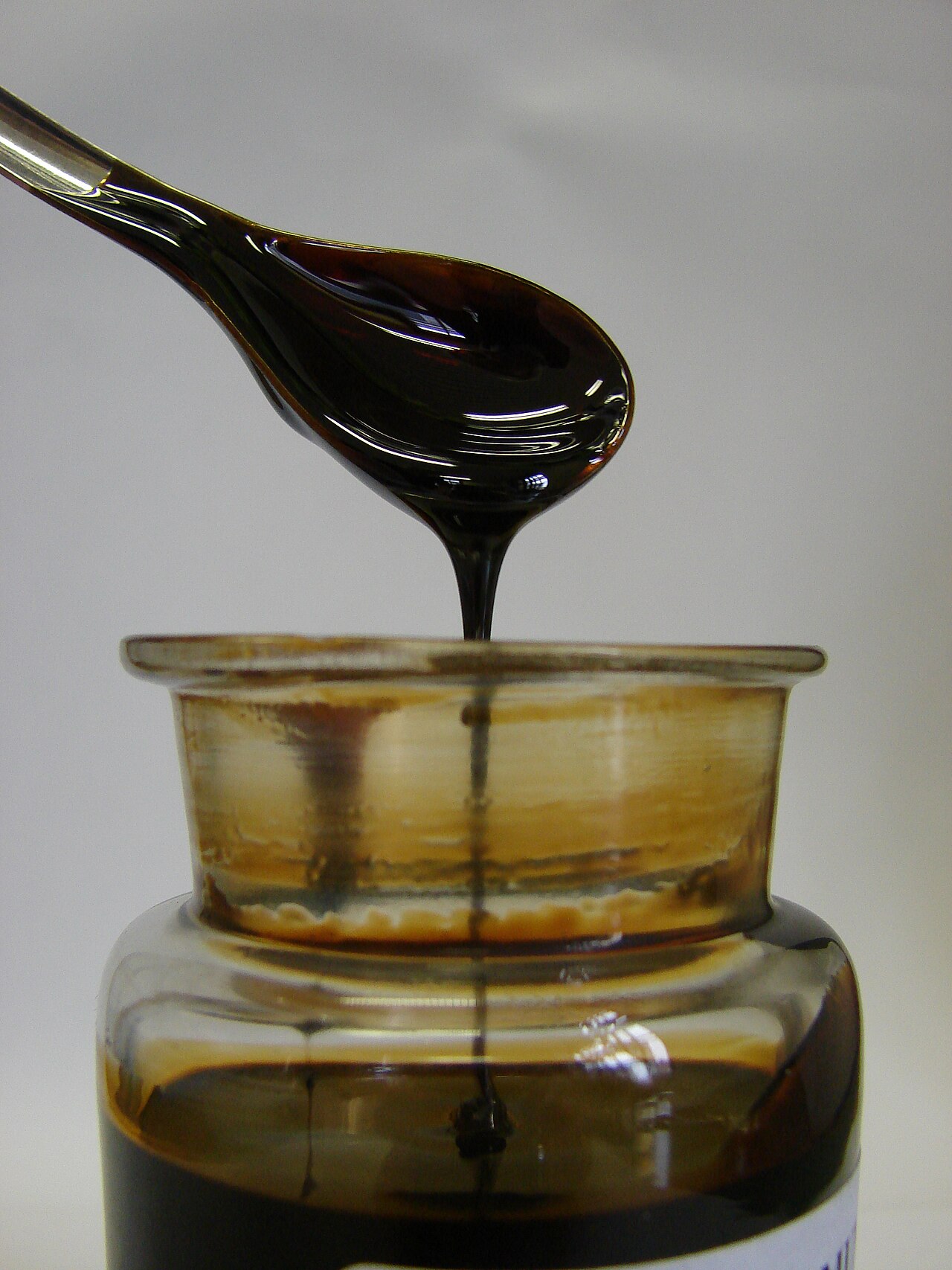
The balsam is obtained by using rags to soak up the resin after strips of bark are removed from the trunk of Myroxylon balsamum var. pereirae, then boiling the rags and letting the balsam sink in water. It is an aromatic dark-brown oily fluid with a sweet, balsamic, vanilla, woody, powdery, and resinous aroma. It contains about 25 different substances, including cinnamein, cinnamic acid, cinnamyl cinnamate, benzyl benzoate, benzoic acid, vanillin, cinnamyl alcohol, cinnamaldehyde, farnesol, and nerolidol, with 30–40% consisting of resins or esters of unknown composition.
Reader's Guide
Balsam of Peru is significant as a versatile ingredient in consumer products and as a leading cause of allergic contact dermatitis. It is used in foods and drinks (e.g., caffeinated and alcoholic beverages, soft drinks, preserved citrus, tomato products, sauces, pickled vegetables, sweets), in perfumes and toiletries (e.g., colognes, deodorants, soaps, shampoos, lipsticks, sunscreens), and in medicinal products (e.g., toothpaste, mouthwash, hemorrhoid suppositories, cough medicine, diaper rash ointments, tincture of benzoin, wound spray, dental cement). It also appears in scented tobacco, cleaning products, pesticides, insect repellants, air fresheners, scented candles, and oil paint.
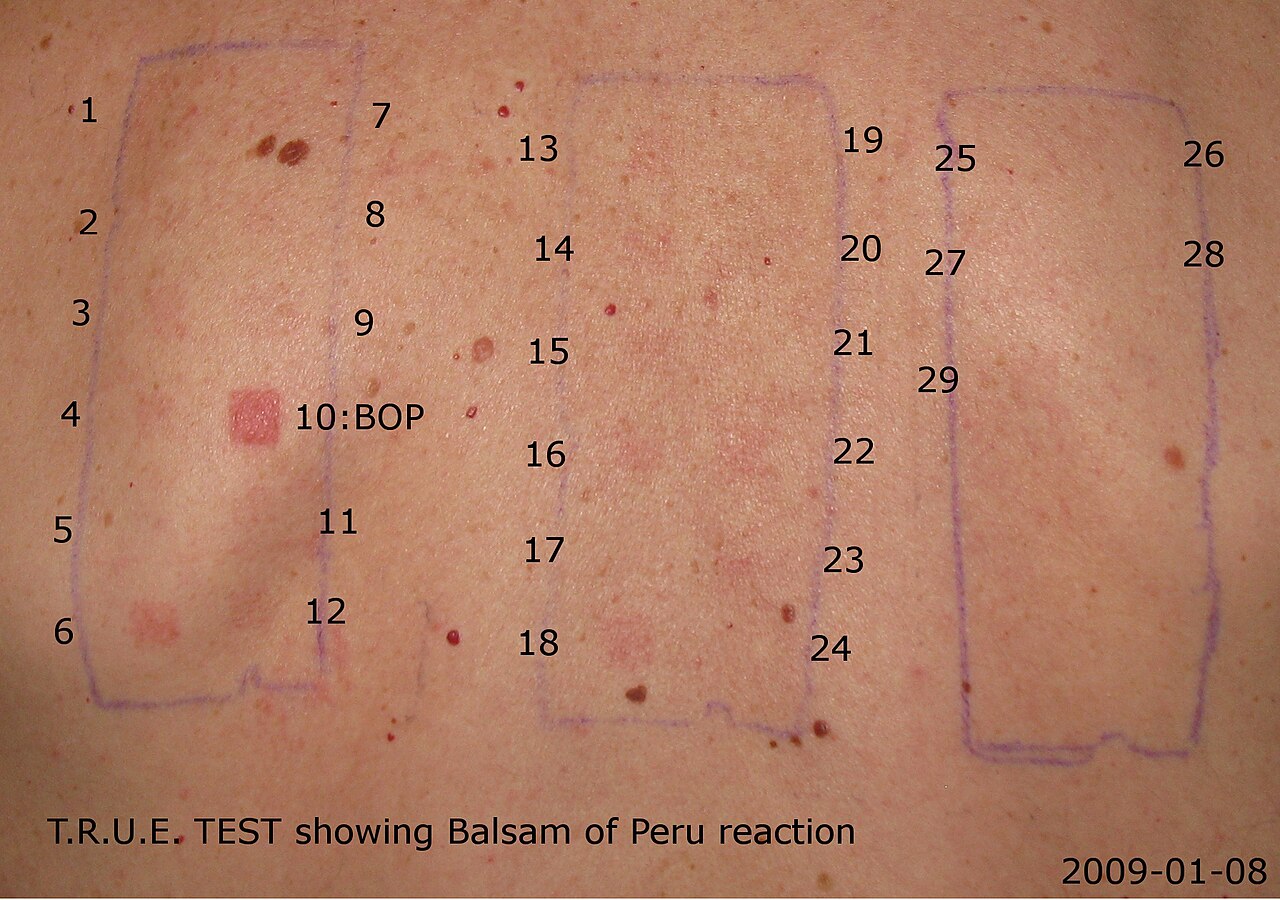
Its legacy is marked by regulatory actions due to allergic reactions. Since 1982, crude balsam of Peru has been banned by the International Fragrance Association from use as a fragrance compound, though extracts and distillates are allowed up to 0.4% in products. In 2006, the European Commission confirmed that crude balsam should not be used as a fragrance ingredient but that extracts and distillates can be used at that maximum level. Despite labeling conventions, it may not always be listed by name, sometimes appearing simply as 'fragrance.' A positive patch test is used to diagnose allergy, and affected individuals may need to avoid certain foods, medications, and perfumed products.
Did You Know?
- A 2001 study found that 3.8% of the general population patch tested was allergic to it.
- Crude balsam of Peru has been banned as a fragrance ingredient since 1982, but extracts and distillates are allowed up to 0.4% in products.
From Tree to Oily Resin
Balsam of Peru is extracted from the trunk of Myroxylon balsamum var. pereirae, a tree native to the forests of Central and South America. The harvesting process is deceptively simple yet labor-intensive: workers strip away sections of bark from the trunk, exposing the resinous tissue beneath. Rags are then pressed against the wounded surface to absorb the flowing resin. Once saturated, these rags are collected and boiled in water. As the mixture cools, the balsam separates and sinks to the bottom, yielding an aromatic, dark-brown oily fluid. This crude product carries a complex scent profile that has been described as sweet, balsamic, vanilla-like, woody, powdery, and resinous. Despite its straightforward extraction method, the resulting substance is chemically far from simple, containing a rich tapestry of organic compounds that make it valuable across multiple industries. The tree's geographic range in the Americas and the manual nature of the bark-stripping process mean that supply remains tied to specific tropical ecosystems, distinguishing it from synthetic flavoring agents that now compete in the marketplace.
A Mosaic of Organic Compounds
Chemically, balsam of Peru is a complex mixture containing roughly twenty-five identifiable substances. Among the named components are cinnamein, cinnamic acid, cinnamyl cinnamate, benzyl benzoate, benzoic acid, and vanillin. Additional constituents include cinnamyl alcohol, cinnamaldehyde, farnesol, and nerolidol. However, a significant portion of the material—approximately thirty to forty percent—consists of resins or esters whose exact composition remains unknown, adding a layer of chemical mystery to an already intricate blend. This diversity of molecules is what gives the balsam its multifaceted aromatic character, spanning sweet, balsamic, vanilla, woody, powdery, and resinous notes. The presence of vanillin and cinnamaldehyde, for instance, helps explain why the substance is so effective as a flavoring agent in foods ranging from cola and root beer to ketchup and barbecue sauces. Meanwhile, the esters and resins contribute to its utility as a mounting medium in microscopy, where its transparency and refractive index of 1.597 closely match those of common optical glasses. The interplay of these known and unknown components makes balsam of Peru both a practical industrial material and a subject of ongoing chemical investigation.
From Ketchup to Microscope Slides
The applications of balsam of Peru span an astonishing breadth of consumer products. In the food and beverage industry, it serves as a flavoring agent in caffeinated drinks like flavored coffee and tea, alcoholic beverages including wine, beer, gin, and liqueurs, soft drinks such as cola and root beer, preserved citrus products like candied peel and marmalade, tomato-based items including ketchup and red-sauce dishes, sauces like chili and barbecue, pickled vegetables, and sweets ranging from baked goods to chewing gum and ice cream. In the fragrance world, it appears in colognes, deodorants, soaps, shampoos, conditioners, after-shave lotions, lipsticks, creams, ointments, baby powders, and sunscreens, and is listed as a key note in designer perfumes such as Tom Ford Lost Cherry and Montale Red Vetiver. In medicine, it functions as both an antiseptic and flavoring in toothpaste, mouthwash, hemorrhoid ointments, cough suppressants, diaper rash creams, and wound sprays, with test-tube studies suggesting it can inhibit Mycobacterium tuberculosis and H. pylori. Beyond these primary uses, purified balsam of Peru serves as a mounting medium for microscope specimens due to its optical properties, and it also appears in scented tobacco, cleaning products, pesticides, insect repellants, air fresheners, scented candles, and oil paint.
A Persistent Allergen
Balsam of Peru holds a troubling distinction in dermatology: numerous national and international surveys have consistently placed it among the top five allergens most frequently identified in patch test reactions at dermatology clinics. A 2001 study found that 3.8 percent of the general population tested positive for sensitivity to it. The reactions it triggers are varied and can be severe, including redness, swelling, itching, blisters, and allergic contact dermatitis. Oral exposure can produce stomatitis—painful inflammation of the mouth and tongue—and cheilitis, involving painful erosion of the lips and surrounding mucosa. Ingestion may lead to perianal dermatitis, possibly from unabsorbed compounds in feces, while other documented reactions include hand eczema flares, generalized or resistant plantar dermatitis, rhinitis, and conjunctivitis. A striking Swiss case documented a woman who reacted allergically to her partner's semen after he had consumed large quantities of Coca-Cola. Diagnosis relies on a positive patch test, and because the substance may be hidden under the generic label "fragrance" or appear under one of its many alternative names, patients often must contact manufacturers directly to identify exposure sources. Before 1977, it served as the primary marker for perfume allergy, a role it still fulfills today.
Gallery
Frequently Asked Questions
Who is Balsam of Peru?
Balsam of Peru is a natural resin extracted from the tree Myroxylon balsamum var. pereirae, native to Central and South America. It goes by several names, including Peru balsam, and is best known in the real world as a widely used ingredient and a well-documented contact allergen.
What are Balsam of Peru's powers and role?
It appears in a surprisingly broad range of consumer products, from food flavoring and beverages to perfumes, toiletries, and medicinal formulations. In dermatology clinics, it consistently ranks among the top five allergens responsible for positive patch-test reactions, affecting roughly 3.8% of the general population.
Why is Balsam of Peru important to fans of external-cause effects?
It sits at the intersection of everyday consumer exposure and clinical allergy, making it one of the most frequently encountered and studied contact sensitizers in dermatology. Its dual identity as a pleasant-smelling ingredient and a leading patch-test allergen gives it a uniquely layered profile in the canon.
What is Balsam of Peru's refractive index?
The substance has a refractive index of 1.597, a physical-chemistry property that helps laboratories identify and characterize the resin during quality-control testing.
More in Effects of External Causes 1-24
Spotted an error? Know more?
Reader corrections go straight into our review queue. Suggest an edit · How this site is sourced