
Decompression sickness
Decompression sickness is caused by gas bubbles forming in body tissues.

玄史生 · Public domain
Decompression sickness (DCS)—also called the bends, divers' disease, aerobullosis, or caisson disease—happens when gases that have dissolved in the body come out of solution and form bubbles in tissues during decompression. This condition is most common during or just after a diver ascends from depth, but it can also be triggered by other pressure drops: leaving a caisson, decompressing from saturation, flying in an unpressurized aircraft at high altitude, or performing a spacewalk. Together with arterial gas embolism, DCS is known as decompression illness.
Because bubbles can form or travel to any part of the body, symptoms range widely—from joint pain and skin rashes to paralysis and death. The condition often settles in major joints like the knees or elbows, causing such severe pain that sufferers bend over, which is why it’s called the bends. Susceptibility varies from day to person; under identical conditions, some people get sick while others don’t. The way DCS is classified by symptoms has changed since it was first described in the 1800s. Symptoms can be barely noticeable or rapidly fatal.
DCS occurs after exposure to increased pressure while breathing a gas that contains a metabolically inert component, followed by decompression too fast for that gas to be harmlessly breathed out. It can also happen during an upward excursion from a state of saturation by inert gas, or a combination of these. The theoretical risk of DCS is controlled by the tissue compartment with the highest inert gas concentration—for decompression from saturation, that’s the slowest tissue to release gas.
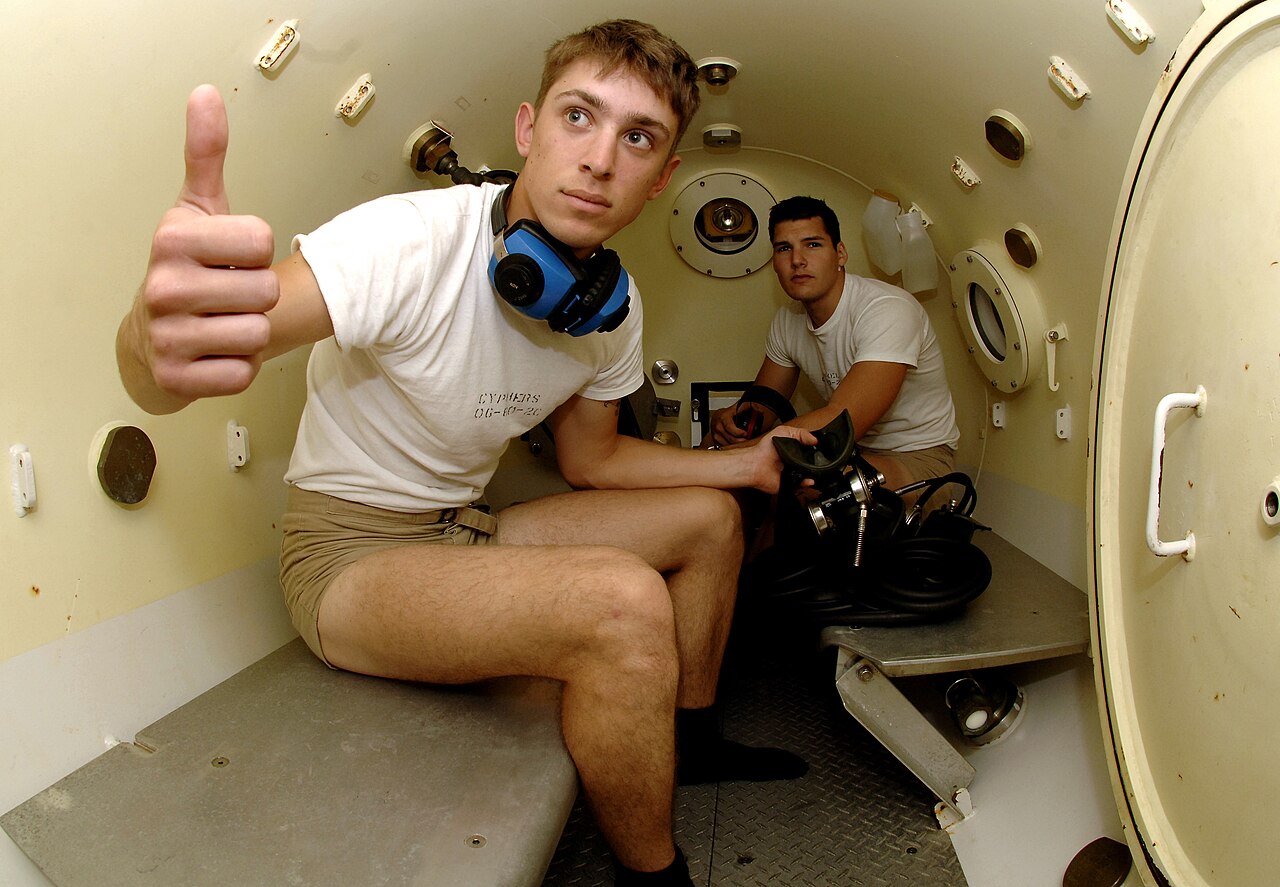
The risk can be managed with proper decompression procedures, and DCS has become uncommon. Its potential severity has driven extensive prevention research, and divers almost always use decompression schedules or dive computers to limit exposure and monitor ascent speed. If DCS is suspected, treatment is hyperbaric oxygen therapy in a recompression chamber. If a chamber isn’t available within a reasonable time, in-water recompression may be used for a narrow range of cases, provided skilled personnel and proper equipment are on site. Diagnosis is confirmed by a positive response to treatment. Early treatment greatly improves the chance of full recovery.
**Classification**
DCS is classified by symptoms.
Quick Facts
- Field
- Emergency medicine
Facts from the source article.
Lore & Background
The earliest descriptions of DCS used the terms 'bends' for joint or skeletal pain, 'chokes' for breathing problems, and 'staggers' for neurological problems. In 1960, Golding et al. introduced a simpler classification using 'Type I (simple)' for symptoms involving only the skin, musculoskeletal system, or lymphatic system, and 'Type II (serious)' for symptoms where other organs such as the central nervous system are involved. This system, with minor modifications, may still be used today, though it is now much less useful in diagnosis since neurological symptoms may develop after initial presentation and both types have the same initial management.
The original name for DCS was 'caisson disease,' introduced in the 19th century when caissons under pressure were used to keep water from flooding large engineering excavations. DCS was a major factor during the construction of Eads Bridge, where 15 workers died, and later during the construction of the Brooklyn Bridge, where it incapacitated project leader Washington Roebling. During construction of the Hudson River Tunnel, contractor's agent Ernest William Moir pioneered the use of an airlock chamber for treatment.
Reader's Guide
The significance of decompression sickness lies in its potential severity, which has driven much research to prevent it. Its effects may vary from joint pain and rashes to paralysis and death, and individual susceptibility can vary from day to day, with different individuals under the same conditions affected differently or not at all. The risk of DCS can be managed through proper decompression procedures, and contracting the condition has become uncommon. Divers almost universally use decompression schedules or dive computers to limit their exposure and monitor their ascent speed. If DCS is suspected, it is treated by hyperbaric oxygen therapy in a recompression chamber; where a chamber is not accessible within a reasonable time frame, in-water recompression may be indicated for a narrow range of presentations if suitably skilled personnel and appropriate equipment are available. Diagnosis is confirmed by a positive response to treatment, and early treatment results in a significantly higher chance of successful recovery. The term dysbarism encompasses decompression sickness, arterial gas embolism, and barotrauma, while decompression sickness and arterial gas embolism are commonly classified together as decompression illness when a precise diagnosis cannot be made.
Did You Know?
- DCS is also called the bends because it often causes air bubbles to settle in major joints like knees or elbows, causing individuals to bend over in excruciating pain.
- Pulmonary DCS, known as 'the chokes,' is very rare in divers and has been observed much less frequently in aviators since the introduction of oxygen pre-breathing protocols.
- DCS has been confirmed in rare cases of breath-holding divers who have made a sequence of many deep dives with short surface intervals, and may be the cause of the disease called taravana.
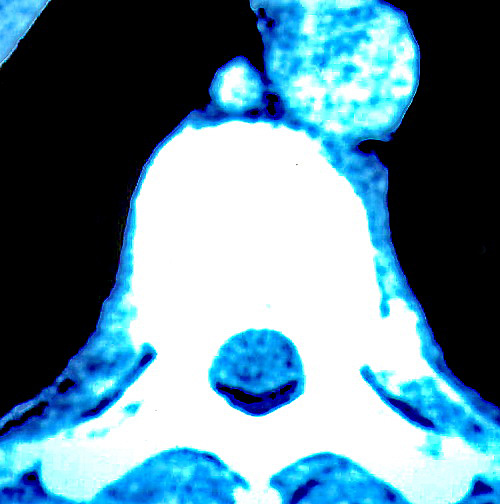
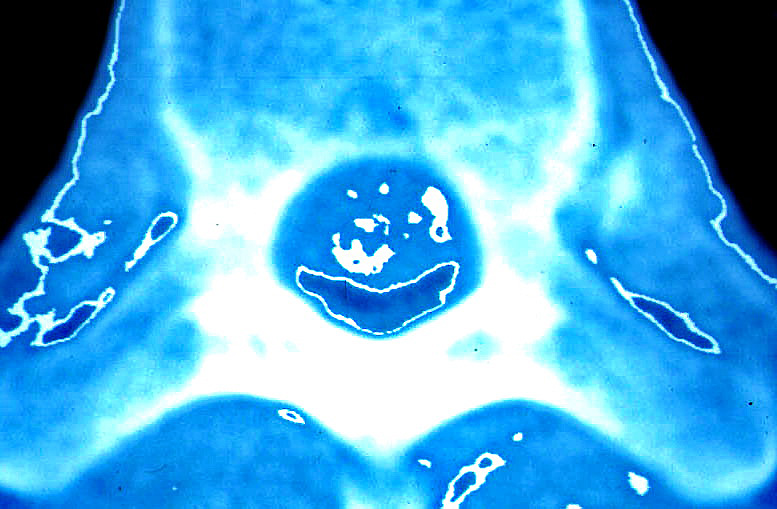
- Even when pressure change causes no immediate symptoms, rapid pressure change can cause permanent bone injury called dysbaric osteonecrosis (DON).
The Physics of Bubble Formation
Decompression sickness strikes when a body that has been breathing gas under elevated pressure experiences a rapid drop in that surrounding pressure. The inert components of the inhaled gas—those the body cannot metabolize—dissolve into tissues and blood while the person remains under pressure. If ambient pressure falls faster than respiration can safely eliminate the excess, those dissolved gases come out of solution and form bubbles within living tissue. The phenomenon is not limited to underwater diving. It can follow emerging from a caisson, decompressing from a saturation environment, flying in an unpressurized aircraft at high altitude, or performing extravehicular activity from a spacecraft. The theoretical risk at any given moment is controlled by the tissue compartment holding the highest concentration of inert gas; in saturation decompression, that is the slowest tissue to outgas. A closely related mechanism called isobaric counterdiffusion can trigger bubble formation even when ambient pressure does not change at all.
A Spectrum of Symptoms
Because bubbles can lodge in virtually any tissue, DCS presents with an extraordinarily wide range of manifestations. The most recognizable sign is severe joint pain—particularly in shoulders, elbows, knees, and ankles—accounting for roughly 60 to 70 percent of altitude-related cases. This is the origin of the colloquial name "the bends," as sufferers literally double over in agony. Neurological involvement appears in about 10 to 15 percent of cases, with headache and visual disturbances being the most common neurological complaints. Skin changes, sometimes called aerobullosis, show up in a similar proportion of patients. Pulmonary symptoms, historically termed "the chokes," are exceedingly rare among divers today and have become even less common among aviators since oxygen pre-breathing protocols were adopted. At the extreme end, DCS can progress to paralysis or death. Individual susceptibility is unpredictable: the same diver may be unaffected one day and symptomatic the next, and two people sharing identical dive profiles can experience entirely different outcomes.
From Nineteenth-Century Descriptions to Modern Classification
The earliest clinical accounts of DCS, dating back to the nineteenth century, relied on vivid descriptive labels: "bends" for skeletal and joint pain, "chokes" for respiratory distress, and "staggers" for neurological impairment. That informal taxonomy persisted until 1960, when Golding and colleagues proposed a cleaner two-tier system. Type I, or "simple," DCS was defined as symptoms confined to the skin, musculoskeletal, or lymphatic systems. Type II, or "serious," DCS involved other organ systems, notably the central nervous system, and carried a substantially worse prognosis. This framework, with minor refinements, remained in use for decades. However, as treatment protocols evolved and clinicians recognized that neurological symptoms can emerge after an initially mild presentation, the practical diagnostic value of the Type I/Type II distinction has diminished considerably. Both categories now receive the same initial management, and the broader umbrella term "decompression illness" is preferred when a precise separation from arterial gas embolism cannot be made.
Treatment, Prevention, and the Narrow Window of Recovery
Once DCS is suspected, the standard intervention is hyperbaric oxygen therapy delivered in a recompression chamber. Diagnosis is effectively confirmed by a positive clinical response to that treatment rather than by a standalone laboratory test. Time is critical: early treatment dramatically improves the likelihood of full recovery, while delayed care can allow irreversible tissue damage. In remote settings where a chamber is not reachable within a reasonable timeframe, in-water recompression may be attempted, but only for a narrow range of presentations and only when suitably trained personnel and appropriate equipment are present on site. Prevention has become the primary strategy. Divers now almost universally rely on decompression schedules or dive computers to cap their inert-gas loading and to monitor ascent speed. Because of these disciplined procedures, contracting DCS has become uncommon, though the condition's potential for rapid, fatal deterioration continues to drive research into safer decompression practices.
Gallery



Frequently Asked Questions
Who is Decompression sickness?
Decompression sickness, widely nicknamed the bends or divers' disease, is a condition that strikes when gases dissolved in body tissues rapidly come out of solution and form bubbles during a pressure drop. It most often hits divers ascending from depth, but can also catch people exiting caissons, decompressing from saturation, flying unpressurized at altitude, or performing a spacewalk.
What are Decompression sickness's powers/role?
DCS presents through joint pain (accounting for 60–70% of altitude cases, with the shoulder being the most common site), neurological symptoms in 10–15% of cases, and skin manifestations in another 10–15%. In saturation and caisson scenarios, the knees and hip joints take the brunt of the attack.
When does Decompression sickness strike?
More than half of all DCS episodes do not appear immediately; symptoms typically surface at least an hour after the dive or pressure change. This delayed onset makes it a deceptively sneaky condition that victims and bystanders can easily overlook in the critical window.
Why is Decompression sickness important?
Together with arterial gas embolism, DCS forms the broader clinical category known as decompression illness, making it a critical hazard for divers, aerospace workers, and anyone exposed to rapid pressure changes. Recognizing its triggers and symptom profile is essential for preventing potentially life-threatening episodes in the field.
More in Effects of External Causes 1-24
Spotted an error? Know more?
Reader corrections go straight into our review queue. Suggest an edit · How this site is sourced