
Heat illness
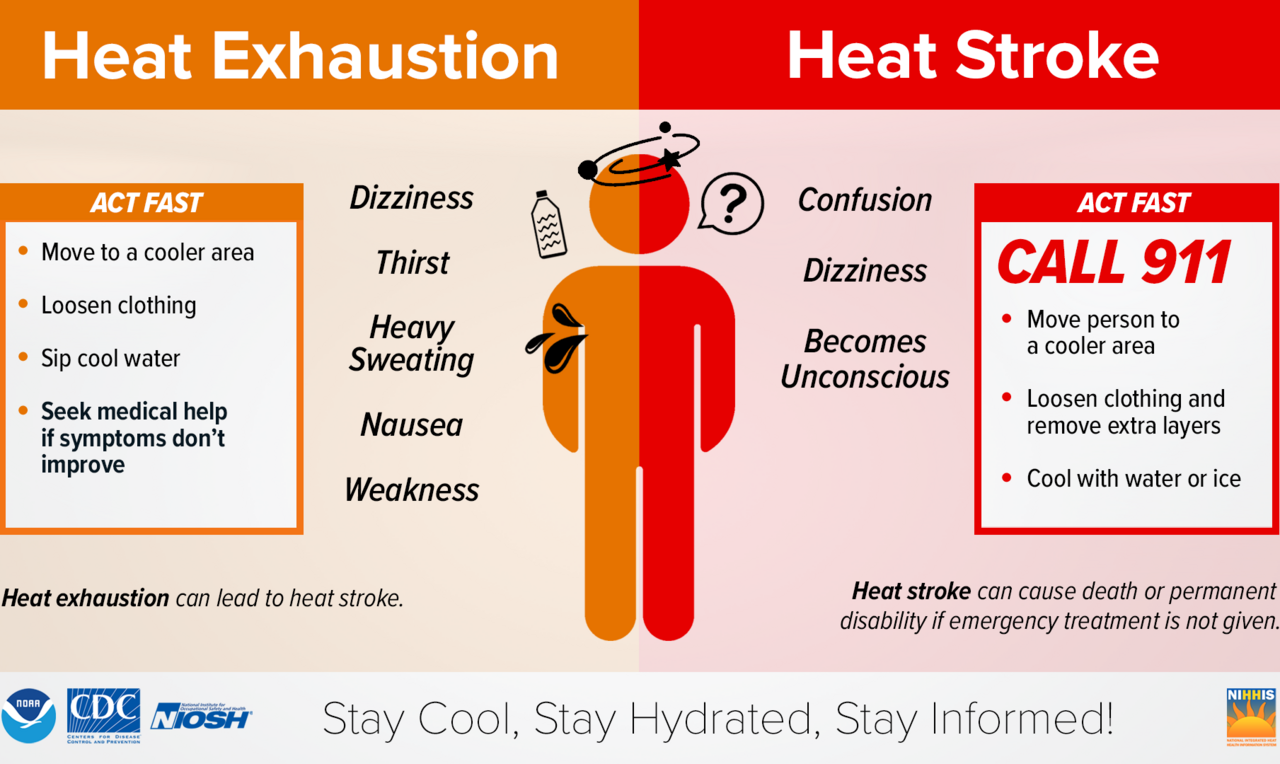
Heat illness is a spectrum of heat-related disorders from cramps to stroke.

U.S. Air Force graphic by Airman Amanda Lovelace · Public domain
Heat illness refers to a range of disorders caused by a rise in body temperature, which can result from hot environmental conditions or physical exertion. The spectrum includes milder issues like heat cramps, heat syncope, and heat exhaustion, as well as the more serious heat stroke. These conditions can affect any or all body systems. To help prevent heat illness, people should avoid certain medications that raise risk, allow their bodies to gradually adjust to heat, and stay hydrated with adequate fluids and electrolytes.
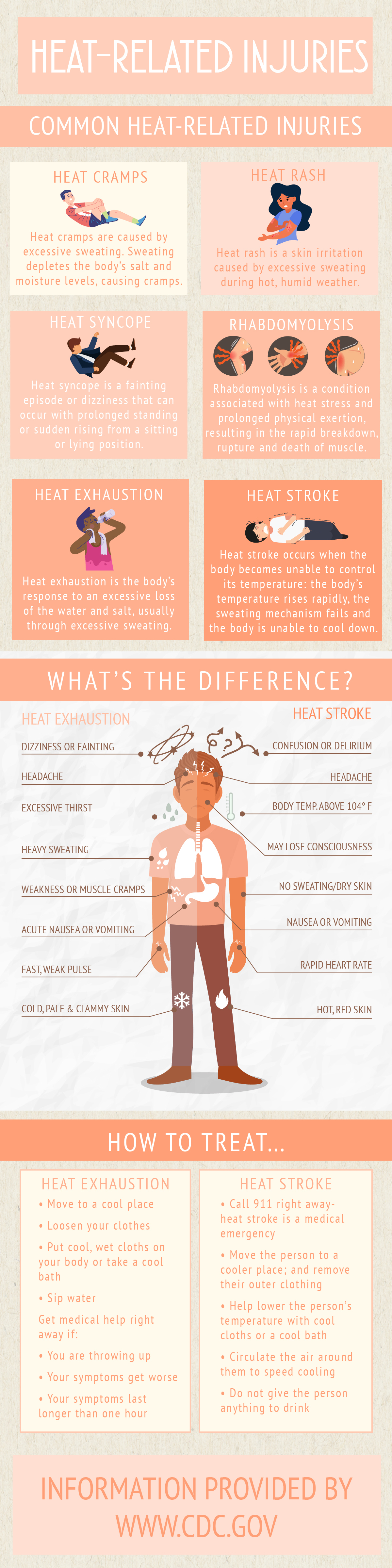
Among the specific types, heat stroke is defined by a body temperature above 40 °C (104 °F) due to environmental heat, where the body loses its ability to regulate temperature. Symptoms include dry skin, a rapid and strong pulse, and dizziness. Heat exhaustion can precede heat stroke and involves heavy sweating, rapid breathing, and a fast, weak pulse. Heat syncope is fainting or dizziness from overheating. Heat edema is swelling of the hands, feet, and ankles, often caused by increased aldosterone secretion leading to water retention, combined with widened blood vessels and sluggish blood flow; it usually resolves after a few days of acclimation, and support stockings or leg elevation can help. Heat cramps are painful, involuntary muscle spasms in large muscle groups used during strenuous exercise, often linked to heavy sweating and drinking plain water without electrolytes, which can cause low sodium levels; relief comes from salt-containing fluids or sports drinks. Heat rash, or prickly heat, is a skin irritation with a red, bumpy rash and blocked sweat ducts that may rupture, causing itchy blisters; prevention involves loose clothing, and treatment includes chlorhexidine lotion, antihistamines for itching, and antibiotics if infection occurs. Heat tetany results from short periods of stress in intense heat, with symptoms like hyperventilation, respiratory issues, numbness, tingling, or muscle spasms.
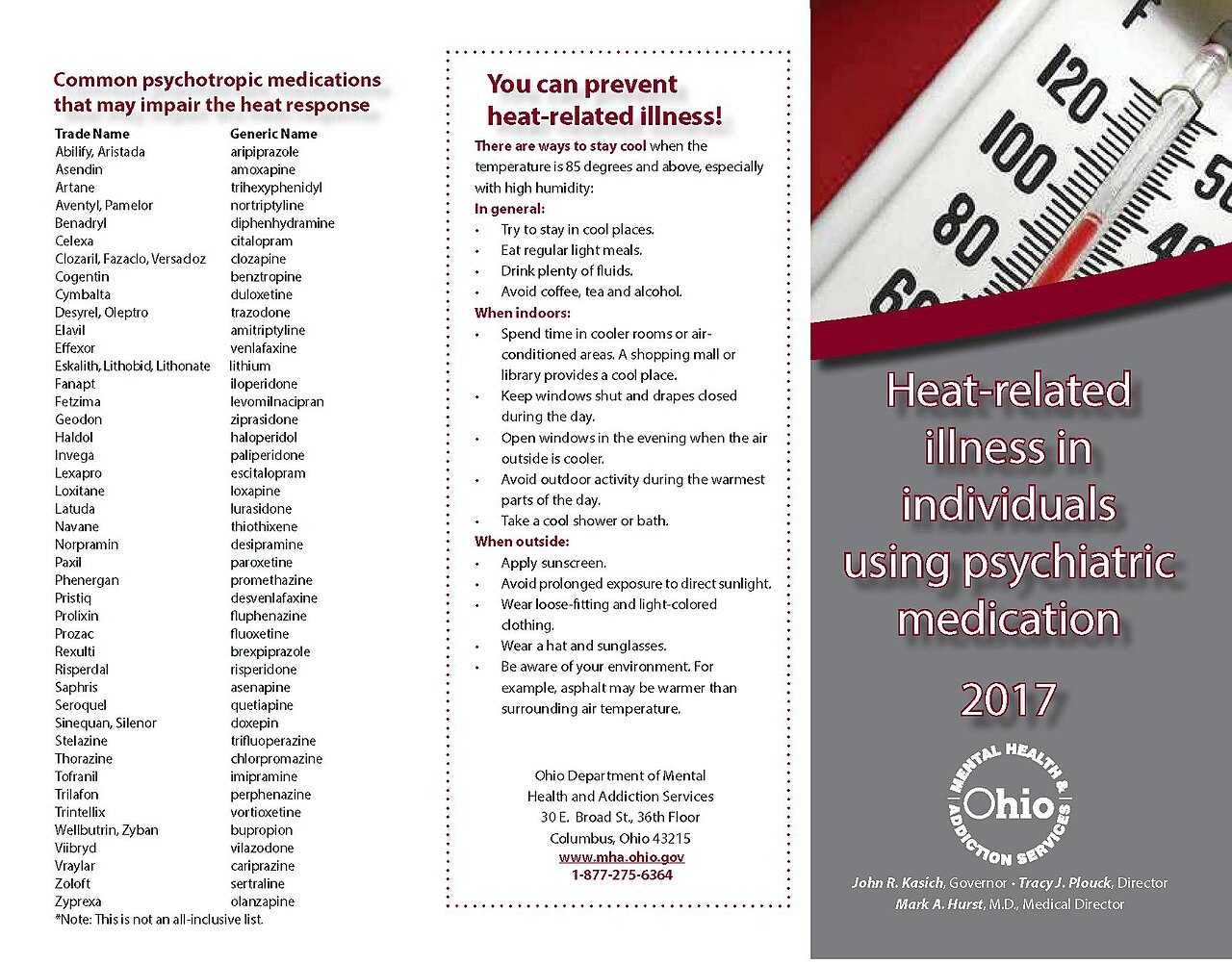
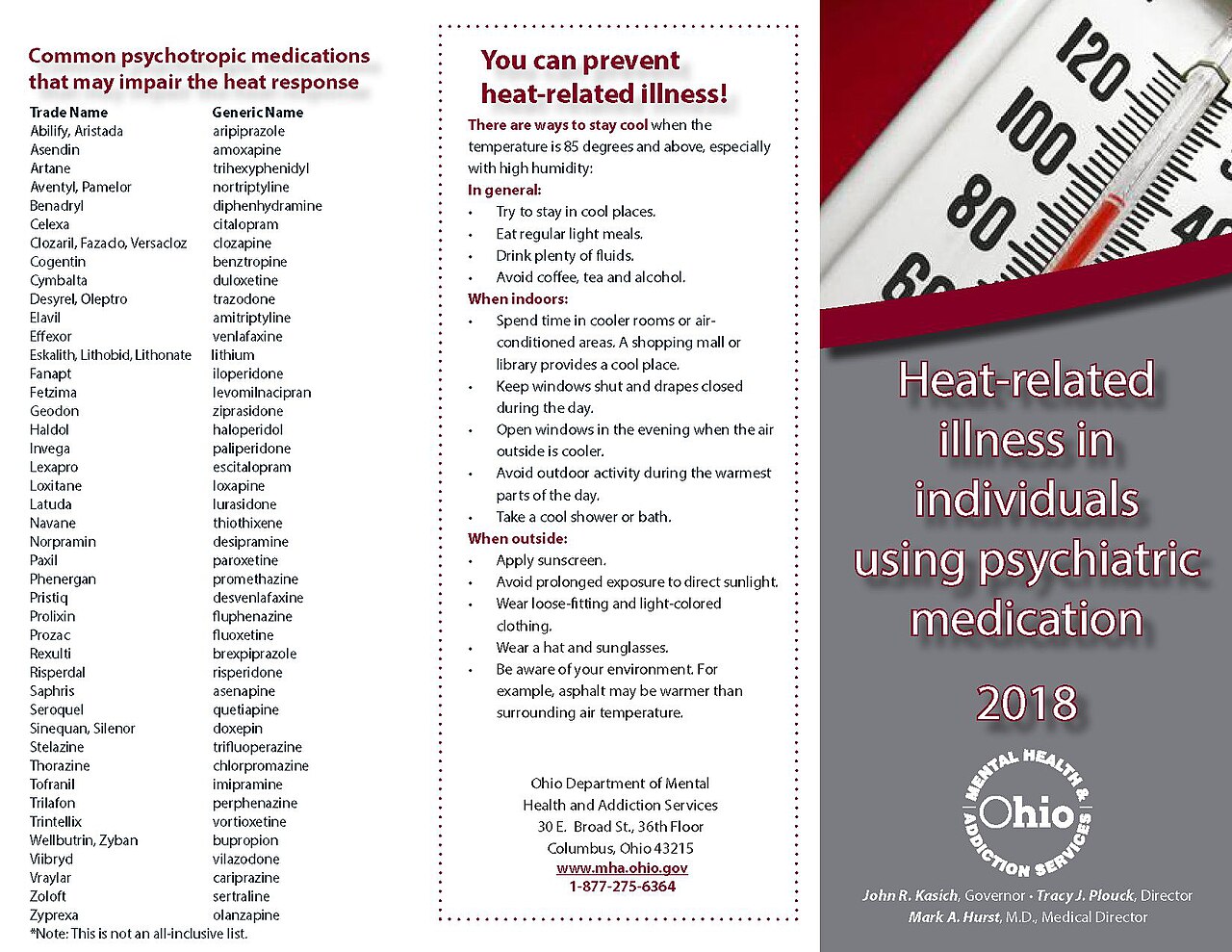
Hyperthermia, another term for heat stroke, becomes common during prolonged hot and humid weather. Older adults, young children, and those who are sick or overweight face higher risk. Chronically ill and elderly individuals often take medications such as diuretics, anticholinergics, antipsychotics, and antihypertensives, which can interfere with the body's heat dissipation.
Quick Facts
- Field
- Emergency medicine
Facts from the source article.
Lore & Background
Heat illness encompasses a range of conditions including heat stroke, heat exhaustion, heat syncope, heat edema, heat cramps, heat rash, and heat tetany. Heat stroke is defined by a body temperature greater than 40 °C (104 °F) due to environmental heat exposure with lack of thermoregulation, presenting with dry skin, rapid strong pulse, and dizziness. Heat exhaustion is considered a precursor to heat stroke, marked by heavy sweating, rapid breathing, and a fast weak pulse. Heat syncope involves fainting or dizziness from overheating, often due to orthostatic hypotension from dehydration and peripheral vasodilation. Heat edema presents as transient swelling of the hands, feet, and ankles, generally secondary to increased aldosterone secretion and water retention. Heat cramps are painful involuntary spasms of large muscle groups used in strenuous exercise, often linked to hyponatremia from fluid replacement with non-electrolyte water. Heat rash, also known as prickly heat, is a maculopapular rash with blocked sweat ducts that may rupture, producing pruritic vesicles. Heat tetany results from short periods of stress in intense heat, with symptoms including hyperventilation, respiratory problems, numbness, or muscle spasms.
Reader's Guide
Heat illness is notable for its wide distribution and significant impact on mortality and morbidity. Between 2000 and 2019, approximately 489,000 heat-related deaths occurred annually worldwide, with 45% in Asia and 36% in Europe. High-intensity heatwave events can bring high acute mortality, such as 70,000 deaths in Europe in 2003 and 56,000 in the Russian Federation in 2010. In the United States, heat illness is common in sports, with football having the highest rates; 66.3% of exertion heat-related time-loss events occur in August during pre-season camps. Between 1999 and 2003, the US had 3,442 deaths from heat illness. Outdoor workers are at particular risk, with 423 worker deaths from heat illness between 1992 and 2006. The article notes that consistent evidence links workplace heat exposure to higher risks of heat-related illness, reduced eGFR resulting in renal impairment, cognitive decline, and injuries. Prevention strategies include avoiding medications that impair thermoregulation, gradual heat acclimatization, and adequate fluid and electrolyte intake.
Did You Know?
- Heat cramps are believed to result from hyponatremia induced by replenishing fluid loss with non-electrolyte containing water.
- Heat edema usually resolves within several days after the patient becomes acclimated to the warmer environment.
- Between 1992 and 2006, 423 workers died from heat illness in the US.
The Full Spectrum of Heat-Related Disorders
Heat illness is not a single condition but a continuum of disorders triggered by elevated body temperature, whether from environmental heat or physical exertion. The mildest manifestations include heat cramps—painful involuntary spasms in large muscle groups after strenuous exercise in hot weather—and heat syncope, which presents as fainting or dizziness from overheating. Heat edema causes transient swelling in the hands, feet, and ankles when blood vessels dilate and fluid pools in dependent areas. Heat rash, or prickly heat, appears as a maculopapular eruption with blocked sweat ducts, often in areas covered by tight clothing. At the more serious end sits heat exhaustion, marked by heavy sweating, rapid breathing, a fast weak pulse, and electrolyte depletion, which experts regard as the direct forerunner of heat stroke. Heat stroke itself is defined by a core temperature exceeding 40 °C (104 °F) with a failure of thermoregulation, producing dry skin, a rapid strong pulse, and dizziness. Heat tetany, involving hyperventilation, numbness, and muscle spasms, rounds out the list. Together these conditions can compromise any or all anatomical systems.
Vulnerable Populations and Compounding Risk Factors
Not everyone faces the same danger when temperatures climb. Older adults, very young children, and individuals who are sick or overweight carry a heightened susceptibility to heat-related illness. The chronically ill and elderly are particularly vulnerable because they are often prescribed medications—diuretics, anticholinergics, antipsychotics, and antihypertensives—that interfere with the body's capacity to dissipate heat. Any condition that compromises thermoregulation theoretically raises mortality risk. Workplace heat exposure adds another layer of danger: consistent evidence links occupational heat to a significantly elevated risk of heat-related illness, a reduced estimated glomerular filtration rate (adjusted odds ratio 3.50, 95% CI 1.30–9.40) indicating renal impairment, cognitive decline, and a 1% increase in injury risk for every one-degree Celsius rise in temperature. These compounding factors mean that what might be a manageable day for a healthy young worker can become a medical emergency for someone on multiple prescriptions or managing a chronic condition.
How the Body Breaks Down in the Heat
Each heat-related disorder follows a distinct physiological pathway. Heat edema arises when peripheral vasodilation and venous stasis combine with increased aldosterone secretion, causing water to accumulate in the hands, feet, and ankles; it typically resolves within days once a person acclimates. Heat rash develops when sweat ducts become dilated and eventually rupture, producing small itchy vesicles on a red base, and if left unchecked can progress to chronic dermatitis or secondary bacterial infection. Heat cramps stem from profuse sweating followed by rehydration with plain water, which dilutes blood sodium and induces hyponatremia in already stressed muscles. Heat syncope results from intense sweating causing dehydration, then peripheral vasodilation reducing venous return and producing orthostatic hypotension. Heat exhaustion reflects severe dehydration and electrolyte loss, presenting with diarrhea, nausea, tachycardia, and malaise, while neurologic function remains intact—distinguishing it from the more dangerous heat stroke.
From Prevention to Permanent Organ Damage
Prevention centers on avoiding medications that elevate heat-illness risk, allowing gradual acclimatization to warm environments, and maintaining adequate fluid and electrolyte intake. For those already affected, treatment ranges from simple measures—support stockings and leg elevation for edema, chlorhexidine lotion and antihistamines for rash, salt-containing oral or IV fluids for cramps—to more aggressive hospital interventions such as isotonic IV rehydration for exhaustion. Heat stroke, however, carries the gravest prognosis. Severe cases can inflict permanent damage on multiple organ systems, increasing the risk of early mortality through severe functional impairment. Additional complications include adult respiratory distress syndrome and disseminated intravascular coagulation. After hospital discharge for heat exhaustion, patients are instructed to rest, hydrate for two to three hours, and avoid heat for several days; failure to follow this guidance can escalate the condition into full heat stroke, making the window between manageable illness and life-threatening emergency deceptively narrow.
Gallery

Frequently Asked Questions
Who is Heat illness?
Heat illness is a spectrum of heat-related disorders triggered by an elevated body temperature, whether from hot surroundings or intense physical activity. It spans a range from milder conditions like heat cramps and syncope up to the life-threatening heat stroke.
What are Heat illness's powers/role?
This condition can compromise any or all body systems simultaneously. Its most severe manifestation, heat stroke, is defined by a critical rise in core body temperature that overwhelms the body's thermoregulatory mechanisms.
Why is Heat illness important?
It claims roughly 489,000 lives globally each year, making it a major public health concern. Asia accounts for about 45% of those deaths while Europe represents 36%, with over 61,000 excess heat-related deaths recorded across European summers.
What's Heat illness's weakness?
Adequate fluid and electrolyte intake, gradual acclimatization to rising temperatures, and avoiding certain risk-increasing medications are the primary defenses against it. Early recognition of milder symptoms like cramps or dizziness can prevent progression to the most dangerous forms.
More in Effects of External Causes 1-24
Spotted an error? Know more?
Reader corrections go straight into our review queue. Suggest an edit · How this site is sourced